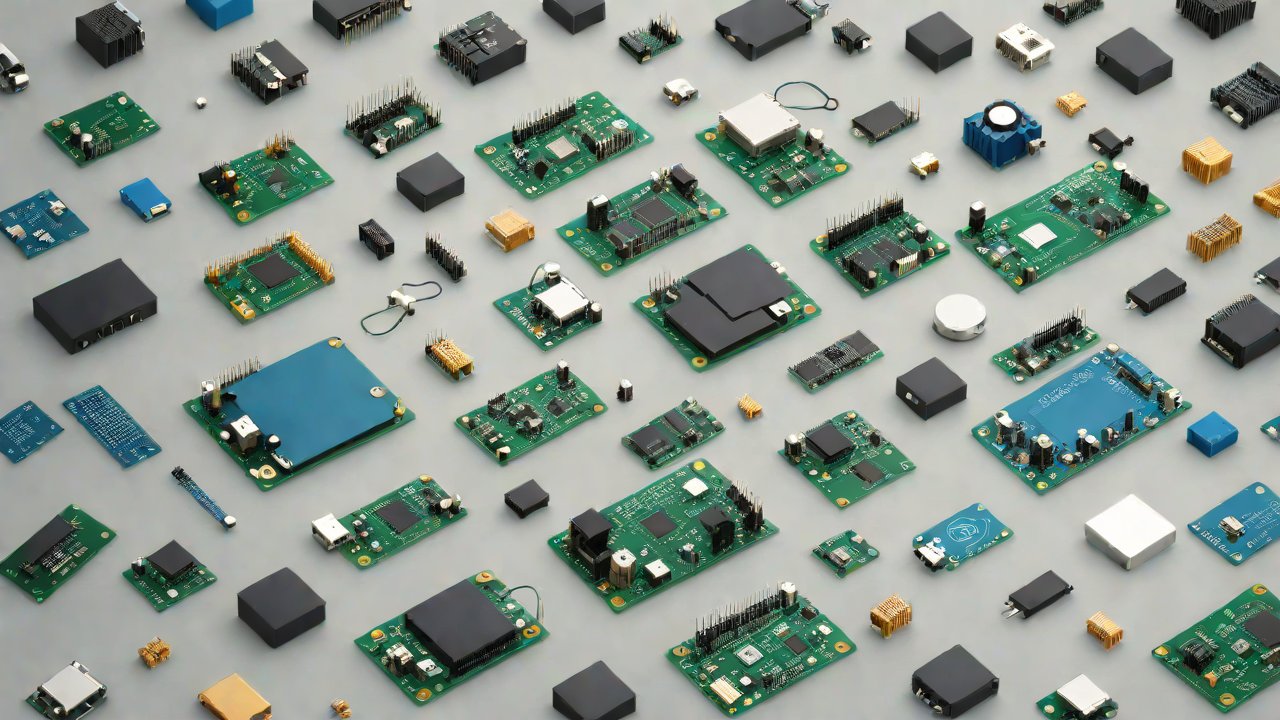
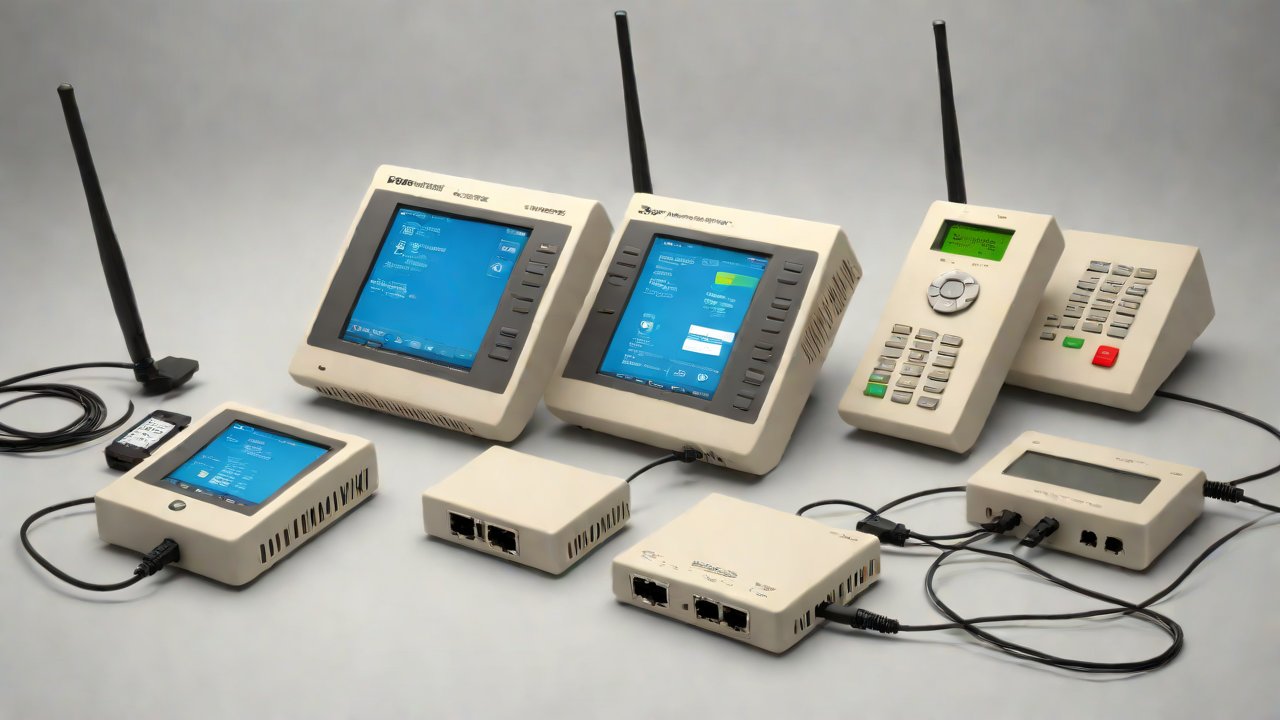
4G/Wi-Fi/Ethernet Auto-Switching High-Availability Terminal
In today’s fast-paced digital landscape, businesses and individuals alike rely heavily on high-speed internet connections to stay productive, connected, and competitive. The concept of an auto-switching terminal that seamlessly transitions between 4G, Wi-Fi, and Ethernet networks has become increasingly essential for ensuring uninterrupted connectivity in various settings, from public hotspots and enterprise environments to residential areas.
These terminals are designed with advanced algorithms and intelligent switching capabilities to detect the most reliable network connection available at any given time. This technology is particularly crucial in scenarios where internet access is mission-critical or where downtime can result in significant losses.
1. Market Analysis
The market for auto-switching terminals has witnessed substantial growth over the years, driven by increasing demand from industries such as telecommunications, finance, healthcare, and education. According to a report by MarketsandMarkets, the global wireless terminal market is expected to grow at a CAGR of 12.2% from 2023 to 2030.
Table 1: Global Wireless Terminal Market Size (in billions USD)
| Year | Market Size |
|---|---|
| 2022 | $45.6 billion |
| 2025 | $71.4 billion |
| 2030 | $123.8 billion |
The growth in this market can be attributed to several factors, including the proliferation of IoT devices, increasing adoption of cloud computing services, and the need for reliable internet connectivity.
2. Technical Overview
From a technical standpoint, auto-switching terminals rely on advanced protocols and algorithms that enable them to detect and switch between different network connections seamlessly. These protocols include:
- 4G/LTE: The most widely used wireless communication technology, offering speeds of up to several hundred megabits per second.
- Wi-Fi: A popular choice for public hotspots and home networks, providing high-speed internet access with coverage areas that can be easily expanded using repeaters or mesh networks.
- Ethernet: A wired connection method, often preferred in environments requiring high-bandwidth applications like video conferencing or bulk data transfer.
The switching mechanism is typically based on a combination of factors such as signal strength, network congestion, and available bandwidth. Advanced terminals may also employ AI-driven predictive analytics to anticipate potential connectivity issues before they occur.
3. Key Features
Auto-switching terminals come equipped with several key features that enhance their functionality and user experience:
- Multiple Network Support: The ability to connect to various networks simultaneously, including 4G, Wi-Fi, and Ethernet.
- Automatic Switching: Seamless switching between different network connections based on signal strength, congestion, or available bandwidth.
- High-Availability: Designed with redundancy in mind to minimize downtime and ensure continuous connectivity.
- Advanced Security Features: Incorporating robust security protocols to protect against cyber threats.
Table 2: Key Technical Specifications
| Feature | Description |
|---|---|
| Processor Speed | Up to 2.5 GHz quad-core processor |
| RAM | 4 GB DDR3, expandable up to 8 GB |
| Storage Capacity | 32 GB eMMC storage, expandable via microSD card |
4. Applications
The applications of auto-switching terminals are diverse and widespread:
- Public Hotspots: Enhancing customer experience in public spaces by providing seamless connectivity.
- Enterprise Networks: Ensuring high availability and reliability for mission-critical applications in business environments.
- Residential Areas: Providing uninterrupted internet access to households, ideal for smart home devices and IoT applications.
5. Future Developments
The future of auto-switching terminals is promising, with several trends expected to shape the industry:
- 5G Integration: The integration of 5G technology will further enhance network speeds and capacities.
- AI-Powered Switching: AI-driven predictive analytics will become more prevalent, anticipating connectivity issues before they occur.
- Increased Security Measures: The incorporation of advanced security features to protect against emerging cyber threats.
Table 3: Future Development Roadmap
| Year | Milestone |
|---|---|
| 2025 | Integration of 5G technology into auto-switching terminals |
| 2030 | Widespread adoption of AI-powered switching mechanisms |
6. Conclusion
In conclusion, the concept of an auto-switching terminal that seamlessly transitions between 4G, Wi-Fi, and Ethernet networks has become increasingly essential in today’s digital landscape. With a growing market size and advanced technical specifications, these terminals are poised to play a critical role in enhancing connectivity and ensuring high availability across various settings.
Their applications are diverse and widespread, ranging from public hotspots and enterprise environments to residential areas. As technology continues to evolve, auto-switching terminals will become even more sophisticated, integrating 5G technology and AI-powered switching mechanisms to provide unparalleled reliability and security.
IOT Cloud Platform
IOT Cloud Platform is an IoT portal established by a Chinese IoT company, focusing on technical solutions in the fields of agricultural IoT, industrial IoT, medical IoT, security IoT, military IoT, meteorological IoT, consumer IoT, automotive IoT, commercial IoT, infrastructure IoT, smart warehousing and logistics, smart home, smart city, smart healthcare, smart lighting, etc.
The IoT Cloud Platform blog is a top IoT technology stack, providing technical knowledge on IoT, robotics, artificial intelligence (generative artificial intelligence AIGC), edge computing, AR/VR, cloud computing, quantum computing, blockchain, smart surveillance cameras, drones, RFID tags, gateways, GPS, 3D printing, 4D printing, autonomous driving, etc.
Note: This article was professionally generated with the assistance of AIGC and has been fact-checked and manually corrected by IoT expert editor IoTCloudPlatForm.