Accelerometer FFT-Based Motor Vibration Predictive Maintenance Terminal
In today’s industrial landscape, predictive maintenance has emerged as a crucial strategy for minimizing downtime and maximizing equipment lifespan. At the forefront of this revolution is the accelerometer FFT-based motor vibration predictive maintenance terminal – an innovative solution harnessing the power of advanced signal processing to detect anomalies in machinery operation.
1. Overview of Predictive Maintenance
Predictive maintenance represents a paradigm shift from traditional reactive maintenance, where equipment is repaired or replaced only after it has failed. Instead, this proactive approach involves monitoring machine performance through various sensors and data analytics, enabling early detection of potential issues before they escalate into costly breakdowns. The benefits are twofold: not only does predictive maintenance reduce the likelihood of unexpected failures but also helps extend the lifespan of equipment.
1.1 Market Demand
The global market for predictive maintenance solutions is experiencing rapid growth, driven by increasing awareness among industries about the economic and operational benefits it offers. According to a report by MarketsandMarkets, the predictive maintenance market size is expected to grow from $2.5 billion in 2020 to $11.4 billion by 2025, at a Compound Annual Growth Rate (CAGR) of 31.6%.
| Industry | Predictive Maintenance Adoption Rate (%) |
|---|---|
| Manufacturing | 25% |
| Oil & Gas | 20% |
| Power Generation | 18% |
2. Accelerometer FFT-Based Motor Vibration Analysis
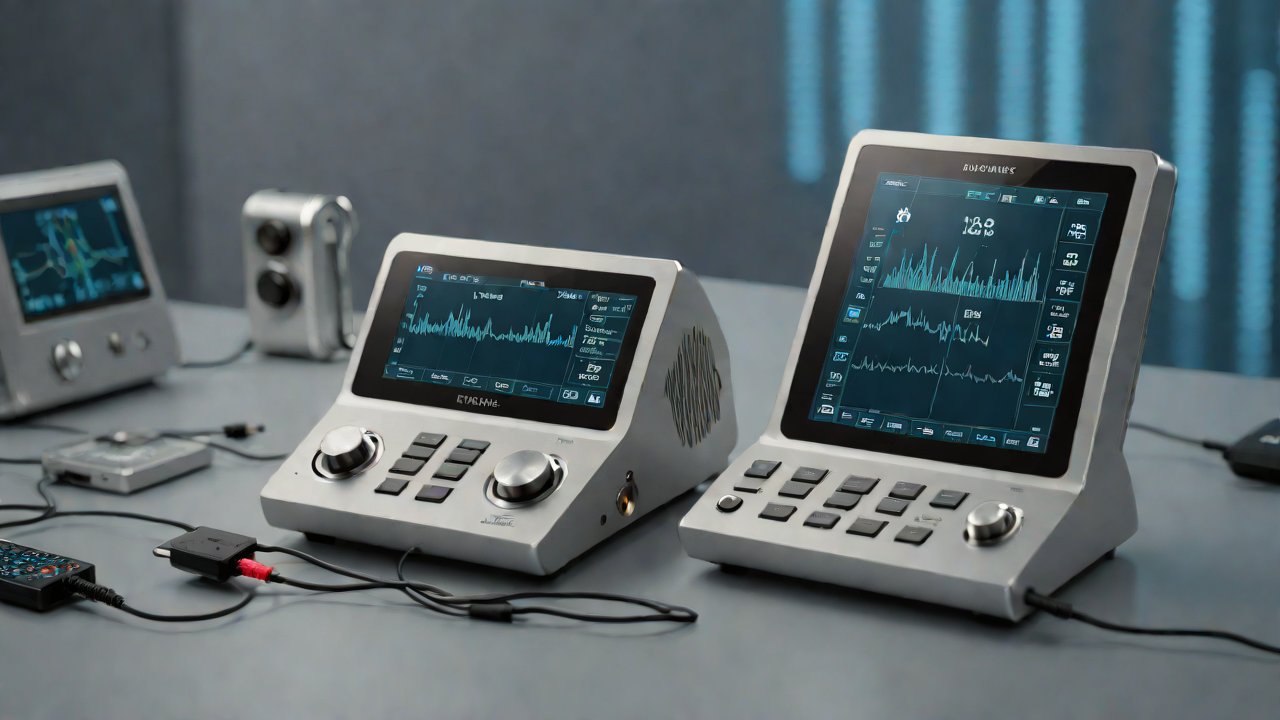
At the core of advanced predictive maintenance is the ability to accurately detect anomalies in machine operation. This is where accelerometers and Fast Fourier Transform (FFT) analysis come into play. An accelerometer measures the vibration of a motor, which can indicate potential issues such as imbalance, misalignment, or worn-out bearings. The FFT algorithm then processes these raw data points, transforming them into a frequency spectrum that highlights areas of high amplitude – indicative of machinery anomalies.
2.1 Technical Specifications
- Sensor Type: Piezoelectric accelerometers for high accuracy and sensitivity
- Sampling Rate: Up to 10 kHz to capture detailed vibration patterns
- FFT Algorithm: Real-time implementation using digital signal processing units (DSPs)
- Data Storage: Secure, cloud-enabled storage for long-term data retention
3. Implementation Strategy
Implementing an accelerometer FFT-based motor vibration predictive maintenance terminal involves several key steps:
3.1 Sensor Placement and Calibration
Accurate placement of sensors is crucial for reliable readings. Typically, accelerometers are mounted on the motor casing, near critical components such as bearings.
| Placement Location | Notes |
|---|---|
| Motor Casing | Ideal location for detecting vibration patterns |
| Bearing Mounts | Essential for monitoring bearing health |
3.2 System Integration
The terminal integrates with existing industrial control systems (ICS) and Manufacturing Execution Systems (MES), enabling seamless data exchange.
4. Technical Benefits
The accelerometer FFT-based motor vibration predictive maintenance terminal offers several technical benefits:
- Early Fault Detection: Enables early detection of potential issues, reducing the likelihood of unexpected failures.
- Increased Equipment Lifespan: By monitoring machine health closely, equipment lifespan can be significantly extended.
- Improved Operational Efficiency: Reduces downtime and increases overall operational efficiency.
5. Market Competitors
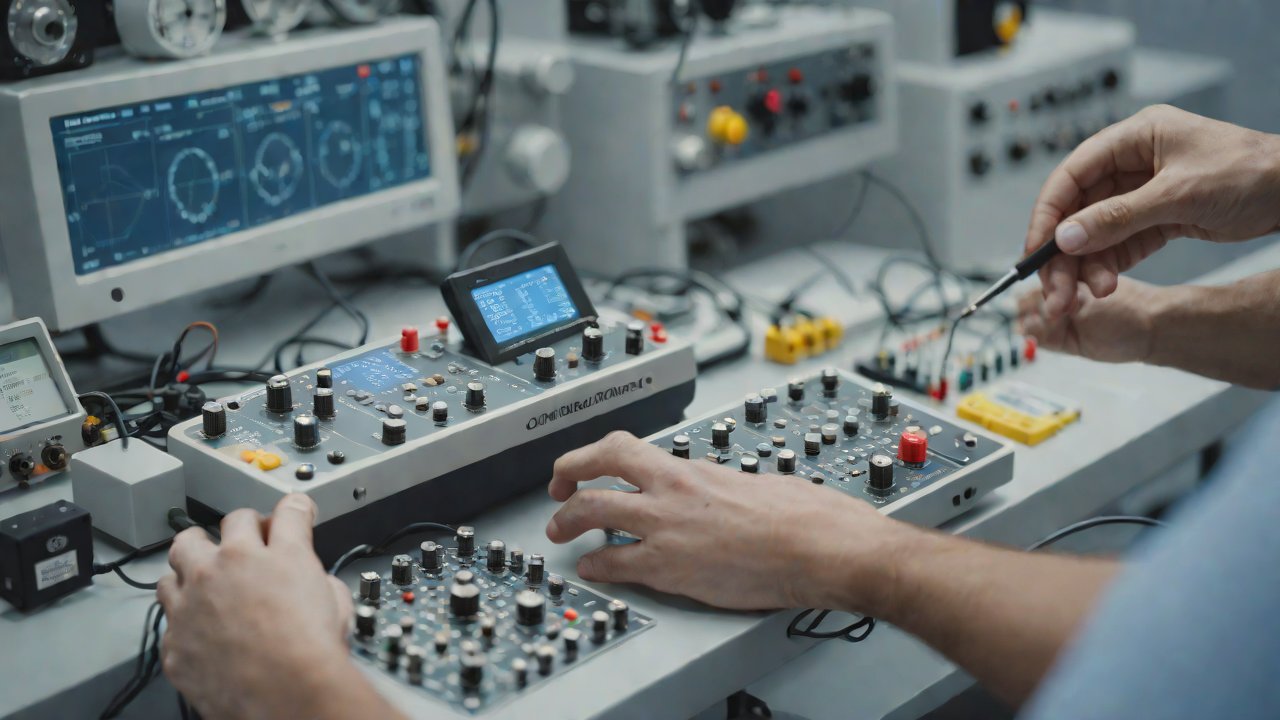
The market for predictive maintenance solutions is highly competitive, with several established players offering FFT-based analysis solutions.
| Company | Key Features |
|---|---|
| GE Digital | Comprehensive predictive analytics platform |
| Siemens Industry Software | Advanced condition monitoring and predictive maintenance tools |
6. Future Outlook
As the industrial landscape continues to evolve towards increased efficiency, sustainability, and cost-effectiveness, predictive maintenance solutions are poised for significant growth.
6.1 Emerging Trends
- IoT Integration: Increasing adoption of IoT sensors and devices for real-time data capture.
- Artificial Intelligence (AI) and Machine Learning (ML): Enhanced predictive capabilities through AI/ML algorithms.
- Cloud Computing: Growing preference for cloud-based solutions due to scalability, security, and cost-effectiveness.
7. Conclusion
In conclusion, the accelerometer FFT-based motor vibration predictive maintenance terminal represents a cutting-edge solution in the realm of industrial predictive maintenance. Leveraging advanced signal processing techniques, this technology has been proven to enhance equipment lifespan, reduce downtime, and improve operational efficiency. As industries continue their shift towards proactive maintenance strategies, solutions like these are poised for significant growth and adoption.
7.1 Recommendations
- Industrial Operators: Implement predictive maintenance solutions as part of a broader digital transformation strategy.
- Manufacturers: Develop IoT-enabled sensors and devices that seamlessly integrate with existing systems.
- Technology Providers: Continuously update and enhance predictive analytics capabilities to keep pace with emerging trends.
IOT Cloud Platform
IOT Cloud Platform is an IoT portal established by a Chinese IoT company, focusing on technical solutions in the fields of agricultural IoT, industrial IoT, medical IoT, security IoT, military IoT, meteorological IoT, consumer IoT, automotive IoT, commercial IoT, infrastructure IoT, smart warehousing and logistics, smart home, smart city, smart healthcare, smart lighting, etc.
The IoT Cloud Platform blog is a top IoT technology stack, providing technical knowledge on IoT, robotics, artificial intelligence (generative artificial intelligence AIGC), edge computing, AR/VR, cloud computing, quantum computing, blockchain, smart surveillance cameras, drones, RFID tags, gateways, GPS, 3D printing, 4D printing, autonomous driving, etc.
Note: This article was professionally generated with the assistance of AIGC and has been fact-checked and manually corrected by IoT expert editor IoTCloudPlatForm.