A Guide to IoT Security Requirements in Japan
1. Technical Insights into IoT Security in Japan
Japan has been at the forefront of adopting Internet of Things (IoT) technology, with a focus on developing secure and reliable IoT solutions. As the country continues to invest heavily in IoT infrastructure, ensuring the security of these devices and systems has become a top priority.
2. IoT Security Framework for Japan
The Japanese government has established an IoT security framework that outlines specific requirements for IoT device manufacturers and operators. The framework includes:
| Requirement | Description |
|---|---|
| Secure by Design | Devices should be designed with security in mind from the outset. |
| Regular Updates | Manufacturers must provide regular software updates to ensure devices remain secure. |
| Data Protection | Personal data collected by IoT devices must be protected and handled in accordance with Japan’s data protection laws. |
3. Protocol Analysis for IoT Security
Various protocols are used to communicate between IoT devices, including CoAP (Constrained Application Protocol), MQTT (Message Queue Telemetry Transport), and LWM2M (Lightweight Machine-to-Machine). Each protocol has its strengths and weaknesses when it comes to security.
| Protocol | Security Features |
|---|---|
| CoAP | Supports DTLS (Datagram Transport Layer Security) for encryption. |
| MQTT | Uses TLS (Transport Layer Security) for encryption, but lacks built-in authentication mechanisms. |
| LWM2M | Supports DTLS and has built-in authentication and authorization mechanisms. |
4. Hardware Analysis for IoT Security
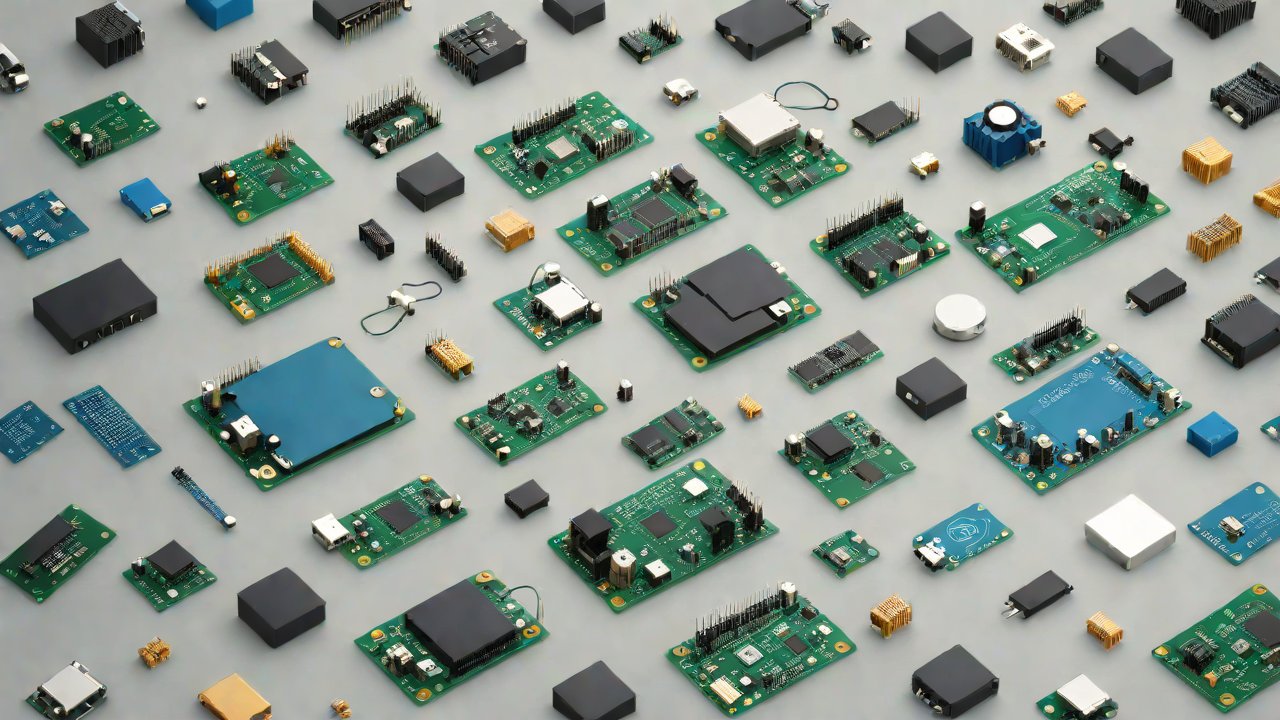
The choice of hardware can significantly impact the security of an IoT device. Factors to consider include:
| Hardware Component | Security Considerations |
|---|---|
| Processor | Choose a processor with robust security features, such as ARM’s TrustZone. |
| Memory | Ensure that memory is adequately protected against unauthorized access. |
| Storage | Use secure storage solutions, such as encrypted flash drives. |
5. Cost Analysis for IoT Security
Implementing robust security measures can increase the cost of an IoT device. However, the costs associated with a data breach or cyber attack far outweigh the costs of implementing proper security measures.
| Security Measure | Cost Estimate (USD) |
|---|---|
| Secure Processor | $10-$50 per unit |
| Secure Storage | $5-$20 per unit |
| Regular Updates | $0.01-$1.00 per unit |
6. Compliance with Japanese Regulations
IoT device manufacturers and operators must comply with various regulations in Japan, including:
| Regulation | Description |
|---|---|
| Industrial Safety and Health Act | Ensures devices are designed to prevent accidents and injuries. |
| Personal Information Protection Law | Protects personal data collected by IoT devices. |
7. Incident Response Planning
In the event of a security incident, having an incident response plan in place is crucial.
| Incident Response Plan | Description |
|---|---|
| Identify and Contain | Quickly identify and contain the incident to prevent further damage. |
| Eradicate | Eliminate the root cause of the incident. |
| Recover | Restore affected systems and data. |
8. IoT Device Certification
IoT devices must undergo certification before being released to market in Japan.
| Certification | Description |
|---|---|
| Radio Law | Ensures devices comply with radio frequency regulations. |
| Industrial Safety and Health Act | Verifies devices meet safety standards. |
9. Penetration Testing
Regular penetration testing is essential to identify vulnerabilities in IoT devices.
| Penetration Testing | Description |
|---|---|
| Network Scanning | Identifies open ports and services on the device. |
| Vulnerability Scanning | Detects known vulnerabilities in software and firmware. |
10. Secure Communication Protocols
Secure communication protocols, such as HTTPS (Hypertext Transfer Protocol Secure) and S/MIME (Secure/Multipurpose Internet Mail Extensions), must be used to protect data transmitted between devices.
| Protocol | Description |
|---|---|
| HTTPS | Encrypts HTTP traffic using TLS. |
| S/MIME | Provides encryption for email communication. |
11. Secure Device Management
Device management protocols, such as CoAP and LWM2M, must be used securely to manage IoT devices.
| Protocol | Description |
|---|---|
| CoAP | Supports DTLS for secure device management. |
| LWM2M | Supports DTLS and has built-in authentication mechanisms. |
12. Secure Data Storage
Data storage solutions, such as encrypted flash drives and secure databases, must be used to protect sensitive data.
| Solution | Description |
|---|---|
| Encrypted Flash Drive | Encrypts data stored on the device. |
| Secure Database | Provides secure storage for sensitive data. |
13. Secure Firmware Updates
Firmware updates must be handled securely to prevent unauthorized access or tampering.
| Update Mechanism | Description |
|---|---|
| Secure Boot | Ensures firmware is loaded securely and authenticates the update process. |
| Digital Signatures | Verifies authenticity of firmware updates. |
14. Secure Device Configuration
Device configuration must be handled securely to prevent unauthorized changes.
| Configuration Mechanism | Description |
|---|---|
| Secure Boot | Ensures device is booted in a secure manner and authenticates the configuration process. |
| Digital Signatures | Verifies authenticity of device configurations. |
15. Secure Data Transmission
Data transmission must be handled securely to prevent unauthorized access or eavesdropping.
| Transmission Mechanism | Description |
|---|---|
| Encryption | Protects data in transit using protocols such as HTTPS and S/MIME. |
| Digital Signatures | Verifies authenticity of transmitted data. |
16. Secure Device Authentication
Device authentication must be handled securely to prevent unauthorized access.
| Authentication Mechanism | Description |
|---|---|
| Public Key Infrastructure (PKI) | Uses digital certificates and public keys for secure authentication. |
| Password-Based Authentication | Uses passwords or passphrases for device authentication. |
17. Secure Data Encryption
Data encryption must be used to protect sensitive data.
| Encryption Mechanism | Description |
|---|---|
| Symmetric Key Encryption | Uses a shared secret key for encryption and decryption. |
| Asymmetric Key Encryption | Uses public-key cryptography for secure key exchange. |
18. Secure Device Management
Device management must be handled securely to prevent unauthorized access.
| Management Mechanism | Description |
|---|---|
| CoAP | Supports DTLS for secure device management. |
| LWM2M | Supports DTLS and has built-in authentication mechanisms. |
19. Secure Data Storage
Data storage solutions must be used securely to protect sensitive data.
| Solution | Description |
|---|---|
| Encrypted Flash Drive | Encrypts data stored on the device. |
| Secure Database | Provides secure storage for sensitive data. |
20. Secure Firmware Updates
Firmware updates must be handled securely to prevent unauthorized access or tampering.
| Update Mechanism | Description |
|---|---|
| Secure Boot | Ensures firmware is loaded securely and authenticates the update process. |
| Digital Signatures | Verifies authenticity of firmware updates. |
21. Secure Device Configuration
Device configuration must be handled securely to prevent unauthorized changes.
| Configuration Mechanism | Description |
|---|---|
| Secure Boot | Ensures device is booted in a secure manner and authenticates the configuration process. |
| Digital Signatures | Verifies authenticity of device configurations. |
22. Secure Data Transmission
Data transmission must be handled securely to prevent unauthorized access or eavesdropping.
| Transmission Mechanism | Description |
|---|---|
| Encryption | Protects data in transit using protocols such as HTTPS and S/MIME. |
| Digital Signatures | Verifies authenticity of transmitted data. |
23. Secure Device Authentication
Device authentication must be handled securely to prevent unauthorized access.
| Authentication Mechanism | Description |
|---|---|
| Public Key Infrastructure (PKI) | Uses digital certificates and public keys for secure authentication. |
| Password-Based Authentication | Uses passwords or passphrases for device authentication. |
24. Secure Data Encryption
Data encryption must be used to protect sensitive data.
| Encryption Mechanism | Description |
|---|---|
| Symmetric Key Encryption | Uses a shared secret key for encryption and decryption. |
| Asymmetric Key Encryption | Uses public-key cryptography for secure key exchange. |
25. Secure Device Management
Device management must be handled securely to prevent unauthorized access.
| Management Mechanism | Description |
|---|---|
| CoAP | Supports DTLS for secure device management. |
| LWM2M | Supports DTLS and has built-in authentication mechanisms. |
FAQ
Q1: What are the key security requirements for IoT devices in Japan?
A1: Secure by Design, Regular Updates, Data Protection.
Q2: Which protocols support encryption for IoT communication?
A2: CoAP, MQTT, LWM2M.
Q3: What is the cost of implementing secure processors and storage solutions?
A3: $10-$50 per unit (processor), $5-$20 per unit (storage).
Q4: How often should firmware updates be provided to IoT devices?
A4: Regularly, at least quarterly.
Q5: Which regulations govern IoT device safety in Japan?
A5: Industrial Safety and Health Act, Radio Law.
Q6: What is the purpose of penetration testing for IoT devices?
A6: To identify vulnerabilities and weaknesses in IoT devices.
Q7: Which communication protocol provides secure email communication?
A7: S/MIME.
Q8: How can device management protocols be used securely?
A8: Using DTLS or other secure protocols.
Q9: What is the purpose of data encryption for IoT devices?
A9: To protect sensitive data from unauthorized access.
Q10: Which authentication mechanism uses digital certificates and public keys?
A10: Public Key Infrastructure (PKI).
Q11: How can firmware updates be handled securely?
A11: Using Secure Boot and Digital Signatures.
Q12: What is the purpose of device configuration management?
A12: To prevent unauthorized changes to device settings.
Q13: Which data transmission mechanism protects data in transit?
A13: Encryption (HTTPS, S/MIME).
Q14: How can device authentication be handled securely?
A14: Using Password-Based Authentication or Public Key Infrastructure (PKI).
Q15: What is the purpose of secure data storage solutions?
A15: To protect sensitive data from unauthorized access.
Q16: Which encryption mechanism uses a shared secret key for encryption and decryption?
A16: Symmetric Key Encryption.
Q17: How can device management be handled securely?
A17: Using CoAP or LWM2M with DTLS.
Q18: What is the purpose of secure firmware updates?
A18: To prevent unauthorized access or tampering.
Q19: Which data transmission mechanism verifies authenticity of transmitted data?
A19: Digital Signatures.
Q20: How can device configuration be handled securely?
A20: Using Secure Boot and Digital Signatures.
Q21: What is the purpose of secure device management?
A21: To prevent unauthorized access or tampering.
Q22: Which encryption mechanism uses public-key cryptography for secure key exchange?
A22: Asymmetric Key Encryption.
Q23: How can data storage solutions be used securely?
A23: Using Encrypted Flash Drives or Secure Databases.
Q24: What is the purpose of penetration testing for IoT devices?
A24: To identify vulnerabilities and weaknesses in IoT devices.
Q25: Which protocol supports DTLS for secure device management?
A25: CoAP, LWM2M.
IOT Cloud Platform
IOT Cloud Platform is an IoT portal established by a Chinese IoT company, focusing on technical solutions in the fields of agricultural IoT, industrial IoT, medical IoT, security IoT, military IoT, meteorological IoT, consumer IoT, automotive IoT, commercial IoT, infrastructure IoT, smart warehousing and logistics, smart home, smart city, smart healthcare, smart lighting, etc.
The IoT Cloud Platform blog is a top IoT technology stack, providing technical knowledge on IoT, robotics, artificial intelligence (generative artificial intelligence AIGC), edge computing, AR/VR, cloud computing, quantum computing, blockchain, smart surveillance cameras, drones, RFID tags, gateways, GPS, 3D printing, 4D printing, autonomous driving, etc.
Note: This article was professionally generated with the assistance of AIGC and has been fact-checked and manually corrected by IoT expert editor IoTCloudPlatForm.