Top 5 IoT Technologies for Automated Cargo Transportation in Brazilian Ports
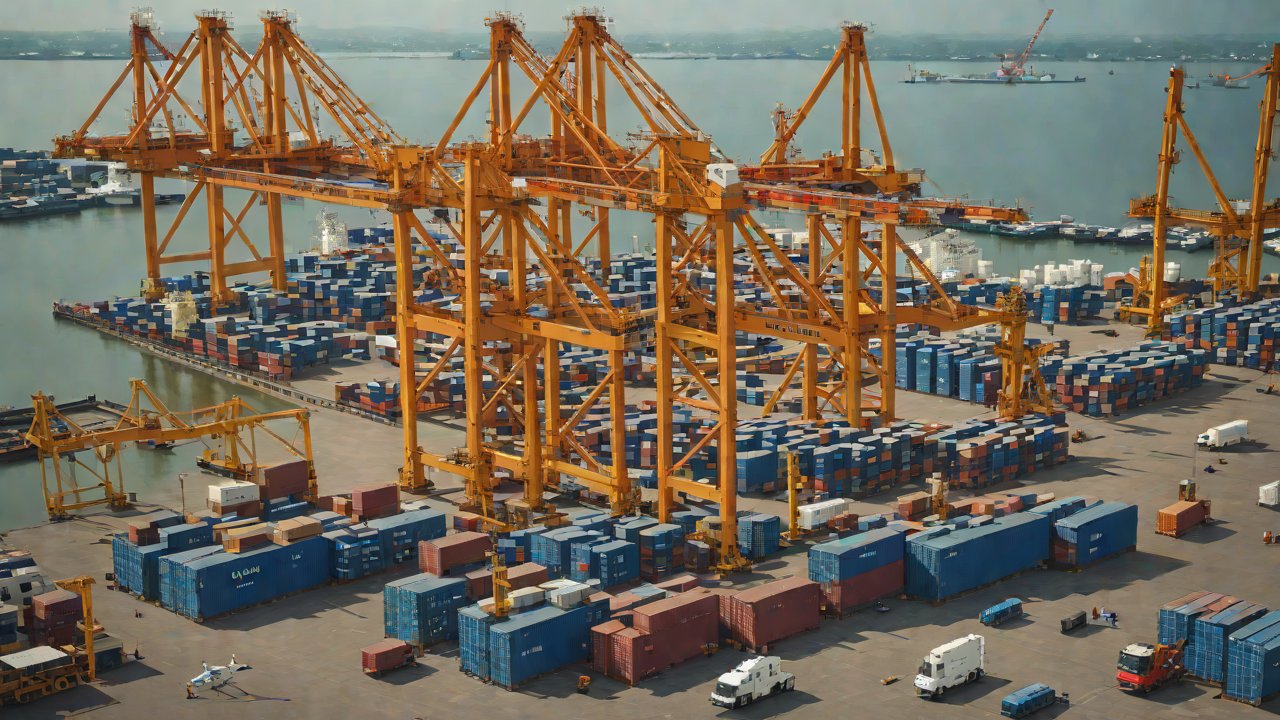
Brazilian ports are a critical component of the country’s trade infrastructure, with millions of containers passing through them each year. The efficiency and productivity of cargo transportation within these ports have a direct impact on the overall supply chain performance. Recent advancements in IoT technologies have opened up new possibilities for automating cargo transportation in Brazilian ports, enabling faster, more reliable, and cost-effective operations.
One of the most significant challenges faced by Brazilian ports is congestion and long dwell times for containers. According to a report by the Brazilian Ministry of Transport, Infrastructure and Communications (MTIC), the average container dwell time in Brazilian ports was around 12 days in 2020. This not only leads to increased storage costs but also affects the overall efficiency of the supply chain.
The adoption of IoT technologies can help mitigate these issues by enabling real-time monitoring, tracking, and automation of cargo transportation processes. Some of the key benefits of IoT-based automated cargo transportation include:
- Increased productivity and reduced dwell times
- Improved visibility and traceability of containers
- Enhanced safety and security measures
- Reduced costs associated with manual labor and storage
In this report, we will explore five leading IoT technologies that are poised to revolutionize automated cargo transportation in Brazilian ports.
1. Automated Guided Vehicles (AGVs)
AGVs are self-navigating vehicles that use sensors and GPS technology to move goods around a facility or port. They can be programmed to follow predetermined routes and avoid obstacles, making them an ideal solution for automated cargo transportation.
Table: Key Features of AGVs
| Feature | Description |
|---|---|
| Navigation System | Uses GPS, sensors, and cameras to navigate through the facility or port |
| Route Planning | Can be programmed to follow predetermined routes or adapt to changing conditions |
| Safety Features | Equipped with emergency stop systems and collision avoidance technology |
AGV manufacturers such as Kuka and Dematic are already working with Brazilian ports to implement AGV-based solutions.
2. Radio Frequency Identification (RFID) Technology
RFID is a wireless communication technology that uses radio waves to identify and track items. It can be used in conjunction with AGVs or other IoT devices to enable real-time tracking of containers and goods.
Table: Benefits of RFID Technology
| Benefit | Description |
|---|---|
| Real-Time Tracking | Enables accurate and up-to-date information on container location and status |
| Improved Accuracy | Reduces errors associated with manual data entry and tracking |
| Enhanced Security | Provides an additional layer of security against theft or loss |

RFID technology is already being used in several Brazilian ports, including the Port of Santos.
3. Internet of Things (IoT) Sensors
IoT sensors are small, low-cost devices that can be attached to containers or other objects to monitor their status and location. They can provide real-time data on temperature, humidity, vibrations, and other factors that may affect cargo safety and security.
Table: Types of IoT Sensors
| Type | Description |
|---|---|
| Temperature Sensors | Monitor temperature levels to prevent damage from extreme temperatures |
| Humidity Sensors | Detect changes in humidity levels that could impact cargo integrity |
| Vibration Sensors | Measure vibrations that may indicate potential issues with container integrity |
Several companies, including Siemens and GE, are developing IoT sensor solutions for the logistics industry.
4. Artificial Intelligence (AI) and Machine Learning (ML)
AI and ML algorithms can be used to analyze data from various sources, including IoT sensors, RFID tags, and other devices, to predict potential issues with cargo transportation. They can also help optimize routes and schedules to minimize dwell times and reduce costs.
Table: Applications of AI and ML in Cargo Transportation
| Application | Description |
|---|---|
| Predictive Maintenance | Uses machine learning algorithms to identify potential maintenance needs before they occur |
| Route Optimization | Analyzes data from various sources to determine the most efficient routes for cargo transportation |
| Inventory Management | Helps optimize inventory levels and reduce storage costs |
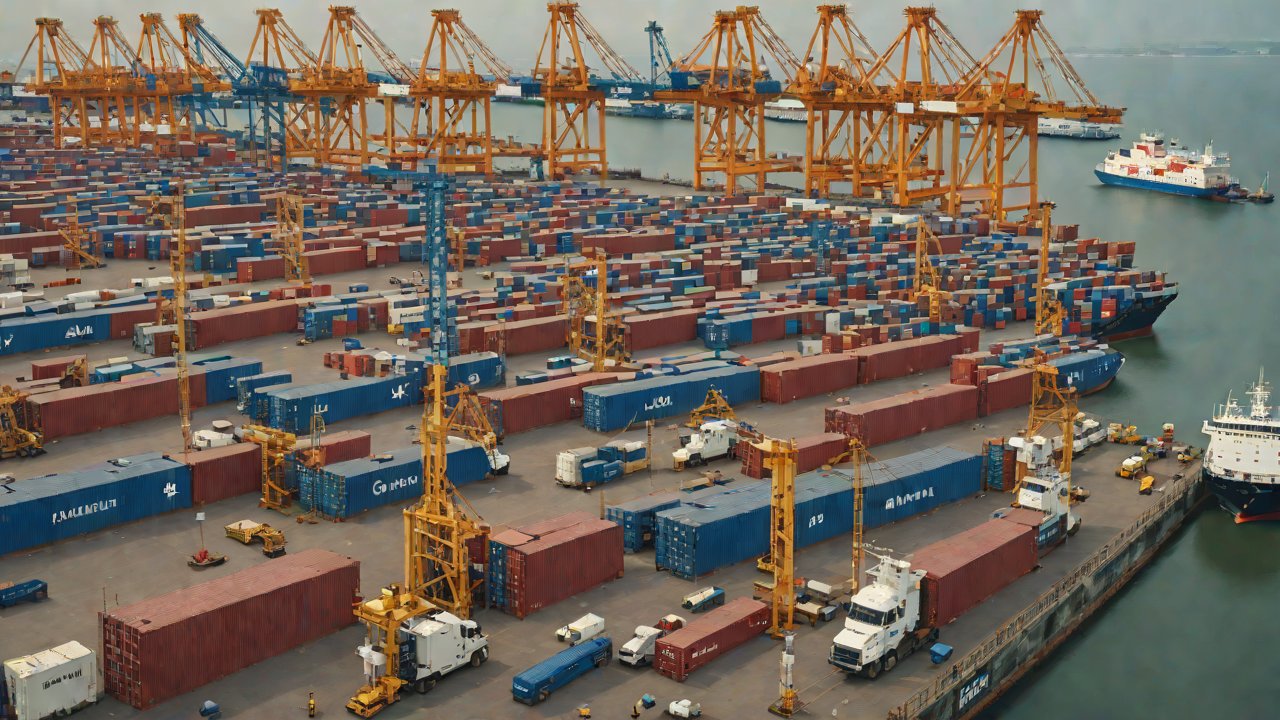
Several companies, including IBM and Microsoft, are working with Brazilian ports to implement AI and ML-based solutions.
5. Blockchain Technology
Blockchain technology can be used to create a secure and transparent record of all transactions related to cargo transportation. It can help prevent tampering or manipulation of data and ensure that all parties have access to the same information.
Table: Benefits of Blockchain Technology in Cargo Transportation
| Benefit | Description |
|---|---|
| Security | Provides an additional layer of security against tampering or manipulation of data |
| Transparency | Ensures that all parties have access to the same information and can track transactions in real-time |
| Efficiency | Reduces administrative costs and simplifies processes by automating data management |
Several companies, including Maersk and IBM, are exploring the use of blockchain technology in cargo transportation.
In conclusion, the adoption of IoT technologies has the potential to revolutionize automated cargo transportation in Brazilian ports. By leveraging AGVs, RFID technology, IoT sensors, AI and ML algorithms, and blockchain technology, ports can improve productivity, reduce costs, and enhance safety and security measures. As the logistics industry continues to evolve, it is likely that these technologies will play an increasingly important role in shaping the future of cargo transportation.
IOT Cloud Platform
IOT Cloud Platform is an IoT portal established by a Chinese IoT company, focusing on technical solutions in the fields of agricultural IoT, industrial IoT, medical IoT, security IoT, military IoT, meteorological IoT, consumer IoT, automotive IoT, commercial IoT, infrastructure IoT, smart warehousing and logistics, smart home, smart city, smart healthcare, smart lighting, etc.
The IoT Cloud Platform blog is a top IoT technology stack, providing technical knowledge on IoT, robotics, artificial intelligence (generative artificial intelligence AIGC), edge computing, AR/VR, cloud computing, quantum computing, blockchain, smart surveillance cameras, drones, RFID tags, gateways, GPS, 3D printing, 4D printing, autonomous driving, etc.
Note: This article was professionally generated with the assistance of AIGC and has been fact-checked and manually corrected by IoT expert editor IoTCloudPlatForm.