5 Most Widely Used IoT Technologies in Brazilian Soybean Cultivation
Brazil is one of the world’s largest producers of soybeans, accounting for over 40% of global production. The country’s favorable climate and vast agricultural land make it an ideal location for soybean cultivation. However, with increasing concerns about crop yields, soil health, and water conservation, Brazilian farmers are turning to Internet of Things (IoT) technologies to optimize their farming practices.
The adoption of IoT in Brazilian agriculture has been rapid, driven by the need for increased efficiency and productivity. Farmers are now using a range of IoT technologies to monitor and manage their soybean crops, from soil moisture levels to crop health and yield prediction. This report will examine the five most widely used IoT technologies in Brazilian soybean cultivation.
1. Precision Agriculture (PA) Systems
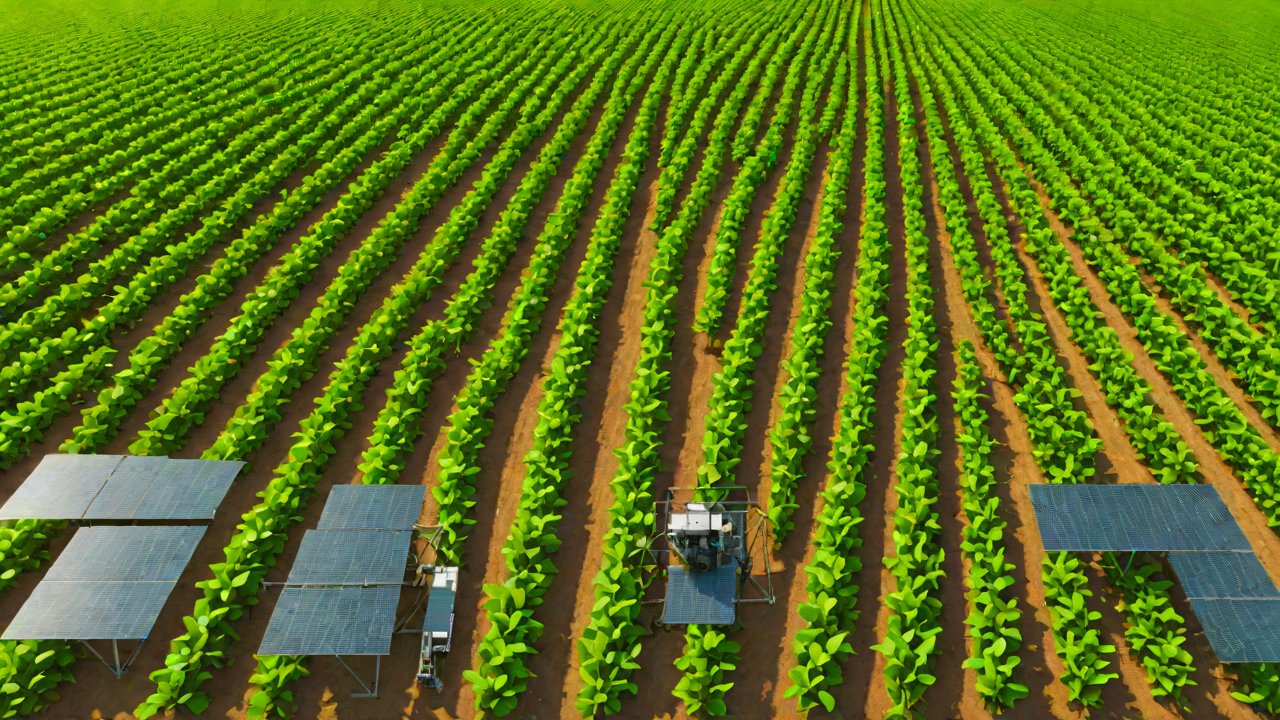
Precision agriculture systems use sensors, GPS, and satellite imaging to provide real-time data on crop growth, soil conditions, and weather patterns. These systems enable farmers to make informed decisions about irrigation, fertilization, and pest control, reducing waste and improving yields.
-
Key Features:
- Real-time monitoring of soil moisture, temperature, and pH levels
- Crop health and yield prediction using satellite imaging and machine learning algorithms
- Automated decision-making for irrigation, fertilization, and pest control
-
Market Data: The global precision agriculture market is expected to reach $12.5 billion by 2028, growing at a CAGR of 13.4% from 2020 to 2028 (Source: MarketsandMarkets). In Brazil, the PA market is expected to grow significantly due to government initiatives and increasing adoption among farmers.
2. Drones with Multispectral Cameras
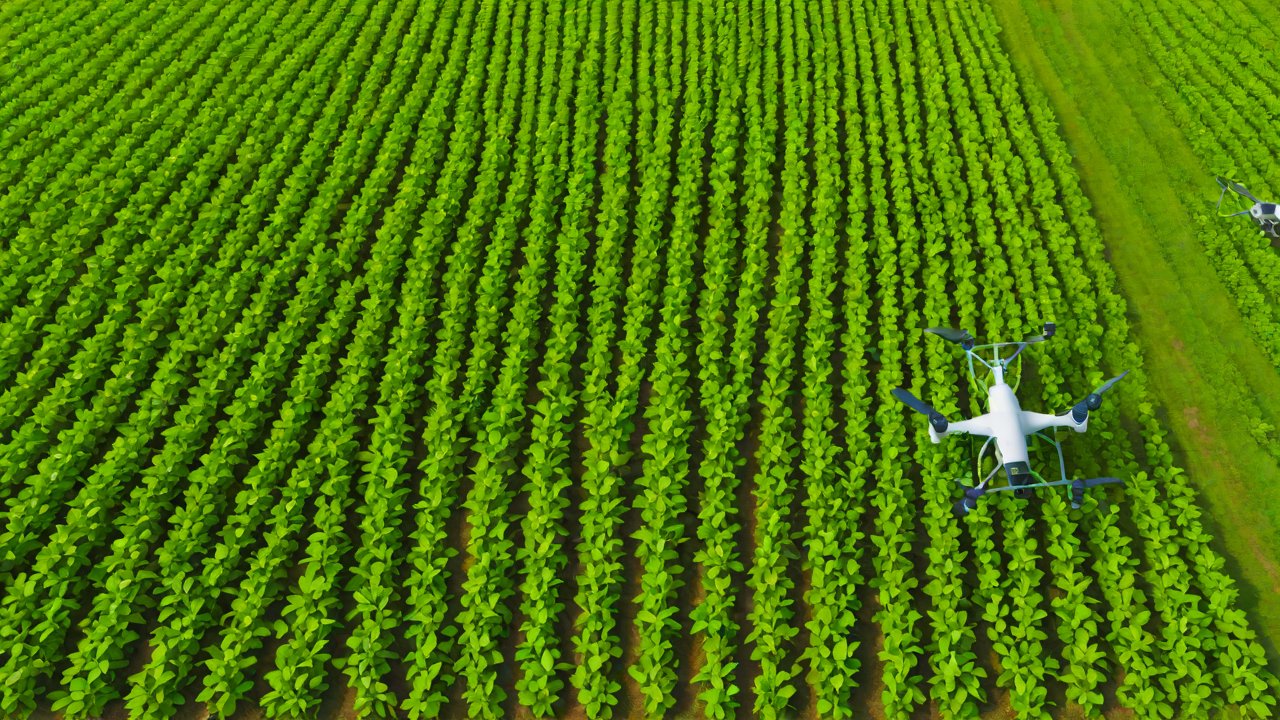
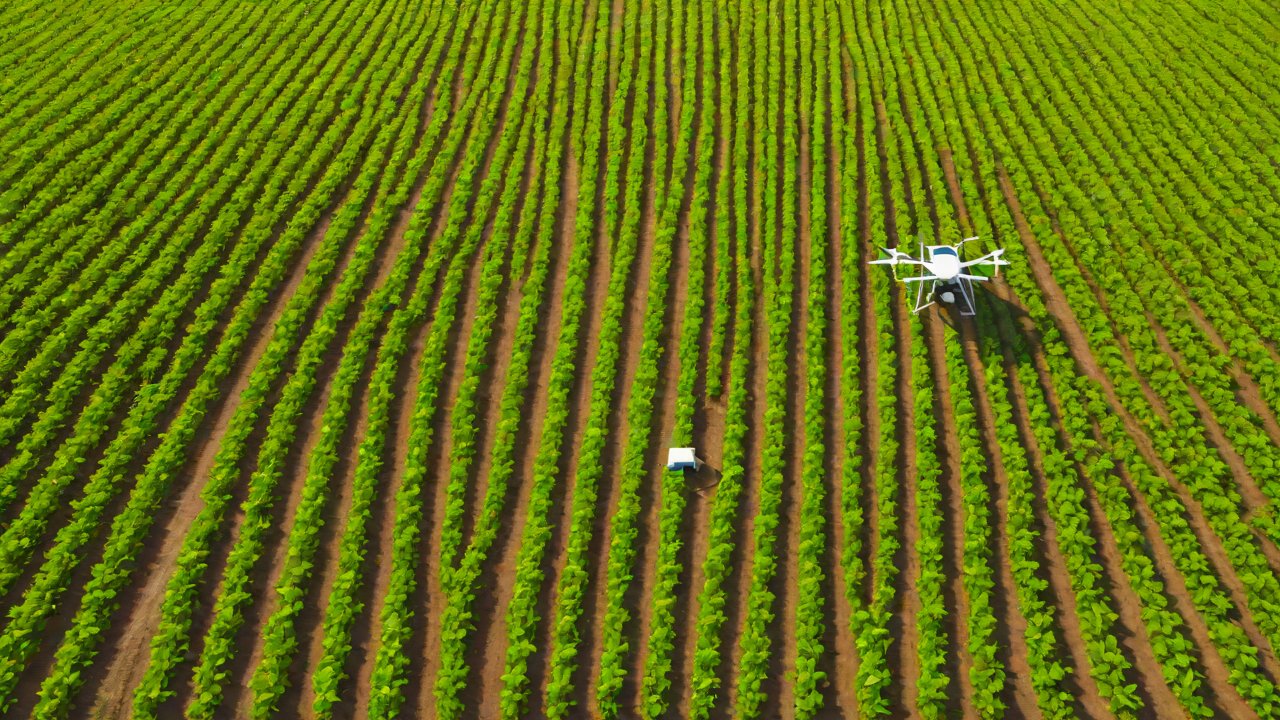
Drones equipped with multispectral cameras are being used extensively in Brazilian soybean cultivation for crop monitoring and health assessment. These drones capture high-resolution images of crops, which are then analyzed using machine learning algorithms to detect early signs of stress or disease.
-
Key Features:
- High-resolution imaging of crops using multispectral cameras
- Real-time analysis of images using machine learning algorithms for crop health assessment
- Detection of early signs of stress or disease, enabling targeted interventions
-
Market Data: The global drone market is expected to reach $43.6 billion by 2028, growing at a CAGR of 22.3% from 2020 to 2028 (Source: MarketsandMarkets). In Brazil, the use of drones in agriculture is gaining traction due to their ability to reduce costs and improve crop yields.
3. Soil Moisture Sensors
Soil moisture sensors are being used by Brazilian farmers to monitor soil moisture levels in real-time. These sensors provide critical data on soil water content, enabling farmers to optimize irrigation schedules and reduce water waste.
-
Key Features:
- Real-time monitoring of soil moisture levels using wireless sensor networks
- Automated decision-making for irrigation scheduling based on soil moisture data
- Reduced water waste and improved crop yields due to optimized irrigation
-
Market Data: The global soil moisture sensors market is expected to reach $1.2 billion by 2028, growing at a CAGR of 15.6% from 2020 to 2028 (Source: MarketsandMarkets). In Brazil, the adoption of soil moisture sensors is driven by government initiatives and increasing awareness among farmers about the importance of water conservation.
4. Weather Stations with IoT Connectivity
Weather stations equipped with IoT connectivity are being used in Brazilian soybean cultivation for real-time weather monitoring. These stations provide critical data on temperature, humidity, wind speed, and other weather parameters, enabling farmers to make informed decisions about crop management.
-
Key Features:
- Real-time monitoring of weather parameters using wireless sensor networks
- Automated decision-making for crop management based on weather data
- Improved crop yields due to optimized crop management practices
-
Market Data: The global weather station market is expected to reach $3.6 billion by 2028, growing at a CAGR of 12.1% from 2020 to 2028 (Source: MarketsandMarkets). In Brazil, the adoption of IoT-enabled weather stations is driven by government initiatives and increasing awareness among farmers about the importance of accurate weather forecasting.
5. Crop Monitoring Software
Crop monitoring software is being used by Brazilian farmers to analyze data from various sources, including satellite imaging, drones, and soil moisture sensors. These software platforms provide critical insights into crop growth, yield prediction, and disease detection, enabling farmers to make informed decisions about crop management.
-
Key Features:
- Real-time analysis of data from multiple sources using machine learning algorithms
- Crop growth modeling and yield prediction for optimized crop management
- Early detection of diseases and pests, enabling targeted interventions
-
Market Data: The global agriculture software market is expected to reach $13.4 billion by 2028, growing at a CAGR of 14.5% from 2020 to 2028 (Source: MarketsandMarkets). In Brazil, the adoption of crop monitoring software is driven by government initiatives and increasing awareness among farmers about the importance of data-driven decision-making.
In conclusion, the adoption of IoT technologies in Brazilian soybean cultivation has been rapid due to their ability to improve crop yields, reduce waste, and optimize resource usage. The five most widely used IoT technologies in Brazilian soybean cultivation are precision agriculture systems, drones with multispectral cameras, soil moisture sensors, weather stations with IoT connectivity, and crop monitoring software. These technologies have the potential to transform the agricultural sector in Brazil, enabling farmers to make informed decisions about crop management and improving their bottom line.
IOT Cloud Platform
IOT Cloud Platform is an IoT portal established by a Chinese IoT company, focusing on technical solutions in the fields of agricultural IoT, industrial IoT, medical IoT, security IoT, military IoT, meteorological IoT, consumer IoT, automotive IoT, commercial IoT, infrastructure IoT, smart warehousing and logistics, smart home, smart city, smart healthcare, smart lighting, etc.
The IoT Cloud Platform blog is a top IoT technology stack, providing technical knowledge on IoT, robotics, artificial intelligence (generative artificial intelligence AIGC), edge computing, AR/VR, cloud computing, quantum computing, blockchain, smart surveillance cameras, drones, RFID tags, gateways, GPS, 3D printing, 4D printing, autonomous driving, etc.
Note: This article was professionally generated with the assistance of AIGC and has been fact-checked and manually corrected by IoT expert editor IoTCloudPlatForm.