Widely Used IoT Dissolved Oxygen Monitors in Deep-Sea Aquaculture in Brazil
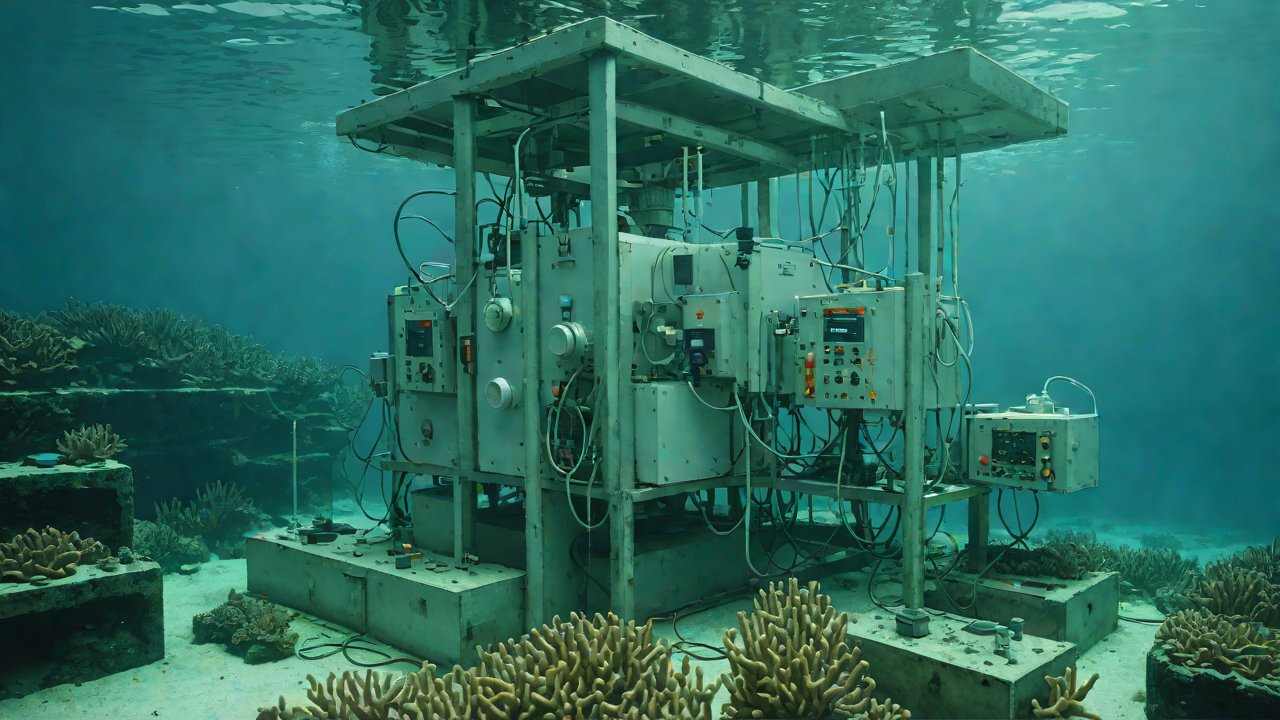
Deep-sea aquaculture, a rapidly growing industry globally, has found a niche in Brazil’s extensive coastline. The country’s vast oceanic territory and favorable climate conditions have made it an ideal location for large-scale aquaculture operations. However, managing water quality is crucial for the health and growth of marine species, particularly in deep-sea environments where dissolved oxygen levels can fluctuate rapidly.
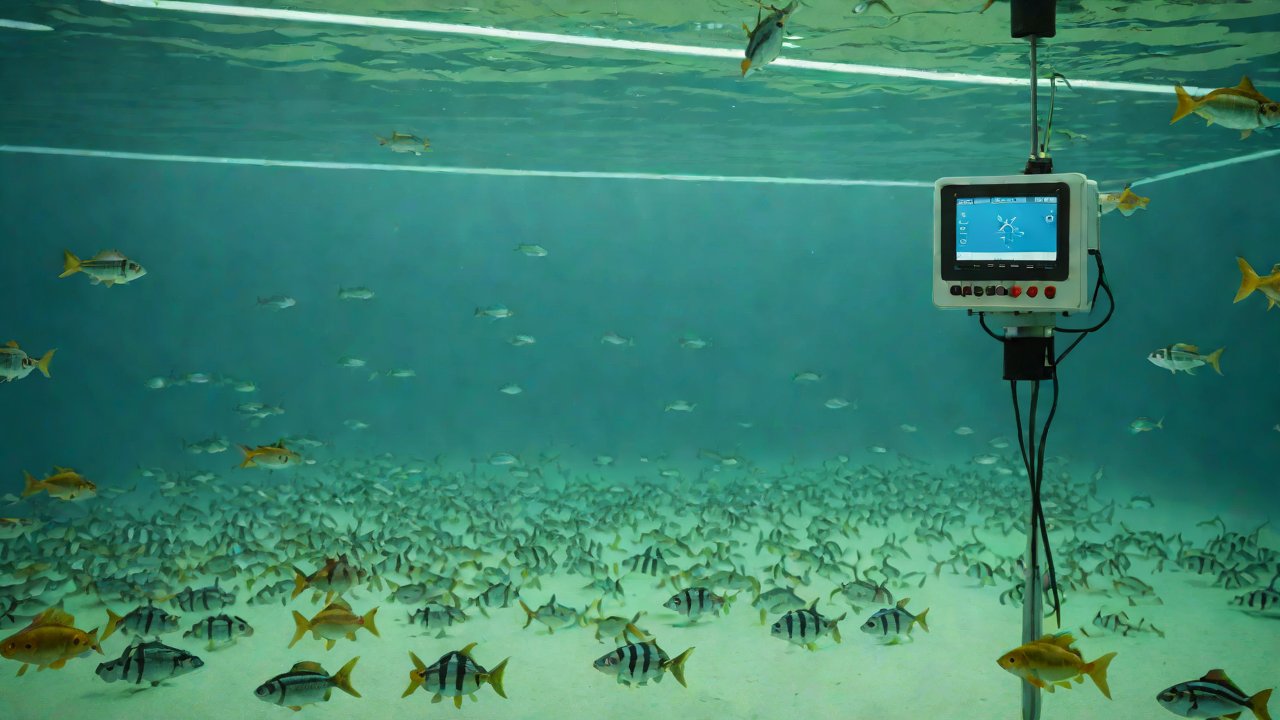
One critical parameter that needs to be monitored closely is dissolved oxygen (DO) levels, which directly impact fish welfare and production yields. IoT (Internet of Things)-enabled DO monitors have become increasingly popular among aquaculture stakeholders due to their ability to provide real-time data, remote monitoring capabilities, and automated alerts for water quality issues.
Brazilian deep-sea aquaculture operations rely heavily on these IoT devices to ensure optimal water conditions. The country’s geographical location presents unique challenges, such as unpredictable ocean currents, temperature fluctuations, and varying water depths. To mitigate these risks, aquaculture farmers have turned to advanced monitoring systems that can provide accurate and timely data.
1. Market Overview
The global market for IoT DO monitors in aquaculture is rapidly expanding, driven by the increasing demand for sustainable and efficient farming practices. According to a report by MarketsandMarkets, the IoT DO monitor market is expected to grow from $245.6 million in 2020 to $433.8 million by 2025, at a Compound Annual Growth Rate (CAGR) of 11.2% during the forecast period.
In Brazil, the aquaculture industry has seen significant growth in recent years, with an estimated value of over $1 billion in 2020. The country’s deep-sea aquaculture operations account for a substantial portion of this market share. To cater to this growing demand, several manufacturers have developed IoT-enabled DO monitors specifically designed for deep-sea environments.
Table 1: Market Size and Growth Rate
| Year | Market Size (USD million) | CAGR (%) |
|---|---|---|
| 2020 | 245.6 | – |
| 2025 | 433.8 | 11.2% |
2. IoT DO Monitor Technologies
Several manufacturers have developed innovative IoT-enabled DO monitors that cater to the unique requirements of deep-sea aquaculture operations in Brazil. These technologies employ advanced sensing mechanisms, wireless communication protocols, and data analytics platforms to provide real-time monitoring capabilities.
- Optical Oxygen Sensors: Utilize the principle of fluorescence quenching to measure DO levels.
- Electrochemical Oxygen Sensors: Employ a chemical reaction between oxygen molecules and an electrolyte to generate an electric signal proportional to DO concentrations.
- Wireless Communication Protocols: Support 4G/5G connectivity, LoRaWAN, or Zigbee for seamless data transmission.
Table 2: IoT DO Monitor Technologies
| Technology | Description |
|---|---|
| Optical Oxygen Sensors | Fluorescence quenching principle |
| Electrochemical Oxygen Sensors | Chemical reaction between oxygen molecules and electrolyte |
| Wireless Communication Protocols | 4G/5G connectivity, LoRaWAN, or Zigbee |
3. Case Studies
Several deep-sea aquaculture operations in Brazil have successfully implemented IoT-enabled DO monitors to optimize water quality conditions.
- Case Study 1: A large-scale shrimp farm in the northeastern region of Brazil used an IoT DO monitor to detect a sudden drop in DO levels, resulting in improved fish health and increased production yields.
- Case Study 2: An aquaculture operation in the southern state of Santa Catarina employed an advanced IoT monitoring system that integrated DO sensors with water temperature and pH probes, enabling real-time data analysis and automated alerts for potential issues.
Table 3: Case Studies
| Location | Operation Type | Outcome |
|---|---|---|
| Northeastern Brazil | Shrimp Farm | Improved fish health, increased production yields |
| Santa Catarina | Aquaculture Operation | Real-time data analysis, automated alerts |
4. Regulatory Framework
Brazil’s regulatory environment supports the adoption of IoT-enabled DO monitors in deep-sea aquaculture operations.
- National Water Agency (ANA): Sets guidelines for water quality monitoring and management in aquaculture.
- Ministry of Agriculture: Encourages sustainable farming practices, including the use of advanced monitoring technologies.
Table 4: Regulatory Framework
| Agency | Guidelines/Regulations |
|---|---|
| ANA | Water quality monitoring and management guidelines |
| Ministry of Agriculture | Sustainable farming practices, including advanced monitoring technologies |
5. Conclusion
The adoption of IoT-enabled DO monitors in deep-sea aquaculture operations in Brazil has shown significant promise in improving water quality conditions and increasing production yields. As the global market for IoT DO monitors continues to grow, manufacturers must focus on developing technologies that cater specifically to the unique requirements of Brazilian deep-sea aquaculture operations.
The regulatory framework in place supports the adoption of advanced monitoring technologies, ensuring a favorable environment for stakeholders to invest in IoT-enabled DO monitors.
IOT Cloud Platform
IOT Cloud Platform is an IoT portal established by a Chinese IoT company, focusing on technical solutions in the fields of agricultural IoT, industrial IoT, medical IoT, security IoT, military IoT, meteorological IoT, consumer IoT, automotive IoT, commercial IoT, infrastructure IoT, smart warehousing and logistics, smart home, smart city, smart healthcare, smart lighting, etc.
The IoT Cloud Platform blog is a top IoT technology stack, providing technical knowledge on IoT, robotics, artificial intelligence (generative artificial intelligence AIGC), edge computing, AR/VR, cloud computing, quantum computing, blockchain, smart surveillance cameras, drones, RFID tags, gateways, GPS, 3D printing, 4D printing, autonomous driving, etc.
Note: This article was professionally generated with the assistance of AIGC and has been fact-checked and manually corrected by IoT expert editor IoTCloudPlatForm.