Three Ways for Brazilian Manufacturing Enterprises to Achieve PLC-Cloud IoT Communication
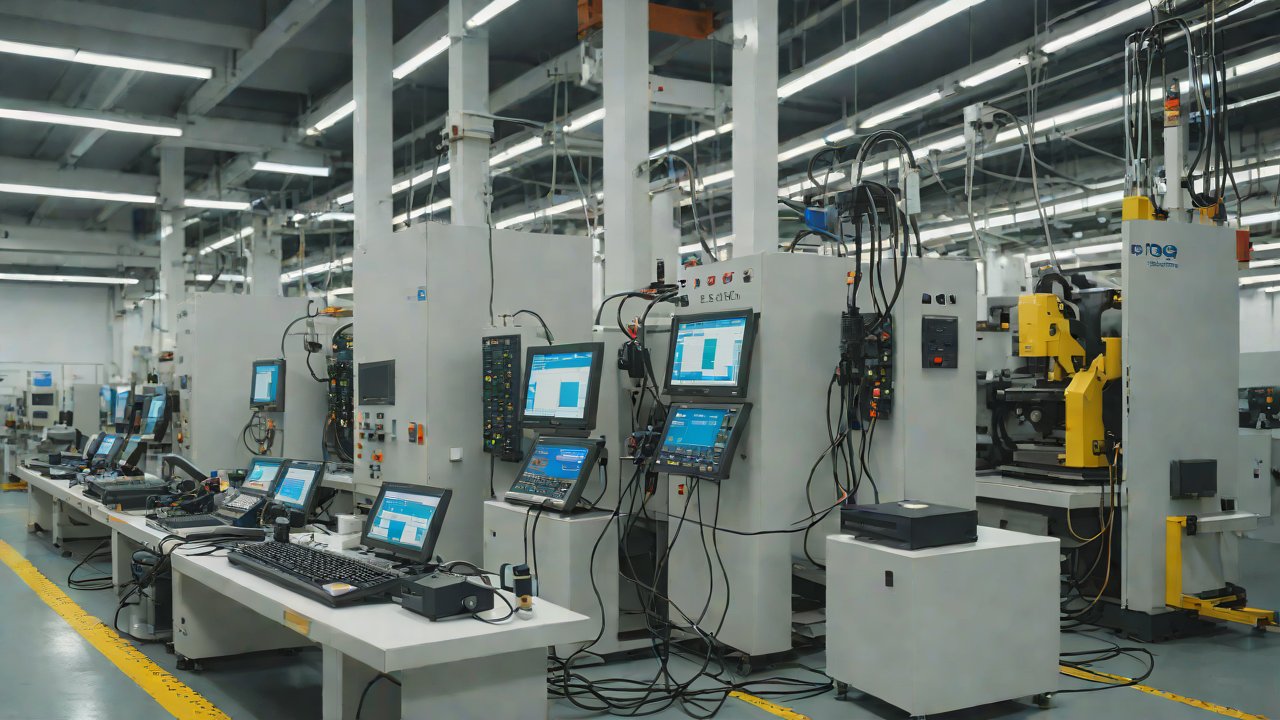
Brazilian manufacturing enterprises are increasingly adopting industrial automation technologies, such as Programmable Logic Controllers (PLCs) and cloud-based Internet of Things (IoT) platforms, to enhance efficiency, productivity, and competitiveness in the global market. The integration of PLCs with cloud IoT platforms enables real-time monitoring, control, and analytics, leading to improved decision-making and reduced operational costs.
However, achieving seamless communication between PLCs and cloud IoT platforms poses significant technical challenges for Brazilian manufacturing enterprises due to factors such as network infrastructure limitations, data security concerns, and interoperability issues. Addressing these challenges requires a deep understanding of the technical and business aspects involved in PLC-cloud IoT communication.
1. Leveraging Edge Computing for Real-Time Data Processing
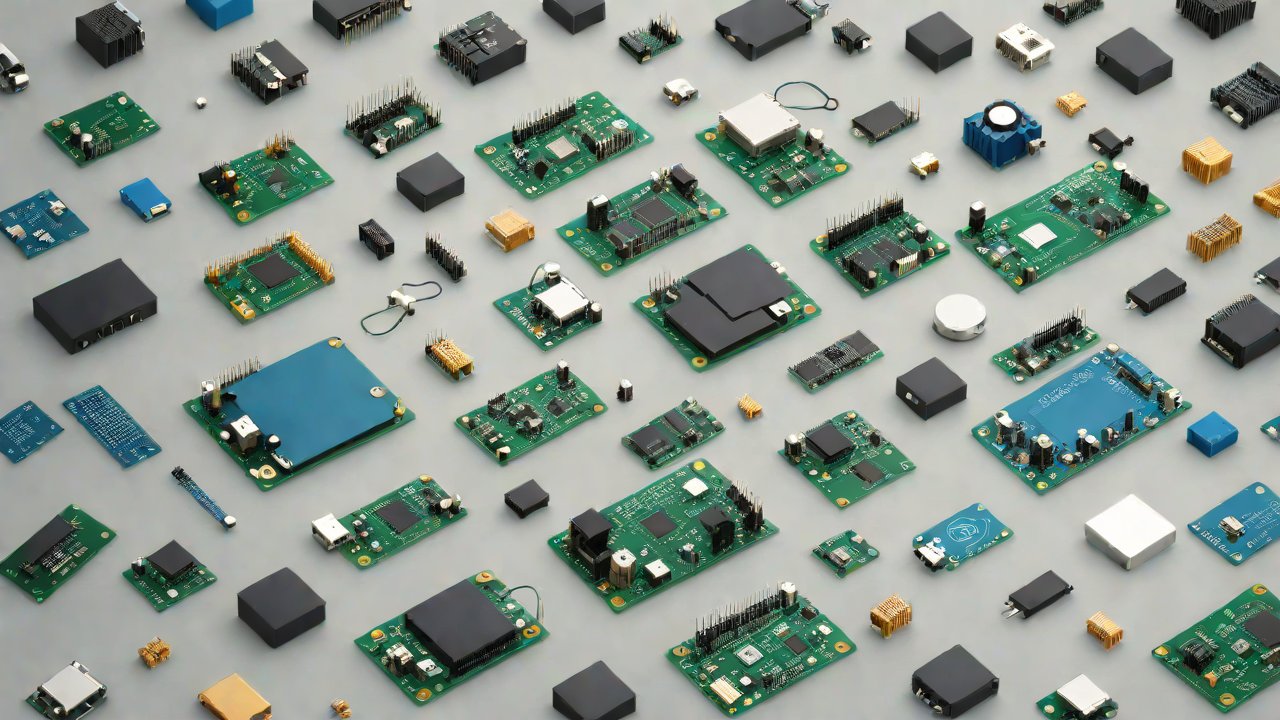
Edge computing is an emerging technology that enables data processing at the edge of the network, closer to the source of the data, reducing latency and improving real-time decision-making capabilities. Brazilian manufacturing enterprises can leverage edge computing to enhance PLC-cloud IoT communication by deploying edge devices such as gateways or routers that facilitate real-time data processing and analytics.
Table 1: Edge Computing Advantages
| Feature | Description |
|---|---|
| Reduced Latency | Real-time data processing enables faster decision-making |
| Improved Security | Data processed locally reduces exposure to network threats |
| Enhanced Scalability | Flexible deployment options accommodate varying industrial requirements |
By utilizing edge computing, Brazilian manufacturing enterprises can overcome the limitations of traditional cloud-based solutions and achieve faster communication between PLCs and IoT platforms.

2. Implementing Standardized Communication Protocols for Interoperability
Standardized communication protocols are essential for ensuring seamless interoperability between different devices and systems in a manufacturing enterprise’s network. Brazilian manufacturing enterprises can implement standardized communication protocols such as EtherCAT, Profinet, or Modbus to facilitate PLC-cloud IoT communication.
Table 2: Standardized Communication Protocols Comparison
| Protocol | Description | Advantages |
|---|---|---|
| EtherCAT | High-speed Ethernet-based protocol for real-time data exchange | Fast data transfer rates and low latency |
| Profinet | Industrial Ethernet protocol for device-to-device communication | Scalable architecture and improved security |
| Modbus | Master-slave protocol for simple devices to interact with PLCs | Wide adoption and ease of implementation |

Standardized communication protocols enable Brazilian manufacturing enterprises to integrate different systems, devices, and IoT platforms seamlessly, reducing the complexity and costs associated with PLC-cloud IoT communication.
3. Ensuring Data Security through Secure Communication Channels
Data security is a critical concern for Brazilian manufacturing enterprises when implementing PLC-cloud IoT communication. Unauthorized access to sensitive data can compromise industrial operations, intellectual property, and customer confidentiality. To mitigate these risks, enterprises should ensure secure communication channels between PLCs and cloud IoT platforms.
Table 3: Secure Communication Channel Features
| Feature | Description |
|---|---|
| Encryption | Protects data from unauthorized access using cryptographic techniques |
| Authentication | Verifies the identity of devices and users accessing the network |
| Access Control | Regulates user permissions and privileges for secure data exchange |
By implementing secure communication channels, Brazilian manufacturing enterprises can safeguard their industrial operations and data against cyber threats, ensuring uninterrupted production and maintaining a competitive edge in the market.
The adoption of PLC-cloud IoT communication by Brazilian manufacturing enterprises requires careful consideration of technical, business, and regulatory aspects. By leveraging edge computing, implementing standardized communication protocols, and ensuring secure communication channels, these enterprises can overcome the challenges associated with PLC-cloud IoT communication and achieve improved efficiency, productivity, and competitiveness.
IOT Cloud Platform
IOT Cloud Platform is an IoT portal established by a Chinese IoT company, focusing on technical solutions in the fields of agricultural IoT, industrial IoT, medical IoT, security IoT, military IoT, meteorological IoT, consumer IoT, automotive IoT, commercial IoT, infrastructure IoT, smart warehousing and logistics, smart home, smart city, smart healthcare, smart lighting, etc.
The IoT Cloud Platform blog is a top IoT technology stack, providing technical knowledge on IoT, robotics, artificial intelligence (generative artificial intelligence AIGC), edge computing, AR/VR, cloud computing, quantum computing, blockchain, smart surveillance cameras, drones, RFID tags, gateways, GPS, 3D printing, 4D printing, autonomous driving, etc.
Note: This article was professionally generated with the assistance of AIGC and has been fact-checked and manually corrected by IoT expert editor IoTCloudPlatForm.