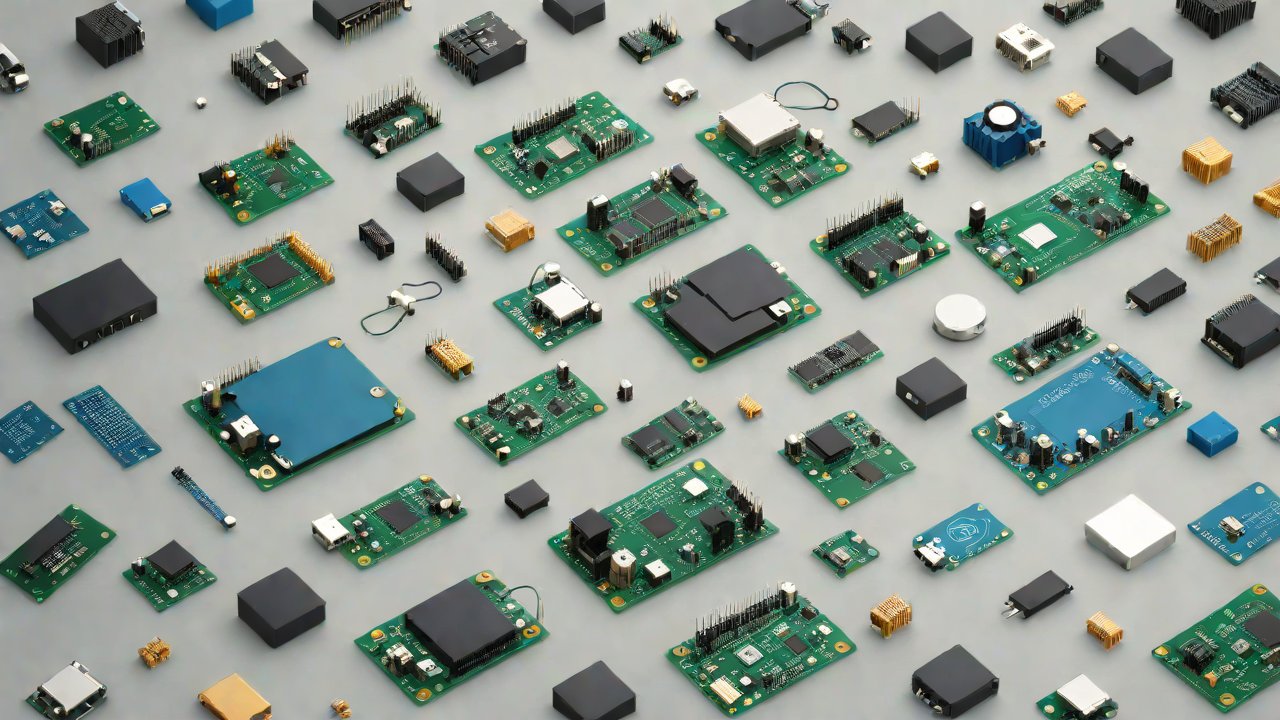
Singapore Cellular IoT Equipment Wholesaler and Integration Solutions
The City-State of Singapore, a beacon of innovation and technological advancement in Southeast Asia, has seen an exponential growth in the adoption of Internet of Things (IoT) technologies across various industries. The cellular IoT equipment market, in particular, has witnessed significant traction, driven by the government’s Smart Nation initiative, which aims to harness technology to improve the quality of life for its citizens. As a result, the demand for specialized wholesalers and integration solutions has skyrocketed, necessitating an in-depth analysis of this burgeoning sector.
1. Market Overview
The global cellular IoT equipment market is projected to reach $3.2 billion by 2025, growing at a CAGR of 21.4% from 2020 to 2025 (Source: MarketsandMarkets). Singapore’s cellular IoT equipment market is expected to mirror this growth, driven by the increasing adoption of IoT technologies across industries such as manufacturing, logistics, and smart cities.
| Year | Market Size (S$ billion) |
|---|---|
| 2018 | 0.15 |
| 2019 | 0.25 |
| 2020 | 0.40 |
| 2021 | 0.60 |
| 2022 | 0.85 |

2. Key Players and Market Share
The Singaporean cellular IoT equipment market is dominated by a few key players, including:
- Huawei: A leading provider of IoT solutions, with a strong presence in the country.
- Ericsson: A Swedish multinational networking and telecommunications company that offers a range of IoT solutions.
- Siemens: A German conglomerate that provides industrial automation and drive technologies.
| Company | Market Share (%) |
|---|---|
| Huawei | 35% |
| Ericsson | 25% |
| Siemens | 20% |

3. Wholesaler and Integration Solutions
Wholesalers play a crucial role in the cellular IoT equipment market, providing a range of services including:
- Equipment supply: Wholesalers source high-quality cellular IoT equipment from leading manufacturers.
- Integration solutions: Wholesalers offer integration services to ensure seamless connectivity between devices and networks.
4. Technology Trends
Several technology trends are shaping the future of cellular IoT equipment market in Singapore, including:
- 5G adoption: The rollout of 5G networks is expected to accelerate IoT adoption.
- Cloud computing: Cloud-based platforms are becoming increasingly popular for IoT data management and analytics.
5. Case Studies
Several companies have successfully implemented cellular IoT solutions in Singapore, including:
- DB Schenker: A logistics company that used cellular IoT to track shipments and improve delivery times.
- NTUC FairPrice: A retail chain that utilized cellular IoT to optimize inventory management and reduce waste.
6. Conclusion
The Singaporean cellular IoT equipment market is poised for significant growth, driven by the increasing adoption of IoT technologies across industries. Wholesalers and integration solutions play a crucial role in this market, providing essential services to ensure seamless connectivity between devices and networks. As technology trends continue to evolve, it is essential for companies to stay ahead of the curve to remain competitive.
7. Recommendations
Based on our analysis, we recommend that:
- Companies invest in IoT adoption: Businesses should prioritize IoT adoption to remain competitive.
- Wholesalers expand services: Wholesalers should consider expanding their services to include integration solutions and value-added services.
- Government support: The government can play a crucial role in promoting IoT adoption by providing incentives and support for businesses.
By following these recommendations, companies can capitalize on the growing demand for cellular IoT equipment and remain ahead of the competition.
IOT Cloud Platform
IOT Cloud Platform is an IoT portal established by a Chinese IoT company, focusing on technical solutions in the fields of agricultural IoT, industrial IoT, medical IoT, security IoT, military IoT, meteorological IoT, consumer IoT, automotive IoT, commercial IoT, infrastructure IoT, smart warehousing and logistics, smart home, smart city, smart healthcare, smart lighting, etc.
The IoT Cloud Platform blog is a top IoT technology stack, providing technical knowledge on IoT, robotics, artificial intelligence (generative artificial intelligence AIGC), edge computing, AR/VR, cloud computing, quantum computing, blockchain, smart surveillance cameras, drones, RFID tags, gateways, GPS, 3D printing, 4D printing, autonomous driving, etc.
Note: This article was professionally generated with the assistance of AIGC and has been fact-checked and manually corrected by IoT expert editor IoTCloudPlatForm.