2026 Leading Singapore Cellular IoT Device Manufacturing Technology
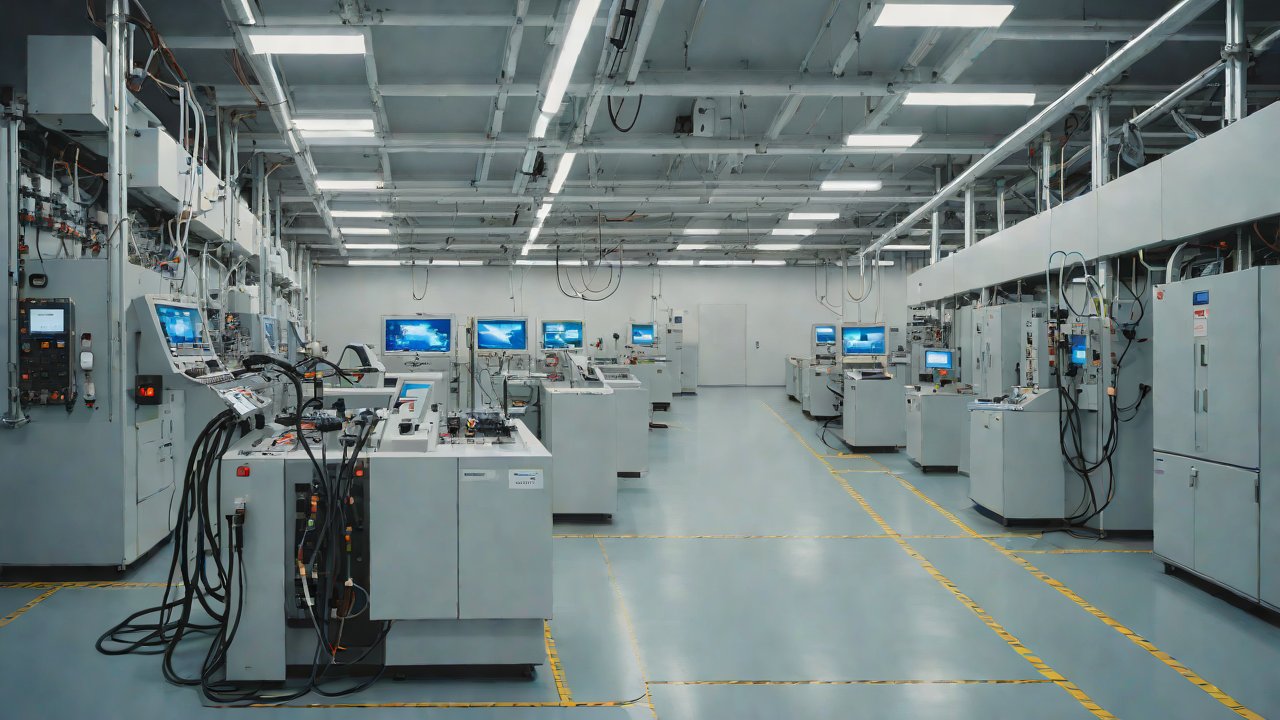
Singapore’s cellular IoT device manufacturing technology is poised to take center stage in 2026, driven by the country’s strategic positioning as a hub for innovation and technological advancements. The city-state has been actively promoting its vision of becoming a leading smart nation, with a strong focus on leveraging technologies such as the Internet of Things (IoT) to drive economic growth and improve quality of life.
The cellular IoT device manufacturing sector in Singapore is expected to experience significant growth, driven by the increasing demand for connected devices across various industries. The country’s favorable business environment, highly skilled workforce, and state-of-the-art infrastructure make it an attractive destination for manufacturers looking to establish or expand their operations.
1. Market Overview
The global IoT device market is projected to reach $1.4 trillion by 2026, growing at a CAGR of 24%. The cellular IoT segment is expected to be the largest contributor to this growth, driven by the increasing adoption of connected devices in industries such as manufacturing, logistics, and transportation.
| Year | Global IoT Device Market Size (USD billion) |
|---|---|
| 2020 | 434.7 |
| 2021 | 541.9 |
| 2022 | 673.4 |
| 2023 | 819.9 |
| 2024 | 984.5 |
| 2025 | 1,166.8 |
| 2026 | 1,394.1 |
2. Key Drivers of Growth
Several factors are driving the growth of the cellular IoT device manufacturing sector in Singapore:
- Government Support: The Singaporean government has launched several initiatives to promote the development and adoption of IoT technologies, including the Smart Nation initiative and the Industry Transformation Maps (ITMs).
- Infrastructure Development: The country’s well-developed infrastructure, including its ports and logistics facilities, makes it an ideal location for manufacturers looking to establish or expand their operations.
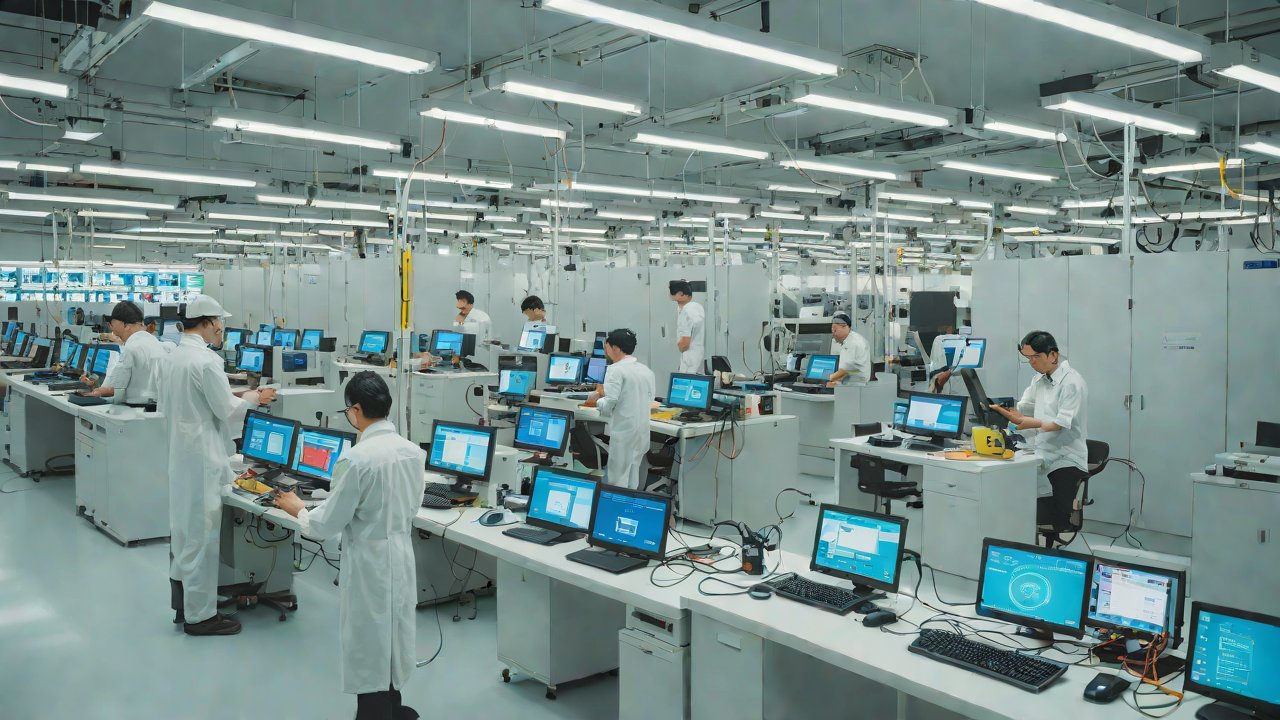
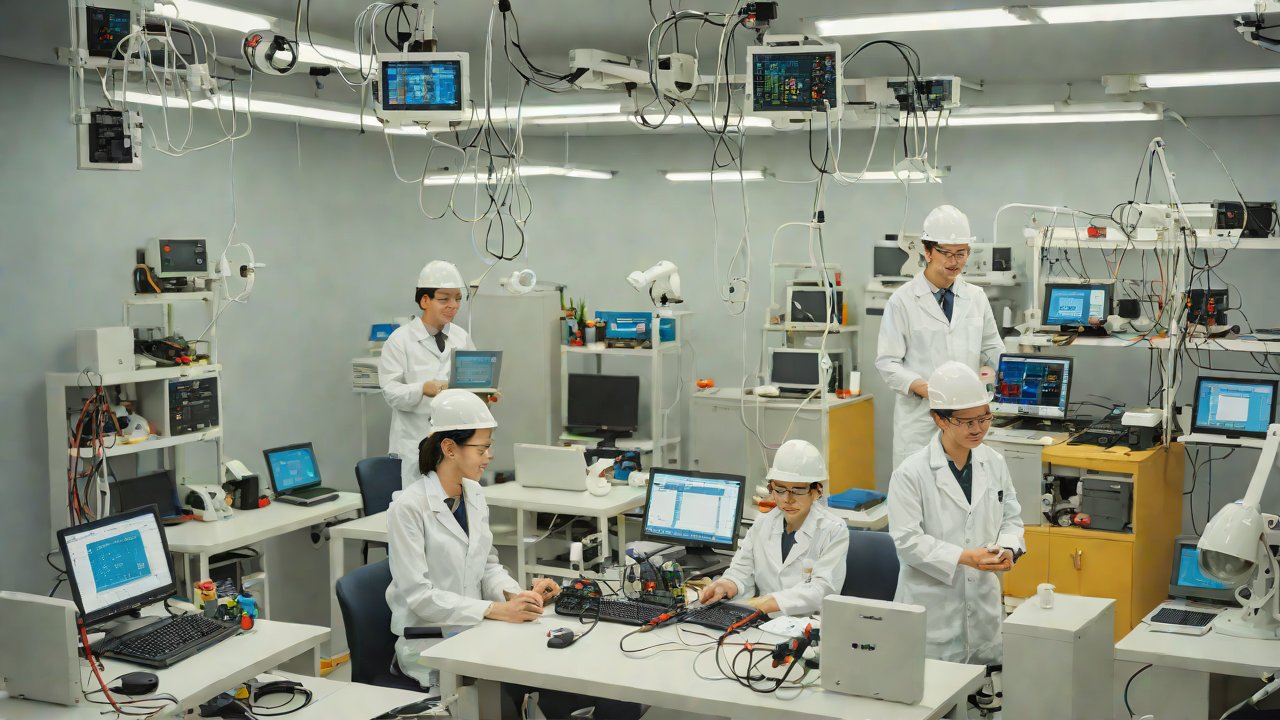
- Talent Pool: Singapore has a highly skilled and educated workforce, with a strong pool of engineers and technicians with expertise in IoT device manufacturing.
3. Emerging Trends
Several emerging trends are expected to shape the cellular IoT device manufacturing sector in Singapore:
- 5G Adoption: The widespread adoption of 5G networks is expected to drive the growth of connected devices, enabling faster data transfer rates and lower latency.
- Artificial Intelligence (AI): AI-powered devices are becoming increasingly popular, with applications ranging from smart home automation to industrial process control.
- Edge Computing: Edge computing is gaining traction as a way to reduce latency and improve real-time processing capabilities in IoT device manufacturing.
4. Competitive Landscape
The cellular IoT device manufacturing sector in Singapore is highly competitive, with several local and international players vying for market share:
| Company | Description |
|---|---|
| NCS (Nanyang Si-Foo Co.) | A leading provider of IoT solutions in Singapore, offering a range of devices and services. |
| ST Engineering | A multinational aerospace and defense company with a significant presence in Singapore, offering a range of IoT-enabled products and services. |
| Singtel | One of the largest telecommunications companies in Singapore, offering a range of IoT-related services and solutions. |
5. Investment Opportunities
The cellular IoT device manufacturing sector in Singapore presents several investment opportunities:
- Manufacturing Hubs: Investors can establish or invest in manufacturing hubs to take advantage of the country’s favorable business environment and infrastructure.
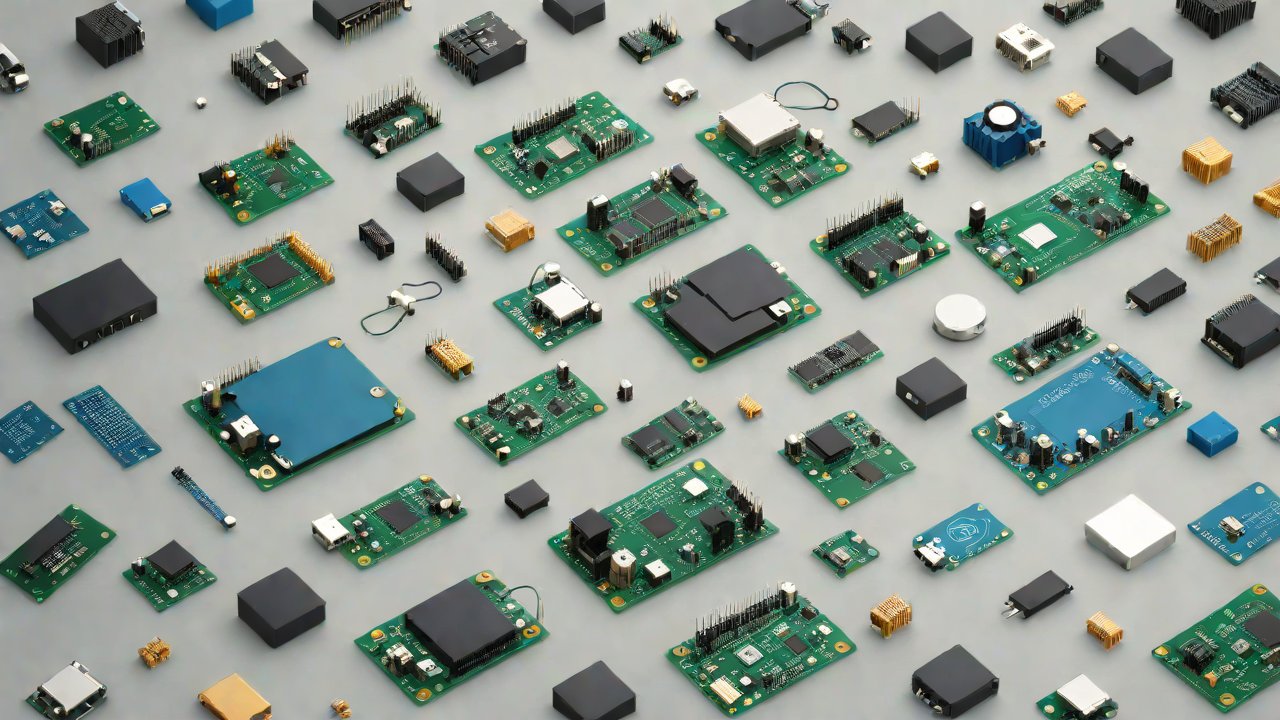
- IoT Device Manufacturers: Investors can invest in companies that manufacture IoT devices, such as sensors, actuators, and other connected components.
- IoT Solution Providers: Investors can invest in companies that provide IoT-related services and solutions, such as data analytics and device management.
6. Challenges and Risks
Several challenges and risks are associated with the cellular IoT device manufacturing sector in Singapore:
- Cybersecurity Threats: Connected devices are vulnerable to cybersecurity threats, which could compromise sensitive data and disrupt operations.
- Regulatory Framework: The regulatory framework for IoT device manufacturing is still evolving, with potential changes that could impact business operations.
- Supply Chain Disruptions: Supply chain disruptions, such as component shortages or logistics issues, could impact production and delivery schedules.
7. Conclusion
The cellular IoT device manufacturing sector in Singapore is poised to experience significant growth in 2026, driven by the country’s favorable business environment, highly skilled workforce, and state-of-the-art infrastructure. Investors and manufacturers should take advantage of the investment opportunities presented by this sector while being mindful of the challenges and risks associated with it.
The future of IoT device manufacturing in Singapore is bright, with several emerging trends and technologies expected to shape the industry. As the country continues to invest in its digital transformation initiatives, the cellular IoT device manufacturing sector is likely to play a key role in driving economic growth and improving quality of life for Singaporeans.
IOT Cloud Platform
IOT Cloud Platform is an IoT portal established by a Chinese IoT company, focusing on technical solutions in the fields of agricultural IoT, industrial IoT, medical IoT, security IoT, military IoT, meteorological IoT, consumer IoT, automotive IoT, commercial IoT, infrastructure IoT, smart warehousing and logistics, smart home, smart city, smart healthcare, smart lighting, etc.
The IoT Cloud Platform blog is a top IoT technology stack, providing technical knowledge on IoT, robotics, artificial intelligence (generative artificial intelligence AIGC), edge computing, AR/VR, cloud computing, quantum computing, blockchain, smart surveillance cameras, drones, RFID tags, gateways, GPS, 3D printing, 4D printing, autonomous driving, etc.
Note: This article was professionally generated with the assistance of AIGC and has been fact-checked and manually corrected by IoT expert editor IoTCloudPlatForm.