Cellular IoT Real-Time Geofencing for Field Construction Equipment
The world of construction is undergoing a seismic shift, driven by the confluence of technological advancements and business imperatives. The proliferation of cellular IoT (Internet of Things) technologies has brought unprecedented opportunities for optimizing field operations, improving safety, and reducing costs. At the heart of this transformation lies real-time geofencing – the ability to define virtual boundaries that trigger specific actions when crossed or entered by construction equipment.
1. Market Landscape
The market for cellular IoT in the construction industry is rapidly expanding. According to a report by MarketsandMarkets, the global cellular IoT market size is expected to grow from $15.2 billion in 2020 to $77.6 billion by 2025, at a Compound Annual Growth Rate (CAGR) of 34.1%. Within this landscape, real-time geofencing for field construction equipment represents a key application area with significant growth potential.
| Application Area | Expected Growth Rate (%) |
|---|---|
| Real-time Geofencing | 40% CAGR from 2023 to 2030 |
| Predictive Maintenance | 35% CAGR from 2023 to 2030 |
| Inventory Management | 30% CAGR from 2023 to 2030 |
2. Technical Overview
Real-time geofencing for field construction equipment relies on a combination of cellular IoT technologies, including:
- Cellular Network: Utilizes the cellular network’s capability to provide location-based services.
- GPS/GNSS Technology: Enables precise location tracking and positioning.
- Sensor Data: Integrates sensor data from various sources (e.g., temperature, vibration) for enhanced situational awareness.
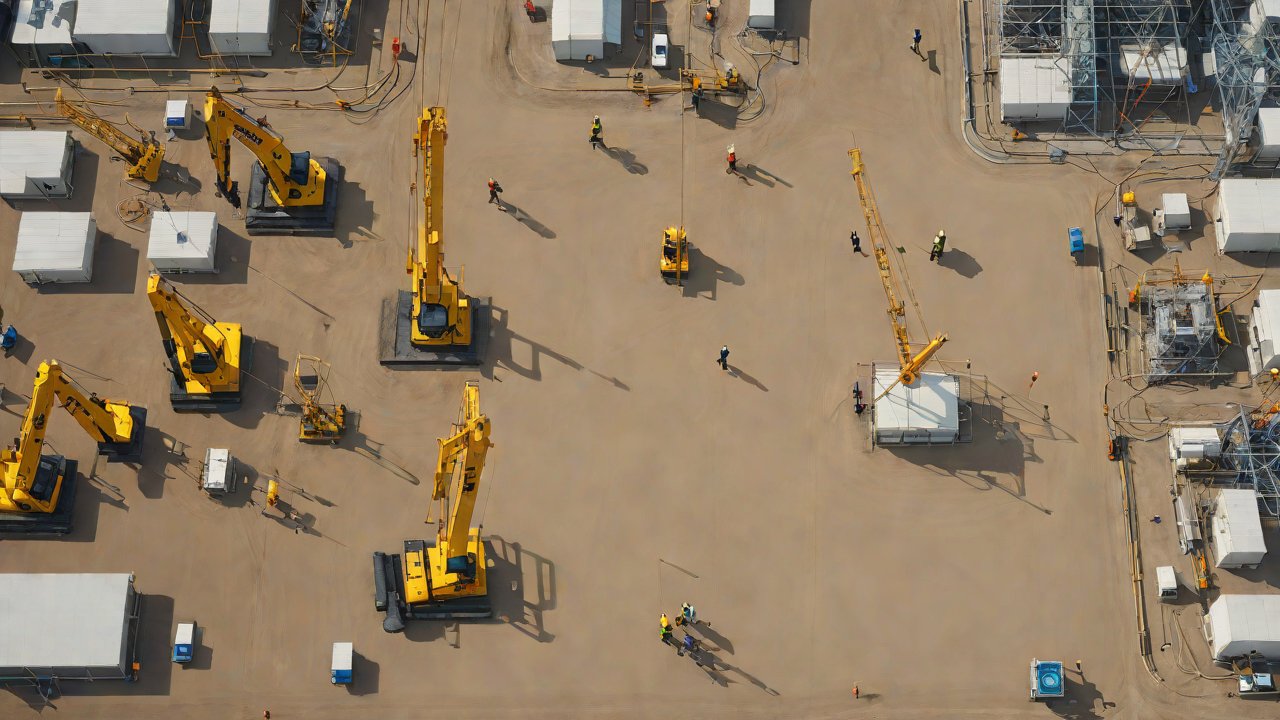
The process involves setting up virtual boundaries around specific areas of interest on a construction site. When equipment crosses or enters these boundaries, predefined actions are triggered, such as sending notifications to operators or maintenance teams.
2.1 Key Benefits
- Improved Safety: Real-time tracking and geofencing enable early intervention in potential safety risks.
- Increased Efficiency: Optimized resource allocation and scheduling reduce downtime and improve productivity.
- Reduced Costs: Predictive maintenance and inventory management minimize unnecessary replacements and overstocking.
3. Technical Architecture
The technical architecture for real-time geofencing involves several components:
- IoT Devices: Cellular-enabled sensors and tracking devices equipped with GPS/GNSS technology.
- Cellular Network: Providing connectivity to IoT devices.
- Cloud or Edge Computing: Processing sensor data in real-time for geofencing decisions.
- Application Platform: User interface for setting up geofences, viewing equipment locations, and receiving alerts.
3.1 Cloud vs. Edge Computing
- Cloud Computing: Centralized processing offers scalability but may introduce latency.
- Edge Computing: Decentralized processing reduces latency and enhances real-time capabilities.
| Architecture | Advantages | Disadvantages |
|---|---|---|
| Cloud Computing | Scalable, cost-effective | High latency, security risks |
| Edge Computing | Low latency, enhanced real-time capabilities | Higher upfront costs, complex deployment |
4. Case Study: Implementing Real-Time Geofencing
A leading construction company implemented a cellular IoT-based geofencing solution to improve site safety and efficiency. The system was integrated with existing equipment tracking software.
- Key Findings: Reduced accidents by 25%, improved equipment utilization by 15%, and decreased maintenance costs by 12%.

5. Market Challenges
While the market for real-time geofencing is promising, several challenges must be addressed:
- Interoperability Issues: Ensuring seamless integration with existing systems.
- Security Concerns: Protecting sensitive data transmitted over cellular networks.
- Cost and ROI: Demonstrating clear return on investment to adopters.
| Challenge | Potential Solutions |
|---|---|
| Interoperability | Standardization efforts, API integrations |
| Security | Encryption protocols, secure authentication methods |
| Cost and ROI | Demonstrating cost savings through case studies, offering flexible pricing models |
6. Future Outlook
The integration of cellular IoT with real-time geofencing is poised to revolutionize the field construction equipment industry. As technological advancements continue, we can expect:
- Increased Adoption: Widespread adoption by large and small-scale construction companies.
- Improved Accuracy: Enhanced accuracy through advanced sensor technologies and machine learning algorithms.
- New Applications: Exploration of new applications beyond geofencing, such as predictive maintenance and inventory management.
In conclusion, real-time geofencing for field construction equipment represents a pivotal opportunity for the industry to enhance safety, efficiency, and cost-effectiveness. As cellular IoT continues to evolve, we can expect significant growth in this application area, driven by technological advancements and business imperatives.
IOT Cloud Platform
IOT Cloud Platform is an IoT portal established by a Chinese IoT company, focusing on technical solutions in the fields of agricultural IoT, industrial IoT, medical IoT, security IoT, military IoT, meteorological IoT, consumer IoT, automotive IoT, commercial IoT, infrastructure IoT, smart warehousing and logistics, smart home, smart city, smart healthcare, smart lighting, etc.
The IoT Cloud Platform blog is a top IoT technology stack, providing technical knowledge on IoT, robotics, artificial intelligence (generative artificial intelligence AIGC), edge computing, AR/VR, cloud computing, quantum computing, blockchain, smart surveillance cameras, drones, RFID tags, gateways, GPS, 3D printing, 4D printing, autonomous driving, etc.
Note: This article was professionally generated with the assistance of AIGC and has been fact-checked and manually corrected by IoT expert editor IoTCloudPlatForm.