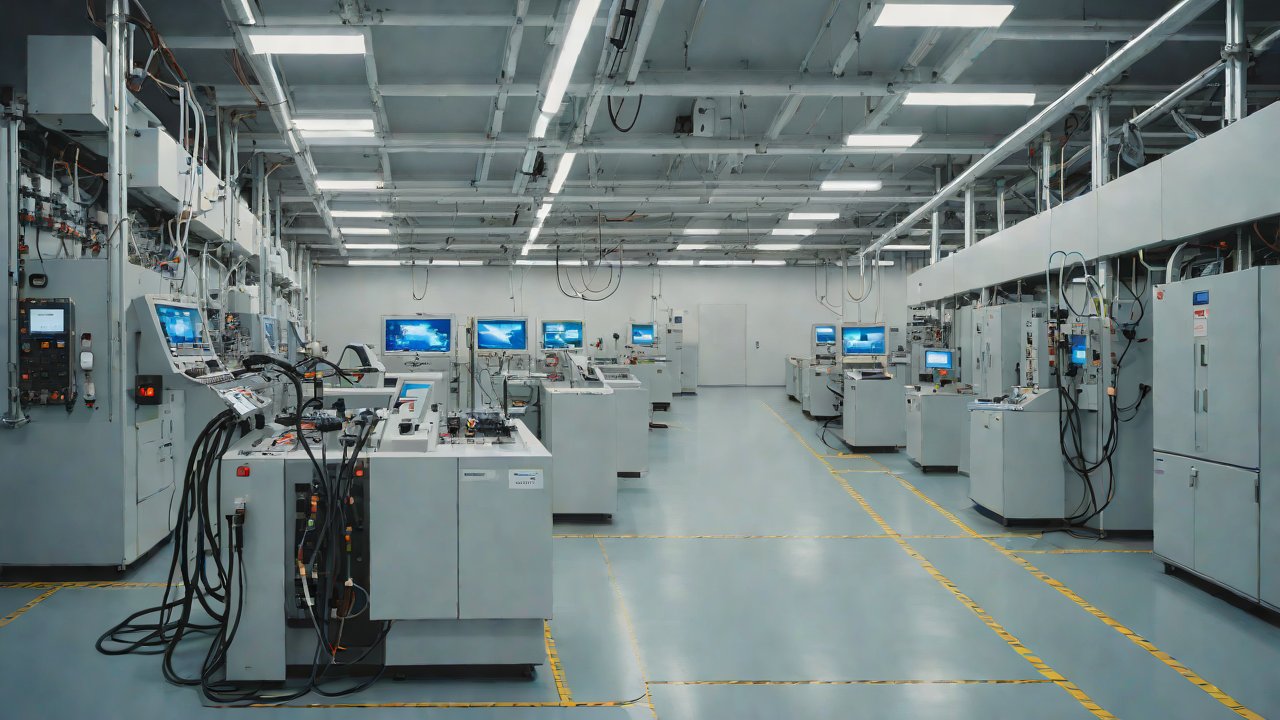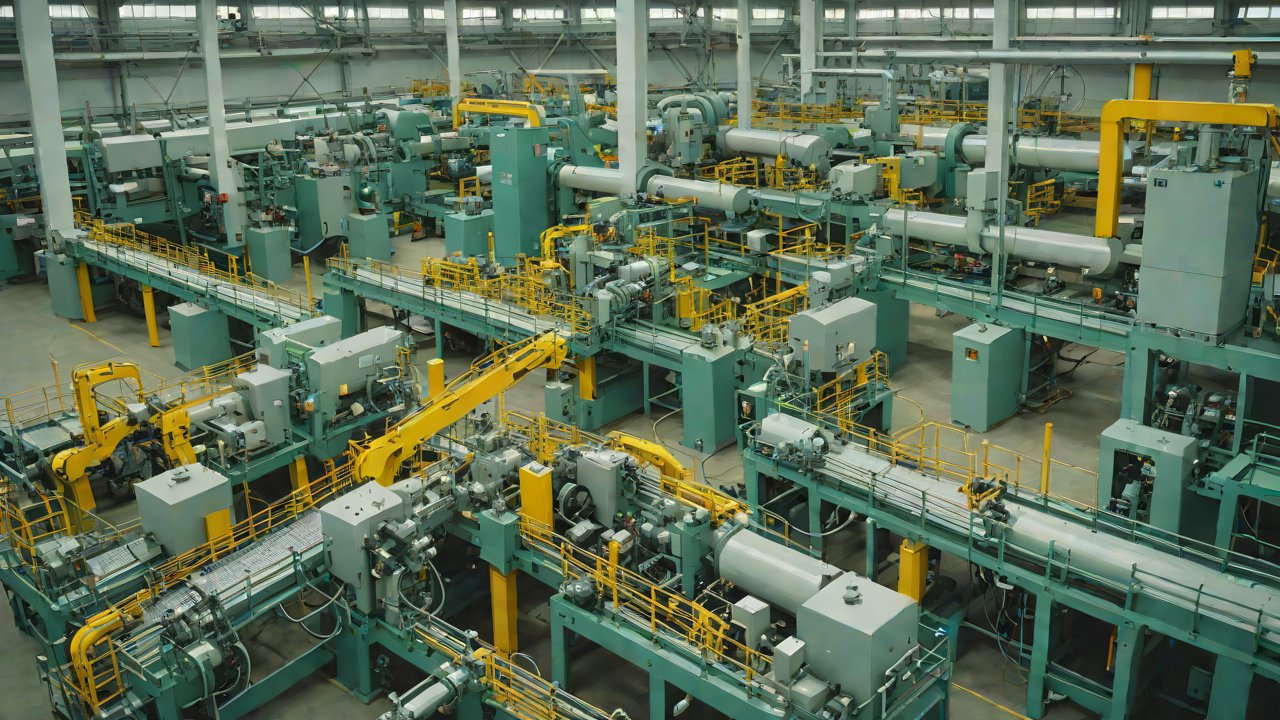
Sensor Network Configuration Guide for Smart Factory Construction in Brazil
As Brazil’s manufacturing sector continues to grow, the adoption of Industry 4.0 technologies has become increasingly important for competitiveness and productivity gains. The construction of smart factories is at the forefront of this digital transformation, with sensor networks playing a critical role in enabling real-time monitoring, predictive maintenance, and data-driven decision-making.
In this context, configuring an optimal sensor network configuration is essential to ensure seamless integration with existing infrastructure, efficient data management, and scalability for future growth. This report provides an exhaustive guide for Brazilian manufacturers seeking to establish a robust and reliable sensor network within their smart factory construction projects.
1. Understanding the Role of Sensor Networks in Smart Factories
Sensor networks are the backbone of any smart factory, enabling real-time monitoring of equipment performance, process conditions, and product quality. By collecting and analyzing vast amounts of data from various sensors, manufacturers can identify trends, predict potential issues, and optimize production processes.
In Brazil’s manufacturing landscape, sensor networks have become increasingly important for several reasons:
- Increased productivity: Sensor networks enable real-time monitoring of equipment performance, reducing downtime and increasing overall productivity.
- Improved quality control: Sensors provide accurate data on product quality, enabling manufacturers to identify and address issues before they affect the final product.
- Reduced energy consumption: By optimizing production processes, sensor networks help manufacturers reduce energy consumption and lower their environmental impact.
Sensor Network Architecture
A typical sensor network architecture consists of several components:
| Component | Description |
|---|---|
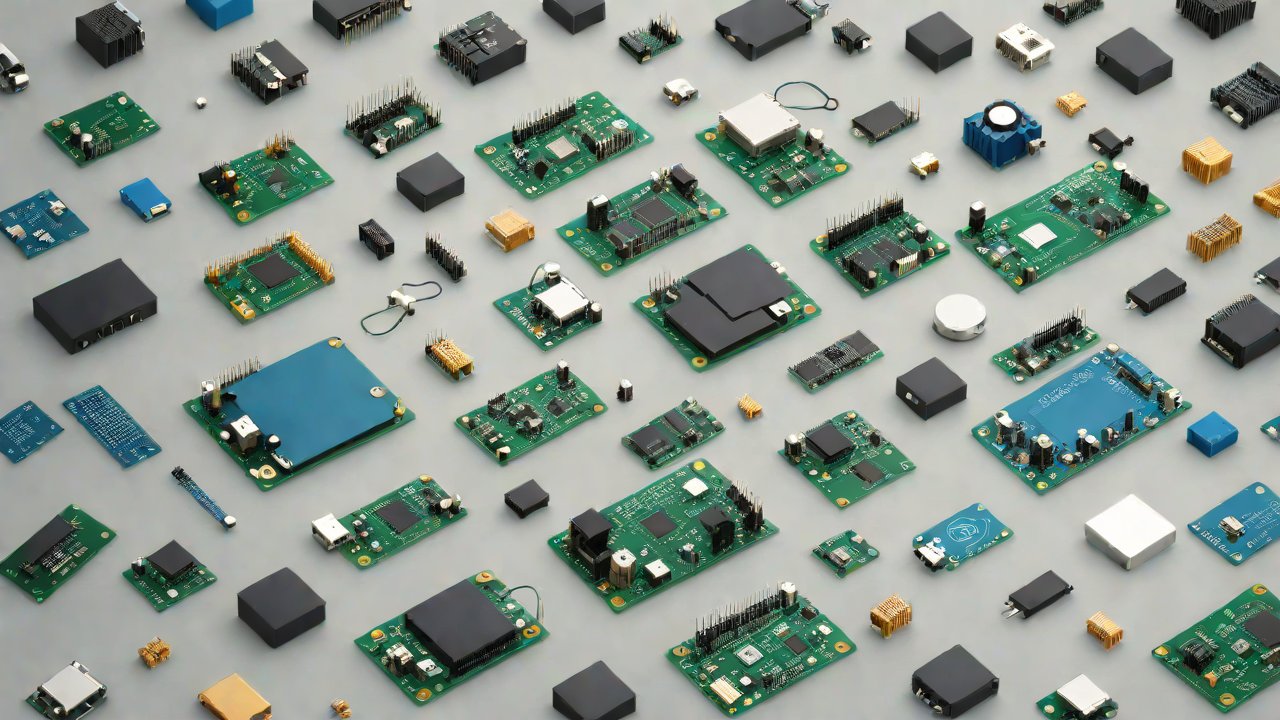
| Sensors | Collect data on equipment performance, process conditions, and product quality. |
| Gateways | Act as intermediaries between sensors and the central control system, processing and forwarding data in real-time. |
| Central Control System (CCS) | Analyzes data from sensors and gateways to identify trends, predict potential issues, and optimize production processes. |
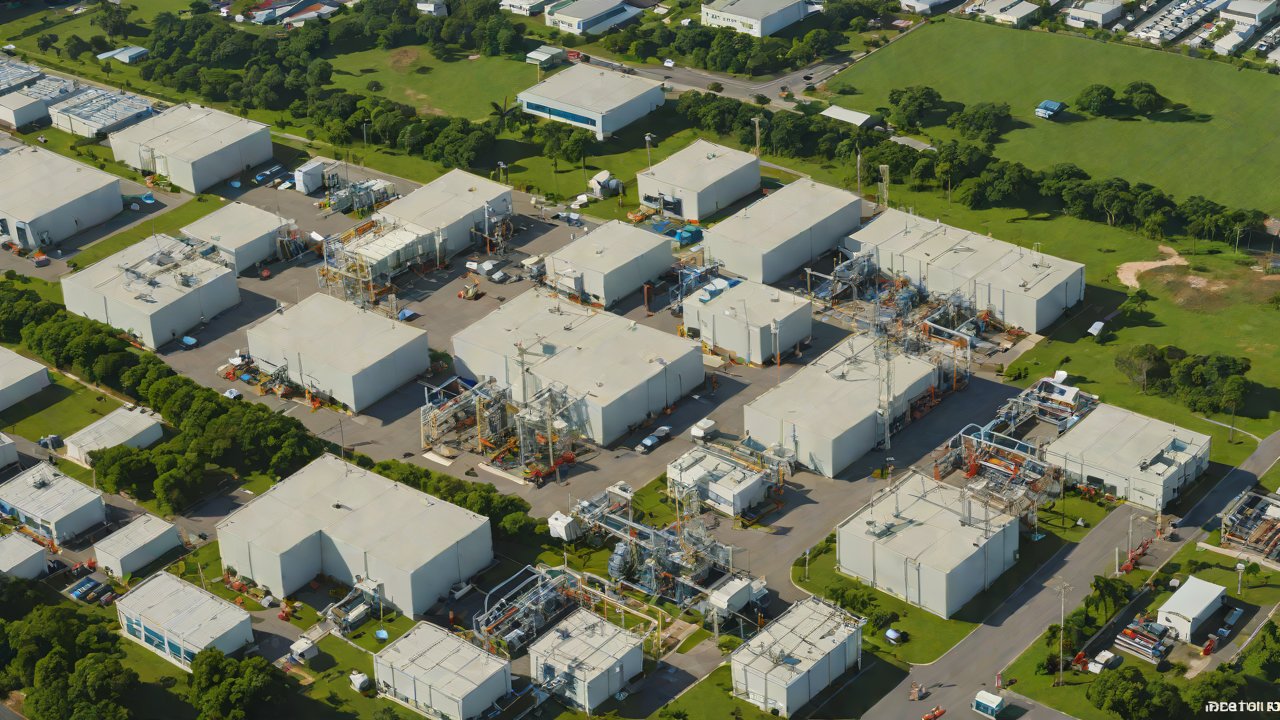
2. Selecting the Right Sensors for Smart Factory Construction
Choosing the right sensors is crucial for ensuring accurate data collection and effective process optimization. When selecting sensors for smart factory construction in Brazil, consider the following factors:
- Environmental conditions: Choose sensors that can withstand harsh environmental conditions, such as high temperatures, humidity, or vibrations.
- Sensor accuracy: Select sensors with high accuracy levels to ensure reliable data collection and minimize false positives.
- Connectivity options: Consider sensors with wireless connectivity options (e.g., Wi-Fi, Bluetooth) for easy integration with existing infrastructure.
Some common sensor types used in smart factory construction include:
| Sensor Type | Description |
|---|---|
| Temperature Sensors | Monitor equipment temperature to prevent overheating and optimize cooling systems. |
| Vibration Sensors | Detect abnormal vibrations that may indicate equipment wear or potential failures. |
| Pressure Sensors | Measure pressure levels in pipes, tanks, and other equipment to optimize fluid flow and prevent leaks. |
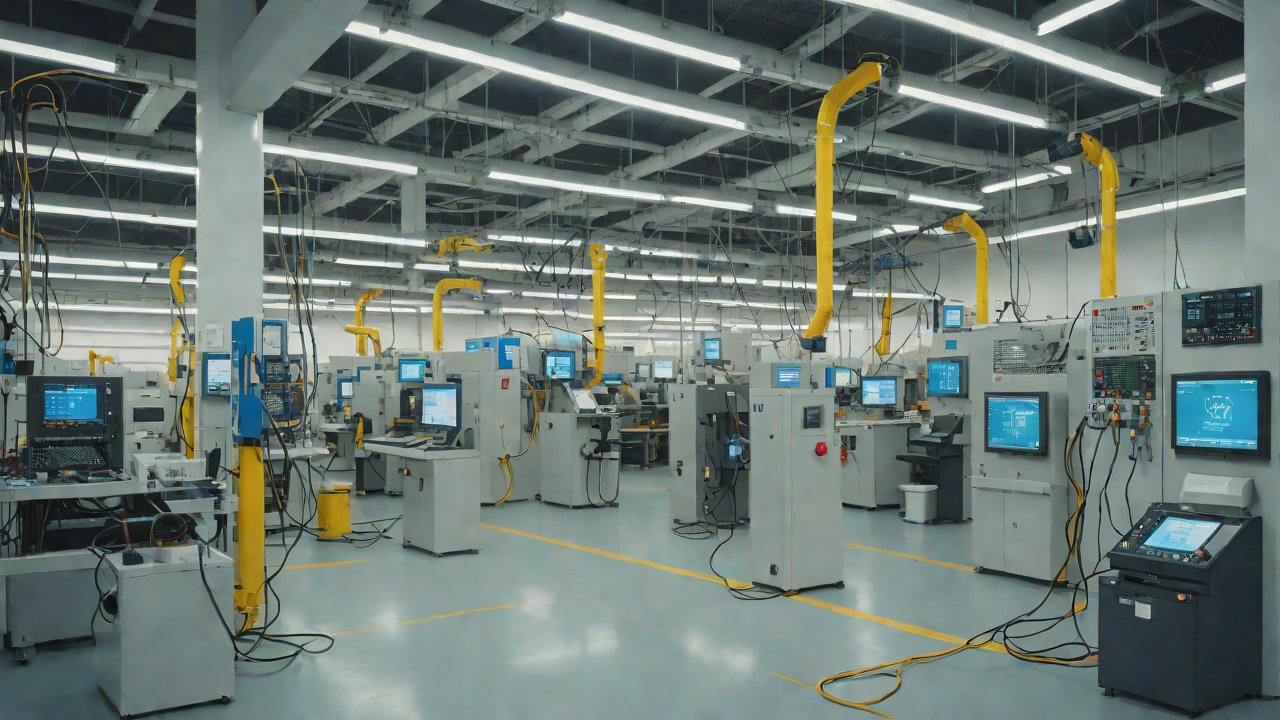
3. Designing a Scalable Sensor Network Architecture
A scalable sensor network architecture is essential for ensuring seamless integration with existing infrastructure and accommodating future growth. Consider the following design principles:
- Modularity: Design the sensor network in modular components, allowing for easy addition or removal of sensors as needed.
- Flexibility: Choose a flexible communication protocol (e.g., IoT protocols) to enable easy integration with different devices and systems.
- Redundancy: Implement redundancy mechanisms to ensure continued data collection and process optimization even in the event of sensor failure.
4. Ensuring Data Security and Integrity
Data security and integrity are critical concerns for any smart factory construction project. Consider implementing the following measures:
- Encryption: Encrypt all data transmitted between sensors, gateways, and the CCS to prevent unauthorized access.
- Access control: Implement robust access controls to ensure only authorized personnel can view or modify sensor data.
- Data backup: Regularly back up sensor data to prevent loss in case of equipment failure or other disruptions.
5. Implementation and Maintenance Best Practices
Effective implementation and maintenance are crucial for ensuring the long-term success of any smart factory construction project. Consider the following best practices:
- Phased implementation: Implement the sensor network in phases, starting with critical areas and gradually expanding to other sections.
- Regular maintenance: Schedule regular maintenance activities (e.g., sensor calibration, software updates) to ensure optimal performance.
- Training and support: Provide comprehensive training and support to personnel involved in sensor network operation and maintenance.
By following this guide, Brazilian manufacturers can establish a robust and reliable sensor network within their smart factory construction projects. This will enable real-time monitoring, predictive maintenance, and data-driven decision-making, ultimately driving increased productivity, improved quality control, and reduced energy consumption.
IOT Cloud Platform
IOT Cloud Platform is an IoT portal established by a Chinese IoT company, focusing on technical solutions in the fields of agricultural IoT, industrial IoT, medical IoT, security IoT, military IoT, meteorological IoT, consumer IoT, automotive IoT, commercial IoT, infrastructure IoT, smart warehousing and logistics, smart home, smart city, smart healthcare, smart lighting, etc.
The IoT Cloud Platform blog is a top IoT technology stack, providing technical knowledge on IoT, robotics, artificial intelligence (generative artificial intelligence AIGC), edge computing, AR/VR, cloud computing, quantum computing, blockchain, smart surveillance cameras, drones, RFID tags, gateways, GPS, 3D printing, 4D printing, autonomous driving, etc.
Note: This article was professionally generated with the assistance of AIGC and has been fact-checked and manually corrected by IoT expert editor IoTCloudPlatForm.