Predictive Maintenance Systems for Japanese Plants
Technical Overview
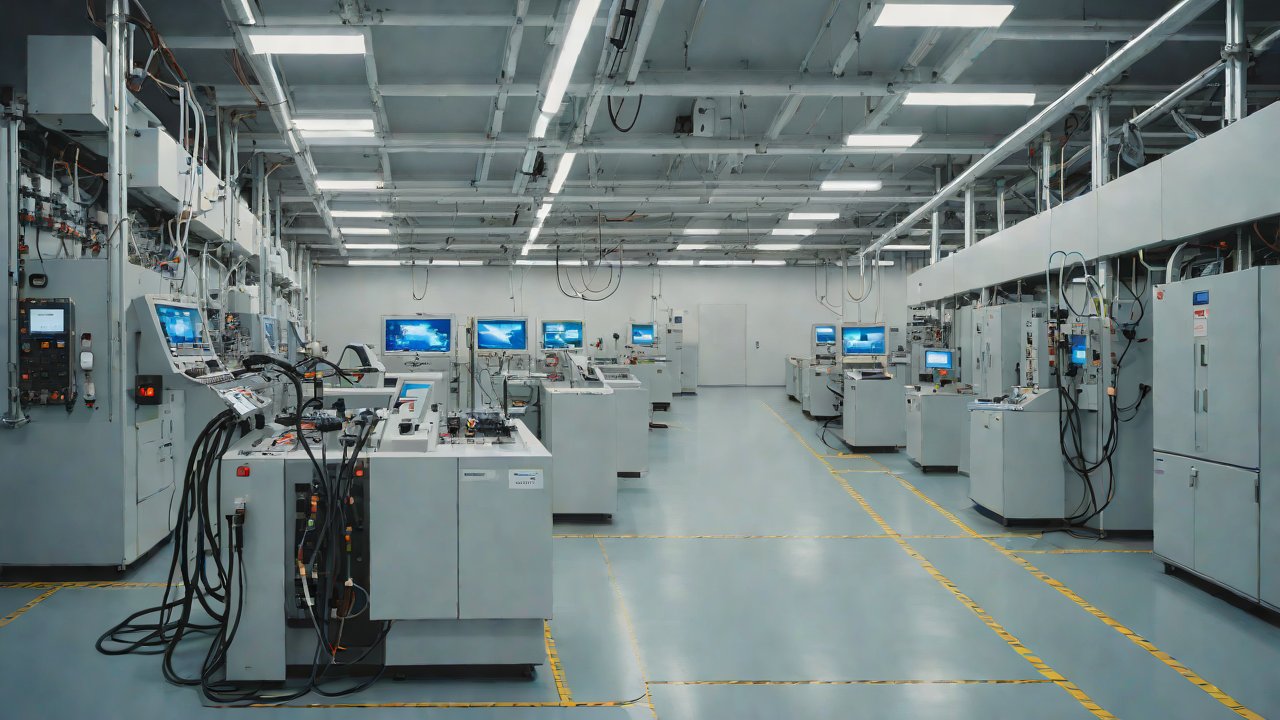
Predictive maintenance systems for Japanese plants are designed to monitor equipment performance in real-time, detect anomalies, and predict potential failures before they occur. These systems leverage advanced technologies such as IoT sensors, machine learning algorithms, and data analytics to optimize maintenance schedules and reduce downtime.
System Components
The following table outlines the key components of a predictive maintenance system for Japanese plants:
| Component | Description |
|---|---|
| Sensors | IoT sensors are deployed on equipment to collect real-time performance data. Common types include vibration, temperature, pressure, and flow rate sensors. |
| Data Analytics Platform | A cloud-based platform processes and analyzes sensor data using machine learning algorithms to identify patterns and anomalies. |
| Predictive Model | The predictive model is trained on historical maintenance data and sensor readings to forecast potential equipment failures. |
| Alert System | An alert system notifies maintenance personnel when a potential failure is predicted, allowing for proactive maintenance scheduling. |
Protocol Analysis
The following protocols are commonly used in predictive maintenance systems for Japanese plants:
1. Communication Protocols
| Protocol | Description |
|---|---|
| Modbus TCP/IP | A widely used protocol for industrial automation and control. Used for communication between sensors, controllers, and data analytics platforms. |
| OPC-UA (Open Platform Communications Unified Architecture) | An industrial communication standard that enables secure and reliable data exchange between devices and systems. |
2. Data Format
| Format | Description |
|---|---|
| CSV (Comma Separated Values) | A widely used format for exchanging sensor data between devices and platforms. |
| JSON (JavaScript Object Notation) | A lightweight, human-readable format for exchanging structured data between applications. |
Hardware Analysis
The following hardware components are commonly used in predictive maintenance systems for Japanese plants:
1. Sensor Selection
| Sensor Type | Description |
|---|---|
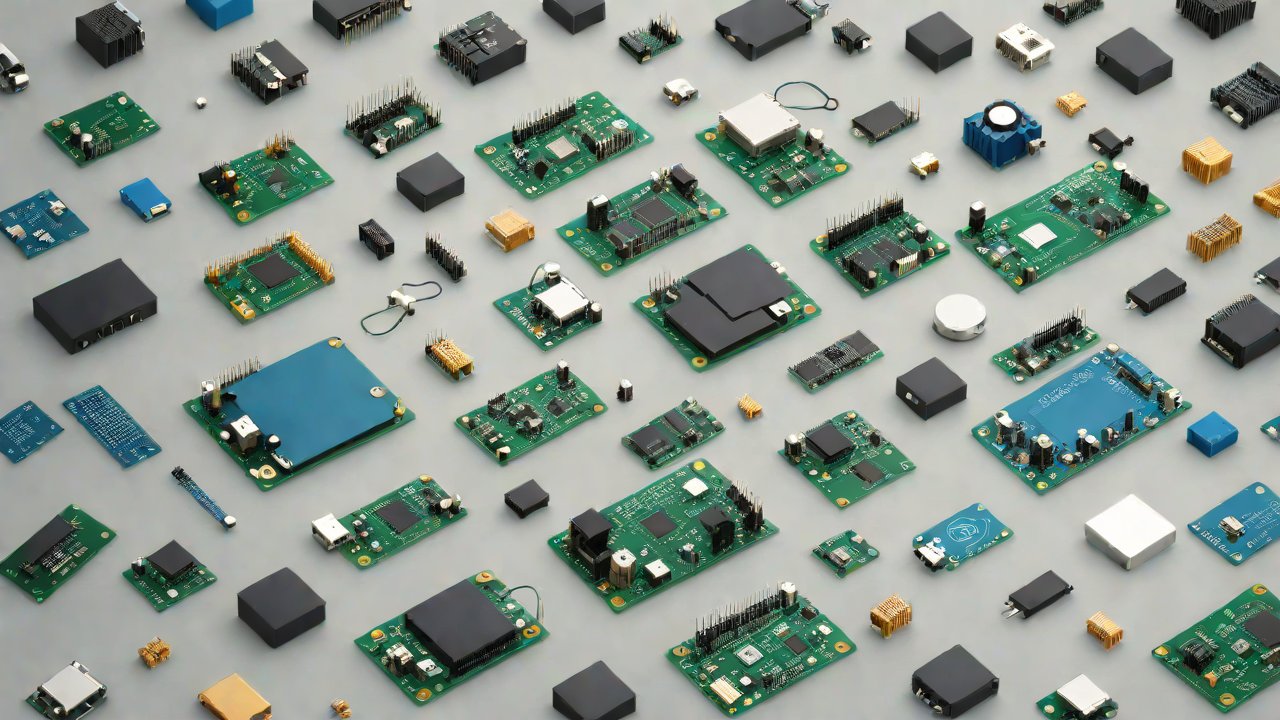
| Vibration Sensors | Measure equipment vibration levels to detect potential issues such as misalignment or imbalance. |
| Temperature Sensors | Monitor temperature levels to prevent overheating or cooling issues. |
| Pressure Sensors | Measure pressure levels to detect potential issues such as blockages or leaks. |
2. Edge Computing Devices
| Device Type | Description |
|---|---|
| Industrial PCs (IPCs) | Run predictive maintenance software and analyze sensor data in real-time. |
| Single Board Computers (SBCs) | Compact, low-power devices used for edge computing applications such as sensor data processing. |
Cost Analysis
The following table outlines the estimated costs associated with implementing a predictive maintenance system for Japanese plants:
| Component | Estimated Cost |
|---|---|
| Sensors | ¥500,000 – ¥1,000,000 ( approx. $4,500-$9,000 USD) per unit |
| Data Analytics Platform | ¥5,000,000 – ¥10,000,000 (approx. $45,000-$90,000 USD) per year |
| Edge Computing Devices | ¥200,000 – ¥500,000 (approx. $1,800-$4,500 USD) per device |
Implementation Roadmap
The following table outlines a sample implementation roadmap for a predictive maintenance system:
| Phase | Description | Timeline |
|---|---|---|
| 1. Needs Assessment | Identify equipment to be monitored and assess data requirements. | 2 weeks |
| 2. System Design | Define system architecture, hardware, and software components. | 4 weeks |
| 3. Sensor Deployment | Install sensors on equipment and configure communication protocols. | 6 weeks |
| 4. Data Analytics Platform Setup | Configure data analytics platform and train predictive model. | 8 weeks |
FAQ
1. What are the benefits of implementing a predictive maintenance system?
Predictive maintenance systems can help reduce downtime by up to 30%, increase equipment lifespan by up to 20%, and lower maintenance costs by up to 25%.
2. How do I choose the right sensors for my equipment?
Select sensors based on equipment type, operating conditions, and data requirements.
3. What is the role of machine learning in predictive maintenance?
Machine learning algorithms are used to analyze sensor data and predict potential equipment failures.
4. Can I use open-source software for predictive maintenance?
Yes, many open-source options are available for predictive maintenance, such as OpenTSDB and Prometheus.
5. How do I secure my predictive maintenance system against cyber threats?
Implement robust security measures such as encryption, access controls, and regular software updates.
6. What is the typical return on investment (ROI) for a predictive maintenance system?
The ROI for predictive maintenance systems can range from 100% to 300% over a period of 2-5 years.
7. Can I integrate my existing SCADA system with a predictive maintenance system?
Yes, most modern SCADA systems are compatible with predictive maintenance systems.
8. How do I train the predictive model for my equipment?
Use historical maintenance data and sensor readings to train the predictive model.
9. What is the typical cost of a predictive maintenance system?
The cost of a predictive maintenance system can range from ¥5,000,000 to ¥20,000,000 (approx. $45,000-$180,000 USD).
10. Can I use cloud-based services for my predictive maintenance system?
Yes, many cloud-based services such as AWS and Google Cloud offer predictive maintenance solutions.
11. How do I ensure data quality and accuracy in my predictive maintenance system?
Implement robust data validation and verification procedures to ensure data quality and accuracy.
12. What is the typical deployment time for a predictive maintenance system?
The deployment time for a predictive maintenance system can range from 3-6 months.
13. Can I use mobile devices to access my predictive maintenance system?
Yes, most modern mobile devices are compatible with predictive maintenance systems.
14. How do I ensure user adoption and training for the predictive maintenance system?
Provide comprehensive user training and support to ensure successful adoption of the predictive maintenance system.
15. What is the typical cost of sensor replacement or upgrade?
The cost of sensor replacement or upgrade can range from ¥50,000 to ¥200,000 (approx. $450-$1,800 USD) per unit.
16. Can I integrate my existing ERP system with a predictive maintenance system?
Yes, most modern ERP systems are compatible with predictive maintenance systems.
17. How do I ensure data security and compliance for my predictive maintenance system?
Implement robust security measures such as encryption, access controls, and regular software updates to ensure data security and compliance.
18. What is the typical ROI for a cloud-based predictive maintenance system?
The ROI for cloud-based predictive maintenance systems can range from 100% to 300% over a period of 2-5 years.
19. Can I use open-source hardware for my predictive maintenance system?
Yes, many open-source hardware options are available for predictive maintenance systems such as Arduino and Raspberry Pi.
20. How do I ensure scalability and flexibility for my predictive maintenance system?
Implement modular architecture and scalable design to ensure flexibility and adaptability for changing equipment and data requirements.
21. What is the typical cost of a cloud-based predictive maintenance platform?
The cost of a cloud-based predictive maintenance platform can range from ¥5,000,000 to ¥20,000,000 (approx. $45,000-$180,000 USD) per year.
22. Can I use machine learning algorithms for real-time monitoring and alerting?
Yes, many machine learning algorithms are available for real-time monitoring and alerting such as anomaly detection and predictive modeling.
23. How do I ensure data integrity and accuracy in my predictive maintenance system?
Implement robust data validation and verification procedures to ensure data integrity and accuracy.
24. What is the typical deployment time for a cloud-based predictive maintenance platform?
The deployment time for a cloud-based predictive maintenance platform can range from 2-4 weeks.
25. Can I integrate my existing CMMS (Computerized Maintenance Management System) with a predictive maintenance system?
Yes, most modern CMMS systems are compatible with predictive maintenance systems.
IOT Cloud Platform
IOT Cloud Platform is an IoT portal established by a Chinese IoT company, focusing on technical solutions in the fields of agricultural IoT, industrial IoT, medical IoT, security IoT, military IoT, meteorological IoT, consumer IoT, automotive IoT, commercial IoT, infrastructure IoT, smart warehousing and logistics, smart home, smart city, smart healthcare, smart lighting, etc.
The IoT Cloud Platform blog is a top IoT technology stack, providing technical knowledge on IoT, robotics, artificial intelligence (generative artificial intelligence AIGC), edge computing, AR/VR, cloud computing, quantum computing, blockchain, smart surveillance cameras, drones, RFID tags, gateways, GPS, 3D printing, 4D printing, autonomous driving, etc.
Note: This article was professionally generated with the assistance of AIGC and has been fact-checked and manually corrected by IoT expert editor IoTCloudPlatForm.