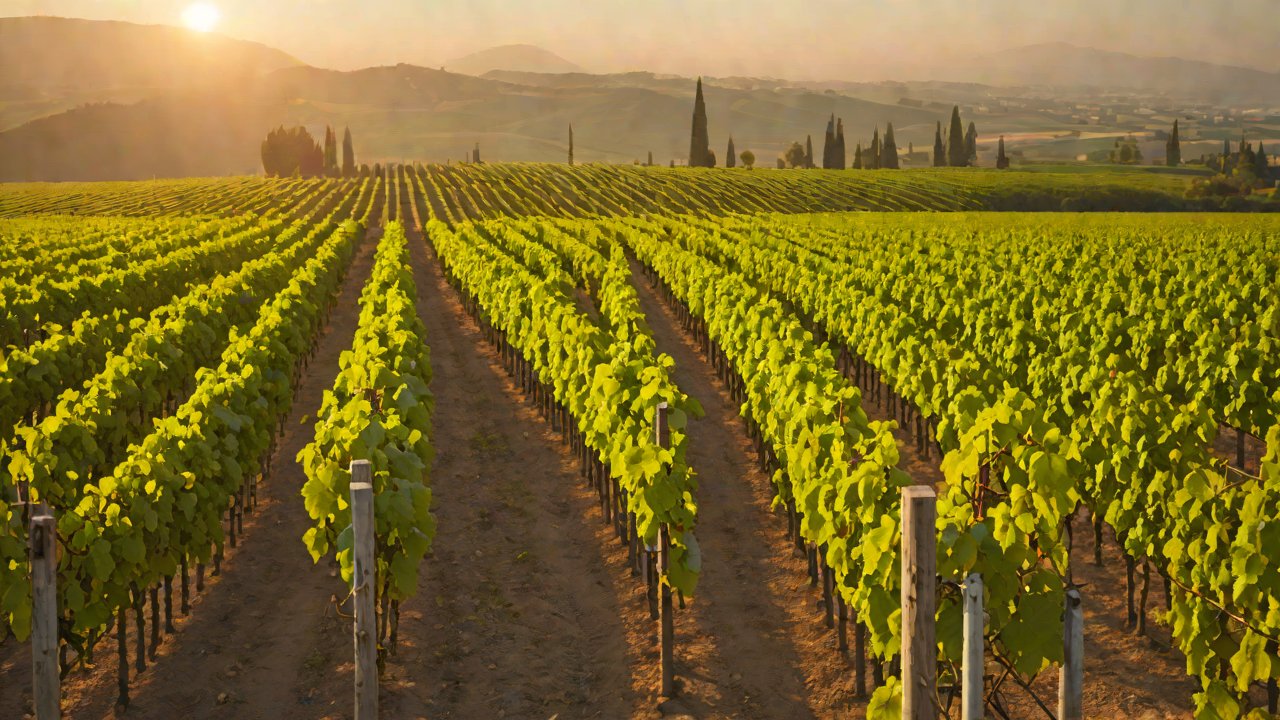
Precision Irrigation Systems for Vineyards in Italy
Precision Irrigation Systems for Vineyards in Italy
High-Level Technical Insights
Precision irrigation systems are becoming increasingly popular among vineyard owners in Italy due to their ability to optimize water usage, reduce waste, and improve crop yields. These systems utilize advanced technologies such as sensors, automation, and data analytics to provide real-time monitoring and control of irrigation processes.
System Components
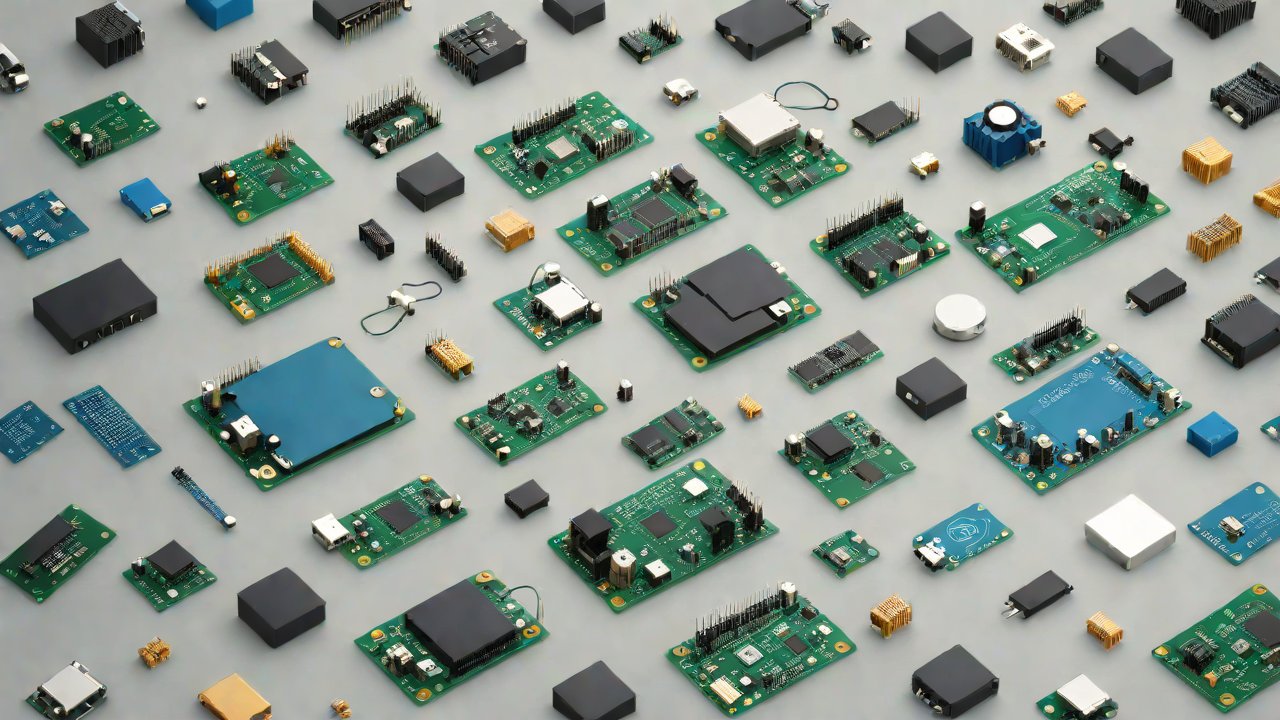
- Sensors: Soil moisture sensors, temperature sensors, and weather stations are used to collect data on soil conditions, temperature, and precipitation.
- Data Analytics Platform: The collected data is sent to a cloud-based or on-premise data analytics platform for processing and analysis.
- Automation System: The processed data is used to control the irrigation system, ensuring optimal water usage and reducing waste.
1. Sensor Selection and Placement
Soil Moisture Sensors
| Sensor Type | Accuracy | Range |
|---|---|---|
| TDR (Time-Domain Reflectometry) | ±2% | 0-100 cm |
| Capacitance | ±5% | 0-50 cm |
The choice of sensor depends on the soil type, depth, and desired accuracy. TDR sensors are more accurate but require calibration.
Temperature Sensors
| Sensor Type | Accuracy | Range |
|---|---|---|
| Thermocouple | ±1°C | -20 to 100°C |
| Resistance Temperature Detector (RTD) | ±0.5°C | -50 to 150°C |
Temperature sensors are used to monitor soil temperature, which affects plant growth and water usage.
Weather Stations
| Sensor Type | Accuracy | Range |
|---|---|---|
| Rain Gauge | ±10% | 0-200 mm/h |
| Anemometer | ±2 m/s | 0-50 m/s |
Weather stations provide data on precipitation, wind speed, and direction, which helps in optimizing irrigation schedules.
2. Data Analytics Platform
Cloud-Based Platforms
- AWS IoT: Supports device management, data processing, and analytics.
- Google Cloud IoT Core: Provides secure device connection, data processing, and analytics.
- Microsoft Azure IoT Hub: Offers device management, data processing, and analytics.
On-Premise Solutions
- Open-source platforms: Apache Kafka, Apache Storm, and Apache Flink for real-time data processing.
- Commercial solutions: IBM Watson IoT, Siemens MindSphere, and PTC ThingWorx for industrial-scale IoT applications.
3. Automation System
Control Units
| Component | Description |
|---|---|
| PLC (Programmable Logic Controller) | Controls irrigation valves, pumps, and other equipment. |
| VSD (Variable Speed Drive) | Regulates pump speed to optimize water usage. |
The automation system receives data from the sensors and analytics platform, adjusting irrigation schedules accordingly.
4. Cost Analysis
Hardware Costs
| Component | Estimated Cost |
|---|---|
| Soil moisture sensors | €500-€1,000 per node |
| Temperature sensors | €200-€500 per node |
| Weather stations | €1,000-€2,000 per station |
Software and Services Costs
| Service | Estimated Cost |
|---|---|
| Data analytics platform | €5,000-€10,000 per year |
| Automation system software | €2,000-€5,000 per year |
5. Implementation Roadmap
- Sensor deployment: Install sensors in vineyards and connect them to the data analytics platform.
- Data analytics setup: Configure the data analytics platform to process sensor data and generate insights.
- Automation system integration: Integrate the automation system with the data analytics platform and control units.
6. Maintenance and Upgrades
Regular Maintenance
- Sensor calibration: Calibrate sensors annually or as needed.
- Software updates: Update software regularly to ensure optimal performance.
Upgrade Options
- New sensor technologies: Adopt new sensor technologies for improved accuracy and efficiency.
- Cloud-based upgrades: Migrate to newer cloud-based platforms for enhanced scalability and security.
FAQ
-
Q: What are the typical costs of implementing a precision irrigation system in an Italian vineyard?
A: The costs vary depending on the size of the vineyard, number of sensors, and automation complexity. Estimated costs range from €10,000 to €50,000. -
Q: How accurate are soil moisture sensors?
A: Soil moisture sensors can be accurate within ±2% with TDR sensors and ±5% with capacitance sensors. -
Q: Can I use open-source platforms for data analytics?
A: Yes, open-source platforms like Apache Kafka, Apache Storm, and Apache Flink can be used for real-time data processing. -
Q: What are the benefits of using a cloud-based data analytics platform?
A: Cloud-based platforms offer scalability, security, and reduced maintenance costs compared to on-premise solutions. -
Q: How often should I calibrate sensors?
A: Sensors should be calibrated annually or as needed based on usage patterns and soil conditions. -
Q: Can I integrate the automation system with existing equipment?
A: Yes, the automation system can be integrated with existing equipment such as irrigation valves and pumps. -
Q: What is the typical return on investment (ROI) for precision irrigation systems in Italian vineyards?
A: The ROI varies depending on factors like water savings, crop yields, and energy efficiency. Estimated ROIs range from 10% to 50%. -
Q: Can I use weather stations to predict precipitation patterns?
A: Yes, weather stations can provide data on precipitation patterns, wind speed, and direction. -
Q: How do I ensure security for the automation system and data analytics platform?
A: Implement robust security measures such as encryption, access control, and regular software updates. -
Q: Can I use precision irrigation systems in conjunction with other technologies like drones or satellite imaging?
A: Yes, precision irrigation systems can be integrated with other technologies to provide more comprehensive insights on vineyard health and management. -
Q: What are the typical power consumption requirements for precision irrigation systems?
A: Power consumption varies depending on the automation system complexity and sensor types. Estimated power consumption ranges from 1-10 kW. -
Q: Can I use solar panels or renewable energy sources to power the automation system?
A: Yes, solar panels or renewable energy sources can be used to power the automation system, reducing energy costs and environmental impact. -
Q: How do precision irrigation systems improve crop yields in Italian vineyards?
A: Precision irrigation systems optimize water usage, reduce waste, and provide real-time monitoring of soil conditions, leading to improved crop yields. -
Q: Can I use precision irrigation systems for other agricultural applications besides vineyards?
A: Yes, precision irrigation systems can be applied to various agricultural applications such as orchards, fields, and greenhouses. -
Q: What are the typical water savings achieved with precision irrigation systems in Italian vineyards?
A: Estimated water savings range from 20% to 50%. -
Q: Can I use precision irrigation systems for frost protection or other environmental factors?
A: Yes, precision irrigation systems can be integrated with other technologies for frost protection and monitoring of environmental factors. -
Q: How do I ensure data accuracy and reliability in the precision irrigation system?
A: Implement robust data quality control measures such as sensor calibration, data validation, and regular software updates. -
Q: Can I use machine learning algorithms to optimize irrigation schedules?
A: Yes, machine learning algorithms can be used to analyze historical data and predict optimal irrigation schedules based on soil conditions, weather patterns, and other factors. -
Q: What are the typical maintenance requirements for precision irrigation systems in Italian vineyards?
A: Maintenance requirements vary depending on sensor types and automation system complexity. Estimated maintenance costs range from €1,000 to €5,000 per year. -
Q: Can I use precision irrigation systems for crop monitoring or disease detection?
A: Yes, precision irrigation systems can be integrated with other technologies such as drones or satellite imaging for crop monitoring and disease detection. -
Q: How do precision irrigation systems improve energy efficiency in Italian vineyards?
A: Precision irrigation systems optimize water usage, reduce waste, and provide real-time monitoring of soil conditions, leading to reduced energy consumption. -
Q: Can I use precision irrigation systems for other agricultural applications besides crop management?
A: Yes, precision irrigation systems can be applied to various agricultural applications such as livestock management, greenhouse management, or aquaculture. -
Q: What are the typical environmental benefits of implementing precision irrigation systems in Italian vineyards?
A: Estimated environmental benefits include reduced water waste, decreased energy consumption, and lower carbon footprint. -
Q: Can I use precision irrigation systems for real-time monitoring of soil conditions?
A: Yes, precision irrigation systems can be integrated with sensors to provide real-time monitoring of soil conditions such as temperature, moisture, and pH levels. -
Q: What are the typical economic benefits of implementing precision irrigation systems in Italian vineyards?
A: Estimated economic benefits include increased crop yields, reduced water costs, and improved energy efficiency leading to higher profits.
IOT Cloud Platform
IOT Cloud Platform is an IoT portal established by a Chinese IoT company, focusing on technical solutions in the fields of agricultural IoT, industrial IoT, medical IoT, security IoT, military IoT, meteorological IoT, consumer IoT, automotive IoT, commercial IoT, infrastructure IoT, smart warehousing and logistics, smart home, smart city, smart healthcare, smart lighting, etc.
The IoT Cloud Platform blog is a top IoT technology stack, providing technical knowledge on IoT, robotics, artificial intelligence (generative artificial intelligence AIGC), edge computing, AR/VR, cloud computing, quantum computing, blockchain, smart surveillance cameras, drones, RFID tags, gateways, GPS, 3D printing, 4D printing, autonomous driving, etc.
Note: This article was professionally generated with the assistance of AIGC and has been fact-checked and manually corrected by IoT expert editor IoTCloudPlatForm.