IoT Systems for Logistics Vehicle Dispatch in Italy
IoT Systems for Logistics Vehicle Dispatch in Italy
Technical Insights
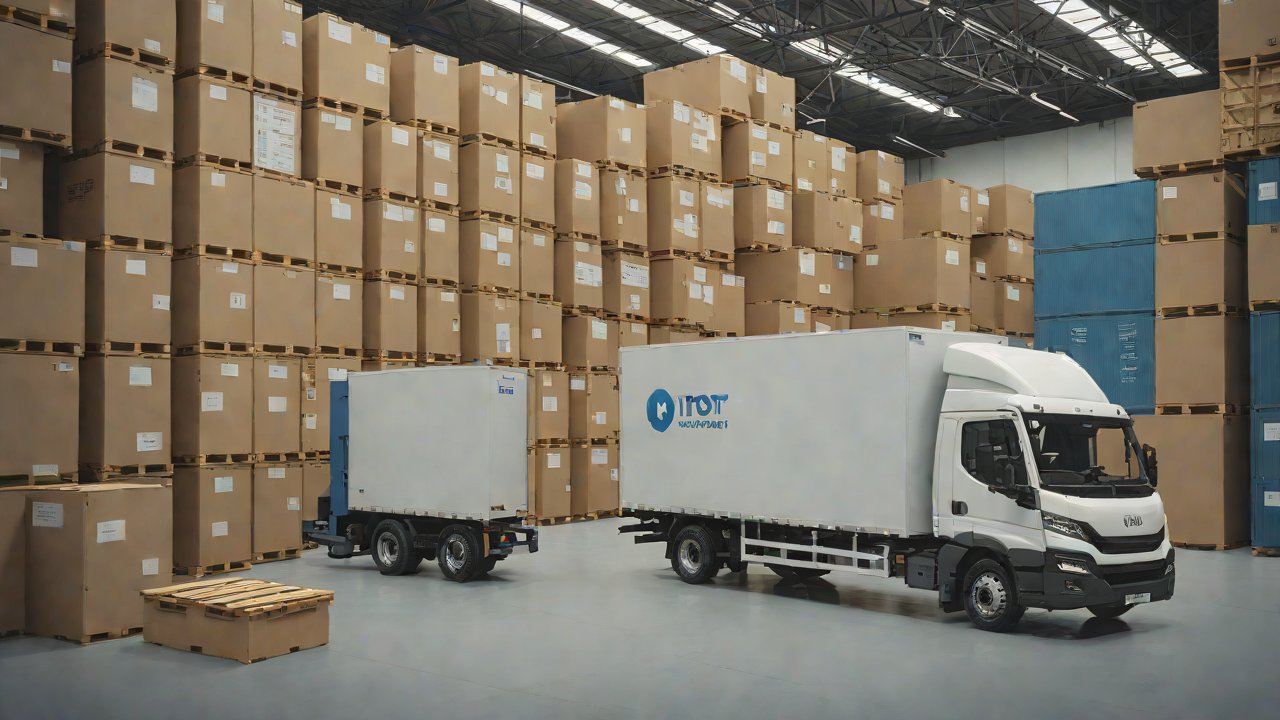
The logistics industry is a critical component of the Italian economy, with a vast network of transportation services connecting cities and towns across the country. The increasing demand for efficient and reliable delivery services has driven the adoption of IoT technology to optimize logistics vehicle dispatch.
IoT Architecture
A typical IoT system for logistics vehicle dispatch in Italy consists of:
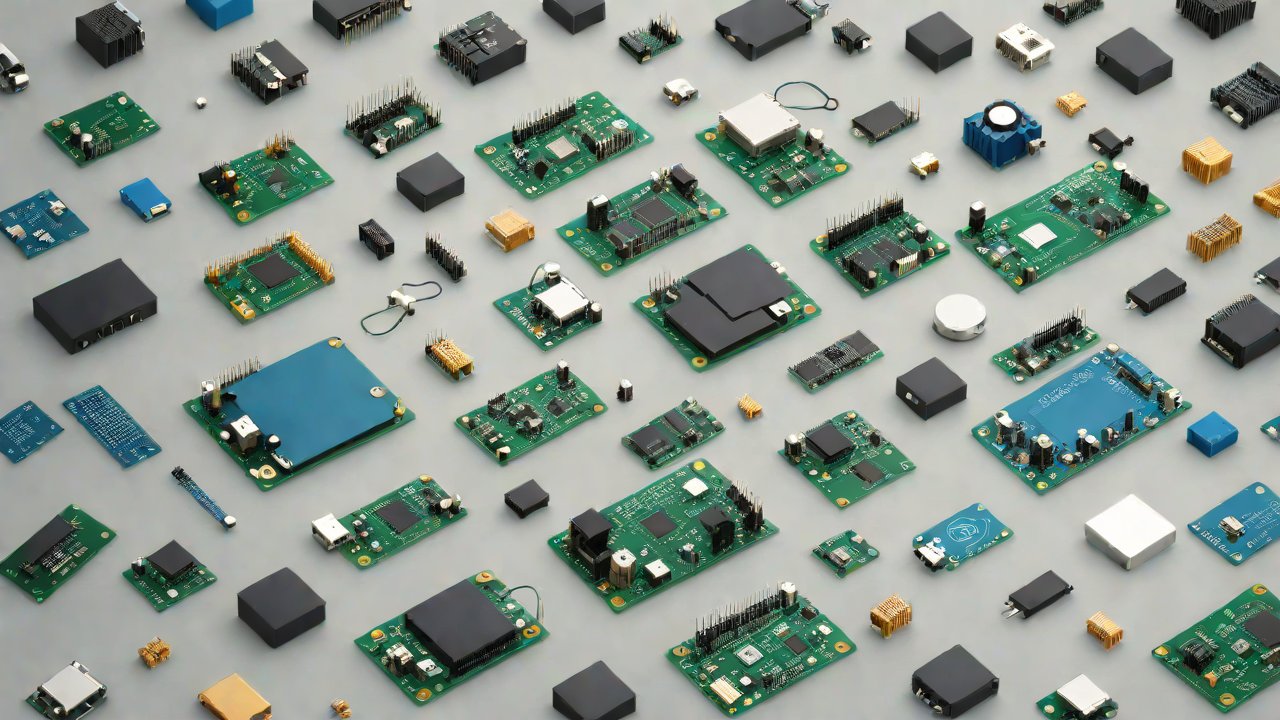
- Sensors: GPS, temperature, humidity, and vibration sensors installed on vehicles to track location, cargo conditions, and driver behavior.
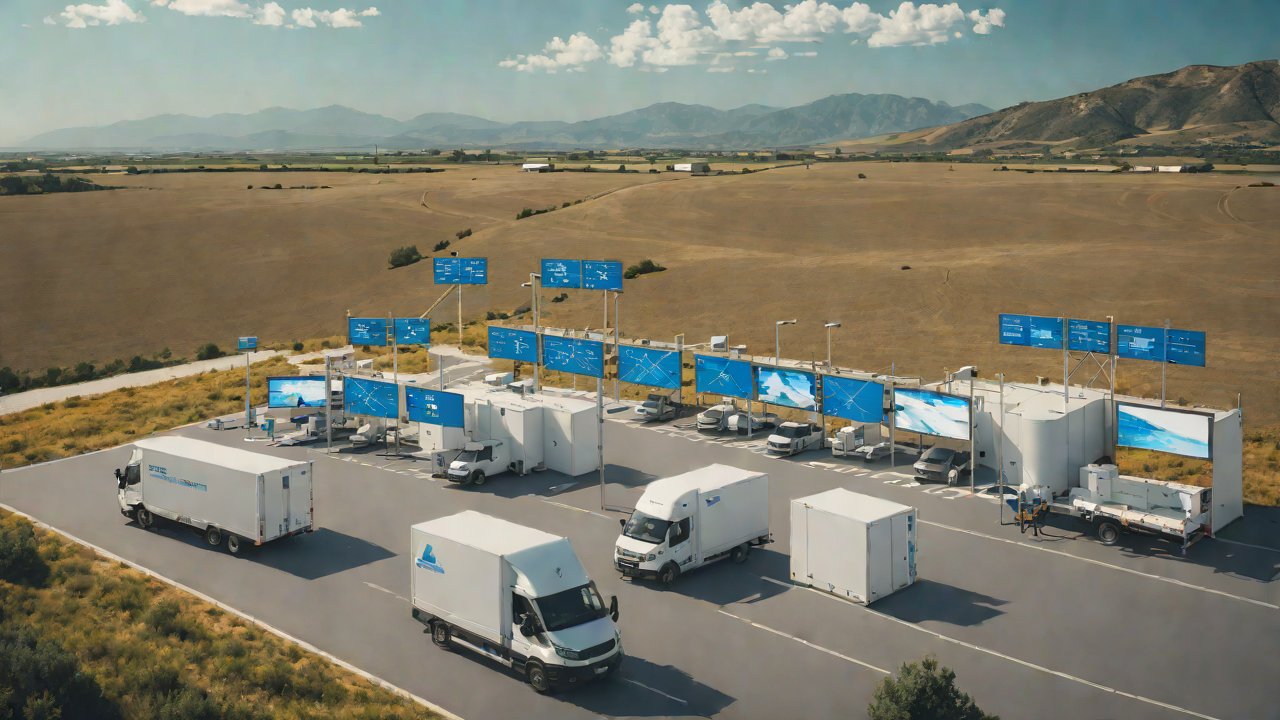
- Communication Network: Cellular (4G/5G), LoRaWAN, or Sigfox networks enable data transmission between vehicles, depots, and logistics hubs.
- Data Analytics Platform: A cloud-based platform processes sensor data, provides real-time insights, and enables predictive maintenance.
- Vehicle Management System: A centralized system integrates with the IoT infrastructure to manage vehicle schedules, routes, and cargo allocation.
Hardware Components
| Component | Description | Technical Specifications |
|---|---|---|
| GPS Module | Provides location tracking and navigation data | – Resolution: 1-5 meters |
| – Update rate: 1-10 Hz | ||
| Temperature Sensor | Monitors cargo temperature to ensure safe transport | – Accuracy: ±0.5°C |
| – Response time: 2 seconds | ||
| Humidity Sensor | Measures ambient humidity levels for optimal storage conditions | – Range: 20-80% RH |
| – Accuracy: ±5% RH | ||
| Vibration Sensor | Detects excessive vibration to prevent cargo damage | – Sensitivity: 1-10 g |
| – Frequency range: 10 Hz – 1000 Hz |
Communication Protocols
| Protocol | Description | Technical Specifications |
|---|---|---|
| Cellular (4G/5G) | Wide-area network connectivity for data transmission | – Speed: up to 100 Mbps |
| – Latency: <50 ms | ||
| LoRaWAN | Low-power, long-range wireless communication for IoT devices | – Data rate: up to 27 kbps |
| – Range: up to 10 km | ||
| Sigfox | Ultra-low power, low-bandwidth network for IoT applications | – Data rate: up to 100 bps |
| – Range: up to 30 km |
Cost Analysis
The total cost of an IoT system for logistics vehicle dispatch in Italy can be broken down into:
- Hardware Costs: €500 – €1,000 per vehicle (depending on the number and type of sensors)
- Communication Costs: €100 – €300 per vehicle per year (depending on data transmission rates and network coverage)
- Software and Maintenance Costs: €5,000 – €10,000 per year (depending on the complexity of the system and the frequency of software updates)
Implementation Roadmap
- Pilot Project: Implement IoT technology on a small fleet of vehicles to test and refine the system.
- Rollout Phase: Gradually deploy the IoT system across the entire logistics network, including vehicle sensors, communication networks, and data analytics platforms.
- Integration with Existing Systems: Integrate the IoT system with existing logistics management software to ensure seamless data exchange and optimized dispatch operations.
Security Considerations
- Data Encryption: Implement end-to-end encryption for all data transmitted between vehicles, depots, and logistics hubs.
- Access Control: Restrict access to the IoT system based on user roles and permissions.
- Regular Software Updates: Regularly update software and firmware to ensure the latest security patches are applied.
Maintenance and Support
- Remote Monitoring: Monitor vehicle performance and sensor data remotely to identify potential issues before they occur.
- On-Site Support: Provide on-site support for maintenance and repairs, ensuring minimal downtime for logistics operations.
- Training and Documentation: Provide comprehensive training and documentation for logistics staff to ensure smooth system operation.
Regulatory Compliance
- GDPR Compliance: Ensure compliance with the General Data Protection Regulation (GDPR) in processing personal data related to drivers and logistics personnel.
- Italian Regulations: Comply with Italian regulations regarding data protection, transportation safety, and environmental impact.
FAQ
- What is the typical ROI for an IoT system in logistics vehicle dispatch?
- The ROI can range from 10% to 30% within the first year of implementation.
- How do I ensure data security in my IoT system?
- Implement end-to-end encryption, access control, and regular software updates to ensure data security.
- Can I integrate multiple communication protocols into a single IoT system?
- Yes, it is possible to integrate multiple communication protocols to ensure seamless connectivity across different regions and networks.
- How do I handle sensor data from various sources in real-time?
- Use data analytics platforms that can process large amounts of sensor data from various sources, providing real-time insights and predictive maintenance capabilities.
- What are the benefits of using LoRaWAN over cellular networks for IoT applications?
- LoRaWAN offers longer battery life, lower power consumption, and a wider range of connectivity options compared to cellular networks.
- Can I use existing infrastructure for my IoT system, or do I need to invest in new hardware?
- You can leverage existing infrastructure, such as vehicle fleets and communication networks, but you may need to upgrade or add new equipment to support IoT functionality.
- How do I ensure seamless integration with existing logistics management software?
- Collaborate closely with your logistics software provider to ensure that the IoT system integrates smoothly with their platform.
- What are some common challenges faced by companies implementing IoT systems in logistics vehicle dispatch?
- Common challenges include data security, communication protocol compatibility, and integration with existing infrastructure.
- Can I use public cloud services for my IoT system, or do I need to invest in on-premises infrastructure?
- You can use public cloud services, but you may also consider on-premises infrastructure to ensure data sovereignty and compliance with local regulations.
- How do I measure the success of my IoT system implementation?
-
Track key performance indicators (KPIs) such as vehicle uptime, cargo damage reduction, fuel efficiency improvement, and cost savings.
-

What are some best practices for implementing IoT systems in logistics vehicle dispatch?
- Conduct thorough pilot testing, engage with stakeholders throughout the implementation process, and ensure seamless integration with existing infrastructure.
-
Can I implement an IoT system on a limited budget?
- Yes, you can start small by focusing on high-priority use cases and gradually scaling up your IoT implementation as resources become available.
-
How do I choose between different communication protocols for my IoT system?
- Consider factors such as data transmission rates, network coverage, power consumption, and cost when selecting a communication protocol.
-
What are some common security threats to IoT systems in logistics vehicle dispatch?
- Common security threats include unauthorized access, data breaches, and malicious firmware updates.
-
How do I ensure the accuracy of sensor data from various sources?
- Implement robust data validation and calibration procedures for sensors to ensure accurate readings.
-
Can I use machine learning algorithms to optimize logistics operations in real-time?
- Yes, you can leverage machine learning algorithms to analyze large amounts of sensor data and make predictive maintenance recommendations.
-
What are some best practices for maintaining and supporting IoT systems in logistics vehicle dispatch?
- Regularly update software and firmware, monitor system performance remotely, and provide on-site support for maintenance and repairs.
-
How do I ensure compliance with local regulations regarding data protection and environmental impact?
- Familiarize yourself with relevant laws and regulations, implement measures to protect sensitive data, and minimize the environmental footprint of your logistics operations.
-
Can I integrate IoT systems with other technologies such as blockchain or artificial intelligence?
- Yes, you can explore integrating IoT systems with emerging technologies like blockchain and AI to enhance security, transparency, and efficiency in logistics operations.
-
What are some common challenges faced by companies implementing IoT systems in logistics vehicle dispatch?
- Common challenges include data security, communication protocol compatibility, and integration with existing infrastructure.
-
How do I measure the return on investment (ROI) for my IoT system implementation?
- Track KPIs such as cost savings, improved efficiency, and increased customer satisfaction to determine the ROI of your IoT system.
-
Can I use open-source software for my IoT system, or do I need to invest in proprietary solutions?
- You can explore using open-source software, but ensure that it meets your specific requirements and is compatible with existing infrastructure.
-
What are some best practices for training logistics personnel on new IoT systems?
- Provide comprehensive training sessions, create user manuals and documentation, and offer ongoing support to ensure smooth system operation.
-
How do I ensure seamless integration between different IoT devices and systems in my logistics network?
- Implement standardized communication protocols, use data analytics platforms that can handle multiple sources of sensor data, and engage with stakeholders throughout the implementation process.
-
What are some emerging trends and technologies in IoT systems for logistics vehicle dispatch?
- Emerging trends include the adoption of 5G networks, the integration of AI and machine learning algorithms, and the increasing use of blockchain technology to enhance security and transparency in logistics operations.
IOT Cloud Platform
IOT Cloud Platform is an IoT portal established by a Chinese IoT company, focusing on technical solutions in the fields of agricultural IoT, industrial IoT, medical IoT, security IoT, military IoT, meteorological IoT, consumer IoT, automotive IoT, commercial IoT, infrastructure IoT, smart warehousing and logistics, smart home, smart city, smart healthcare, smart lighting, etc.
The IoT Cloud Platform blog is a top IoT technology stack, providing technical knowledge on IoT, robotics, artificial intelligence (generative artificial intelligence AIGC), edge computing, AR/VR, cloud computing, quantum computing, blockchain, smart surveillance cameras, drones, RFID tags, gateways, GPS, 3D printing, 4D printing, autonomous driving, etc.
Note: This article was professionally generated with the assistance of AIGC and has been fact-checked and manually corrected by IoT expert editor IoTCloudPlatForm.