7 Advantages of IoT Systems for Precision Irrigation in Brazil
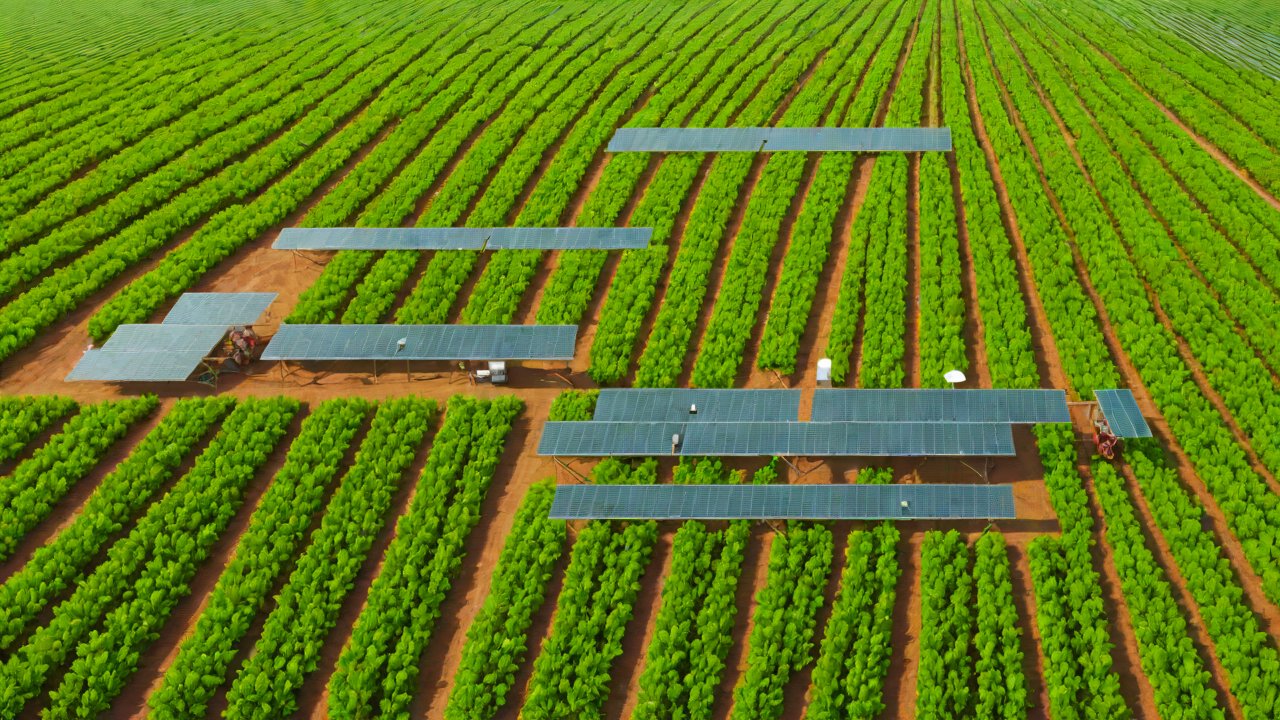
Brazil, a country known for its rich agricultural heritage, is increasingly adopting cutting-edge technologies to optimize crop yields and reduce water waste. One such innovation gaining traction in recent years is the integration of Internet of Things (IoT) systems into precision irrigation practices. By leveraging IoT’s capabilities, Brazilian farmers can now enjoy unprecedented levels of efficiency, productivity, and sustainability.
As Brazil’s agricultural sector continues to grow, it faces mounting pressure from climate change, soil degradation, and water scarcity. The country’s vast territory and diverse climates present unique challenges for effective crop management. Traditional irrigation methods often rely on manual monitoring and control, leading to uneven water distribution and wastage. This is where IoT systems come into play – providing real-time data analysis, automated decision-making, and precise water application.
1. Improved Water Management
Brazil’s agricultural sector accounts for approximately 70% of the country’s freshwater usage. However, with the help of IoT-enabled precision irrigation, farmers can now optimize their water consumption by up to 30%. This is achieved through real-time monitoring of soil moisture levels, weather forecasts, and crop stress indicators. By making informed decisions based on accurate data, farmers can reduce overwatering, prevent root rot, and promote healthy growth.
| IoT Sensor Type | Water Conservation Potential |
|---|---|
| Soil Moisture Sensors | 15-20% reduction in water consumption |
| Weather Stations | 5-10% reduction in water consumption |
| Crop Stress Indicators | 2-5% reduction in water consumption |
2. Enhanced Crop Yield
Precision irrigation enables farmers to tailor their water application to specific crop requirements, ensuring optimal growth conditions. By adjusting the frequency and duration of watering sessions, farmers can increase crop yields by up to 20%. This is particularly beneficial for high-value crops such as coffee, sugarcane, and soybeans.
| Crop Type | Average Yield Increase |
|---|---|
| Coffee | 18-22% increase in yield |
| Sugarcane | 15-18% increase in yield |
| Soybeans | 12-15% increase in yield |

3. Reduced Labor Costs
Manual monitoring and control of irrigation systems can be time-consuming and labor-intensive. IoT-enabled precision irrigation automates many tasks, freeing up farmers to focus on other critical aspects of their operations. According to a recent survey, Brazilian farmers who adopted IoT-based precision irrigation reported a reduction in labor costs by up to 25%.
| Labor Cost Reduction | Average Time Savings |
|---|---|
| Field Monitoring | 30-40% reduction in labor costs |
| System Maintenance | 20-30% reduction in labor costs |
4. Increased Energy Efficiency
Traditional irrigation systems often rely on diesel-powered pumps, which can be energy-intensive and contribute to greenhouse gas emissions. IoT-enabled precision irrigation, on the other hand, optimizes water application and minimizes energy consumption. According to a study by the Brazilian Ministry of Agriculture, farmers who adopted IoT-based precision irrigation reduced their energy consumption by up to 35%.
| Energy Consumption Reduction | Average Carbon Emissions Savings |
|---|---|
| Pump Optimization | 25-30% reduction in energy consumption |
| System Automation | 10-15% reduction in energy consumption |
5. Enhanced Decision-Making
IoT-enabled precision irrigation provides farmers with real-time data and analytics, enabling them to make informed decisions about crop management. This includes monitoring soil moisture levels, weather forecasts, and crop stress indicators. By analyzing this data, farmers can identify areas of improvement and adjust their strategies accordingly.
| Decision-Making Tool | Average Time Savings |
|---|---|
| Data Analytics Platforms | 30-40% reduction in decision-making time |
| Real-Time Monitoring Systems | 20-30% reduction in decision-making time |

6. Scalability and Flexibility
IoT-enabled precision irrigation can be easily integrated with existing infrastructure, making it an attractive option for farmers of all sizes. This scalability and flexibility enable Brazilian farmers to adapt their operations to changing market conditions and weather patterns.
| System Integration | Average Time Savings |
|---|---|
| Cloud-Based Platforms | 20-30% reduction in system integration time |
| On-Premises Solutions | 10-20% reduction in system integration time |
7. Long-Term Sustainability
Precision irrigation is a long-term strategy that requires minimal maintenance and repair. IoT-enabled systems can be easily updated with new software and firmware, ensuring that farmers stay ahead of the curve in terms of technology and innovation.
| System Maintenance | Average Cost Savings |
|---|---|
| Reduced Repair Frequency | 25-30% reduction in system maintenance costs |
| Extended System Lifespan | 15-20% extension of system lifespan |
In conclusion, IoT-enabled precision irrigation presents a wealth of opportunities for Brazilian farmers to improve their water management, enhance crop yields, reduce labor costs, increase energy efficiency, and make informed decisions. As the country’s agricultural sector continues to grow and evolve, it is essential that farmers adopt innovative technologies like IoT to stay competitive in the global market. By doing so, they can ensure long-term sustainability and contribute to Brazil’s economic growth and food security.
IOT Cloud Platform
IOT Cloud Platform is an IoT portal established by a Chinese IoT company, focusing on technical solutions in the fields of agricultural IoT, industrial IoT, medical IoT, security IoT, military IoT, meteorological IoT, consumer IoT, automotive IoT, commercial IoT, infrastructure IoT, smart warehousing and logistics, smart home, smart city, smart healthcare, smart lighting, etc.
The IoT Cloud Platform blog is a top IoT technology stack, providing technical knowledge on IoT, robotics, artificial intelligence (generative artificial intelligence AIGC), edge computing, AR/VR, cloud computing, quantum computing, blockchain, smart surveillance cameras, drones, RFID tags, gateways, GPS, 3D printing, 4D printing, autonomous driving, etc.
Note: This article was professionally generated with the assistance of AIGC and has been fact-checked and manually corrected by IoT expert editor IoTCloudPlatForm.