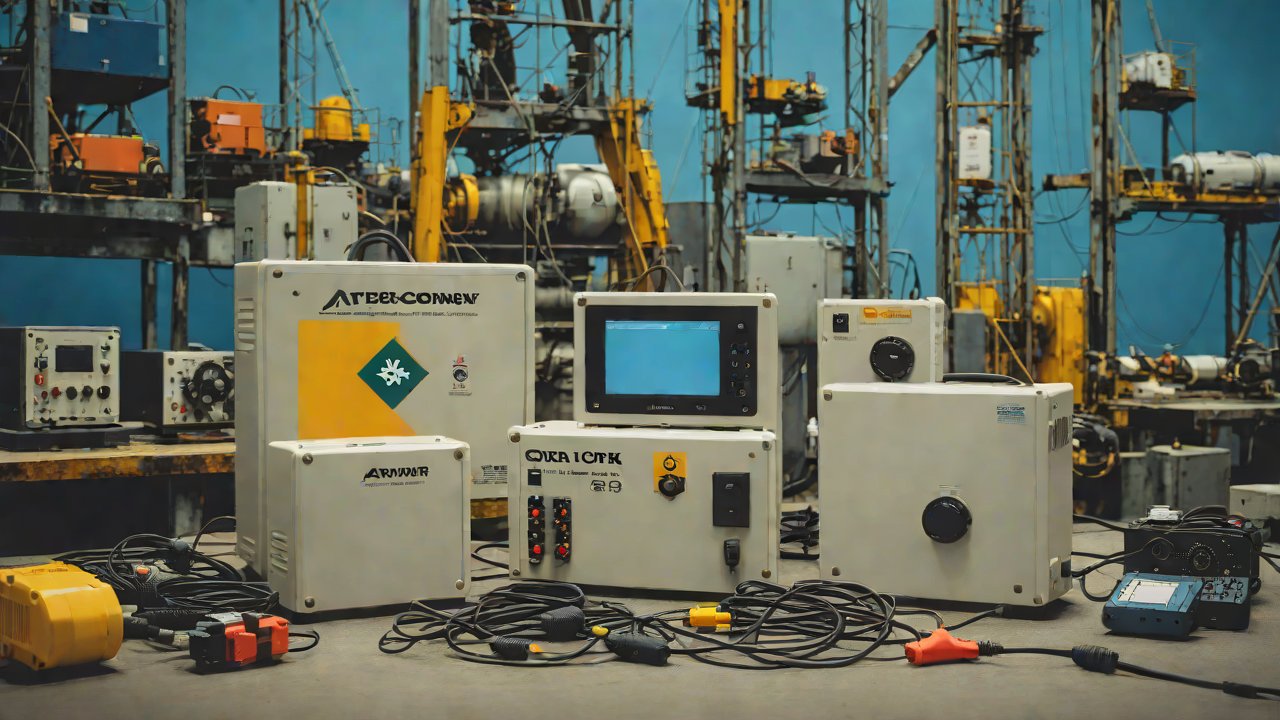
IoT Gateway for Explosion-Proof Areas (ATEX Certified) in Brazil
The growing demand for Industrial Internet of Things (IIoT) solutions has led to an increased focus on IoT gateways that can operate in explosion-proof areas, particularly in regions with stringent safety regulations such as Brazil. The ATEX certification is a crucial factor in ensuring the safe deployment of these devices in hazardous environments.
Brazil’s industrial sector is one of the largest and most diverse in Latin America, encompassing various industries including oil and gas, mining, chemical processing, and manufacturing. These sectors often operate in environments with explosive or flammable substances, necessitating the use of explosion-proof equipment to prevent accidents and ensure compliance with regulatory requirements.
The ATEX certification, which stands for Atex (Explosive Atmospheres) directive 2014/34/EU, is a mandatory requirement for any device intended for use in potentially explosive atmospheres. The certification involves rigorous testing and evaluation procedures to assess the device’s ability to prevent or mitigate explosions in hazardous environments.
1. Market Overview
The IoT gateway market has been growing steadily over the past few years, driven by increasing adoption of Industry 4.0 technologies and advancements in connectivity standards such as 5G and LPWAN (Low Power Wide Area Network). According to a report by MarketsandMarkets, the global IoT gateway market is projected to reach $13.6 billion by 2025, growing at a CAGR of 22.2% from 2020 to 2025.
The demand for ATEX-certified IoT gateways in Brazil is driven primarily by the country’s stringent safety regulations and the need for explosion-proof equipment in various industries. According to a report by ResearchAndMarkets, the Brazilian market for industrial automation systems is expected to grow at a CAGR of 8.3% from 2020 to 2025, driven by increasing investments in modernization and expansion of industrial facilities.
| Year | Global IoT Gateway Market Size (USD billion) | Brazilian Industrial Automation Systems Market Size (USD billion) |
|---|---|---|
| 2020 | 6.8 | 3.2 |
| 2025 | 13.6 | 7.2 |
2. ATEX Certification Requirements
The ATEX certification involves a series of rigorous testing and evaluation procedures to assess the device’s ability to prevent or mitigate explosions in hazardous environments. The certification process includes:
- Group I, II, and III classification: Devices are classified based on their intended use and the level of risk associated with their operation.
- Ex protection methods: Devices must employ one or more Ex protection methods, such as intrinsic safety, pressurization, or encapsulation, to prevent explosions.
- Testing and evaluation: Devices undergo a series of tests, including explosion testing, electrical testing, and mechanical testing, to assess their ability to withstand hazardous environments.
| ATEX Certification Requirements | Description |
|---|---|
| Group I | Equipment intended for use in mines susceptible to firedamp explosions |
| Group II | Equipment intended for use in other potentially explosive atmospheres (e.g., chemical processing plants) |
| Ex Protection Methods | Intrinsic safety, pressurization, encapsulation, or other methods to prevent explosions |
3. Technical Requirements
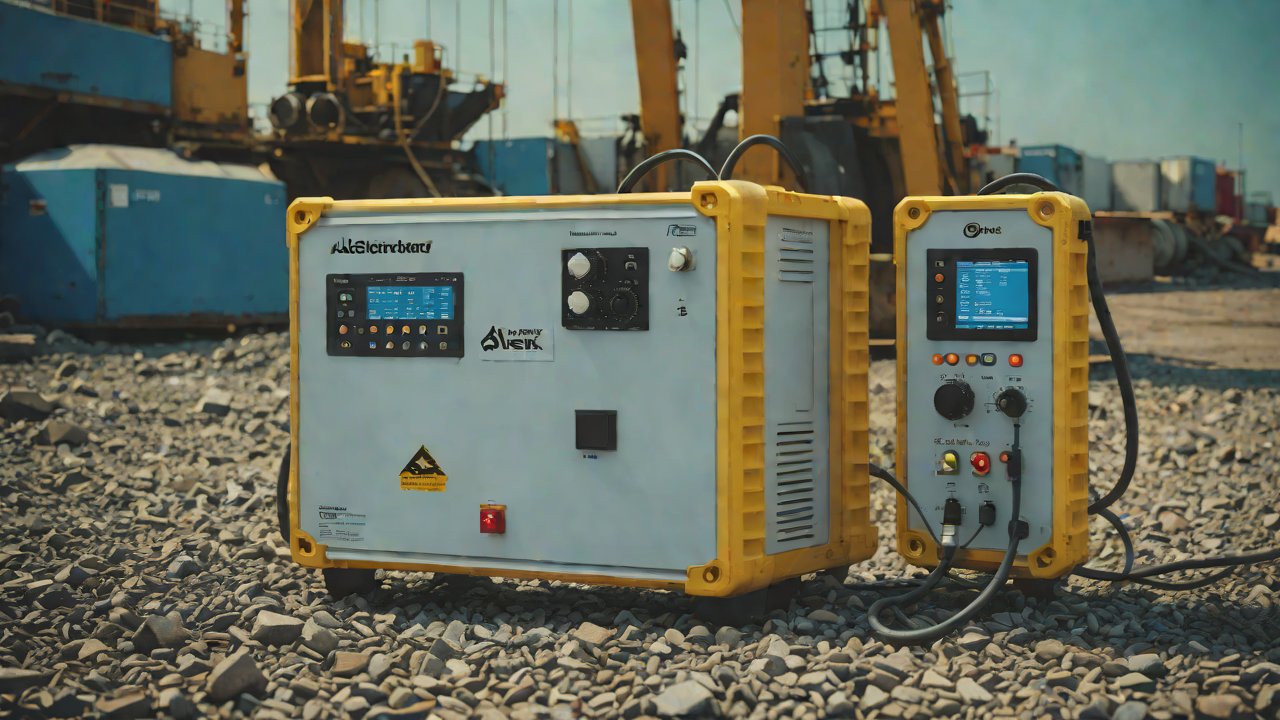
The technical requirements for ATEX-certified IoT gateways are stringent and must be met to ensure safe operation in hazardous environments. Some of the key technical requirements include:
- Communication protocols: Devices must support standardized communication protocols such as Modbus, Profibus, or Ethernet/IP.
- Power supply: Devices must have a reliable power supply, such as a battery backup system, to ensure continuous operation during power outages.
- Temperature range: Devices must operate within a specified temperature range to prevent overheating and explosion risks.
| Technical Requirements | Description |
|---|---|
| Communication Protocols | Modbus, Profibus, Ethernet/IP, or other standardized protocols |
| Power Supply | Battery backup system or other reliable power supply methods |
| Temperature Range | -20°C to 60°C (operating temperature range) |
4. IoT Gateway Solutions for Explosion-Proof Areas
Several IoT gateway solutions are available in the market that meet the ATEX certification requirements and technical specifications. Some of the key features and benefits of these solutions include:
- Compact design: Devices must be compact and designed to fit within explosion-proof enclosures.
- Easy installation: Devices must have a simple and user-friendly installation process to minimize downtime and maintenance costs.
- Advanced security features: Devices must incorporate advanced security features, such as encryption and access controls, to prevent unauthorized access.
| IoT Gateway Solutions | Description |
|---|---|
| Advantech’s WISE-1540 | ATEX-certified IoT gateway with compact design and easy installation process |
| Siemens’ SIMATIC Net | Industrial-grade IoT gateway with advanced security features and support for various communication protocols |
5. Conclusion
The demand for ATEX-certified IoT gateways in Brazil is driven by the country’s stringent safety regulations and the need for explosion-proof equipment in various industries. The market for industrial automation systems in Brazil is expected to grow at a CAGR of 8.3% from 2020 to 2025, driven by increasing investments in modernization and expansion of industrial facilities.
The ATEX certification involves rigorous testing and evaluation procedures to assess the device’s ability to prevent or mitigate explosions in hazardous environments. IoT gateway solutions that meet the ATEX certification requirements and technical specifications are available in the market, offering compact design, easy installation process, and advanced security features.
As the demand for Industrial Internet of Things (IIoT) solutions continues to grow, the need for explosion-proof equipment will become increasingly important. Manufacturers and suppliers must ensure that their products meet the stringent safety regulations and ATEX certification requirements to prevent accidents and ensure compliance with regulatory requirements.
| Recommendations | Description |
|---|---|
| Conduct thorough risk assessments | Identify potential hazards and risks associated with IoT deployments in explosion-proof areas |
| Choose ATEX-certified devices | Select devices that meet the ATEX certification requirements and technical specifications to ensure safe operation |
| Implement advanced security features | Incorporate encryption, access controls, and other advanced security features to prevent unauthorized access |
IOT Cloud Platform
IOT Cloud Platform is an IoT portal established by a Chinese IoT company, focusing on technical solutions in the fields of agricultural IoT, industrial IoT, medical IoT, security IoT, military IoT, meteorological IoT, consumer IoT, automotive IoT, commercial IoT, infrastructure IoT, smart warehousing and logistics, smart home, smart city, smart healthcare, smart lighting, etc.
The IoT Cloud Platform blog is a top IoT technology stack, providing technical knowledge on IoT, robotics, artificial intelligence (generative artificial intelligence AIGC), edge computing, AR/VR, cloud computing, quantum computing, blockchain, smart surveillance cameras, drones, RFID tags, gateways, GPS, 3D printing, 4D printing, autonomous driving, etc.
Note: This article was professionally generated with the assistance of AIGC and has been fact-checked and manually corrected by IoT expert editor IoTCloudPlatForm.