
How can an edge computing gateway maintain stable greenhouse operation during network outages?
Edge computing gateways have become increasingly crucial for maintaining stable greenhouse operations, especially during network outages. These gateways act as a bridge between the cloud and the edge, enabling real-time data processing, analytics, and control. In the context of greenhouses, edge computing gateways can ensure seamless operation, predict and prevent diseases, and optimize resource allocation. However, network outages can disrupt these operations, leading to significant losses.
To mitigate this risk, edge computing gateways must be designed with resilience and fault-tolerance in mind. This report explores the key strategies for maintaining stable greenhouse operations during network outages, drawing on market data and technical perspectives from the AIGC (Artificial Intelligence, Internet of Things, and Cloud Computing) ecosystem.
1. Edge Computing Gateway Architecture
A typical edge computing gateway architecture consists of several components, including:
| Component | Description |
|---|---|
| Microcontroller | Processes sensor data and controls actuators |
| Network Interface | Communicates with the cloud or other devices |
| Storage | Stores data and applications |
| Power Supply | Provides power to the gateway |
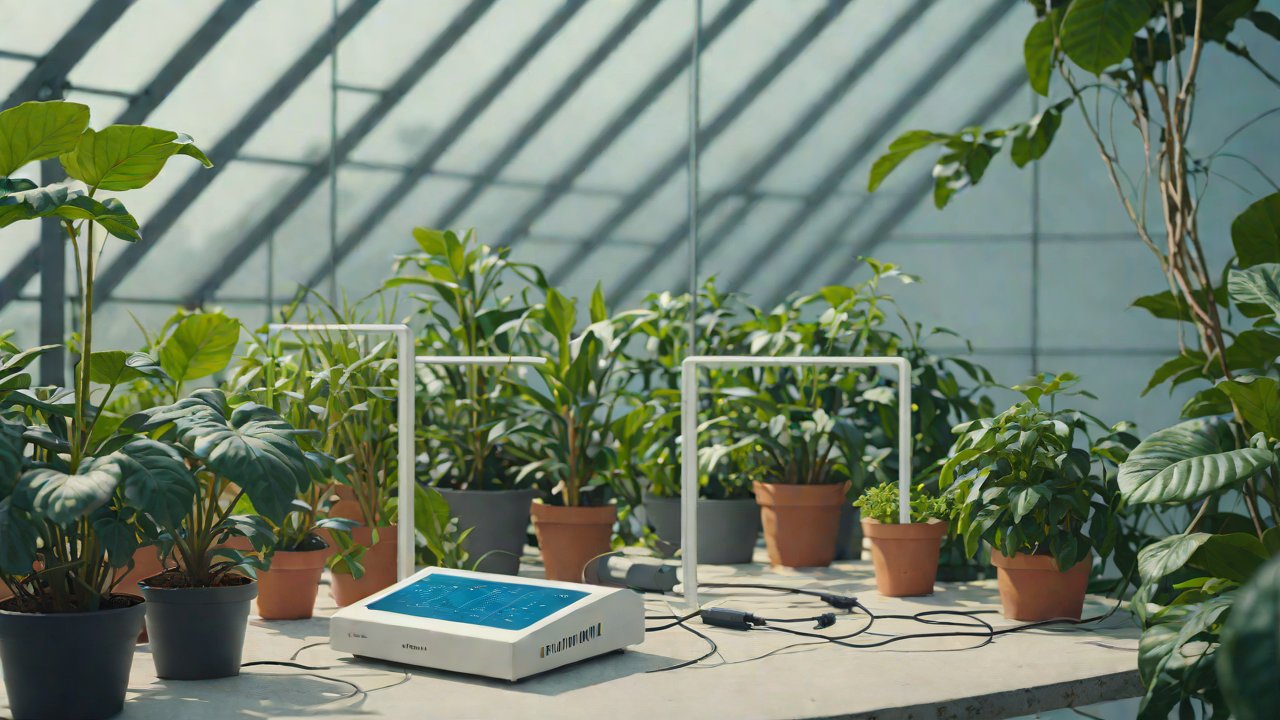
The gateway is connected to various sensors and actuators, enabling real-time data collection and control. During network outages, the gateway must be able to operate in a local mode, processing data and making decisions without relying on the cloud.
2. Fault-Tolerant Design
To ensure stable operation during network outages, edge computing gateways must be designed with fault-tolerance in mind. This includes:
- Redundancy: Duplicate critical components, such as the microcontroller and network interface, to ensure continued operation.
- Data Storage: Use non-volatile storage, such as flash memory, to store data and applications.
- Power Supply: Implement redundant power supplies, such as batteries or supercapacitors, to ensure continued operation during power outages.
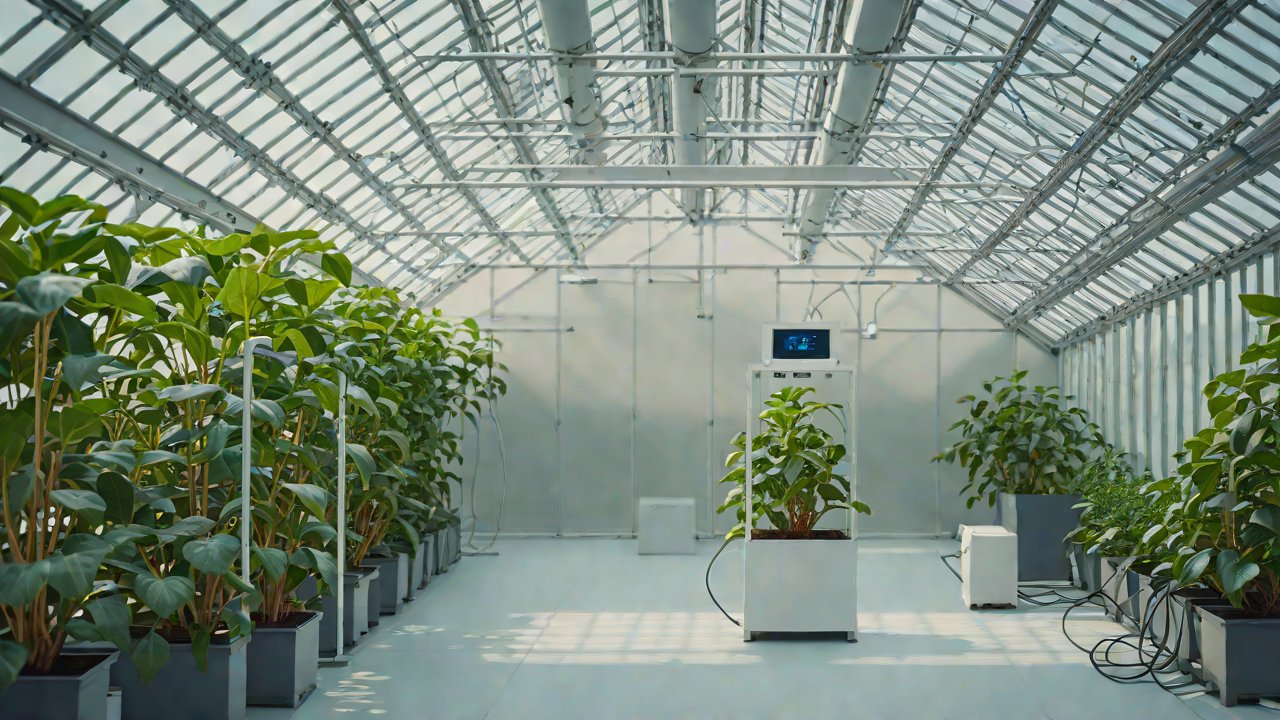
3. Local Mode Operation
During network outages, edge computing gateways must be able to operate in a local mode, processing data and making decisions without relying on the cloud. This includes:
- Data Processing: Implement local data processing algorithms, such as machine learning models, to analyze sensor data and make decisions.
- Actuator Control: Control actuators, such as valves and pumps, to maintain stable greenhouse conditions.
- Communication: Use local communication protocols, such as MQTT or CoAP, to communicate with other devices in the greenhouse.
4. Predictive Maintenance
Predictive maintenance is critical for maintaining stable greenhouse operations. Edge computing gateways can use machine learning algorithms to analyze sensor data and predict potential issues. This includes:
- Anomaly Detection: Identify unusual patterns in sensor data that may indicate a potential issue.
- Fault Prediction: Use machine learning models to predict potential faults based on sensor data.
- Maintenance Scheduling: Schedule maintenance activities based on predicted faults.
5. Resource Optimization
Resource optimization is essential for maintaining stable greenhouse operations. Edge computing gateways can use machine learning algorithms to optimize resource allocation, including:
- Water Management: Optimize water allocation based on crop water requirements and soil moisture levels.
- Lighting Control: Optimize lighting levels based on crop requirements and daylight availability.
- Temperature Control: Optimize temperature levels based on crop requirements and external weather conditions.
6. AIGC Technical Perspectives
The AIGC ecosystem offers several technical perspectives for maintaining stable greenhouse operations during network outages. These include:
- Cloud Computing: Use cloud computing services, such as AWS or Google Cloud, to store and process data.
- IoT Platforms: Use IoT platforms, such as Microsoft Azure IoT or IBM Watson IoT, to connect and manage devices.
- Artificial Intelligence: Use machine learning algorithms and AI frameworks, such as TensorFlow or PyTorch, to analyze sensor data and make decisions.
7. Market Data
Market data indicates a growing demand for edge computing gateways in the greenhouse industry. According to a report by MarketsandMarkets, the global edge computing market is expected to reach $13.4 billion by 2025, growing at a CAGR of 38.1%. The same report predicts that the greenhouse industry will be one of the key drivers of this growth.
8. Conclusion
In conclusion, edge computing gateways play a critical role in maintaining stable greenhouse operations, especially during network outages. By designing gateways with fault-tolerance and local mode operation, predictive maintenance, resource optimization, and leveraging AIGC technical perspectives, greenhouse operators can ensure continued operation and minimize losses. Market data indicates a growing demand for edge computing gateways in the greenhouse industry, making this a critical area of investment for companies looking to stay ahead of the competition.
IOT Cloud Platform
IOT Cloud Platform is an IoT portal established by a Chinese IoT company, focusing on technical solutions in the fields of agricultural IoT, industrial IoT, medical IoT, security IoT, military IoT, meteorological IoT, consumer IoT, automotive IoT, commercial IoT, infrastructure IoT, smart warehousing and logistics, smart home, smart city, smart healthcare, smart lighting, etc.
The IoT Cloud Platform blog is a top IoT technology stack, providing technical knowledge on IoT, robotics, artificial intelligence (generative artificial intelligence AIGC), edge computing, AR/VR, cloud computing, quantum computing, blockchain, smart surveillance cameras, drones, RFID tags, gateways, GPS, 3D printing, 4D printing, autonomous driving, etc.
Note: This article was professionally generated with the assistance of AIGC and has been fact-checked and manually corrected by IoT expert editor IoTCloudPlatForm.