Can this modular greenhouse control system be infinitely expanded like building blocks?
In the realm of agricultural technology, the concept of modular greenhouses has gained significant traction in recent years. These structures are designed to be flexible, scalable, and adaptable to various climate conditions, making them an attractive solution for farmers, researchers, and even urban growers. At the heart of a modular greenhouse lies a control system, which enables precise management of temperature, humidity, lighting, and irrigation – all critical factors in optimizing crop yields and plant health. However, the question remains: can this modular greenhouse control system be infinitely expanded like building blocks, allowing for seamless integration of new modules, sensors, and actuators as needed?
1. Modular Greenhouse Architecture and Control Systems
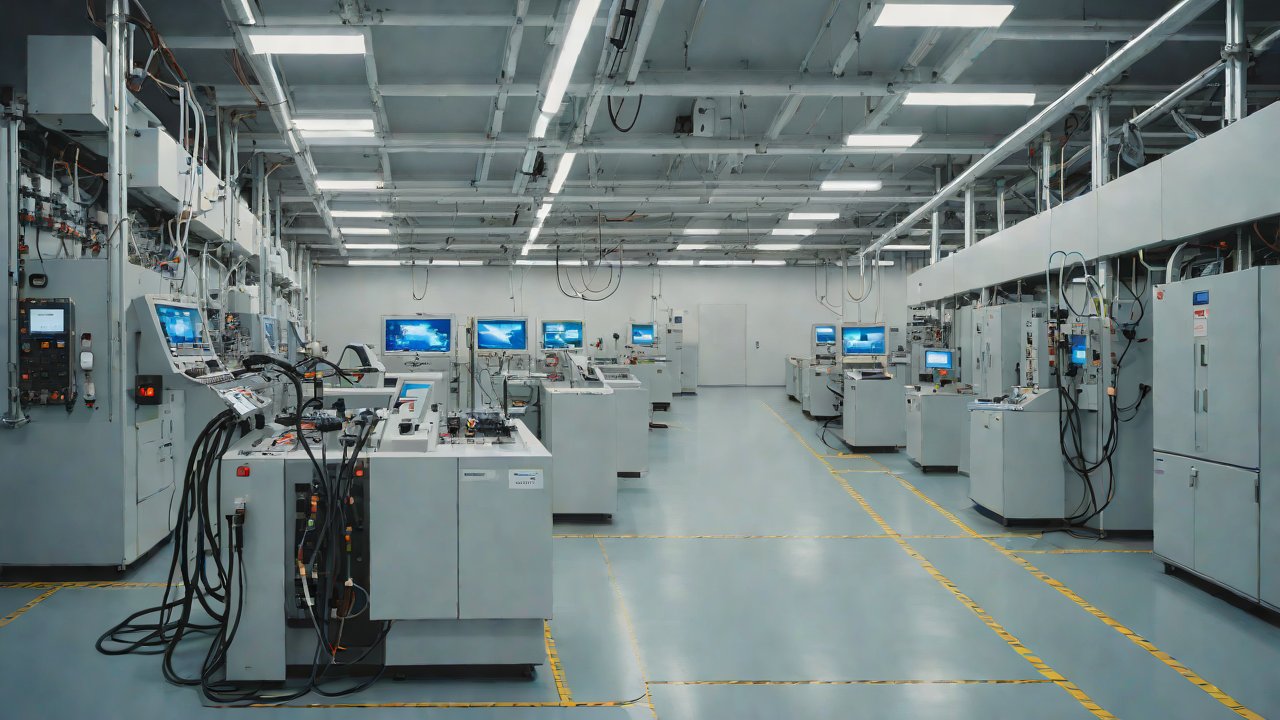
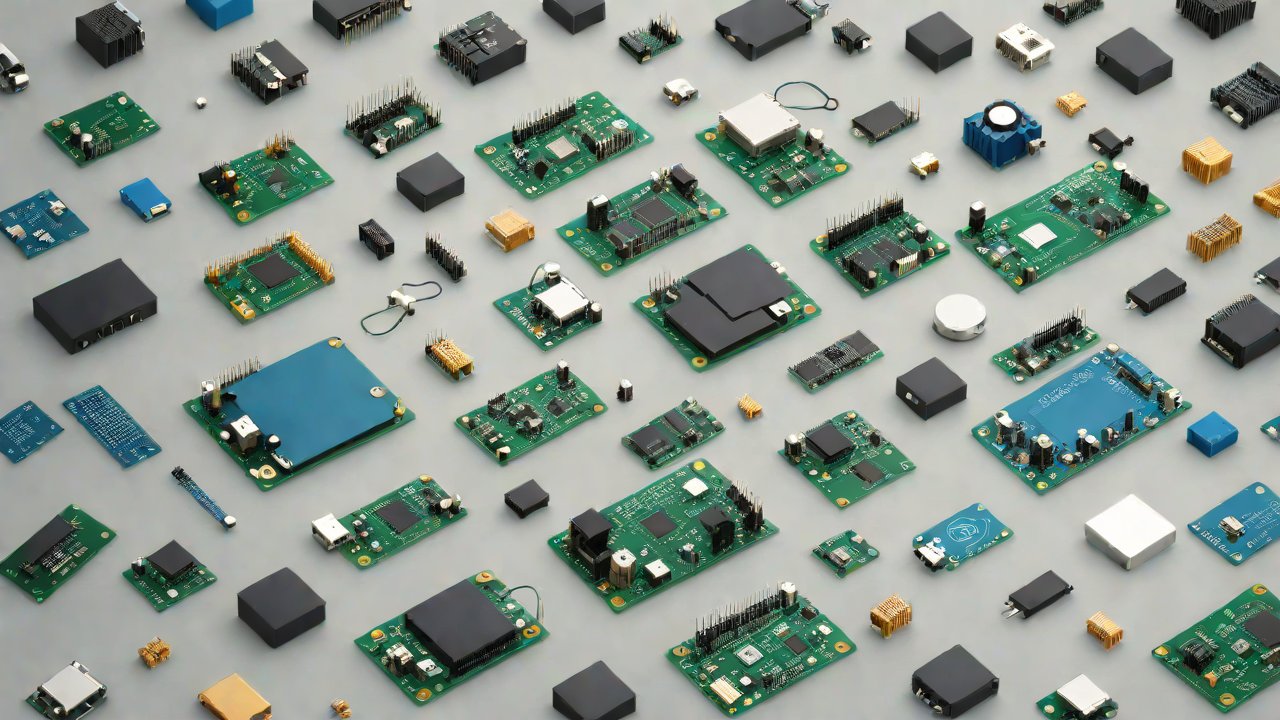
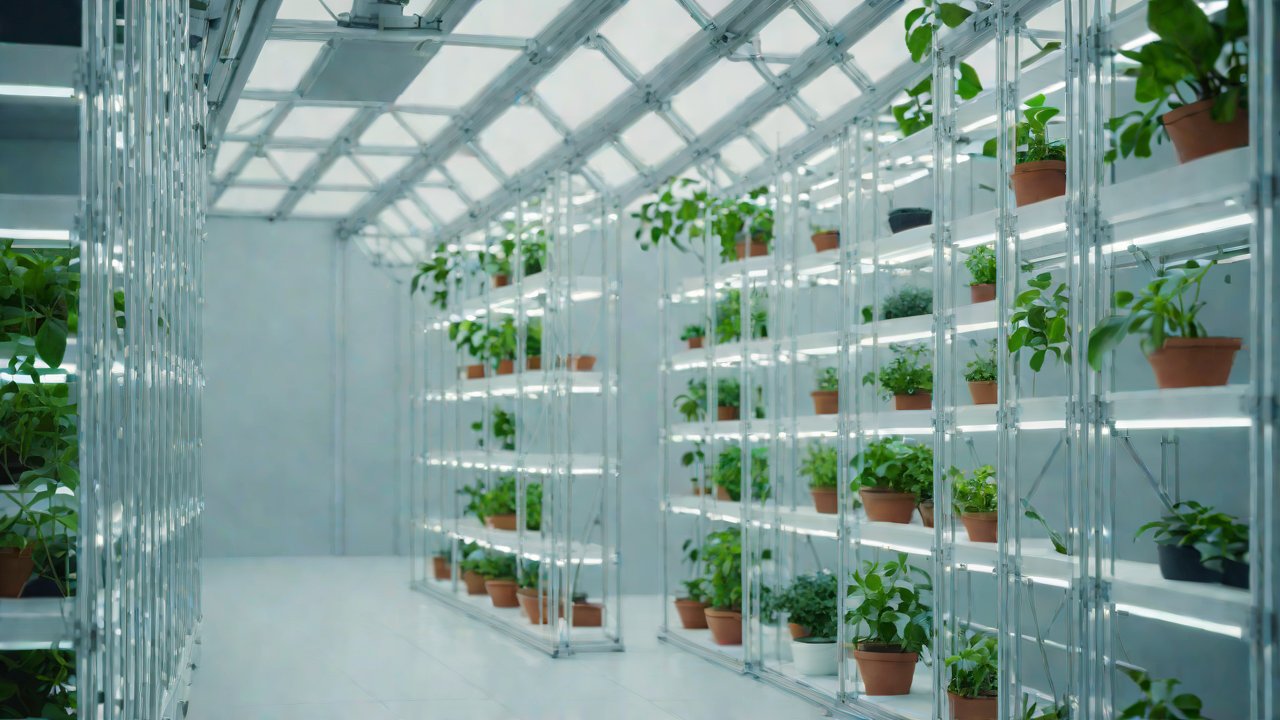
Modular greenhouses are composed of individual modules, each with its own control system, which can be connected to form a larger facility. These modules are typically designed to be independent, allowing for flexibility in terms of layout, size, and functionality. The control system, on the other hand, is the brain of the operation, responsible for monitoring and controlling various parameters within the greenhouse. This system can be based on a variety of technologies, including IoT sensors, automation controllers, and data analytics software.
| Module Type | Description | Control System Requirements |
|---|---|---|
| Climate Module | Temperature, humidity, and air circulation control | Sensors, actuators, and control algorithms |
| Lighting Module | LED or HPS lighting control | Dimming and scheduling algorithms |
| Irrigation Module | Watering and fertilization control | Sensors, pumps, and control valves |
| Monitoring Module | Environmental monitoring and data logging | Sensors, data storage, and analytics software |
2. Scalability and Expandability of Modular Greenhouse Control Systems
To address the question of whether modular greenhouse control systems can be infinitely expanded, we must examine the existing technologies and architectures. In general, control systems for modular greenhouses are designed to be modular themselves, allowing for easy integration of new modules and sensors. This is achieved through standardized interfaces, communication protocols, and data formats. However, as the complexity and size of the greenhouse increase, so does the need for more sophisticated control systems.
| Scalability Metrics | Current State | Future Requirements |
|---|---|---|
| Number of modules | 10-50 | 50-100+ |
| Sensor and actuator count | 10-50 | 50-100+ |
| Data processing and storage | Local/Cloud-based | Distributed/Cloud-based |
3. Technical Challenges and Limitations
While the idea of infinitely expanding modular greenhouse control systems is appealing, several technical challenges and limitations arise. These include:

- Communication and Interoperability: Ensuring seamless communication between different modules, sensors, and actuators, as well as compatibility with various control systems and protocols.
- Scalability and Performance: Maintaining system performance and responsiveness as the number of modules, sensors, and actuators increases.
- Data Management and Analytics: Handling the vast amounts of data generated by the greenhouse, including sensor readings, control decisions, and crop performance metrics.
- Cybersecurity: Protecting the control system from cyber threats and ensuring the integrity of the data and control decisions.
| Technical Challenges | Current State | Future Requirements |
|---|---|---|
| Communication protocols | IoT-based (e.g., MQTT, CoAP) | Distributed/Cloud-based (e.g., edge computing) |
| Interoperability standards | Industry-specific (e.g., ASABE, ISO) | Open-source and community-driven |
| Data processing and storage | Local/Cloud-based | Distributed/Cloud-based (e.g., Hadoop, Spark) |

4. Market Trends and Future Directions
The market for modular greenhouses and control systems is rapidly evolving, driven by advancements in IoT, AI, and data analytics. Key trends and future directions include:
- Increased Adoption of IoT and Edge Computing: The widespread adoption of IoT sensors and edge computing will enable real-time monitoring, control, and decision-making within the greenhouse.
- Growing Importance of Data Analytics: The ability to collect, process, and analyze vast amounts of data will become increasingly crucial for optimizing crop yields, plant health, and resource utilization.
- Integration with Other Technologies: Modular greenhouses will be integrated with other technologies, such as robotics, drones, and precision agriculture, to create smart and autonomous farming systems.
| Market Trends | Current State | Future Directions |
|---|---|---|
| IoT adoption | 10-20% | 50-70% |
| Edge computing adoption | 5-10% | 30-50% |
| Data analytics adoption | 20-30% | 50-70% |
5. Conclusion
In conclusion, while the concept of infinitely expanding modular greenhouse control systems is theoretically appealing, several technical challenges and limitations arise. The current state of technology and market trends suggest that, with continued advancements in IoT, AI, and data analytics, modular greenhouse control systems will become increasingly scalable and expandable. However, to achieve this goal, the industry must address the technical challenges and limitations outlined above, including communication and interoperability, scalability and performance, data management and analytics, and cybersecurity.
IOT Cloud Platform
IOT Cloud Platform is an IoT portal established by a Chinese IoT company, focusing on technical solutions in the fields of agricultural IoT, industrial IoT, medical IoT, security IoT, military IoT, meteorological IoT, consumer IoT, automotive IoT, commercial IoT, infrastructure IoT, smart warehousing and logistics, smart home, smart city, smart healthcare, smart lighting, etc.
The IoT Cloud Platform blog is a top IoT technology stack, providing technical knowledge on IoT, robotics, artificial intelligence (generative artificial intelligence AIGC), edge computing, AR/VR, cloud computing, quantum computing, blockchain, smart surveillance cameras, drones, RFID tags, gateways, GPS, 3D printing, 4D printing, autonomous driving, etc.
Note: This article was professionally generated with the assistance of AIGC and has been fact-checked and manually corrected by IoT expert editor IoTCloudPlatForm.