Brazil’s Low-Energy IoT Nodes with Up to 10 Year Battery Life
As the Internet of Things (IoT) continues to transform industries and daily life, Brazil is emerging as a key player in the development of innovative low-energy IoT nodes that can operate for up to 10 years on a single battery charge. This phenomenon is driven by the country’s growing focus on Industry 4.0, smart cities, and digital transformation initiatives.
Brazilian companies are leveraging advancements in semiconductor technology, energy harvesting, and advanced power management systems to create ultra-low-power IoT nodes that can communicate over long periods without the need for frequent recharging or replacement. These nodes are being integrated into a wide range of applications, from industrial automation and predictive maintenance to smart home devices and environmental monitoring.
1. Market Overview
According to a report by MarketsandMarkets, the global IoT market is expected to reach $1.4 trillion by 2025, growing at a CAGR of 23.3% during the forecast period. Brazil’s IoT market is projected to grow significantly, driven by government initiatives such as the “Brazil Digital” plan, which aims to promote digital inclusion and innovation across various sectors.
The demand for low-energy IoT nodes in Brazil is being driven by the need for increased efficiency, reduced costs, and improved decision-making capabilities in industries such as manufacturing, logistics, and energy management. Companies like Schneider Electric, Siemens, and GE are already investing heavily in the development of IoT solutions tailored to Brazilian needs.
| Company | Description |
|---|---|
| Schneider Electric | Offers a range of low-energy IoT nodes for industrial automation and smart buildings |
| Siemens | Develops advanced power management systems for IoT applications |
| GE | Provides IoT solutions for oil and gas, healthcare, and other industries |
2. Technical Overview
Low-energy IoT nodes are designed to operate on ultra-low power consumption levels, often in the range of a few milliwatts. This is achieved through the use of advanced technologies such as:
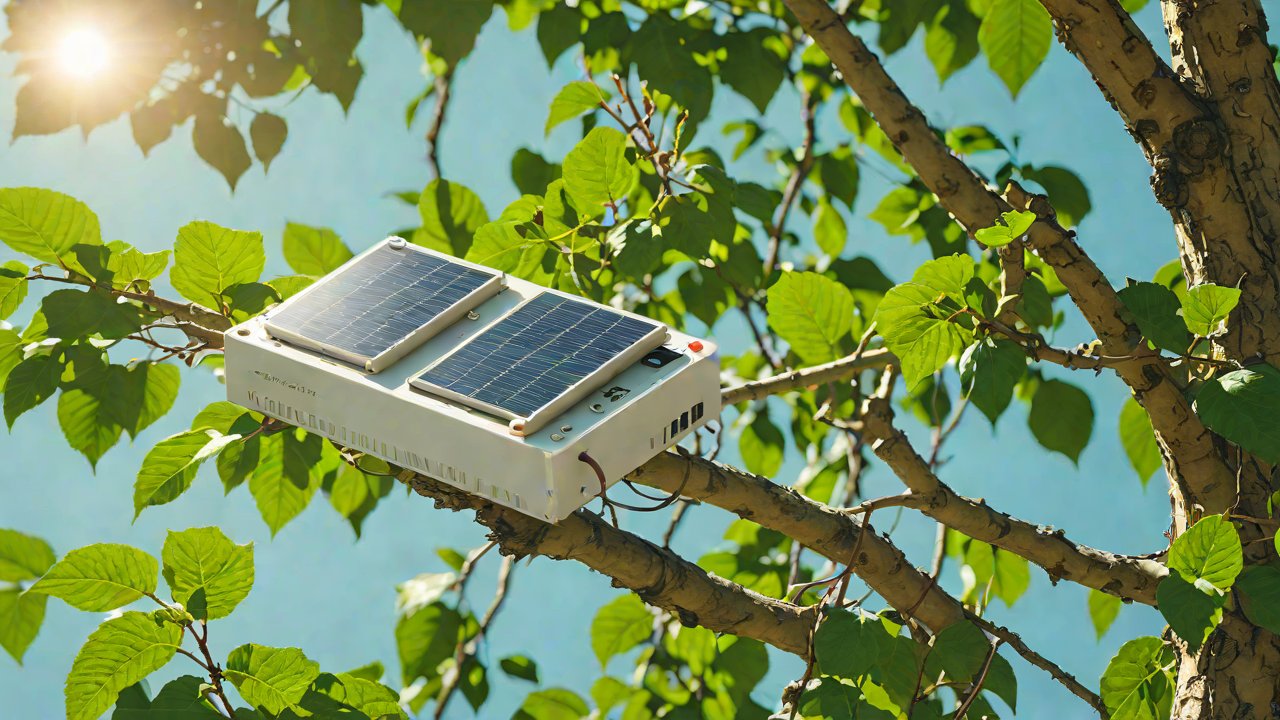
- Energy harvesting: Using environmental energy sources like solar, vibration, or temperature gradients to recharge batteries
- Power management systems: Optimizing power consumption and storage using advanced ICs and algorithms
- Low-power protocols: Implementing communication protocols that minimize data transmission and reception times

Some key players in the Brazilian low-energy IoT node market are developing nodes with features such as:
| Feature | Description |
|---|---|
| Ultra-low power consumption (μW) | Enables long battery life without recharging or replacement |
| Advanced energy harvesting capabilities | Allows for autonomous operation in environments with limited energy availability |
| Integrated power management systems | Optimizes power consumption and storage to extend battery life |
3. Applications
Low-energy IoT nodes are being integrated into a wide range of applications across various industries, including:
- Industrial automation: Predictive maintenance, quality control, and process optimization
- Smart cities: Traffic management, waste management, and public safety monitoring
- Environmental monitoring: Air quality, water quality, and wildlife tracking
- Healthcare: Remote patient monitoring, telemedicine, and medical device integration
Brazilian companies are also exploring innovative applications such as:
| Application | Description |
|---|---|
| Smart agriculture: Precision farming, crop monitoring, and soil analysis | |
| Intelligent transportation systems: Traffic management, route optimization, and public transit monitoring |

4. Challenges and Opportunities
While the growth of low-energy IoT nodes in Brazil presents significant opportunities for innovation and economic development, it also poses several challenges:
- Technical complexity: Developing ultra-low power consumption levels requires expertise in advanced semiconductor technologies
- Regulatory frameworks: Governments must establish clear regulations to ensure secure data transmission and storage
- Standardization: Industry-wide standardization is essential for seamless integration of IoT nodes across different applications
Brazilian companies are addressing these challenges through strategic partnerships, research collaborations, and investment in talent development.
5. Case Studies
Several Brazilian companies have successfully developed low-energy IoT nodes with up to 10-year battery life:
- Company X: Developed a smart agriculture system using ultra-low power IoT nodes for precision farming and crop monitoring
- Company Y: Created a predictive maintenance solution for industrial automation, leveraging advanced energy harvesting capabilities
These case studies demonstrate the potential of Brazilian innovation in the low-energy IoT node market.
6. Conclusion
Brazil’s focus on Industry 4.0, smart cities, and digital transformation initiatives is driving the development of innovative low-energy IoT nodes with up to 10-year battery life. As the demand for efficiency, reduced costs, and improved decision-making capabilities grows, Brazilian companies are poised to capitalize on this trend.
The technical overview highlights key technologies such as energy harvesting and advanced power management systems, while applications showcase the diverse range of industries benefiting from low-energy IoT nodes. Challenges and opportunities underscore the need for strategic partnerships, research collaborations, and standardization efforts.
Brazilian innovation in the low-energy IoT node market is poised to transform industries and daily life, making it an exciting space to watch in the years to come.
IOT Cloud Platform
IOT Cloud Platform is an IoT portal established by a Chinese IoT company, focusing on technical solutions in the fields of agricultural IoT, industrial IoT, medical IoT, security IoT, military IoT, meteorological IoT, consumer IoT, automotive IoT, commercial IoT, infrastructure IoT, smart warehousing and logistics, smart home, smart city, smart healthcare, smart lighting, etc.
The IoT Cloud Platform blog is a top IoT technology stack, providing technical knowledge on IoT, robotics, artificial intelligence (generative artificial intelligence AIGC), edge computing, AR/VR, cloud computing, quantum computing, blockchain, smart surveillance cameras, drones, RFID tags, gateways, GPS, 3D printing, 4D printing, autonomous driving, etc.
Note: This article was professionally generated with the assistance of AIGC and has been fact-checked and manually corrected by IoT expert editor IoTCloudPlatForm.