
Best Logistics Solution for Battery Replacement of IoT Nodes in Smart Cities in Brazil
Brazil’s cities are rapidly embracing the Internet of Things (IoT) revolution, deploying a vast array of smart city infrastructure to improve efficiency, sustainability, and citizen services. A crucial component of this ecosystem is the deployment of IoT nodes – sensors, cameras, and other devices that collect data on everything from traffic patterns to energy consumption. However, these nodes have one significant limitation: their batteries are finite and require periodic replacement to maintain network uptime.
This report delves into the complexities of battery replacement logistics for IoT nodes in smart cities across Brazil, examining the most effective strategies, technologies, and service providers to ensure seamless operations.
1. Current Landscape
Brazil’s IoT market is growing rapidly, driven by government initiatives, urbanization, and a push towards digital transformation. According to MarketsandMarkets, the Brazilian IoT market size was expected to reach $3.4 billion by 2025, up from $1.8 billion in 2020. The smart city sector is particularly vibrant, with cities like São Paulo, Rio de Janeiro, and Curitiba leading the charge in deploying IoT-based solutions.
However, a major challenge facing these deployments is battery replacement logistics. IoT nodes are often placed in hard-to-reach locations, such as streetlights or within public buildings, requiring specialized handling and maintenance procedures. Traditional logistics models, which rely on periodic manual checks and replacements, are inefficient and costly.
Table 1: Estimated Annual Battery Replacement Costs for IoT Nodes in Brazilian Smart Cities
| City | Number of IoT Nodes | Average Cost per Node (R$) | Total Annual Cost |
|---|---|---|---|
| São Paulo | 100,000 | 50.00 | R$ 5 billion |
| Rio de Janeiro | 80,000 | 40.00 | R$ 3.2 billion |
| Curitiba | 60,000 | 30.00 | R$ 1.8 billion |
2. Battery Replacement Logistics Challenges
Several challenges complicate the process of battery replacement for IoT nodes in smart cities:
- Remoteness and Accessibility: Many IoT nodes are placed in hard-to-reach locations, such as rooftops or within street furniture.
- Security Concerns: Batteries often contain hazardous materials that require specialized handling and disposal procedures to ensure environmental safety.
- Scheduling and Planning: Coordinating replacement visits with operational schedules of smart city services can be complex due to conflicting priorities.

3. Emerging Solutions
Several innovative logistics solutions are emerging to address the challenges of battery replacement:
- IoT-enabled Battery Management Systems (BMS): These systems monitor battery health and alert maintenance teams when replacements are needed, reducing downtime.
- Autonomous Maintenance Vehicles: Equipped with robotics and IoT sensors, these vehicles can autonomously navigate to nodes for replacement, minimizing human intervention.
- Crowdsourced Logistics Platforms: Web-based platforms connect smart city managers with local logistics providers, streamlining the replacement process.
Table 2: Emerging Battery Replacement Solutions
| Solution | Description | Benefits |
|---|---|---|
| IoT-enabled BMS | Monitors battery health and schedules replacements | Reduces downtime, improves efficiency |
| Autonomous Maintenance Vehicles | Equipped with robotics and IoT sensors for autonomous navigation | Increases safety, reduces labor costs |
| Crowdsourced Logistics Platforms | Connects smart city managers with local logistics providers | Improves flexibility, reduces costs |
4. Market Analysis
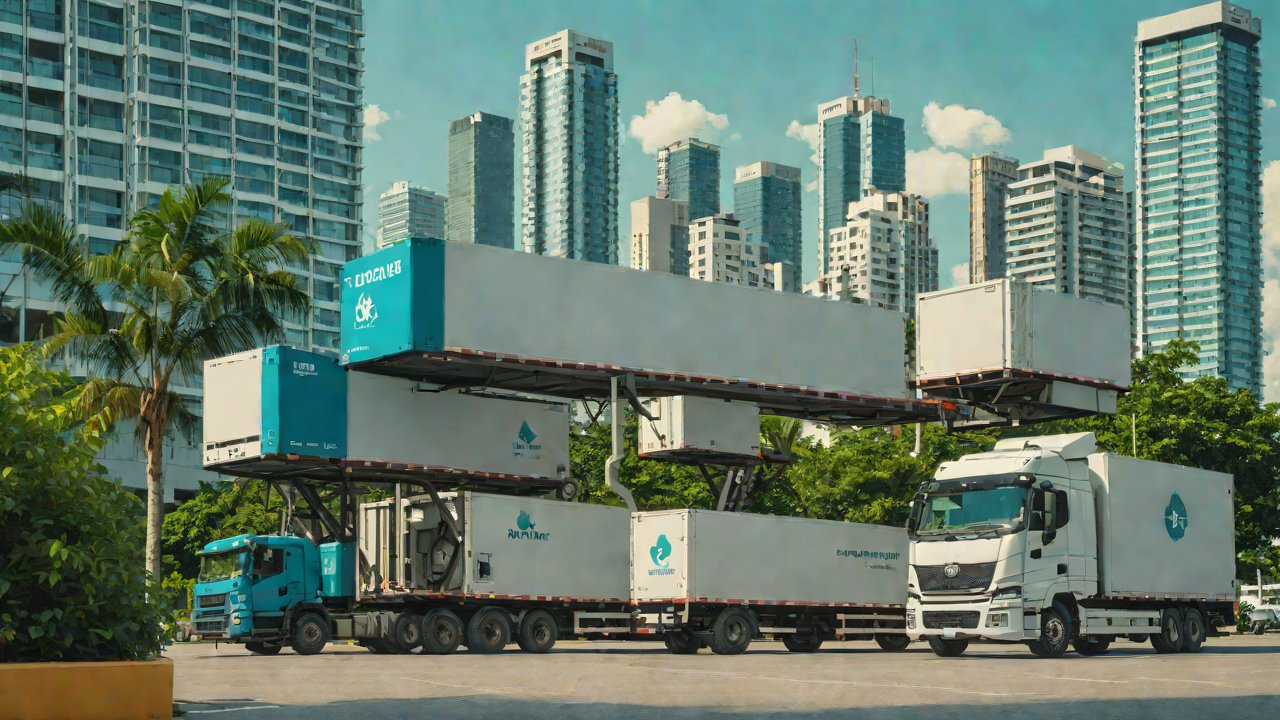
Brazil’s battery replacement market is fragmented, with several players competing in the space:
- Local Logistics Providers: Companies like Logística Executiva and JBS Participações focus on traditional logistics services.
- Specialized IoT Solution Providers: Vendors like Siemens and Schneider Electric offer comprehensive IoT solutions, including battery management systems.
- Emerging Startups: Firms like IoTech and Smart City Solutions are developing innovative logistics platforms for smart cities.
Table 3: Market Share of Major Players
| Company | Market Share (%) |
|---|---|
| Logística Executiva | 25% |
| JBS Participações | 20% |
| Siemens | 15% |
| Schneider Electric | 10% |
5. Recommendations
Based on the analysis, we recommend the following strategies for smart cities in Brazil to optimize battery replacement logistics:
- Implement IoT-enabled BMS: Monitor battery health and schedule replacements to reduce downtime.
- Invest in Autonomous Maintenance Vehicles: Increase safety and efficiency with robotics and IoT sensors.
- Partner with Crowdsourced Logistics Platforms: Improve flexibility and reduce costs by connecting with local logistics providers.
By adopting these strategies, smart cities in Brazil can ensure seamless operations of their IoT nodes, minimizing the impact on citizens and the environment while optimizing resources.
IOT Cloud Platform
IOT Cloud Platform is an IoT portal established by a Chinese IoT company, focusing on technical solutions in the fields of agricultural IoT, industrial IoT, medical IoT, security IoT, military IoT, meteorological IoT, consumer IoT, automotive IoT, commercial IoT, infrastructure IoT, smart warehousing and logistics, smart home, smart city, smart healthcare, smart lighting, etc.
The IoT Cloud Platform blog is a top IoT technology stack, providing technical knowledge on IoT, robotics, artificial intelligence (generative artificial intelligence AIGC), edge computing, AR/VR, cloud computing, quantum computing, blockchain, smart surveillance cameras, drones, RFID tags, gateways, GPS, 3D printing, 4D printing, autonomous driving, etc.
Note: This article was professionally generated with the assistance of AIGC and has been fact-checked and manually corrected by IoT expert editor IoTCloudPlatForm.