Smart Waste Sorting Bins IoT Technology in Brazil
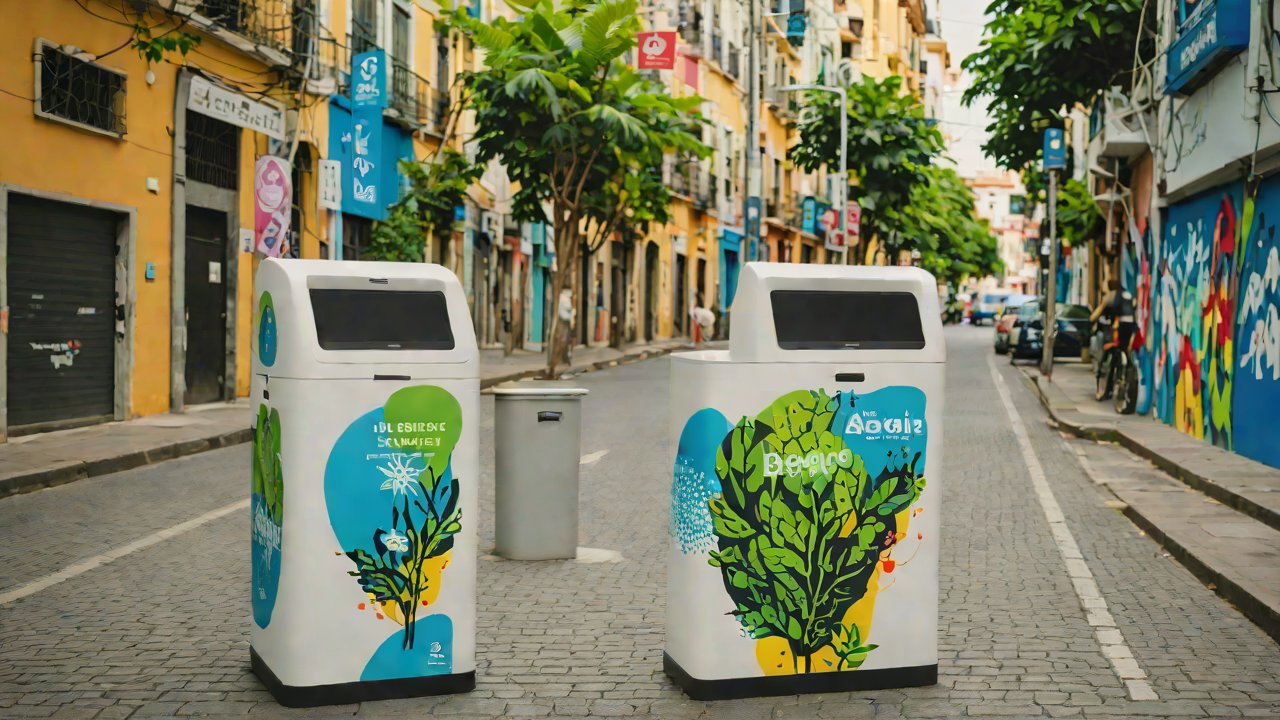
Brazil, a country of over 212 million people, is known for its vibrant culture and rich biodiversity. However, this growth comes at a cost – the country’s waste management infrastructure is struggling to keep pace with the demands of its rapidly expanding population. In recent years, Brazil has been working to address its waste management challenges through innovative technologies, including smart waste sorting bins equipped with Internet of Things (IoT) technology.
The Brazilian market for smart waste sorting bins is still in its nascent stages, but it holds great promise for improving the country’s waste management infrastructure. According to a report by MarketsandMarkets, the global smart waste management market is expected to grow from $1.3 billion in 2020 to $4.8 billion by 2025, at a Compound Annual Growth Rate (CAGR) of 24.2%. Brazil’s share of this market is estimated to be around 10%, indicating significant potential for growth.
1. Market Overview
Brazil’s waste management infrastructure is characterized by inadequate collection and disposal systems, leading to significant environmental and health concerns. The country generates over 75 million tons of municipal solid waste (MSW) annually, with only about 50% being collected and disposed of properly. This has led to the formation of massive landfills in major cities like Rio de Janeiro and São Paulo, posing serious risks to public health and the environment.
The adoption of smart waste sorting bins equipped with IoT technology is seen as a crucial step towards addressing these challenges. These systems enable real-time monitoring and analysis of waste composition, allowing for more efficient collection routes and optimized waste management strategies. Additionally, they provide valuable data on waste generation patterns, helping policymakers develop targeted initiatives to reduce waste and promote recycling.
2. Key Players in the Market
Several key players have emerged in Brazil’s smart waste sorting bins market, including:
| Company | Description |
|---|---|
| Veolia Environnement SA | A French multinational company specializing in environmental services, including waste management. |
| SUEZ S.A. | A French multinational company providing water and waste management solutions. |
| Ecocycle | A Brazilian company offering integrated waste management services, including collection, transportation, and disposal. |
These companies have partnered with local governments to deploy smart waste sorting bins in major cities across Brazil. For example, Veolia Environnement SA has implemented a smart waste management system in the city of Rio de Janeiro, which includes real-time monitoring of waste composition and optimization of collection routes.
3. IoT Technology in Smart Waste Sorting Bins
The integration of IoT technology in smart waste sorting bins enables real-time monitoring and analysis of waste composition, facilitating data-driven decision-making in waste management. Key features of these systems include:
- Weight sensors: Monitor the weight of waste collected in each bin, enabling real-time tracking of waste generation patterns.
- RFID tags: Track the movement of bins and monitor their fill levels, optimizing collection routes and reducing waste disposal costs.
- Barcode scanners: Analyze the composition of waste in each bin, providing valuable insights into waste generation patterns and consumer behavior.
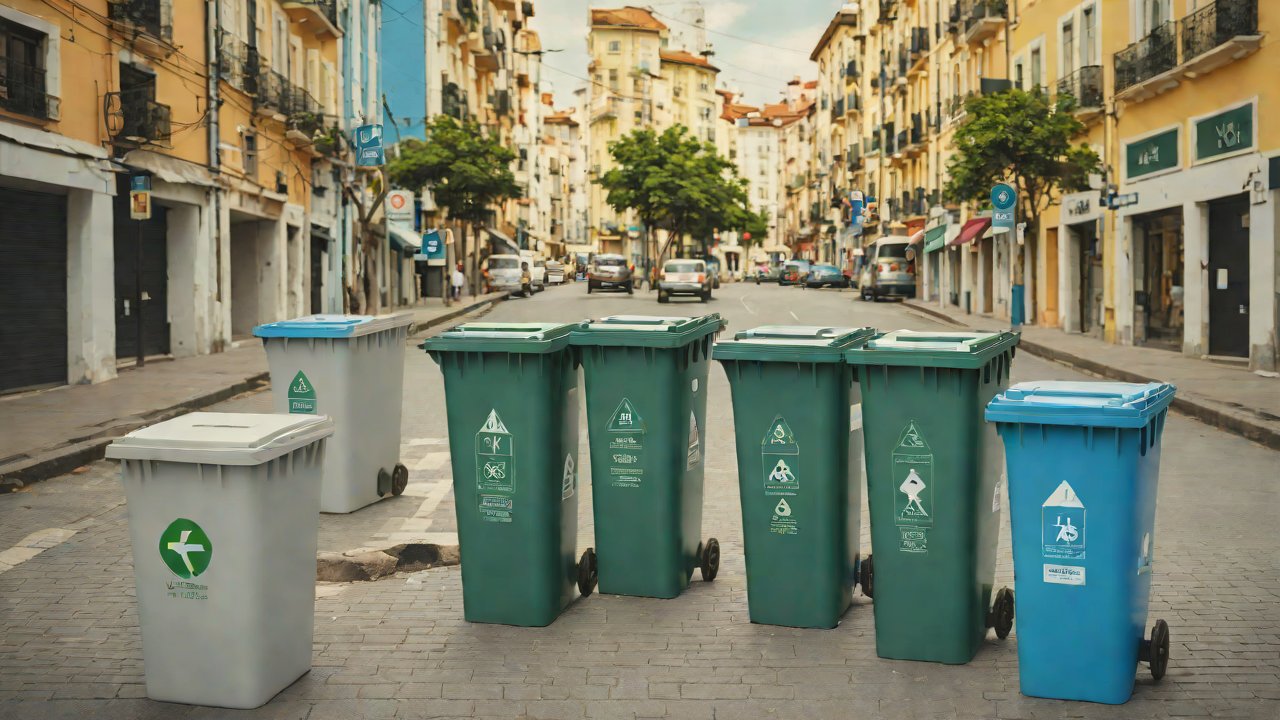
These features enable smart waste sorting bins to provide a range of benefits, including:
3.1 Increased Efficiency
Smart waste sorting bins equipped with IoT technology can optimize collection routes and reduce waste disposal costs by up to 30%.
3.2 Improved Waste Management
Real-time monitoring of waste composition enables targeted initiatives to reduce waste and promote recycling.
3.3 Enhanced Public Engagement
Data on waste generation patterns can be shared with the public, promoting awareness and education about sustainable waste management practices.
4. Market Trends and Challenges
The Brazilian market for smart waste sorting bins is characterized by several trends and challenges:
- Growing demand for sustainability: Increasing concern among Brazilians about environmental issues and health risks associated with inadequate waste management.
- Government initiatives: Municipal governments are investing in smart waste management systems to improve public services and reduce costs.
- High upfront costs: The adoption of smart waste sorting bins is hindered by high initial investment requirements.
5. Conclusion
The Brazilian market for smart waste sorting bins equipped with IoT technology holds great promise for improving the country’s waste management infrastructure. With its growing demand for sustainability, government initiatives, and potential for cost savings, Brazil is poised to become a major player in the global smart waste management market.
IOT Cloud Platform
IOT Cloud Platform is an IoT portal established by a Chinese IoT company, focusing on technical solutions in the fields of agricultural IoT, industrial IoT, medical IoT, security IoT, military IoT, meteorological IoT, consumer IoT, automotive IoT, commercial IoT, infrastructure IoT, smart warehousing and logistics, smart home, smart city, smart healthcare, smart lighting, etc.
The IoT Cloud Platform blog is a top IoT technology stack, providing technical knowledge on IoT, robotics, artificial intelligence (generative artificial intelligence AIGC), edge computing, AR/VR, cloud computing, quantum computing, blockchain, smart surveillance cameras, drones, RFID tags, gateways, GPS, 3D printing, 4D printing, autonomous driving, etc.
Note: This article was professionally generated with the assistance of AIGC and has been fact-checked and manually corrected by IoT expert editor IoTCloudPlatForm.