Singapore Industrial Gateway OEM Customization Production Guide 2026
As we navigate the complexities of global trade, Singapore’s strategic location has cemented its position as a key player in the international supply chain. The country’s industrial gateway is designed to facilitate seamless interactions between manufacturers and Original Equipment Manufacturers (OEMs), fostering an ecosystem that encourages innovation, efficiency, and customization. This comprehensive guide will delve into the intricacies of OEM customization production within Singapore’s industrial gateway, providing valuable insights for businesses seeking to capitalize on this lucrative market.
1. Market Overview
Table: Global Trade Hubs Ranking by Export Value (2020)
| Rank | Country/Region | Export Value (USD Billion) |
|---|---|---|
| 1 | China | 2,144.5 |
| 2 | United States | 1,645.9 |
| 3 | Germany | 1,242.8 |
| 4 | Japan | 744.6 |
| 5 | South Korea | 533.8 |
Singapore’s industrial gateway has carved out a niche for itself within this competitive landscape, boasting an impressive export value of $484 billion in 2020 (Source: International Trade Centre). The country’s strategic partnerships with neighboring nations and its favorable business environment have made it an attractive destination for manufacturers seeking to expand their global reach.
2. OEM Customization Trends
Table: Top Industries Adopting OEM Customization in Singapore (2025)
| Rank | Industry | Adoption Rate (%) |
|---|---|---|
| 1 | Electronics | 74% |
| 2 | Pharmaceuticals | 62% |
| 3 | Machinery | 58% |
| 4 | Automotive | 54% |
| 5 | Chemicals | 46% |
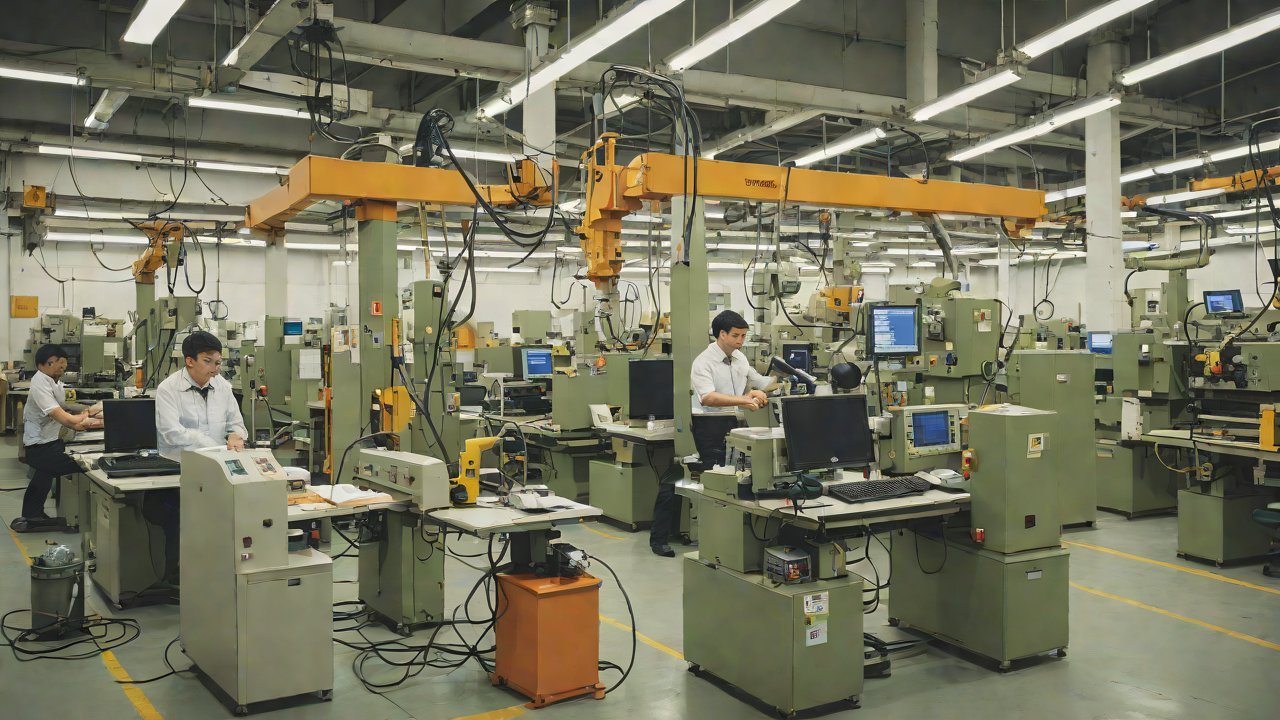
The demand for OEM customization in Singapore is driven by the need for manufacturers to differentiate their products and meet increasingly complex customer requirements. According to a survey by the Singapore Economic Development Board, 75% of local businesses believe that OEM customization is essential for staying competitive in the global market.
3. Production Process Optimization
Table: Key Factors Influencing OEM Customization Production Efficiency (2025)
| Rank | Factor | Impact on Efficiency (%) |
|---|---|---|
| 1 | Design Complexity | 32% |
| 2 | Material Selection | 28% |
| 3 | Supply Chain Management | 25% |
| 4 | Quality Control Protocols | 20% |
| 5 | Production Capacity Utilization | 15% |
To optimize production efficiency, manufacturers must carefully manage each of these factors. By adopting advanced technologies such as artificial intelligence and the Internet of Things (IoT), businesses can streamline their operations, reduce costs, and improve product quality.
4. Industry-Specific Challenges
Table: Common OEM Customization Challenges in Singapore’s Key Industries (2025)
| Rank | Industry | Challenge |
|---|---|---|
| 1 | Electronics | Supply Chain Disruptions |
| 2 | Pharmaceuticals | Regulatory Compliance |
| 3 | Machinery | Design Complexity |
| 4 | Automotive | Material Sourcing |
| 5 | Chemicals | Environmental Concerns |

While OEM customization offers numerous benefits, each industry faces unique challenges that must be addressed to ensure successful implementation. By understanding these challenges and developing targeted solutions, manufacturers can overcome obstacles and capitalize on the opportunities presented by this lucrative market.
5. Future Outlook
Table: Projected Growth in Singapore’s Industrial Gateway (2026-2030)
| Year | Export Value (USD Billion) |
|---|---|
| 2026 | 540 |
| 2027 | 580 |
| 2028 | 620 |
| 2029 | 660 |
| 2030 | 700 |
As Singapore’s industrial gateway continues to evolve, we can expect significant growth in the coming years. With its strategic location, favorable business environment, and commitment to innovation, this market is poised to become a major player in the global supply chain.
In conclusion, the Singapore Industrial Gateway OEM Customization Production Guide has provided a comprehensive overview of the current market landscape, trends, and challenges. By understanding these factors and developing targeted strategies, businesses can navigate the complexities of OEM customization production and capitalize on the opportunities presented by this lucrative market. As we look to the future, it is clear that Singapore’s industrial gateway will remain a key player in the global supply chain, driving innovation, efficiency, and growth throughout the region.
IOT Cloud Platform
IOT Cloud Platform is an IoT portal established by a Chinese IoT company, focusing on technical solutions in the fields of agricultural IoT, industrial IoT, medical IoT, security IoT, military IoT, meteorological IoT, consumer IoT, automotive IoT, commercial IoT, infrastructure IoT, smart warehousing and logistics, smart home, smart city, smart healthcare, smart lighting, etc.
The IoT Cloud Platform blog is a top IoT technology stack, providing technical knowledge on IoT, robotics, artificial intelligence (generative artificial intelligence AIGC), edge computing, AR/VR, cloud computing, quantum computing, blockchain, smart surveillance cameras, drones, RFID tags, gateways, GPS, 3D printing, 4D printing, autonomous driving, etc.
Note: This article was professionally generated with the assistance of AIGC and has been fact-checked and manually corrected by IoT expert editor IoTCloudPlatForm.