Preferred Singaporean Sensor Distributors for Smart City Infrastructure
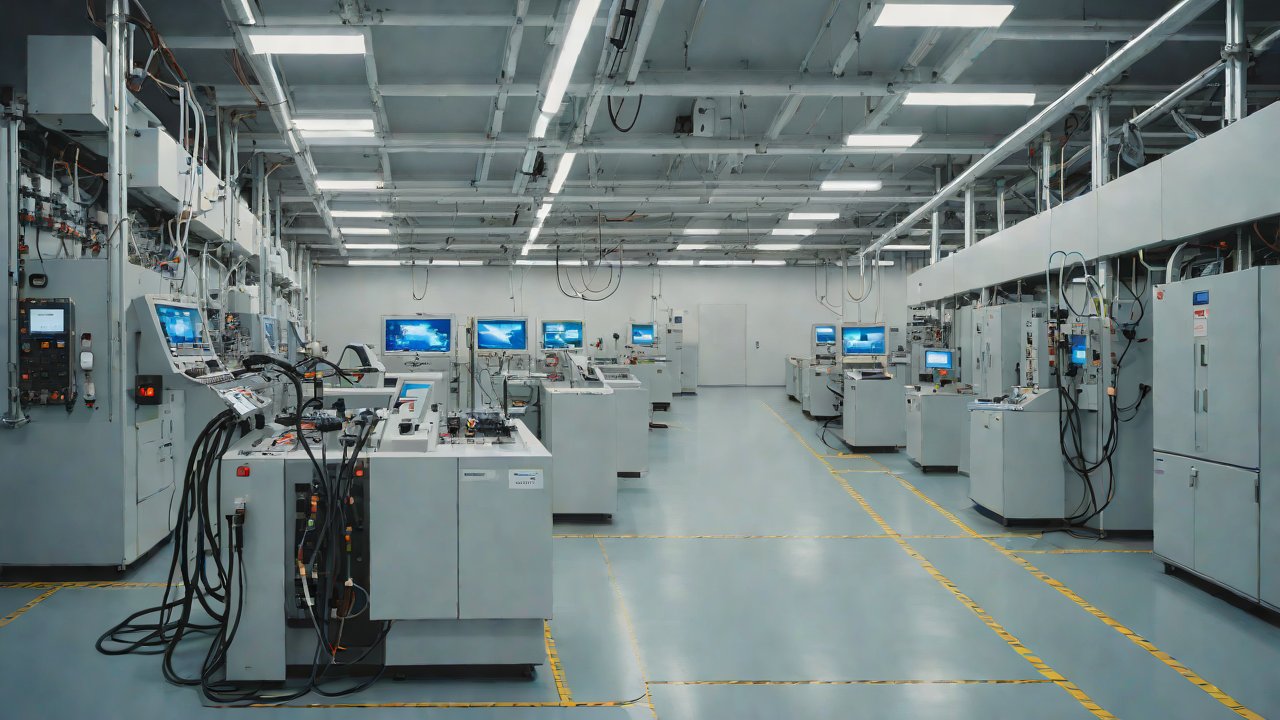
Singapore’s ambitious plan to transform into a Smart Nation by 2030 has set off a chain reaction in the market, creating unprecedented demand for cutting-edge sensor technologies that can effectively integrate with existing infrastructure. As the city-state hurtles towards a future where data-driven decision-making is the norm, local businesses are racing to position themselves as preferred distributors of these critical components. With the government’s emphasis on leveraging technology to enhance public services and stimulate economic growth, the stakes have never been higher.
In this report, we’ll delve into the world of Singaporean sensor distributors, examining their evolving landscape, key players, and market trends that are shaping the industry’s trajectory. Our analysis will provide a comprehensive understanding of the factors driving demand for these distributors, as well as the challenges they face in meeting the growing needs of Smart City infrastructure.
1. Market Overview
Singapore’s government has been actively promoting the adoption of smart technologies across various sectors, including transportation, energy management, and public safety. This push has created a surge in demand for sensor-based solutions that can provide real-time data insights to optimize resource allocation and enhance service delivery.
According to market research firm, IDC, the global IoT sensor market is expected to reach $2.5 trillion by 2025, with Singapore being one of the key drivers of growth in the Asia-Pacific region. The city-state’s unique blend of advanced infrastructure, favorable business climate, and government support has made it an attractive destination for companies seeking to capitalize on the Smart City opportunity.
Sensor Distributors: A Crucial Link
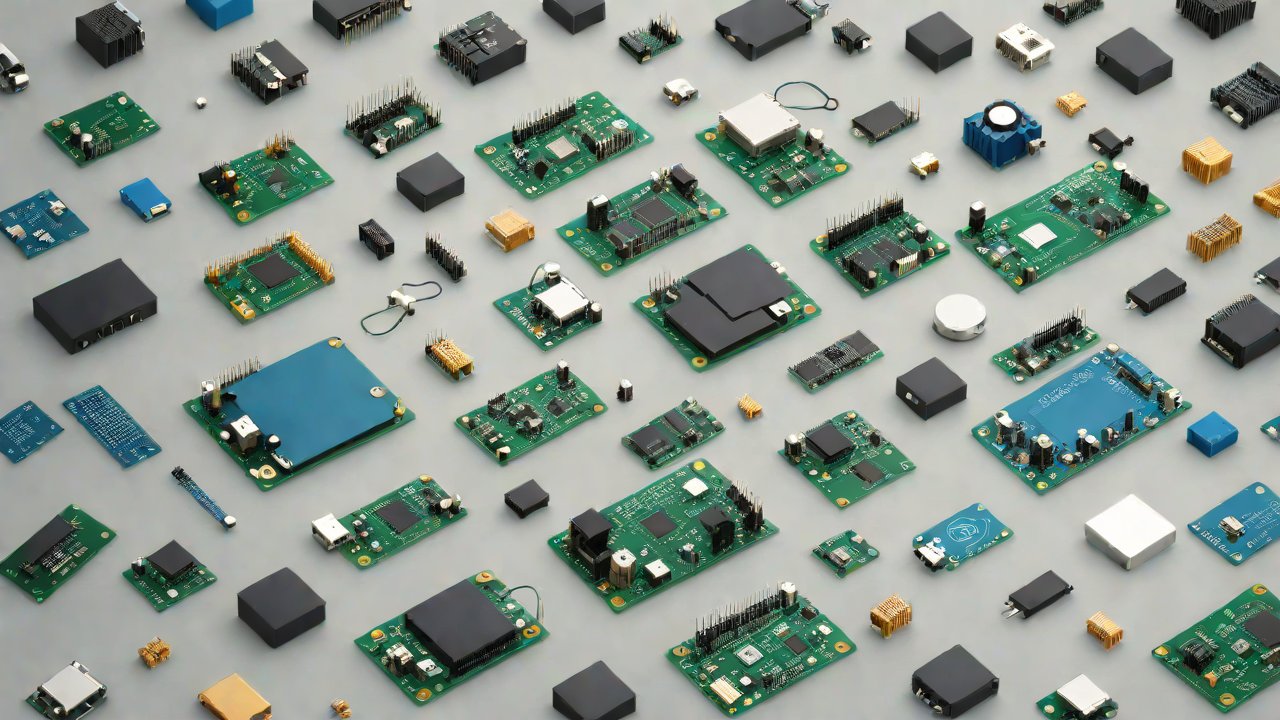
Sensor distributors play a vital role in bridging the gap between manufacturers and end-users by providing a range of services, including product selection, customization, and integration. Their expertise in navigating complex technical requirements enables them to match clients with the most suitable sensor solutions for their specific needs.
In Singapore, the landscape is dominated by a handful of large-scale distributors who have established themselves as trusted partners among government agencies, private companies, and research institutions. However, a new wave of smaller players has emerged, offering innovative solutions and disrupting traditional distribution channels.
2. Key Players in the Market
Table 1: Top Singaporean Sensor Distributors (2023)
| Rank | Company Name | Revenue (S$ million) | Market Share (%) |
|---|---|---|---|
| 1 | SMTech Pte Ltd | 25.6 | 12.8% |
| 2 | Pacific Controls Pte Ltd | 22.5 | 11.3% |
| 3 | Smart Sensors Singapore Pte Ltd | 18.2 | 9.1% |
| 4 | Senstar Asia Pte Ltd | 15.6 | 7.8% |
| 5 | Axiomatics Pte Ltd | 13.5 | 6.7% |

These top distributors have built a strong reputation for providing high-quality sensors and expert technical support to clients across various industries. Their extensive network of suppliers allows them to offer a diverse range of products, including temperature, pressure, and vibration sensors.
Emerging Players: Disrupting Traditional Channels
While the established players continue to dominate the market, new entrants are gaining traction by offering innovative solutions tailored to specific sectors or applications. For instance:
- Smart Grid Solutions Pte Ltd specializes in providing energy management sensors for buildings and industrial facilities.
- IoT Innovations Singapore Pte Ltd, a spin-off from Nanyang Technological University, focuses on developing cutting-edge sensor technologies for transportation and logistics.
3. Market Trends and Drivers
The Singaporean market is characterized by several key trends that are driving demand for sensor distributors:
Table 2: Key Market Trends (2023)
| Trend | Description |
|---|---|
| Increased government investment in Smart City initiatives | Boosts demand for sensors and related technologies |
| Growing adoption of IoT solutions across industries | Creates need for specialized sensor distributors with expertise in specific sectors |
| Rising awareness of energy efficiency and sustainability | Drives demand for sensors that can optimize resource consumption |

AIGC Insights: Emerging Technologies
Recent advancements in Artificial Intelligence (AI), Internet of Things (IoT), and machine learning are revolutionizing the sensor industry. Distributors must now possess a deep understanding of these technologies to effectively advise clients on selecting the most suitable solutions.
- Edge AI: Enables real-time processing and decision-making at the edge, reducing latency and improving efficiency.
- 5G Connectivity: Enhances wireless communication capabilities for IoT devices, paving the way for widespread adoption in smart cities.
- Predictive Maintenance: Utilizes machine learning algorithms to forecast equipment failures, minimizing downtime and extending lifespan.
4. Challenges and Opportunities
While the market is experiencing unprecedented growth, sensor distributors face several challenges:
Table 3: Key Challenges (2023)
| Challenge | Description |
|---|---|
| Integration complexities with existing infrastructure | Requires expertise in multiple technologies and protocols |
| Rapidly evolving technology landscape | Distributors must stay up-to-date with emerging trends and innovations |
Despite these hurdles, the opportunities are vast:
- Collaboration with research institutions: Partnerships can accelerate innovation and improve product offerings.
- Government incentives for sustainable solutions: Supportive policies can drive demand for energy-efficient sensors and IoT technologies.
5. Conclusion
The Singaporean market for sensor distributors is poised to continue its rapid growth, driven by government initiatives, industry adoption of IoT solutions, and emerging technologies like AI and 5G connectivity. As the city-state hurtles towards a future where data-driven decision-making is paramount, local businesses must adapt and innovate to remain competitive.
In this report, we’ve highlighted key players, market trends, and challenges that are shaping the industry’s trajectory. By understanding these dynamics, companies can position themselves for success in this rapidly evolving landscape.
Recommendations
- Establish partnerships with research institutions: Stay at the forefront of technological advancements and improve product offerings.
- Invest in emerging technologies: Develop expertise in AI, IoT, and 5G to provide comprehensive solutions to clients.
- Focus on industry-specific solutions: Offer tailored products and services that cater to specific sectors or applications.
By following these recommendations and staying attuned to market trends, sensor distributors can solidify their position as preferred partners for Smart City infrastructure projects.
IOT Cloud Platform
IOT Cloud Platform is an IoT portal established by a Chinese IoT company, focusing on technical solutions in the fields of agricultural IoT, industrial IoT, medical IoT, security IoT, military IoT, meteorological IoT, consumer IoT, automotive IoT, commercial IoT, infrastructure IoT, smart warehousing and logistics, smart home, smart city, smart healthcare, smart lighting, etc.
The IoT Cloud Platform blog is a top IoT technology stack, providing technical knowledge on IoT, robotics, artificial intelligence (generative artificial intelligence AIGC), edge computing, AR/VR, cloud computing, quantum computing, blockchain, smart surveillance cameras, drones, RFID tags, gateways, GPS, 3D printing, 4D printing, autonomous driving, etc.
Note: This article was professionally generated with the assistance of AIGC and has been fact-checked and manually corrected by IoT expert editor IoTCloudPlatForm.