IoT Solution for Automatic Driving of Heavy Equipment in Open-Pit Mines in Brazil
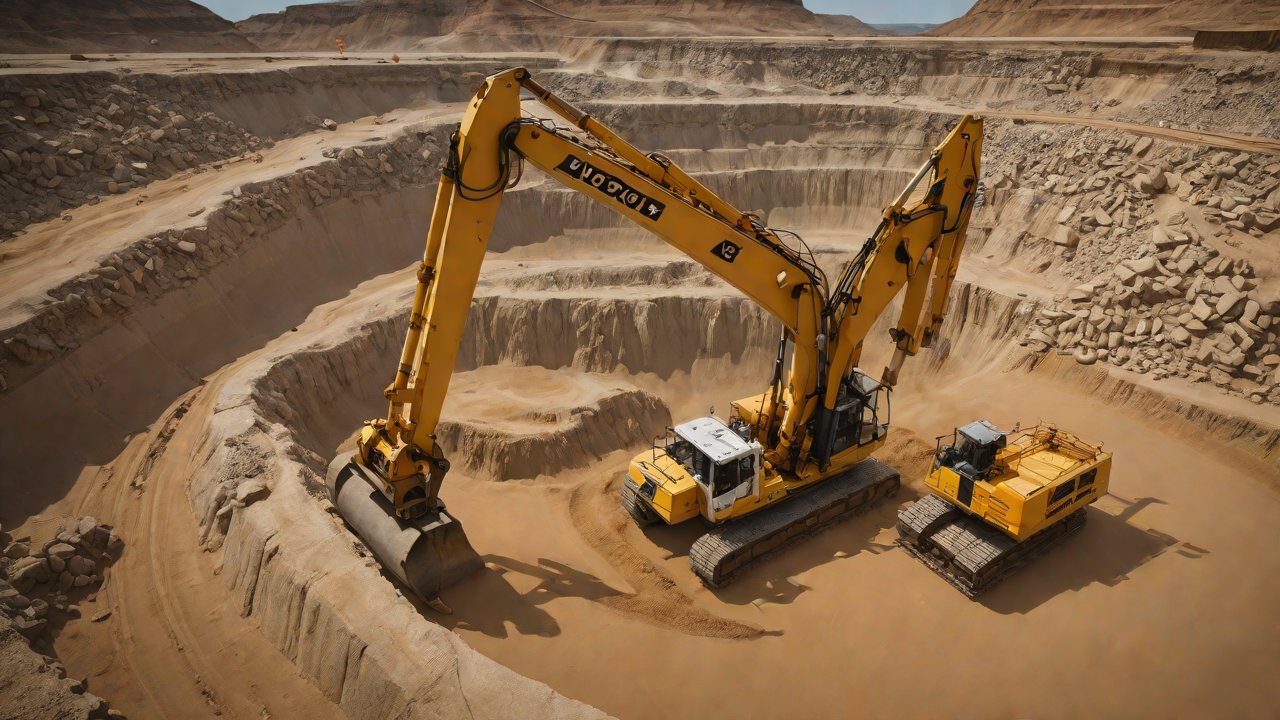
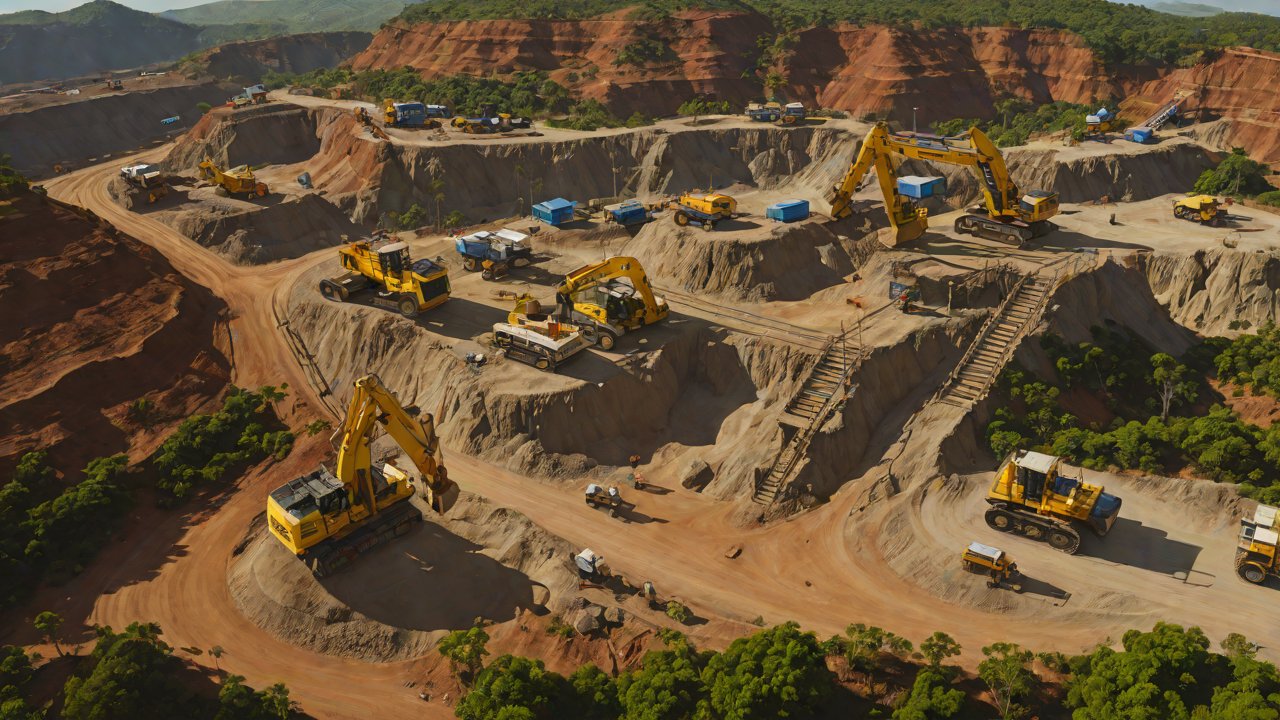
Brazil’s vast open-pit mines are a testament to human ingenuity and the extraction of natural resources on an unprecedented scale. However, as these operations continue to grow, so do concerns over safety, efficiency, and environmental impact. Amidst this backdrop, the concept of autonomous driving for heavy equipment has emerged as a promising solution, revolutionizing the landscape with its potential to reduce accidents, lower operating costs, and minimize ecological footprint.
1. Market Analysis
The Brazilian mining industry is one of the most significant in South America, with iron ore being a major export commodity. The country’s vast reserves, coupled with a favorable climate for mining operations, have made it an attractive location for both domestic and international miners. However, the sector faces numerous challenges, including safety concerns due to manual operation of heavy equipment.
1.1 Market Size
The global market for autonomous mining equipment is expected to grow significantly over the next decade, driven by increasing demand for safer and more efficient operations. According to a report by ResearchAndMarkets.com, the global autonomous mining equipment market size is projected to reach $5.4 billion by 2028, growing at a CAGR of 10.2% during the forecast period.
1.2 Market Share
Brazil’s contribution to this market is substantial due to its extensive mining operations. The country’s miners are adopting autonomous technologies as they seek to improve safety standards and reduce operational costs. Companies such as Vale and Rio Tinto are at the forefront of this adoption, leveraging advanced technologies like IoT (Internet of Things) for enhanced efficiency.
2. Technical Perspective
The integration of IoT solutions for automatic driving of heavy equipment in open-pit mines involves several key components:
2.1 Sensor Technology
High-precision sensors that can accurately map the terrain and detect obstacles are critical for autonomous operation. These include LiDAR (Light Detection and Ranging) sensors, cameras, and radar systems.
2.2 Machine Learning
Advanced machine learning algorithms enable vehicles to learn from their environment and adapt to new situations. This technology is particularly useful in open-pit mines where conditions can change rapidly due to weather or geological factors.
2.3 Communication Network
A reliable communication network that ensures seamless data exchange between the autonomous vehicle, sensors, and control systems is essential for smooth operation.
3. IoT Solution Components
The IoT solution for automatic driving of heavy equipment in open-pit mines involves several key components:
| Component | Description |
|---|---|
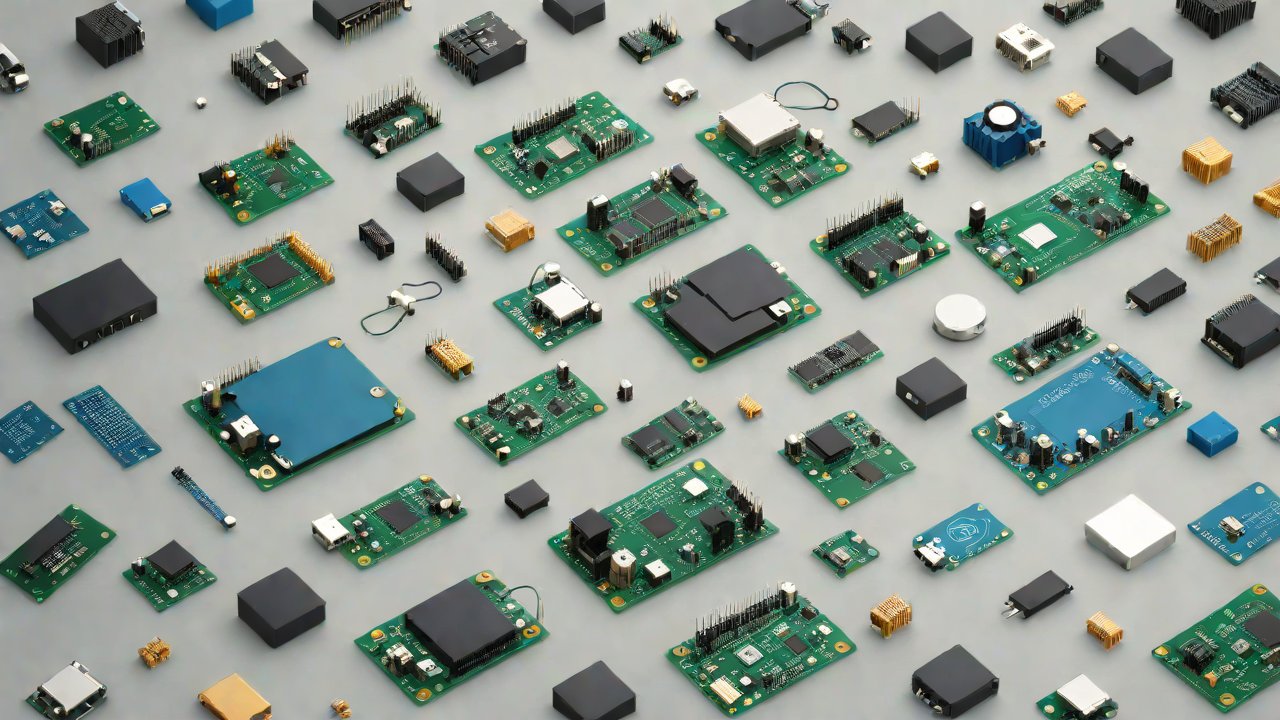
| Sensor Suite | High-precision sensors (LiDAR, cameras, radar) for terrain mapping and obstacle detection. |
| Autonomous Vehicle | Equipped with advanced navigation systems and machine learning algorithms for autonomous operation. |
| Communication Network | Reliable data exchange between the vehicle, sensors, and control systems. |
| Control Center | Real-time monitoring and control of all operations to ensure safety and efficiency. |
4. Case Study: Vale’s Autonomy Program
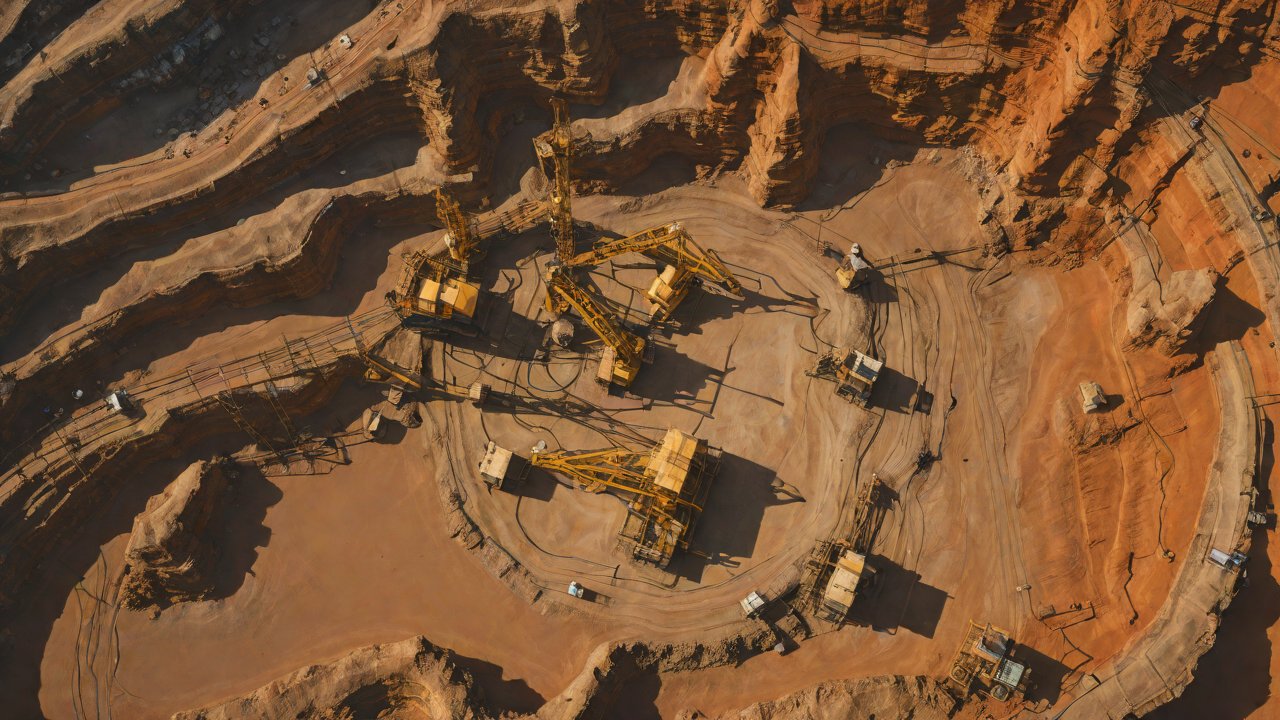
Vale, one of Brazil’s largest mining companies, has launched an ambitious autonomy program aimed at enhancing operational safety and efficiency. The company is deploying autonomous vehicles for hauling ore in several mines across the country.
| Mine | Location | Number of Vehicles |
|---|---|---|
| Carajás | Pará | 20 |
| Serra Leste | Pará | 15 |
5. Benefits
The adoption of IoT solutions for automatic driving of heavy equipment in open-pit mines offers numerous benefits, including:
5.1 Improved Safety
Reduced risk of accidents due to human error or mechanical failure.
5.2 Enhanced Efficiency
Increased productivity and reduced downtime through optimized routes and operation schedules.
5.3 Environmental Impact
Minimized environmental footprint due to reduced fuel consumption and emissions.
6. Challenges and Future Directions
While the adoption of autonomous mining equipment is gaining momentum, several challenges need to be addressed:
6.1 Regulatory Framework
Establishment of clear regulations and standards for the deployment of autonomous vehicles in mines.
6.2 Public Acceptance
Building trust among miners, regulatory bodies, and local communities regarding the safety and benefits of autonomy.
7. Conclusion
The integration of IoT solutions for automatic driving of heavy equipment in open-pit mines is a significant step towards enhancing operational efficiency, reducing accidents, and minimizing environmental impact. Brazil’s mining industry, with its vast reserves and favorable climate, presents an attractive market for such technologies. As miners continue to adopt autonomy, the sector is poised for transformation, driven by innovative solutions that leverage AI, IoT, and machine learning.
Brazil’s open-pit mines are not just sites of natural resource extraction; they embody a complex interplay between technology, safety, and environmental sustainability. The autonomous driving revolution in mining operations promises to reshape this landscape, ushering in an era where machines operate with precision, humans intervene less, and the environment benefits from reduced impacts.
As we move forward, it is crucial for stakeholders across the value chain to collaborate on addressing challenges, refining technologies, and ensuring that the benefits of autonomy reach all levels of the mining sector. With its vast resources and innovative spirit, Brazil stands at the forefront of this revolution, poised to transform the future of open-pit mines.
IOT Cloud Platform
IOT Cloud Platform is an IoT portal established by a Chinese IoT company, focusing on technical solutions in the fields of agricultural IoT, industrial IoT, medical IoT, security IoT, military IoT, meteorological IoT, consumer IoT, automotive IoT, commercial IoT, infrastructure IoT, smart warehousing and logistics, smart home, smart city, smart healthcare, smart lighting, etc.
The IoT Cloud Platform blog is a top IoT technology stack, providing technical knowledge on IoT, robotics, artificial intelligence (generative artificial intelligence AIGC), edge computing, AR/VR, cloud computing, quantum computing, blockchain, smart surveillance cameras, drones, RFID tags, gateways, GPS, 3D printing, 4D printing, autonomous driving, etc.
Note: This article was professionally generated with the assistance of AIGC and has been fact-checked and manually corrected by IoT expert editor IoTCloudPlatForm.