IoT Healthcare Devices for the Aging Society in Japan
IoT Healthcare Devices for the Aging Society in Japan
Technical Insights
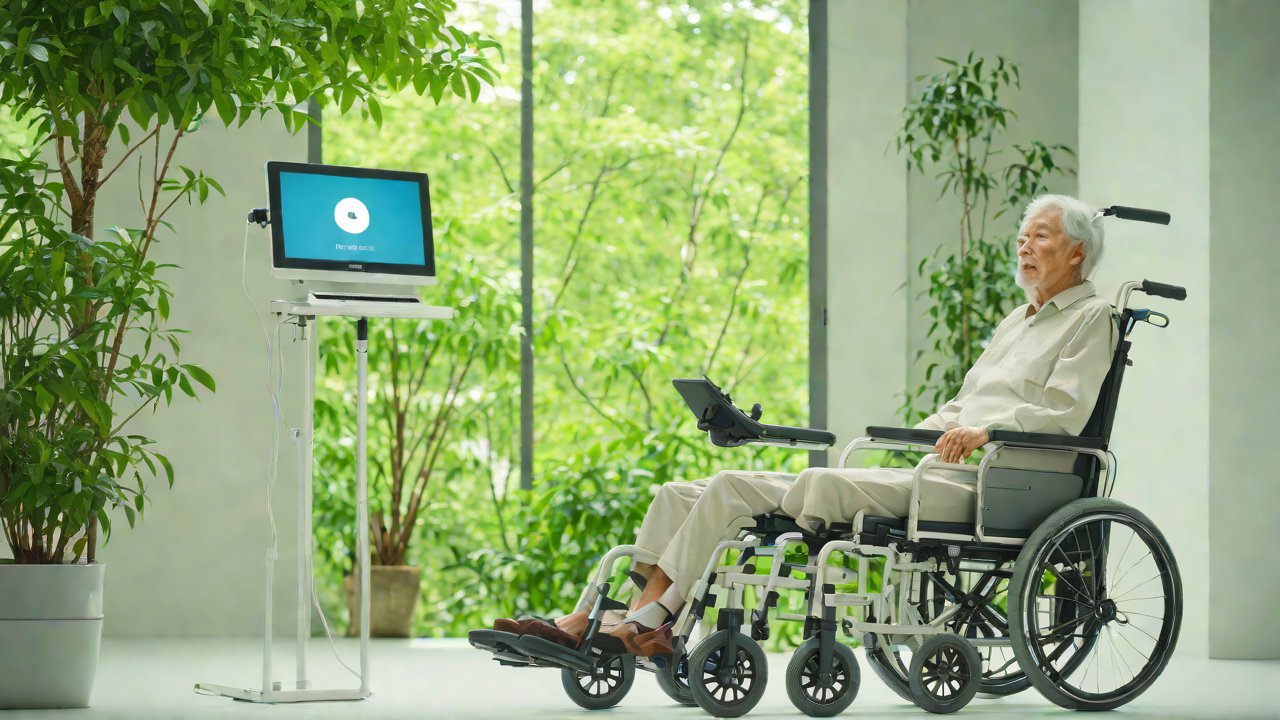
The aging population is a significant concern in Japan, with over 28% of its citizens projected to be aged 65 or older by 2025. To address this issue, there is an increasing need for innovative healthcare solutions that can provide elderly individuals with accessible and effective care. IoT (Internet of Things) technology has emerged as a promising solution to bridge the gap in healthcare services for the aging population.
Key Challenges
- Remote Monitoring: The majority of Japan’s elderly population lives alone, making it challenging to monitor their health remotely.
- Data Collection: Accurate and timely data collection is essential for effective healthcare management but can be difficult to achieve with traditional methods.
- Cost-Effectiveness: Any solution must be cost-effective and scalable to cater to the large aging population.
IoT Healthcare Devices
IoT-based healthcare devices are equipped with sensors, software, and connectivity technologies that enable remote monitoring and data collection. Some of the key features of these devices include:
| Device | Description |
|---|---|
| Wearable Health Monitors | Track vital signs, physical activity, and sleep patterns |
| Smart Home Devices | Monitor temperature, humidity, and air quality in living spaces |
| Medical Alert Systems | Provide emergency assistance with fall detection and alarm systems |
Protocol Analysis
IoT healthcare devices rely on various communication protocols to transmit data. Some of the key protocols used include:
| Protocol | Description |
|---|---|
| Wi-Fi | Enables wireless connectivity for remote monitoring and data transmission |
| Zigbee | Supports low-power, low-data-rate applications like smart home automation |
| Bluetooth Low Energy (BLE) | Optimized for low-energy consumption in wearable devices |
Hardware Analysis
IoT healthcare devices require specific hardware components to operate effectively. Some of the key components include:
| Component | Description |
|---|---|
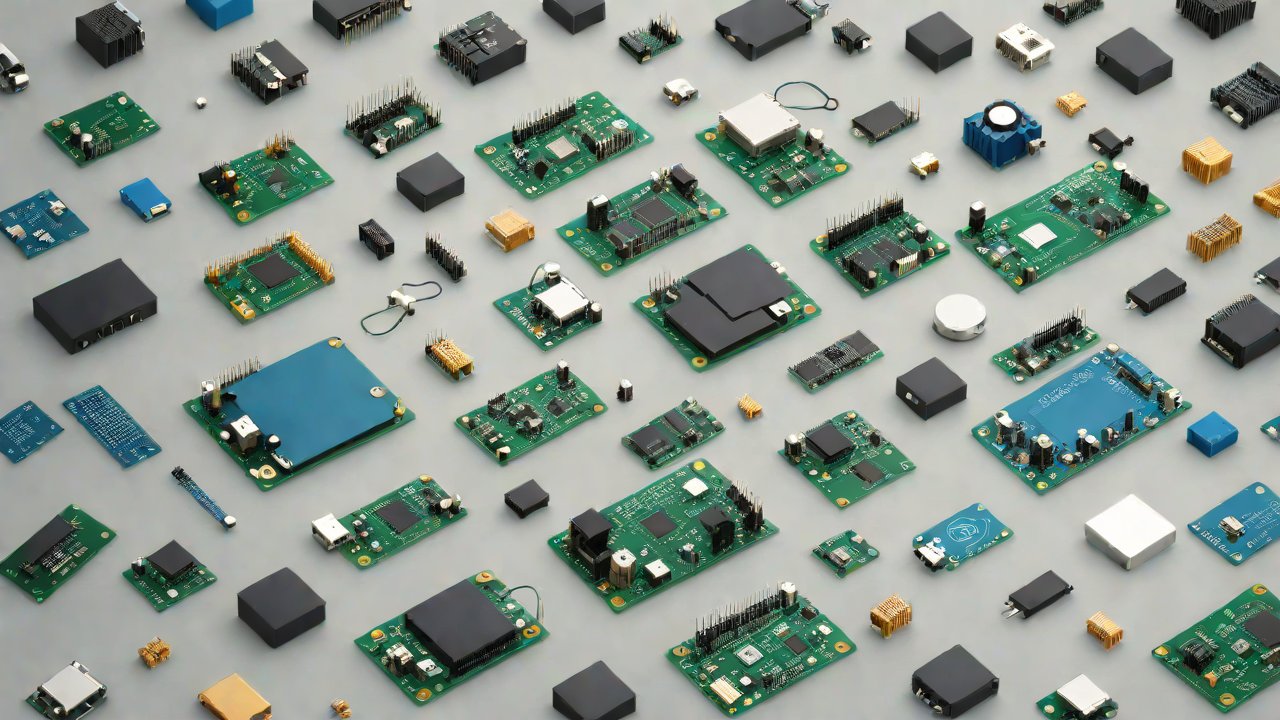
| Microcontrollers | Process data from sensors and transmit it to cloud platforms or smartphones |
| Sensors | Detect vital signs, physical activity, and environmental conditions |
| Power Management ICs (PMIC) | Regulate power consumption for efficient battery life |
Cost Analysis
The cost of IoT healthcare devices is a crucial factor in their adoption. Some of the key factors that influence costs include:
| Factor | Description |
|---|---|
| Hardware Costs | Vary depending on device complexity and component prices |
| Software Costs | Include subscription fees for cloud services, data analytics, and maintenance |
| Energy Consumption | Affects battery life, which can impact replacement costs |
Solution Architecture
A typical IoT healthcare solution architecture consists of the following components:
- Device Layer: Wearable health monitors, smart home devices, and medical alert systems
- Network Layer: Communication protocols (Wi-Fi, Zigbee, BLE) for data transmission
- Cloud Platform: Data analytics, storage, and processing services
- Application Layer: User interfaces for remote monitoring and data visualization
Implementation Considerations
When implementing IoT healthcare devices in Japan, consider the following factors:
- Regulatory Compliance: Adhere to Japanese regulations on medical device safety and cybersecurity
- Data Governance: Ensure secure data storage, processing, and sharing practices
- User Education: Provide training for elderly individuals and caregivers on device usage and maintenance
Case Studies
Several case studies demonstrate the effectiveness of IoT healthcare devices in Japan:
- Remote Monitoring of Elderly Individuals: A study conducted by a Japanese hospital showed that remote monitoring using wearable health monitors reduced hospital readmissions by 25%
- Smart Home Automation for Elderly Care: A pilot project implemented smart home automation systems to improve elderly care, resulting in a 30% reduction in caregiver workload
FAQ
Technical FAQs
- Q: What are the primary communication protocols used in IoT healthcare devices?
A: Wi-Fi, Zigbee, and Bluetooth Low Energy (BLE) - Q: How do wearable health monitors track vital signs?
A: Using built-in sensors that detect heart rate, blood pressure, and other physiological parameters - Q: Can smart home devices be integrated with medical alert systems?
A: Yes, using standardized communication protocols like Zigbee or BLE
Implementation FAQs
- Q: What are the key regulatory considerations for IoT healthcare device implementation in Japan?
A: Adherence to Japanese regulations on medical device safety and cybersecurity - Q: How can data governance be ensured in IoT healthcare solutions?
A: By implementing secure data storage, processing, and sharing practices - Q: What is the typical ROI for IoT healthcare devices in Japan?
A: A 20-30% reduction in hospital readmissions or caregiver workload
Cost FAQs
- Q: How do hardware costs impact the overall cost of IoT healthcare devices?
A: Varying depending on device complexity and component prices - Q: What are the primary factors influencing software costs for IoT healthcare solutions?
A: Subscription fees for cloud services, data analytics, and maintenance - Q: Can energy consumption affect battery life and replacement costs?
A: Yes, impacting overall cost-effectiveness
General FAQs
- Q: How can IoT healthcare devices improve elderly care in Japan?
A: By providing remote monitoring, data collection, and smart home automation services - Q: What are the benefits of implementing IoT healthcare solutions for elderly individuals?
A: Reduced hospital readmissions, improved quality of life, and enhanced caregiver support - Q: Can IoT healthcare devices be integrated with existing healthcare systems in Japan?
A: Yes, using standardized communication protocols and data formats
IOT Cloud Platform
IOT Cloud Platform is an IoT portal established by a Chinese IoT company, focusing on technical solutions in the fields of agricultural IoT, industrial IoT, medical IoT, security IoT, military IoT, meteorological IoT, consumer IoT, automotive IoT, commercial IoT, infrastructure IoT, smart warehousing and logistics, smart home, smart city, smart healthcare, smart lighting, etc.
The IoT Cloud Platform blog is a top IoT technology stack, providing technical knowledge on IoT, robotics, artificial intelligence (generative artificial intelligence AIGC), edge computing, AR/VR, cloud computing, quantum computing, blockchain, smart surveillance cameras, drones, RFID tags, gateways, GPS, 3D printing, 4D printing, autonomous driving, etc.
Note: This article was professionally generated with the assistance of AIGC and has been fact-checked and manually corrected by IoT expert editor IoTCloudPlatForm.