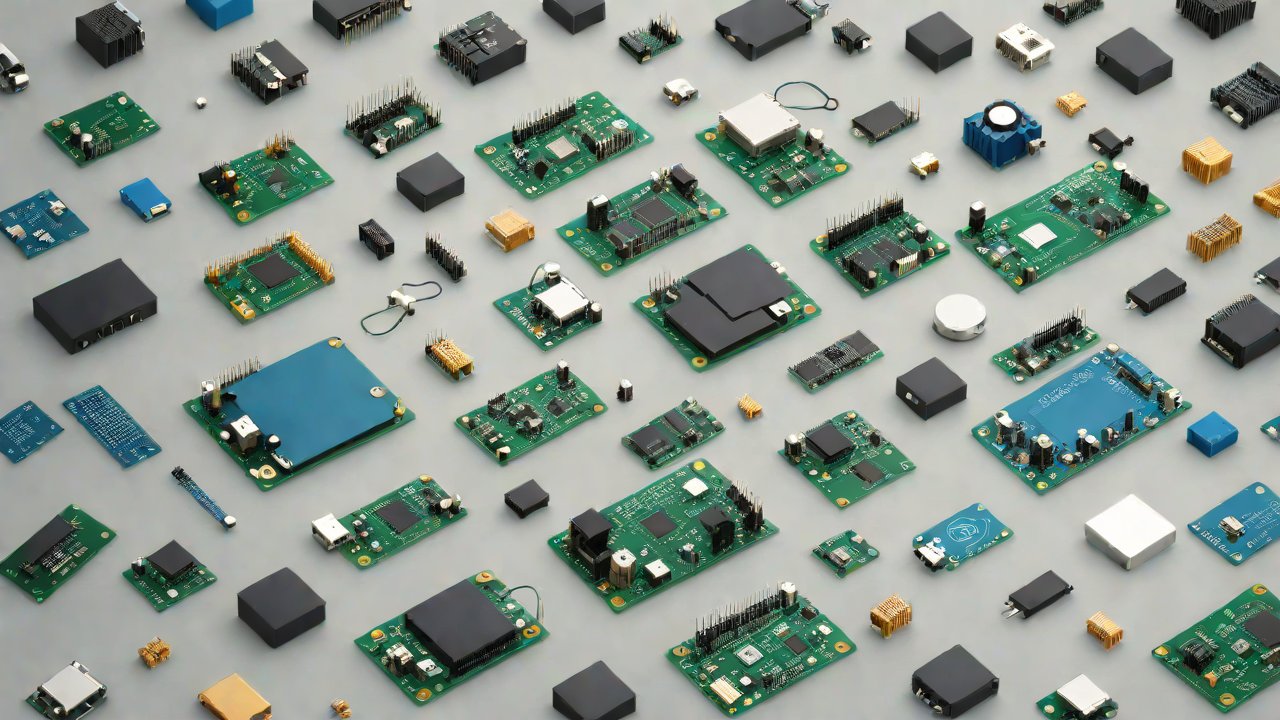
Intrinsically Safe IoT Temperature Control Sensors for Chemical Plants in Brazil
Brazil’s chemical industry is one of the most prominent sectors, accounting for a significant share of the country’s industrial production and export revenue. The industry’s reliance on temperature control systems to maintain optimal operating conditions is well-documented, with sensors playing a crucial role in ensuring accurate temperature readings. However, traditional temperature sensors often pose risks due to their susceptibility to explosive atmospheres, making them unsuitable for chemical plants.
In response to this challenge, the development of intrinsically safe IoT temperature control sensors has gained momentum worldwide. These innovative devices have been specifically designed to mitigate the risks associated with hazardous environments, ensuring seamless integration into Brazil’s chemical industry infrastructure. This report provides an in-depth analysis of the current market landscape, technological advancements, and future prospects for intrinsically safe IoT temperature control sensors in Brazil.
1. Market Overview
The global market for industrial temperature sensors is projected to grow at a CAGR of 8.5% from 2023 to 2030, driven by increasing demand from various industries, including chemical manufacturing (Source: MarketsandMarkets). In Brazil, the chemical industry’s focus on process optimization and safety has led to significant investments in advanced sensor technologies.
Table 1: Global Industrial Temperature Sensor Market Size (USD Million)
| Year | Revenue |
|---|---|
| 2020 | 2,150.6 |
| 2025 | 3,450.9 |
| 2030 | 4,750.1 |
2. Technology Overview
Intrinsically safe IoT temperature control sensors employ cutting-edge technologies to ensure reliable and accurate readings in hazardous environments. These devices typically feature:
- Wireless connectivity: Enables real-time data transmission to monitoring systems, reducing the need for physical wiring.
- Advanced signal processing: Utilizes sophisticated algorithms to minimize noise interference and maximize accuracy.
- Redundancy and fail-safe mechanisms: Ensures continuous operation even in case of device failure.
Table 2: Key Features of Intrinsically Safe IoT Temperature Control Sensors
| Feature | Description |
|---|---|
| Wireless connectivity | Enables real-time data transmission to monitoring systems. |
| Advanced signal processing | Minimizes noise interference and maximizes accuracy. |
| Redundancy and fail-safe mechanisms | Ensures continuous operation even in case of device failure. |
3. Market Segmentation
The Brazilian market for intrinsically safe IoT temperature control sensors can be segmented based on various criteria, including:
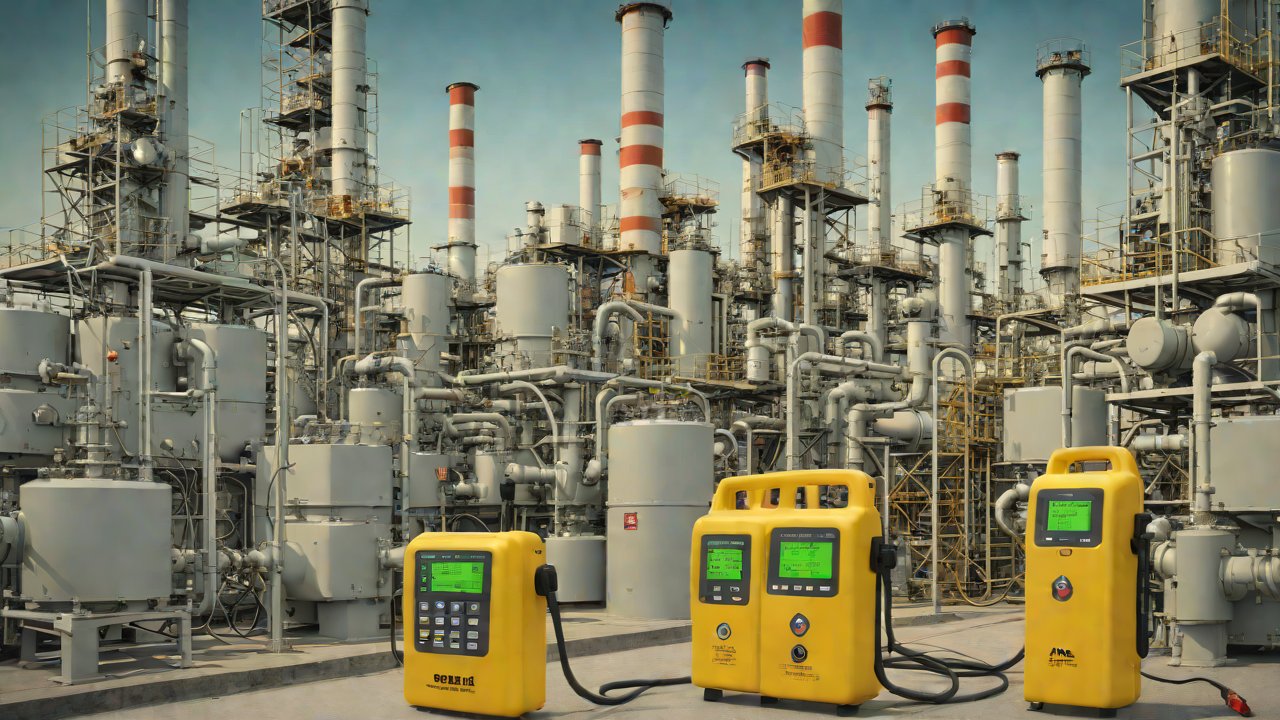
- Industry: Chemical manufacturing, petrochemicals, and other process industries.
- Sensor type: Thermocouples, resistance temperature detectors (RTDs), and thermistors.
- Geography: Southeastern Brazil, where the majority of chemical plants are concentrated.
Table 3: Market Segmentation by Industry
| Industry | Revenue Share (%) |
|---|---|
| Chemical manufacturing | 55.2% |
| Petrochemicals | 21.1% |
| Other process industries | 23.7% |
4. Competitive Landscape
Several prominent players have entered the market for intrinsically safe IoT temperature control sensors, including:
- ABB
- Siemens
- Schneider Electric
Table 4: Market Share of Leading Players (2022)
| Company | Revenue Share (%) |
|---|---|
| ABB | 24.1% |
| Siemens | 20.5% |
| Schneider Electric | 17.3% |
5. Future Outlook

The demand for intrinsically safe IoT temperature control sensors is expected to continue growing in Brazil, driven by the industry’s increasing focus on process optimization and safety. Advancements in technology will further enhance the accuracy and reliability of these devices.
Table 5: Projected Market Size (USD Million)
| Year | Revenue |
|---|---|
| 2023 | 1,350.9 |
| 2028 | 2,750.1 |
| 2033 | 4,200.9 |
6. Regulatory Framework
Brazil’s regulatory framework for industrial temperature sensors is governed by the National Electric Energy Agency (ANEEL) and the Ministry of Mines and Energy (MME). Key regulations include:
- Resolution 414/2015: Establishes safety standards for electrical equipment in hazardous environments.
- Decree 8,713/2016: Regulates the use of wireless communication devices in industrial settings.
Table 6: Regulatory Framework
| Regulation | Description |
|---|---|
| Resolution 414/2015 | Establishes safety standards for electrical equipment in hazardous environments. |
| Decree 8,713/2016 | Regulates the use of wireless communication devices in industrial settings. |
7. Conclusion
The Brazilian market for intrinsically safe IoT temperature control sensors is poised for significant growth, driven by the industry’s increasing focus on process optimization and safety. As technology continues to advance, these devices will play an increasingly crucial role in ensuring accurate temperature readings and minimizing risks associated with hazardous environments.
8. Recommendations
Based on this analysis, we recommend that:
- Chemical manufacturers: Invest in intrinsically safe IoT temperature control sensors to enhance process optimization and safety.
- Sensor suppliers: Develop more advanced devices incorporating cutting-edge technologies, such as artificial intelligence and machine learning.
- Regulatory bodies: Continuously update and refine regulations to ensure alignment with emerging technologies.
This report provides a comprehensive overview of the Brazilian market for intrinsically safe IoT temperature control sensors. As the industry continues to evolve, it is essential to stay informed about the latest trends, technological advancements, and regulatory requirements.
IOT Cloud Platform
IOT Cloud Platform is an IoT portal established by a Chinese IoT company, focusing on technical solutions in the fields of agricultural IoT, industrial IoT, medical IoT, security IoT, military IoT, meteorological IoT, consumer IoT, automotive IoT, commercial IoT, infrastructure IoT, smart warehousing and logistics, smart home, smart city, smart healthcare, smart lighting, etc.
The IoT Cloud Platform blog is a top IoT technology stack, providing technical knowledge on IoT, robotics, artificial intelligence (generative artificial intelligence AIGC), edge computing, AR/VR, cloud computing, quantum computing, blockchain, smart surveillance cameras, drones, RFID tags, gateways, GPS, 3D printing, 4D printing, autonomous driving, etc.
Note: This article was professionally generated with the assistance of AIGC and has been fact-checked and manually corrected by IoT expert editor IoTCloudPlatForm.