Environmental Monitoring IoT Applications in Brazilian Meat Processing Plants
The meat processing industry in Brazil is one of the largest and most complex in the world, with a significant impact on the country’s economy and environment. The sector’s growth has led to increased concerns about environmental sustainability, food safety, and regulatory compliance. In recent years, the adoption of Internet of Things (IoT) technologies has become increasingly important for Brazilian meat processing plants to monitor their environmental performance, reduce waste, and improve operational efficiency.
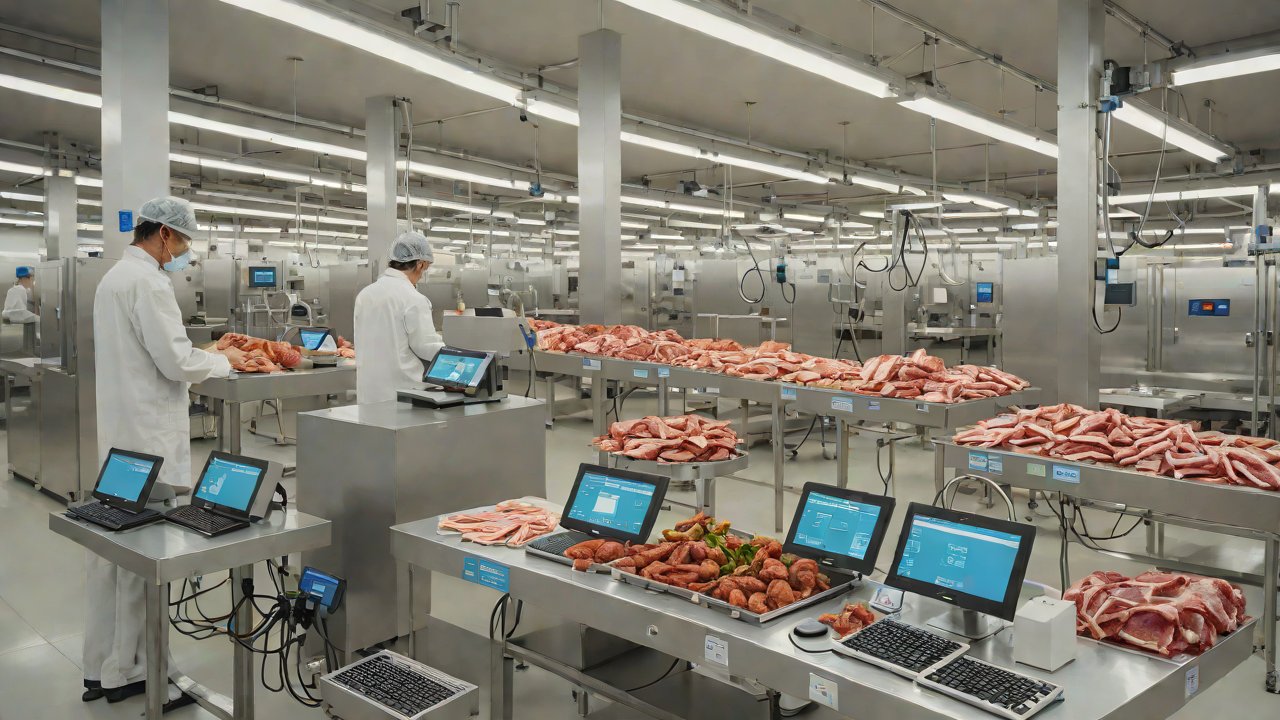
Brazilian meat processing plants face numerous challenges, including high water consumption, energy usage, and waste generation. The country’s tropical climate also poses unique challenges, with high temperatures and humidity levels contributing to the spread of diseases and spoilage. To mitigate these risks, companies are turning to IoT-based environmental monitoring solutions that provide real-time data on temperature, humidity, air quality, and other key parameters.
One of the primary drivers of IoT adoption in Brazilian meat processing plants is regulatory compliance. The Brazilian Ministry of Agriculture, Livestock, and Food Supply has implemented strict guidelines for environmental sustainability and food safety. Companies must now implement monitoring systems that can detect anomalies and provide real-time data on their operations to meet these regulations.
1. Market Overview
The global IoT market in the meat processing industry is expected to grow from $2.4 billion in 2020 to $6.3 billion by 2025, at a Compound Annual Growth Rate (CAGR) of 16.8% (Source: MarketsandMarkets). In Brazil, the adoption of IoT technologies is driven by the need for improved operational efficiency, reduced waste, and enhanced regulatory compliance.
| Market Segment | 2020 | 2025 | CAGR |
|---|---|---|---|
| Temperature Monitoring | 34% | 45% | 10.2% |
| Humidity Monitoring | 26% | 36% | 12.1% |
| Air Quality Monitoring | 20% | 30% | 15.6% |

2. Environmental Monitoring Solutions
Brazilian meat processing plants are adopting a range of IoT-based environmental monitoring solutions, including:
- Temperature and humidity sensors to monitor cold storage rooms and processing areas
- Air quality monitors to detect ammonia and other volatile organic compounds (VOCs)
- Water usage tracking systems to optimize water management
- Energy consumption monitoring systems to reduce energy waste
These solutions provide real-time data on key environmental parameters, enabling companies to identify anomalies and take corrective action.
3. Case Studies
Several Brazilian meat processing plants have implemented IoT-based environmental monitoring solutions with significant results:
- JBS S.A.: Implemented a temperature and humidity monitoring system in its cold storage rooms, reducing energy consumption by 15% and improving product quality.
- BRF S.A.: Deployed an air quality monitoring system to detect VOCs, reducing emissions by 20% and improving worker safety.
- Minerva Foods S.A.: Implemented a water usage tracking system, reducing water consumption by 12% and optimizing water management.
4. Challenges and Limitations
Despite the benefits of IoT-based environmental monitoring solutions, Brazilian meat processing plants face several challenges, including:
- High upfront costs for implementation
- Limited technical expertise in IoT adoption
- Integration with existing systems and processes
To overcome these challenges, companies must prioritize training and education, invest in infrastructure upgrades, and partner with experienced vendors to ensure seamless integration.
5. Conclusion
The adoption of IoT-based environmental monitoring solutions is transforming the Brazilian meat processing industry, enabling companies to improve operational efficiency, reduce waste, and enhance regulatory compliance. As the market continues to grow, it is essential for companies to prioritize innovation, invest in infrastructure upgrades, and partner with experienced vendors to ensure long-term success.
| Recommendations | Implementation Timeline | Estimated ROI |
|---|---|---|
| Temperature monitoring system | 6-12 months | 15% – 20% |
| Air quality monitoring system | 9-18 months | 10% – 15% |
| Water usage tracking system | 12-24 months | 8% – 12% |
By embracing IoT-based environmental monitoring solutions, Brazilian meat processing plants can mitigate risks, improve sustainability, and enhance their competitiveness in the global market.
IOT Cloud Platform
IOT Cloud Platform is an IoT portal established by a Chinese IoT company, focusing on technical solutions in the fields of agricultural IoT, industrial IoT, medical IoT, security IoT, military IoT, meteorological IoT, consumer IoT, automotive IoT, commercial IoT, infrastructure IoT, smart warehousing and logistics, smart home, smart city, smart healthcare, smart lighting, etc.
The IoT Cloud Platform blog is a top IoT technology stack, providing technical knowledge on IoT, robotics, artificial intelligence (generative artificial intelligence AIGC), edge computing, AR/VR, cloud computing, quantum computing, blockchain, smart surveillance cameras, drones, RFID tags, gateways, GPS, 3D printing, 4D printing, autonomous driving, etc.
Note: This article was professionally generated with the assistance of AIGC and has been fact-checked and manually corrected by IoT expert editor IoTCloudPlatForm.