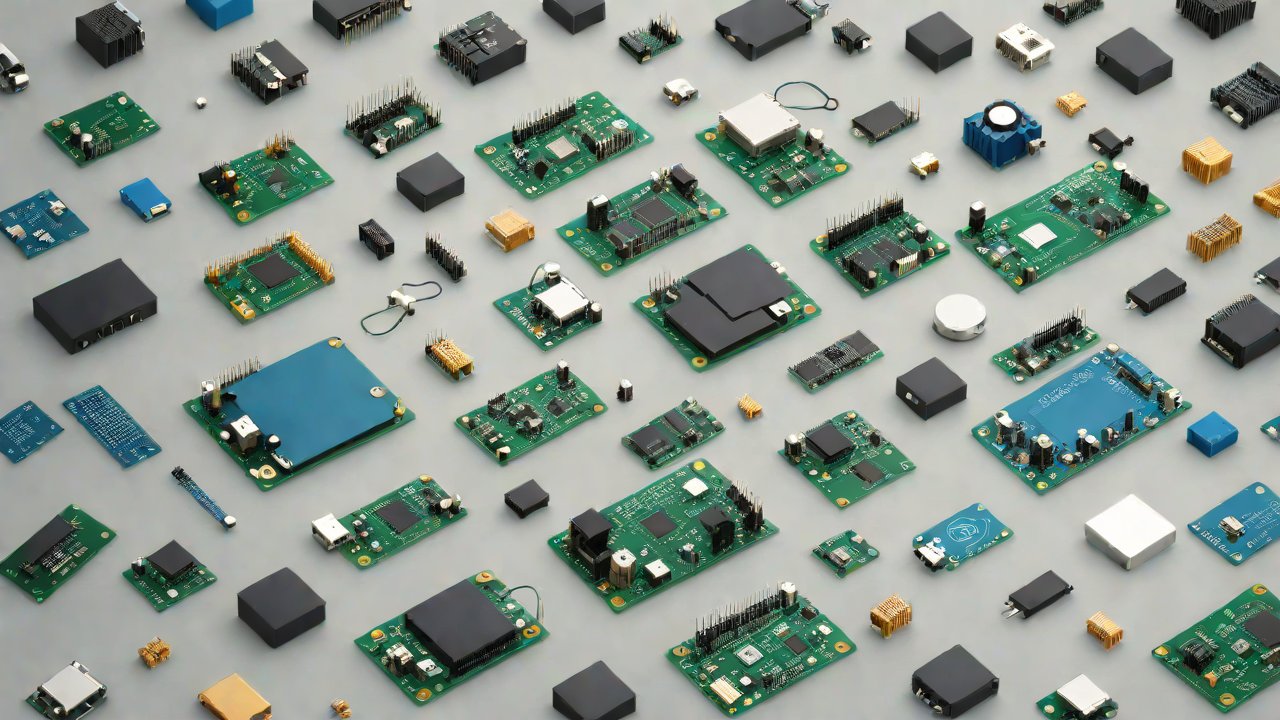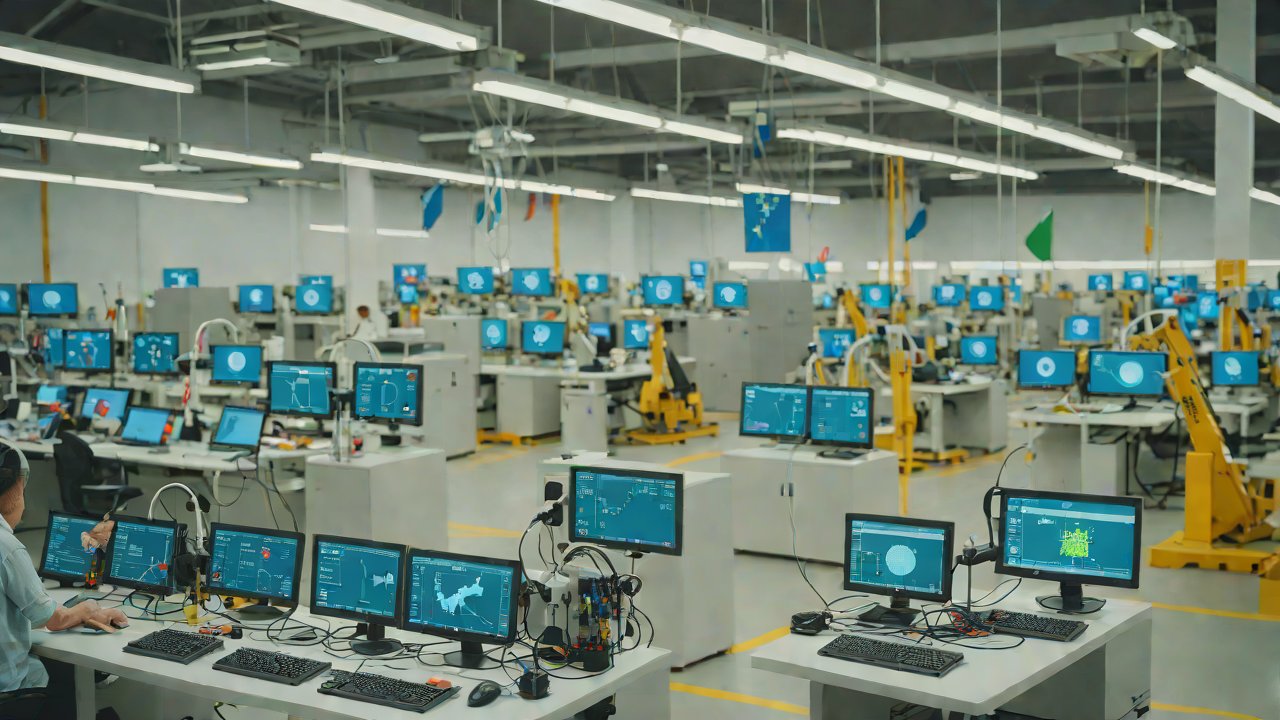
Employee Operation Training Manual for IoT Transformation in Brazilian Manufacturing
As Brazil’s manufacturing sector continues to evolve, the integration of Internet of Things (IoT) technology is becoming increasingly crucial for businesses to remain competitive. The adoption of IoT has been on the rise globally, with various industries witnessing significant improvements in operational efficiency, productivity, and quality control. However, implementing IoT successfully requires a well-structured approach, including comprehensive training for employees.
In this report, we will delve into the intricacies of employee operation training manual for IoT transformation in Brazilian manufacturing, providing an exhaustive guide to help companies navigate this complex process.
1. Understanding the Context
Brazil’s manufacturing sector is one of the largest in Latin America, with a diverse range of industries, including automotive, aerospace, and food processing. The sector has been growing steadily, driven by government initiatives, investment in infrastructure, and a relatively low labor cost compared to other countries in the region.
The adoption of IoT technology in Brazilian manufacturing is expected to reach $4.8 billion by 2025, up from $1.3 billion in 2019 (Source: Market Research Future). This growth can be attributed to various factors, including:
- Increased demand for automation and smart manufacturing
- Government incentives for investment in IoT infrastructure
- Growing awareness of the benefits of IoT, such as improved operational efficiency and reduced costs
2. Key Challenges in Implementing IoT
While the potential benefits of IoT are significant, implementing this technology successfully is a complex task. Some of the key challenges that Brazilian manufacturers face include:
- Integration with existing systems: Many manufacturing companies have legacy systems that may not be compatible with IoT technology.
- Data security and privacy: The increased use of connected devices raises concerns about data security and privacy.
- Employee resistance to change: Employees may require training to adapt to new technologies and processes.
3. Employee Operation Training Manual
To address these challenges, it is essential to develop an employee operation training manual that is tailored to the specific needs of Brazilian manufacturers. The following sections outline key components of such a manual:
3.1 IoT Fundamentals
- Definition: IoT refers to the network of physical devices, vehicles, home appliances, and other items embedded with sensors, software, and connectivity, allowing them to collect and exchange data.
- Key characteristics: IoT devices are connected, autonomous, and able to communicate with each other.
3.2 IoT Applications in Manufacturing
- Predictive maintenance: IoT enables real-time monitoring of equipment performance, reducing downtime and increasing overall efficiency.
- Quality control: IoT sensors can monitor product quality in real-time, enabling manufacturers to make adjustments as needed.
- Supply chain management: IoT can improve supply chain visibility, allowing for more efficient inventory management and reduced lead times.
3.3 Employee Training
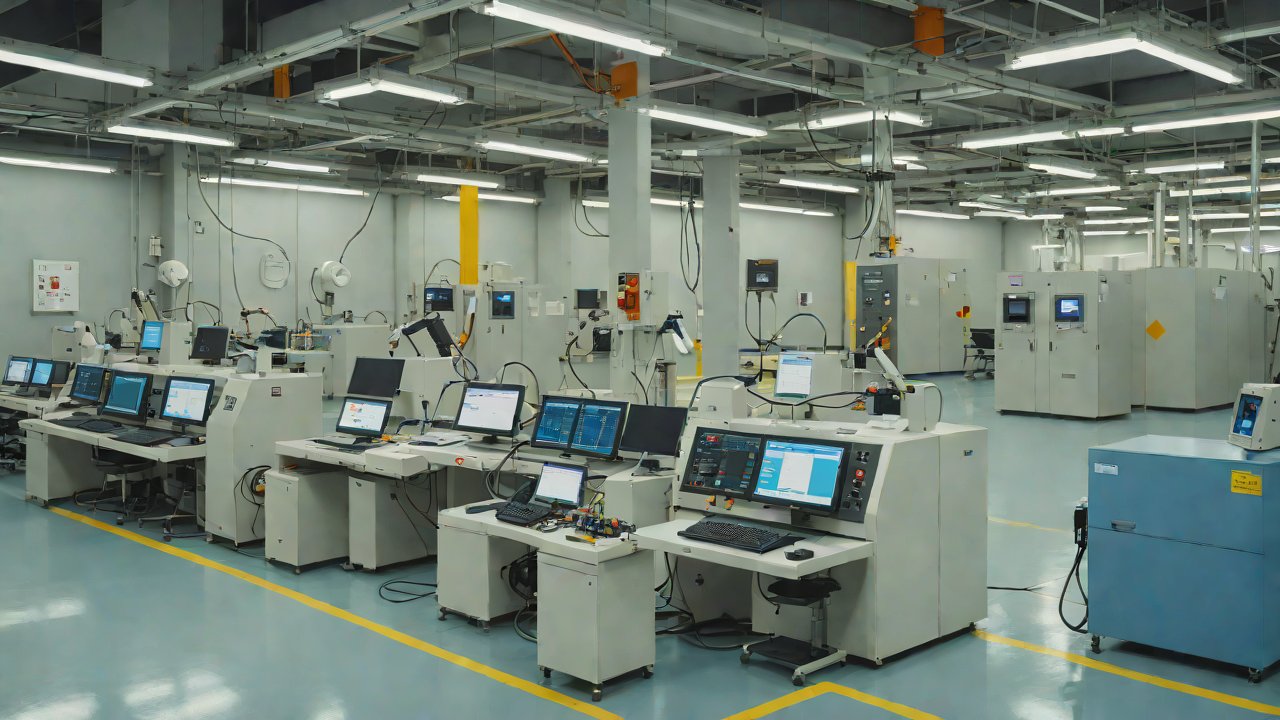
- Introduction to IoT: Employees should receive training on the basics of IoT technology, including its applications in manufacturing and benefits.
- Hands-on experience: Employees should have hands-on experience with IoT devices and systems to gain practical knowledge.
- Continuous support: Ongoing training and support should be provided to ensure employees remain up-to-date with new technologies and processes.
4. Implementation Roadmap
To implement an employee operation training manual for IoT transformation in Brazilian manufacturing, the following roadmap can be followed:
4.1 Phase 1: Needs Assessment
- Conduct a needs assessment: Identify areas where IoT technology can be applied to improve operational efficiency and reduce costs.
- Develop a business case: Create a comprehensive business case outlining the benefits of implementing IoT technology.
4.2 Phase 2: Infrastructure Development
- Design and implement IoT infrastructure: Develop a robust IoT infrastructure, including sensors, gateways, and network connectivity.
- Integrate with existing systems: Integrate IoT devices with existing manufacturing systems to ensure seamless communication.
4.3 Phase 3: Employee Training
- Develop employee operation training manual: Create a comprehensive employee operation training manual outlining key components of IoT technology and its applications in manufacturing.
- Provide hands-on experience: Provide employees with hands-on experience working with IoT devices and systems.
5. Conclusion
Implementing an employee operation training manual for IoT transformation in Brazilian manufacturing requires careful planning, execution, and ongoing support. By following the roadmap outlined above, companies can ensure a successful transition to IoT technology and reap its numerous benefits.
| IoT Application | Benefits |
|---|---|
| Predictive maintenance | Reduced downtime, increased overall efficiency |
| Quality control | Improved product quality, reduced defects |
| Supply chain management | Improved supply chain visibility, reduced lead times |
6. Recommendations
Based on the analysis above, the following recommendations are made:
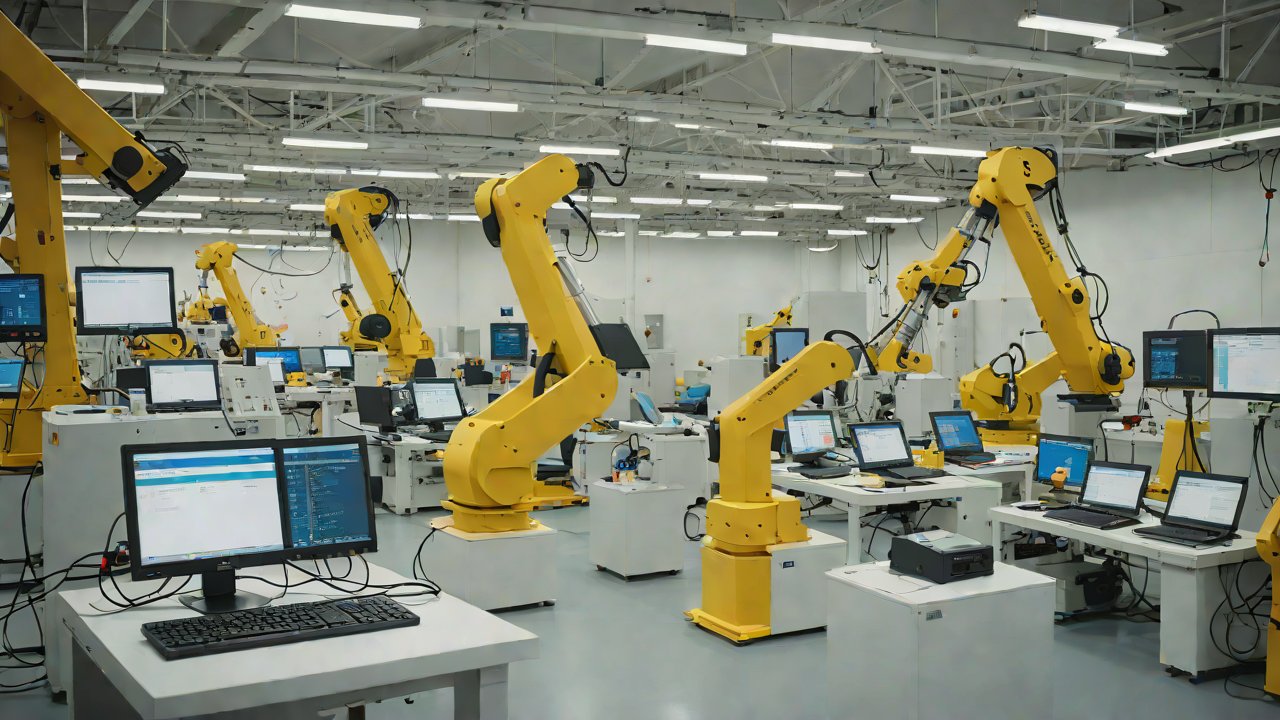
- Develop a comprehensive employee operation training manual: Outline key components of IoT technology and its applications in manufacturing.
- Provide ongoing support: Ensure employees remain up-to-date with new technologies and processes.
- Continuously monitor and evaluate: Regularly assess the effectiveness of IoT implementation and make adjustments as needed.
7. References
- Market Research Future. (2020). Internet of Things (IoT) in Manufacturing Market Size, Share & Trends Analysis Report by Component (Hardware, Software, Services), By End-Use Industry (Automotive, Aerospace, Food Processing), By Region, And Segment Forecasts, 2020 – 2025.
- IoT Analytics. (2019). IoT Adoption in Manufacturing: A Survey of European Companies.
This report provides a comprehensive guide to implementing an employee operation training manual for IoT transformation in Brazilian manufacturing. By following the roadmap outlined above and providing ongoing support, companies can ensure a successful transition to IoT technology and reap its numerous benefits.
IOT Cloud Platform
IOT Cloud Platform is an IoT portal established by a Chinese IoT company, focusing on technical solutions in the fields of agricultural IoT, industrial IoT, medical IoT, security IoT, military IoT, meteorological IoT, consumer IoT, automotive IoT, commercial IoT, infrastructure IoT, smart warehousing and logistics, smart home, smart city, smart healthcare, smart lighting, etc.
The IoT Cloud Platform blog is a top IoT technology stack, providing technical knowledge on IoT, robotics, artificial intelligence (generative artificial intelligence AIGC), edge computing, AR/VR, cloud computing, quantum computing, blockchain, smart surveillance cameras, drones, RFID tags, gateways, GPS, 3D printing, 4D printing, autonomous driving, etc.
Note: This article was professionally generated with the assistance of AIGC and has been fact-checked and manually corrected by IoT expert editor IoTCloudPlatForm.