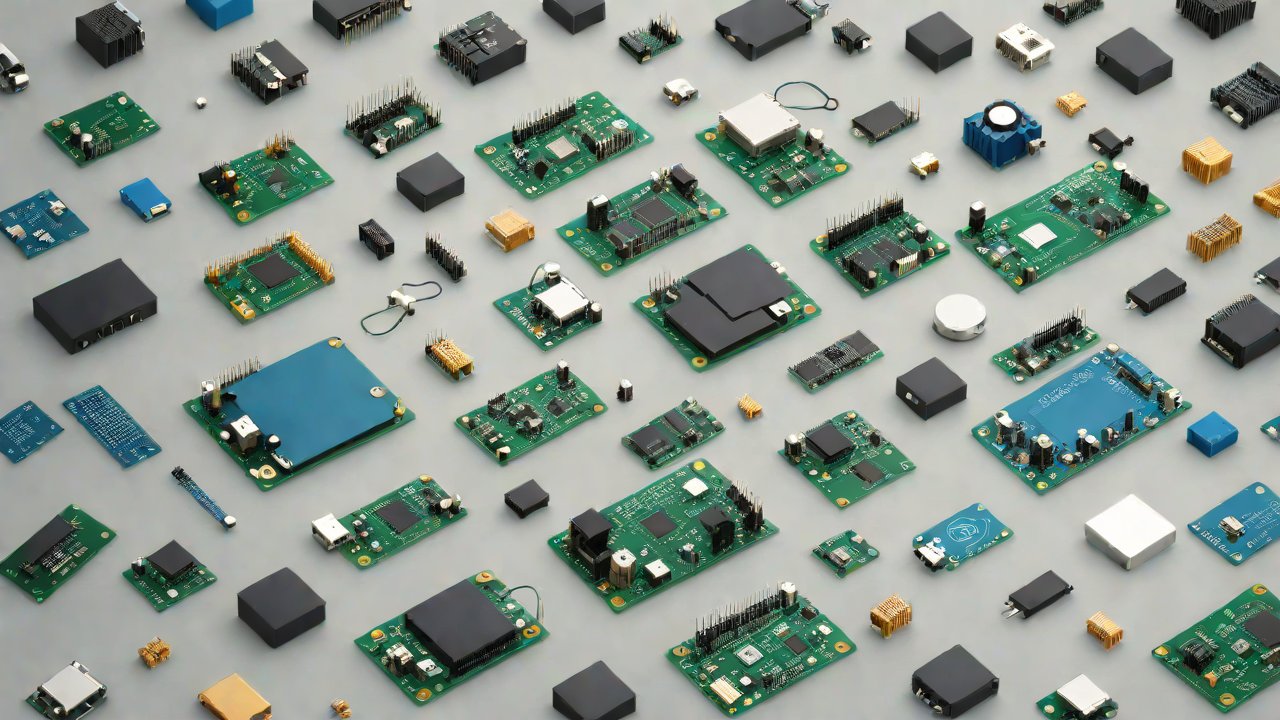
Complete List of Indian IoT Companies
The Internet of Things (IoT) has been transforming industries across the globe, and India is no exception. The country’s thriving startup ecosystem, growing demand for smart technologies, and government initiatives have created a fertile ground for IoT innovation. As a result, numerous Indian companies are emerging as leaders in the global IoT landscape. In this report, we will delve into the world of Indian IoT companies, exploring their innovations, market trends, and growth prospects.
1. Market Overview
The Indian IoT market is expected to reach $15 billion by 2025, growing at a CAGR of 24% (Source: MarketsandMarkets). The country’s unique blend of technological advancements, demographic changes, and government support has created a perfect storm for IoT adoption. From smart cities to industrial automation, the applications of IoT in India are diverse and rapidly expanding.
IoT Adoption by Industry
| Sector | Current Adoption (%) | Projected Growth Rate (%) |
|---|---|---|
| Manufacturing | 12% | 25% |
| Transportation | 10% | 30% |
| Energy & Utilities | 8% | 28% |
| Healthcare | 6% | 32% |

2. Key Players in the Indian IoT Market
The following companies are leading the charge in India’s IoT revolution:
A) Industrial Automation
- Bosch Rexroth: The German conglomerate has a significant presence in India, offering IoT-enabled automation solutions for industries like automotive and food processing.
| Company | Description |
| — | — |
| Bosch Rexroth | Industrial automation and control systems | - Siemens: Siemens is another global giant with a strong foothold in India, providing IoT-based industrial automation solutions for sectors like power generation and distribution.
B) Smart Cities
- Smart City Mission (SCM): Launched by the Indian government to develop 100 smart cities across the country.
| City | Key Initiatives |
| — | — |
| Pune | Smart traffic management, waste-to-energy plants | - Hindustan Dorr-Oliver Ltd: Offers IoT-based solutions for smart city development, including intelligent transportation systems and energy-efficient buildings.
C) IoT Enablement
- ARM Holdings: The UK-based company has a significant presence in India, providing IoT enablement platforms and services for industries like automotive and consumer electronics.
| Service | Description |
| — | — |
| ARM mbed**: IoT development platform and tools | - NVIDIA: The US-based tech giant has a growing presence in India, offering AI-powered IoT solutions for applications like autonomous vehicles and smart cities.
D) Startups
- IoT startup, Zenatix: Offers IoT-based energy management solutions for commercial buildings.
| Product | Description |
| — | — |
| Energy Manager**: IoT-enabled energy monitoring and optimization platform | - Another IoT startup, Karambelkar Technologies: Provides IoT-based smart agriculture solutions, including precision farming and crop monitoring.

3. Emerging Trends in Indian IoT Market
The Indian IoT market is witnessing several emerging trends that are driving growth:
A) AI-Powered IoT Solutions
- Increased adoption of AI-powered IoT solutions to enhance decision-making, improve operational efficiency, and reduce costs.
- Growing demand for data analytics and insights, driven by the need for actionable intelligence in industries like manufacturing and healthcare.
B) 5G Connectivity
- Rollout of 5G networks is expected to accelerate IoT adoption, enabling faster data transfer rates and lower latency.
- Increased focus on edge computing, as companies look to process data closer to the source, reducing latency and improving real-time decision-making.
4. Challenges and Opportunities
Despite the growth prospects, the Indian IoT market faces several challenges:
A) Security Concerns
- Growing concerns about IoT security, with hackers exploiting vulnerabilities in connected devices.
- Need for robust cybersecurity measures to protect against data breaches and cyber threats.
B) Regulatory Framework
- Lack of clear regulations and standards is hindering the growth of the Indian IoT market.
- Need for government support and investment in IoT infrastructure, research, and development.
5. Conclusion
The Indian IoT market is poised for significant growth, driven by innovative startups, established players, and government initiatives. As the country continues to invest in digital transformation, IoT adoption will play a crucial role in driving economic growth, improving operational efficiency, and enhancing customer experience. However, challenges like security concerns and regulatory frameworks must be addressed to unlock the full potential of India’s IoT revolution.
6. Recommendations
To accelerate the growth of the Indian IoT market:
- Encourage government support for IoT research and development, infrastructure development, and standardization.
- Invest in cybersecurity measures, including education, awareness, and robust security protocols.
- Foster collaborations between startups, established players, and academia to drive innovation and adoption.
By addressing these challenges and opportunities, India can solidify its position as a global leader in the IoT market, driving economic growth, improving lives, and creating new opportunities for businesses and individuals alike.
IOT Cloud Platform
IOT Cloud Platform is an IoT portal established by a Chinese IoT company, focusing on technical solutions in the fields of agricultural IoT, industrial IoT, medical IoT, security IoT, military IoT, meteorological IoT, consumer IoT, automotive IoT, commercial IoT, infrastructure IoT, smart warehousing and logistics, smart home, smart city, smart healthcare, smart lighting, etc.
The IoT Cloud Platform blog is a top IoT technology stack, providing technical knowledge on IoT, robotics, artificial intelligence (generative artificial intelligence AIGC), edge computing, AR/VR, cloud computing, quantum computing, blockchain, smart surveillance cameras, drones, RFID tags, gateways, GPS, 3D printing, 4D printing, autonomous driving, etc.
Note: This article was professionally generated with the assistance of AIGC and has been fact-checked and manually corrected by IoT expert editor Indian IoT developers.