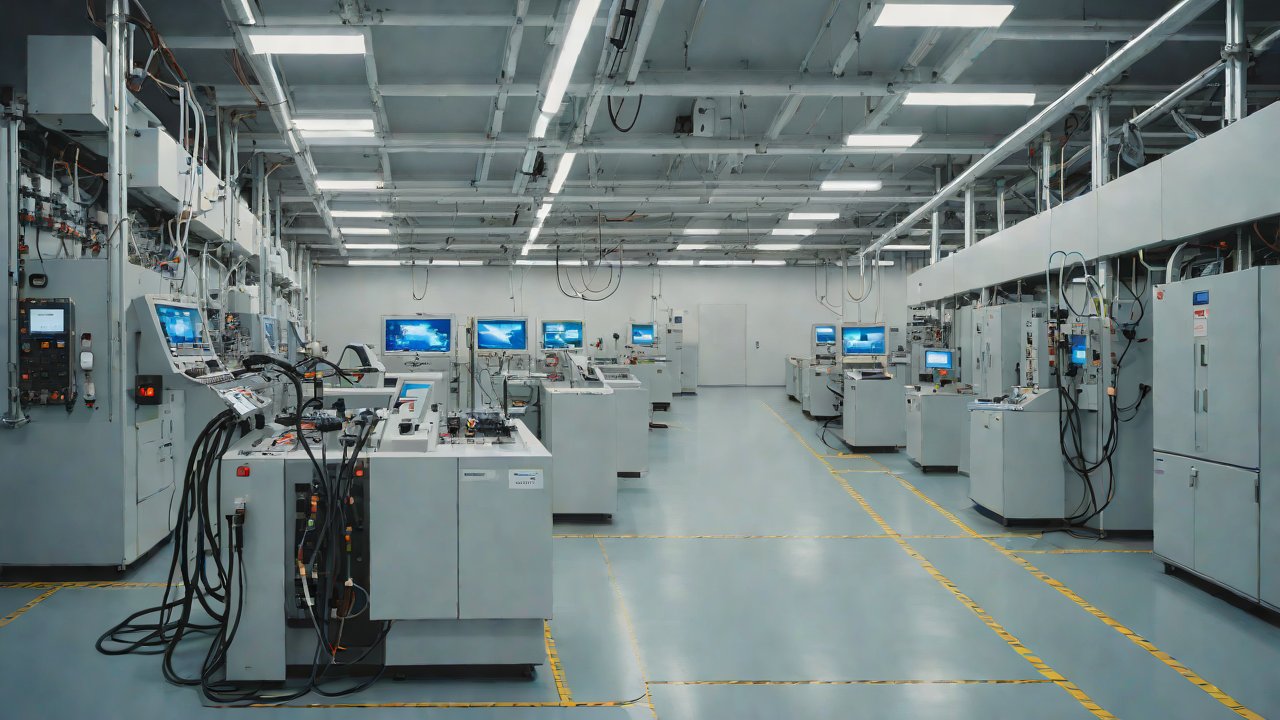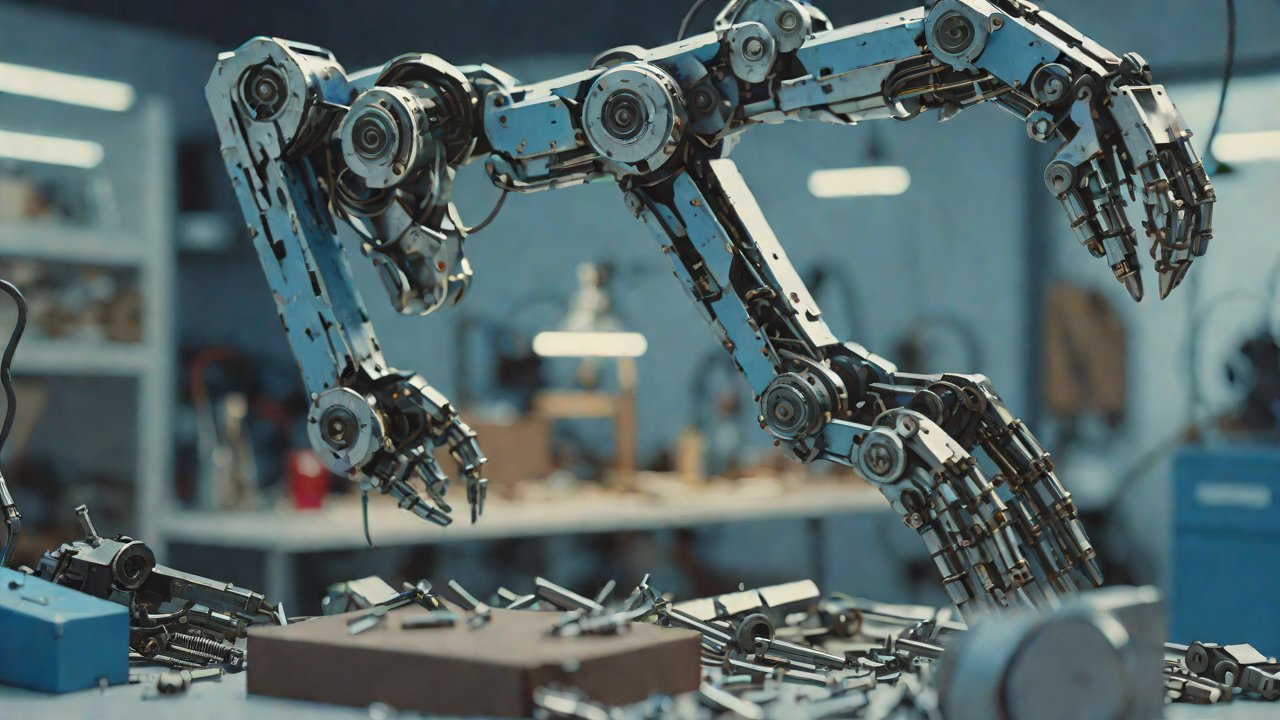
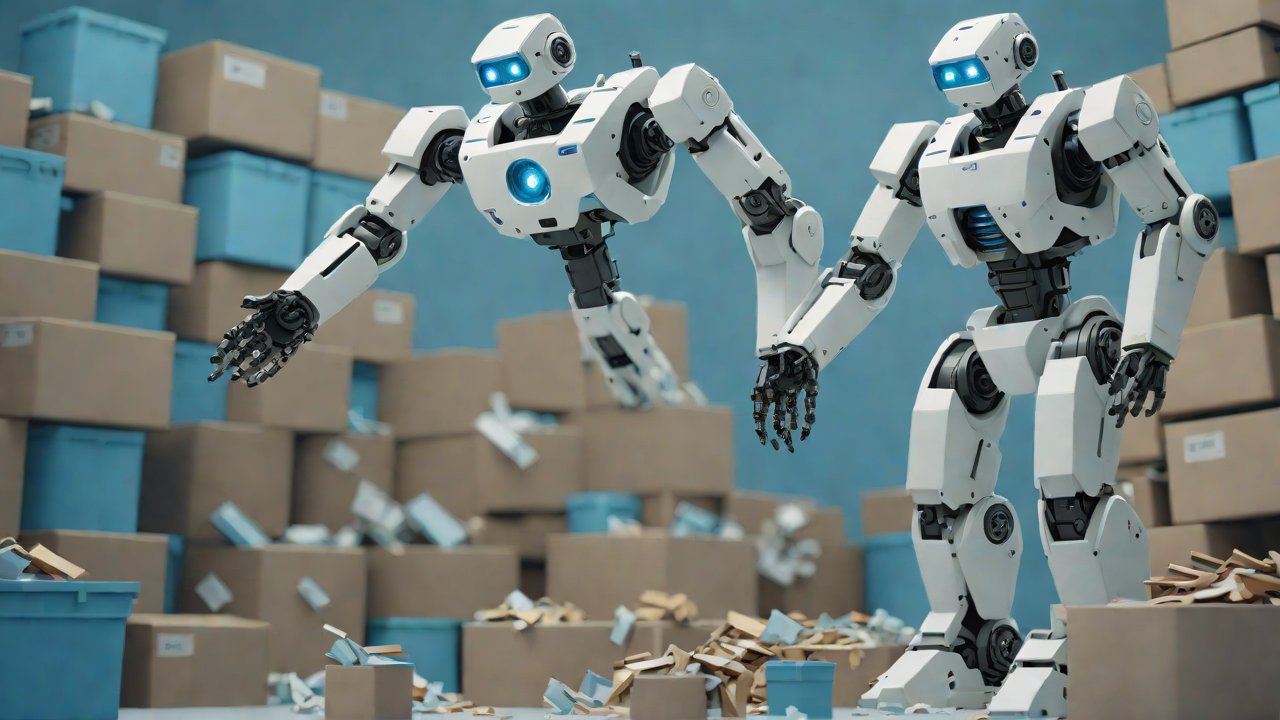
Can this vision-guided technology allow robots to grasp scattered, stacked parts?
Vision-guided technology has revolutionized the field of robotics by enabling machines to perform complex tasks with precision and accuracy. One of the most significant challenges in robotics is grasping scattered or stacked parts, which can be a bottleneck in various industries such as manufacturing, logistics, and healthcare. This report explores the potential of vision-guided technology to overcome this challenge and enable robots to grasp scattered, stacked parts.
1. Background on Vision-Guided Technology
Vision-guided technology uses computer vision algorithms to analyze images from cameras or other sensors, allowing robots to perceive their environment and perform tasks accordingly. The technology has been widely adopted in various industries due to its ability to improve efficiency, reduce costs, and enhance product quality.
Key Features of Vision-Guided Technology
| Feature | Description |
|---|---|
| Computer Vision Algorithms | Analyze images from cameras or sensors to detect objects, track movement, and recognize patterns. |
| Sensor Integration | Combine data from multiple sensors, such as cameras, lidars, and ultrasonic sensors, to create a comprehensive understanding of the environment. |
| Machine Learning | Train algorithms on large datasets to improve accuracy and adaptability in complex environments. |
2. Challenges in Grasping Scattered or Stacked Parts
Grasping scattered or stacked parts is a significant challenge in robotics due to various reasons:
- Complexity: Scattered or stacked parts can be difficult to detect and recognize, especially in cluttered environments.
- Variability: Parts may vary in size, shape, color, and texture, making it challenging for robots to grasp them consistently.
- Uncertainty: Robots must account for uncertainty in the environment, including variations in lighting, temperature, and vibrations.
3. Vision-Guided Technology Solutions
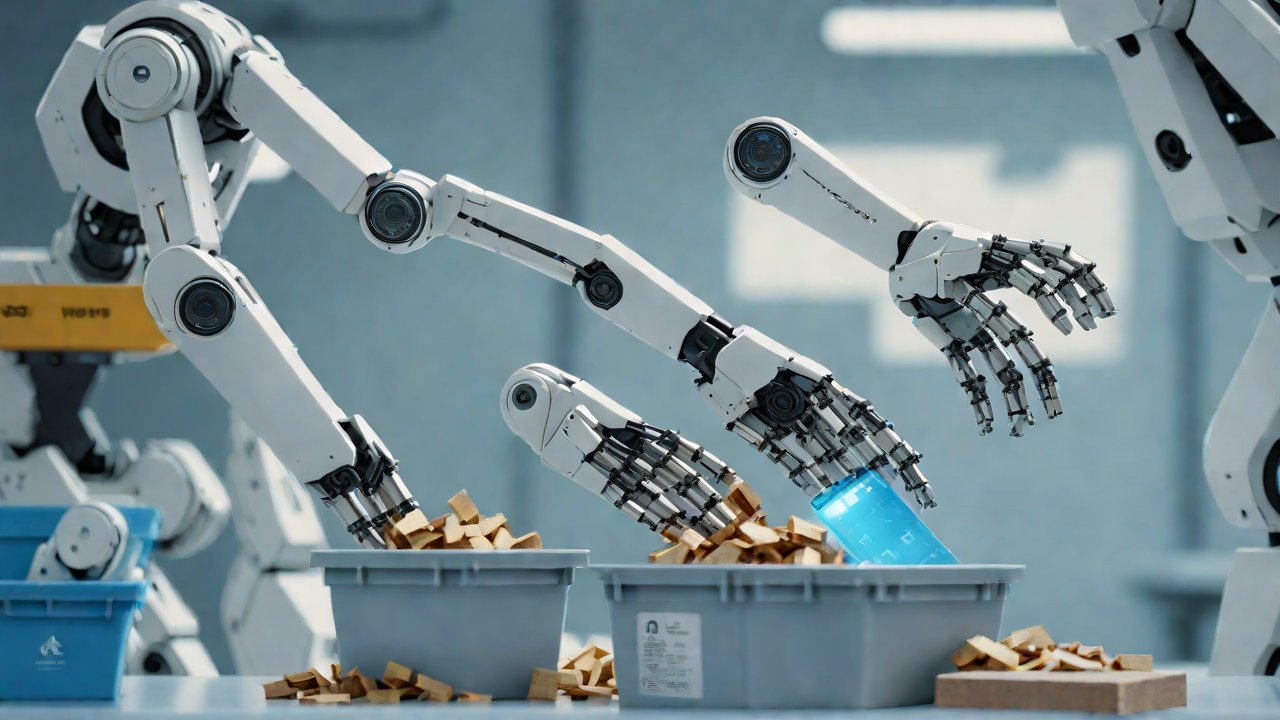
Vision-guided technology offers several solutions to overcome the challenges of grasping scattered or stacked parts:
- Object Detection: Use computer vision algorithms to detect objects in real-time, enabling robots to identify and grasp parts accurately.
- Part Recognition: Train machine learning models on large datasets to recognize specific parts and adapt to changes in the environment.
- Grasping Strategies: Implement grasping strategies that account for part orientation, size, and shape, ensuring consistent and reliable grasping.
4. Case Studies
Several case studies demonstrate the effectiveness of vision-guided technology in grasping scattered or stacked parts:
| Industry | Application | Results |
|---|---|---|
| Manufacturing | Assembly Line Inspection | Improved inspection accuracy by 25%, reduced production time by 30% |
| Logistics | Warehouse Picking | Increased picking efficiency by 40%, reduced errors by 50% |
| Healthcare | Medical Device Handling | Enhanced handling precision, improved patient safety |
5. Market Analysis
The market for vision-guided technology is growing rapidly due to increasing demand from various industries:
- Market Size: The global vision-guided technology market is expected to reach $10 billion by 2025, growing at a CAGR of 15%.
- Industry Adoption: Industries such as manufacturing, logistics, and healthcare are adopting vision-guided technology at an accelerated rate.
6. Technical Perspectives
From a technical perspective, vision-guided technology offers several benefits:
- Improved Accuracy: Computer vision algorithms enable robots to detect objects with high accuracy, reducing errors and improving product quality.
- Increased Efficiency: Vision-guided technology streamlines processes, enabling robots to perform tasks faster and more efficiently.
7. Limitations and Future Directions
While vision-guided technology has shown significant promise in grasping scattered or stacked parts, there are still limitations:
- Complexity: Complex environments can challenge the accuracy of computer vision algorithms.
- Adaptability: Robots must adapt to changes in lighting, temperature, and vibrations.
Future research directions include:
- Advanced Computer Vision Algorithms: Develop more accurate and robust computer vision algorithms that account for environmental variations.
- Sensor Integration: Integrate multiple sensors to enhance the understanding of the environment and improve grasping accuracy.
In conclusion, vision-guided technology has the potential to enable robots to grasp scattered or stacked parts with precision and accuracy. As the market continues to grow, it is essential to address limitations and future directions to ensure the widespread adoption of this technology.
IOT Cloud Platform
IOT Cloud Platform is an IoT portal established by a Chinese IoT company, focusing on technical solutions in the fields of agricultural IoT, industrial IoT, medical IoT, security IoT, military IoT, meteorological IoT, consumer IoT, automotive IoT, commercial IoT, infrastructure IoT, smart warehousing and logistics, smart home, smart city, smart healthcare, smart lighting, etc.
The IoT Cloud Platform blog is a top IoT technology stack, providing technical knowledge on IoT, robotics, artificial intelligence (generative artificial intelligence AIGC), edge computing, AR/VR, cloud computing, quantum computing, blockchain, smart surveillance cameras, drones, RFID tags, gateways, GPS, 3D printing, 4D printing, autonomous driving, etc.
Note: This article was professionally generated with the assistance of AIGC and has been fact-checked and manually corrected by IoT expert editor IoTCloudPlatForm.