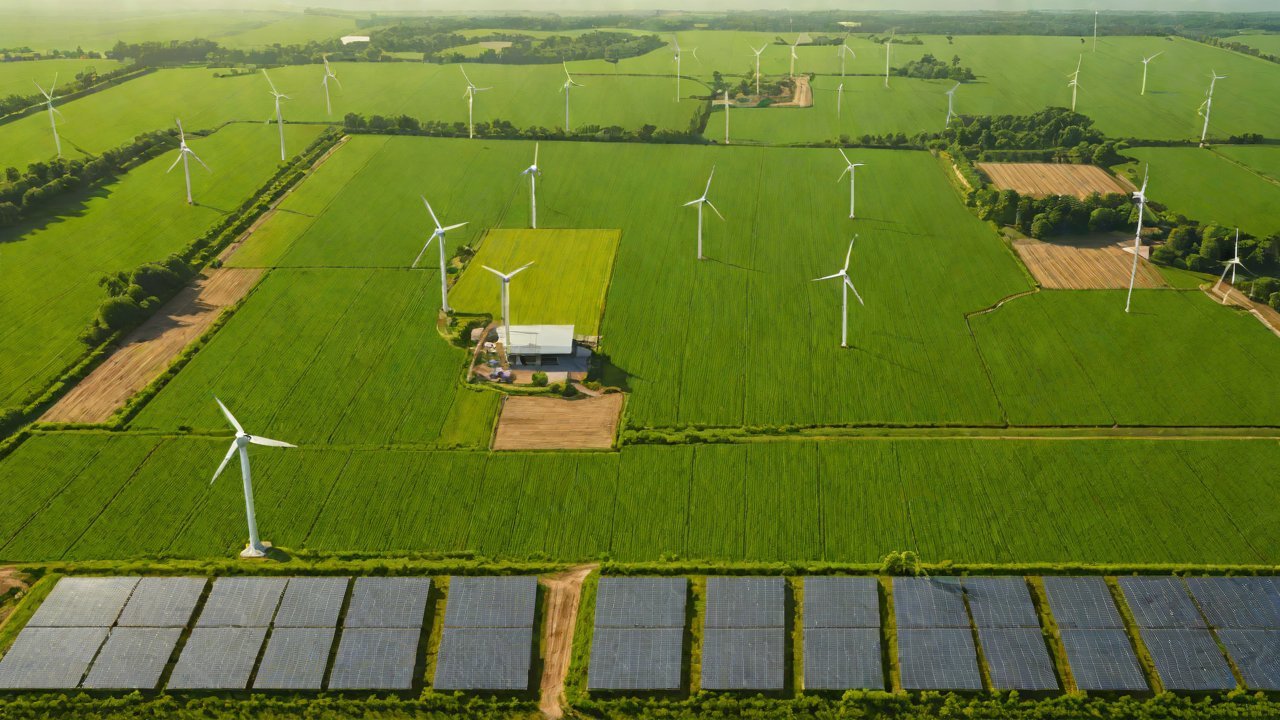
When smart agriculture reaches its peak, will humanity return to a natural lifestyle?
The verdant expanse of the world’s farmlands, once a testament to human ingenuity and perseverance, now teems with the promise of a revolution in agricultural practices. As we step into an era where precision farming, AI-driven crop monitoring, and data analytics converge, the very fabric of our relationship with nature is poised for a seismic shift. The trajectory of smart agriculture’s ascent is nothing short of meteoric, promising to rewire the way we produce, consume, and interact with food at every level. But as this technological juggernaut gains momentum, a profound question begins to stir: will humanity be nudged towards a more natural lifestyle when smart agriculture reaches its zenith?
1. The Rise of Smart Agriculture
A Brief History of Agricultural Innovation
- Early Beginnings: From the first domestication of plants around 10,000 BCE to the advent of mechanized farming in the early 20th century, agriculture has been a cornerstone of human progress.
- Green Revolution (1940s-1970s): The introduction of high-yielding crop varieties, irrigation systems, and synthetic fertilizers saw global food production soar. However, this period also laid the groundwork for environmental concerns.
The Smart Agriculture Era
Smart agriculture is not merely a continuation of past innovations; it represents a quantum leap forward in how we interact with our crops and lands. Key drivers include:
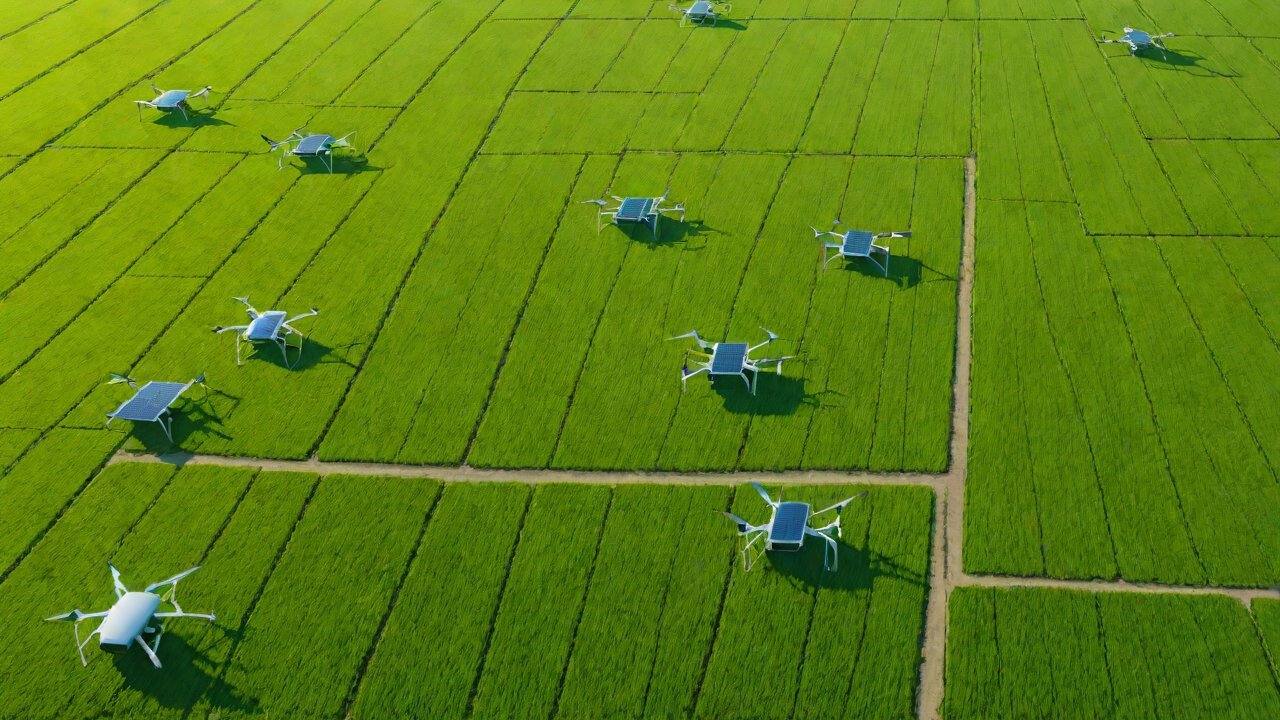
- Precision Farming: This involves using advanced technologies like drones, satellite imaging, and sensors to monitor crop health, soil conditions, and water usage.
- Artificial Intelligence (AI) and Machine Learning (ML): AI and ML are increasingly being applied in agriculture for predictive analytics, decision support systems, and autonomous farming equipment.
2. The Impact of Smart Agriculture on Human Lifestyle
Shift from Monoculture to Polyculture
Smart agriculture’s focus on precision and efficiency might seem at odds with the natural world, but it also presents opportunities for more diverse and sustainable agricultural practices:
- Increased Crop Diversification: With the ability to monitor and manage specific crop needs, farmers can return to polycultures, which are less susceptible to pests and diseases.
- Reduced Chemical Use: AI-driven monitoring enables targeted interventions, potentially reducing the need for chemical pesticides and fertilizers.
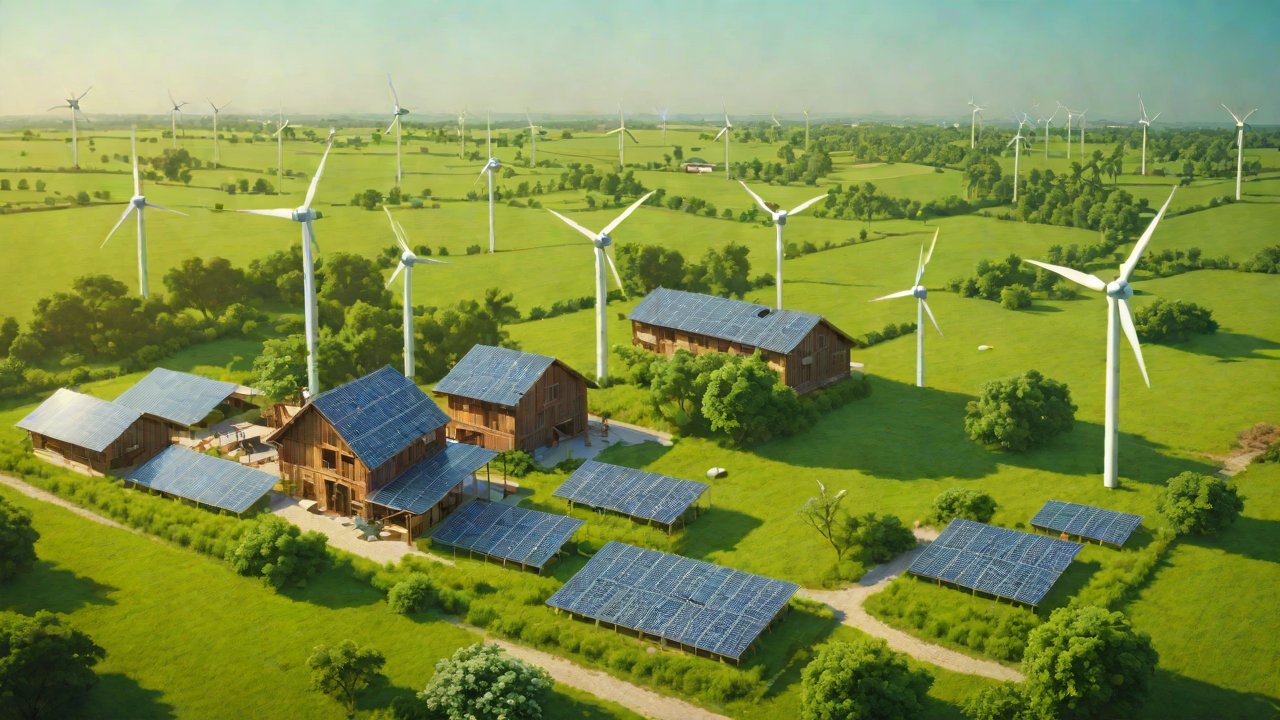
Potential for a Return to Natural Lifestyle
A key aspect of smart agriculture’s appeal is its potential to harmonize human needs with environmental sustainability. This could lead to:
- Urban-Rural Integration: As smart farming practices become more prevalent, there might be a renewed interest in local food production and consumption, bridging the gap between urban and rural communities.
- Education and Community Engagement: Smart agriculture’s emphasis on data-driven decision-making could foster a deeper appreciation for the natural world among consumers.
3. Market Trends and Future Outlook
Market Size and Growth
The smart agriculture market has been growing steadily over the past decade, with forecasts indicating significant expansion in the coming years:
| Year | Smart Agriculture Market Size (USD Billion) |
|---|---|
| 2020 | 12.5 |
| 2023 | 20.6 |
| 2025 | 31.4 |
Key Players and Innovations
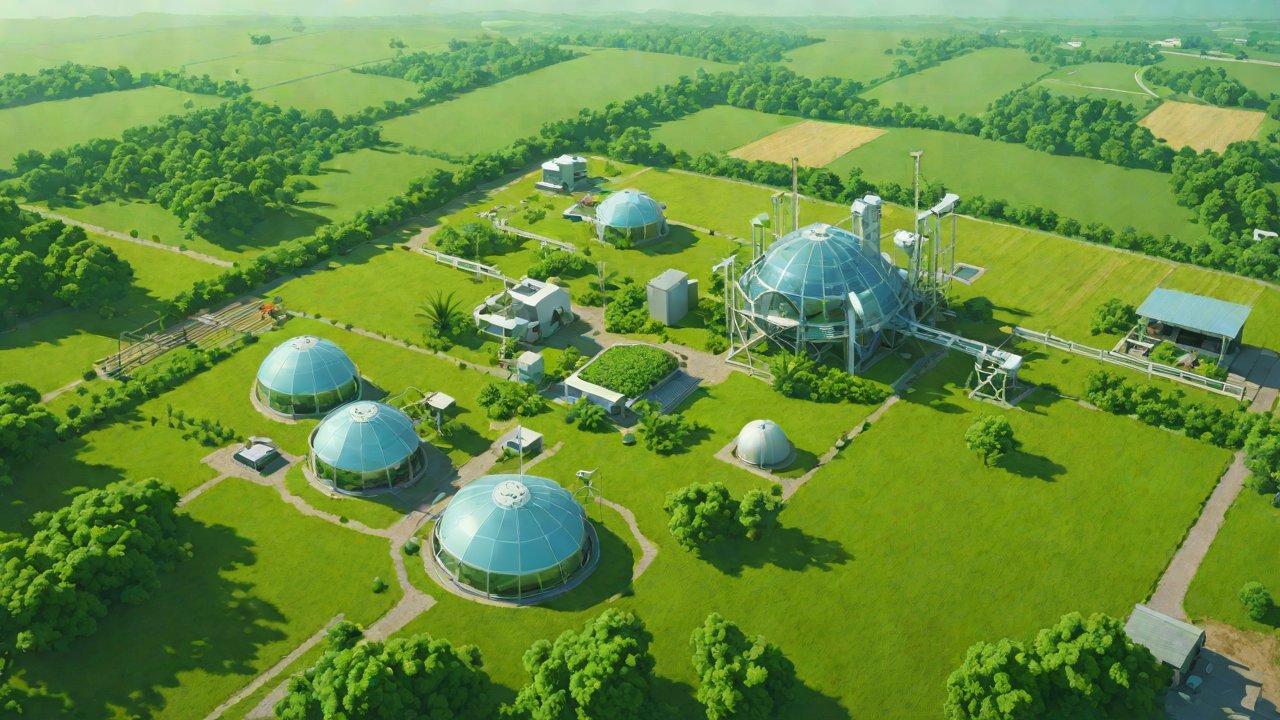
Several companies and research institutions are at the forefront of smart agriculture innovations:
- John Deere: A pioneer in precision farming equipment.
- Granular: Offers AI-powered farm management solutions.
- The European Commission’s Horizon 2020 Program: Supports research into sustainable agriculture practices.
4. Challenges and Opportunities
Environmental Considerations
While smart agriculture holds promise, its environmental impact is a subject of ongoing debate:
- Energy Consumption: The energy required for sensors, drones, and data centers could offset some of the environmental benefits.
- Digital Divide: Access to smart agricultural technologies may exacerbate existing inequalities between developed and developing regions.
Economic and Social Implications
The adoption of smart agriculture has far-reaching economic and social implications:
- Job Displacement vs. Creation: While automation might reduce jobs in farming, it could also create new opportunities in technology development and data analysis.
- Food Security and Accessibility: Smart agriculture can improve crop yields and reduce waste, contributing to global food security.
5. Conclusion
As smart agriculture continues its ascent, humanity is poised at a crossroads. The technologies and practices emerging from this revolution hold the potential to not only optimize agricultural productivity but also encourage a more harmonious relationship with nature. Whether we will return to a natural lifestyle as smart agriculture reaches its peak remains to be seen. However, it’s clear that the future of food production and consumption is being rewritten in real-time, offering us a chance to redefine what it means to live sustainably on this planet.
IOT Cloud Platform
IOT Cloud Platform is an IoT portal established by a Chinese IoT company, focusing on technical solutions in the fields of agricultural IoT, industrial IoT, medical IoT, security IoT, military IoT, meteorological IoT, consumer IoT, automotive IoT, commercial IoT, infrastructure IoT, smart warehousing and logistics, smart home, smart city, smart healthcare, smart lighting, etc.
The IoT Cloud Platform blog is a top IoT technology stack, providing technical knowledge on IoT, robotics, artificial intelligence (generative artificial intelligence AIGC), edge computing, AR/VR, cloud computing, quantum computing, blockchain, smart surveillance cameras, drones, RFID tags, gateways, GPS, 3D printing, 4D printing, autonomous driving, etc.



