When multiple AGVs meet at an intersection, which has the highest priority?
The intricate dance of Automated Guided Vehicles (AGVs) navigating through complex intersections is a testament to their ability to optimize logistics and streamline workflows in various industries. As the demand for AGV adoption grows, so does the need for a standardized framework governing their interactions at critical junctures such as intersections. In this context, determining which AGV has the highest priority when multiple units meet at an intersection becomes a pressing concern.
1. Background and Context
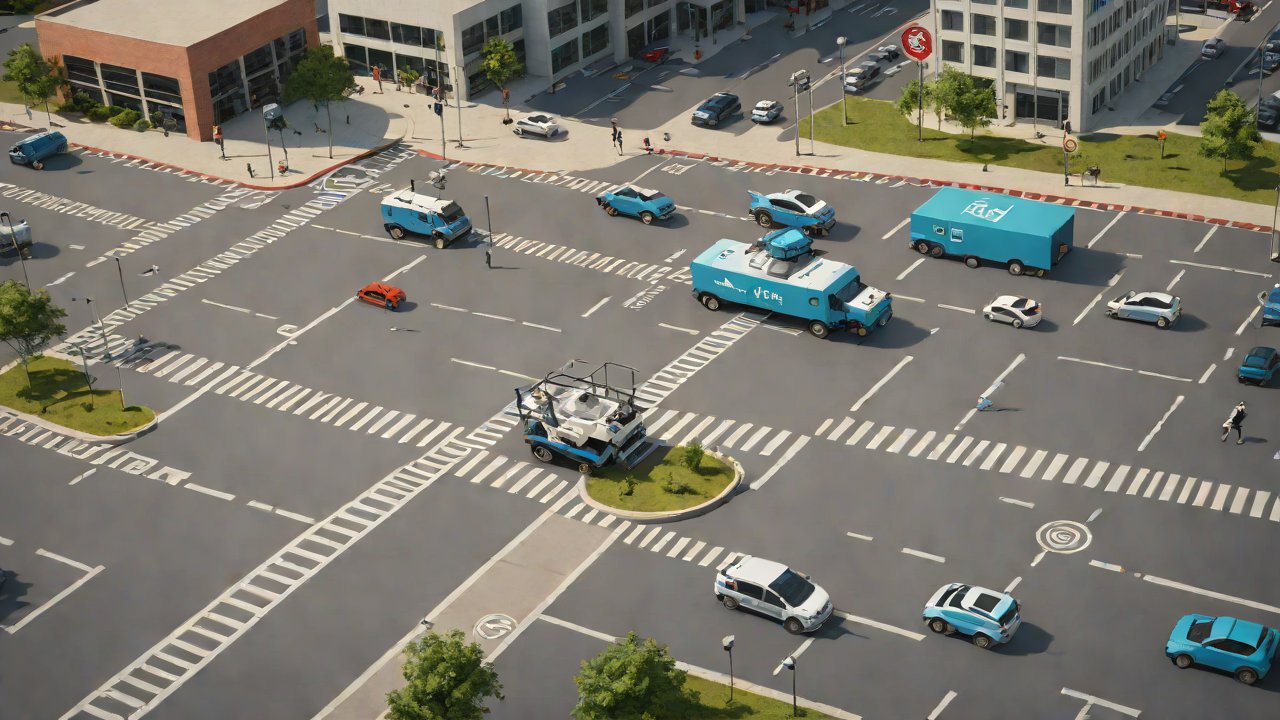
AGVs are increasingly being employed in warehouses, manufacturing facilities, and other settings where efficiency and precision are paramount. These autonomous vehicles rely on a combination of sensors, navigation systems, and software to move goods around designated areas without human intervention. However, as the number of AGVs in operation increases, so does the likelihood of encounters at intersections, raising questions about traffic flow management and collision prevention.
Intersection Types
AGV interactions can occur at various types of intersections, including:
| Intersection Type | Description |
|---|---|
| T-Intersections | Two AGVs intersecting in a ‘T’ shape. |
| X-Intersections | Two AGVs meeting head-on. |
| Y-Intersections | Three or more AGVs converging at a single point. |
2. Priority Determination Methods
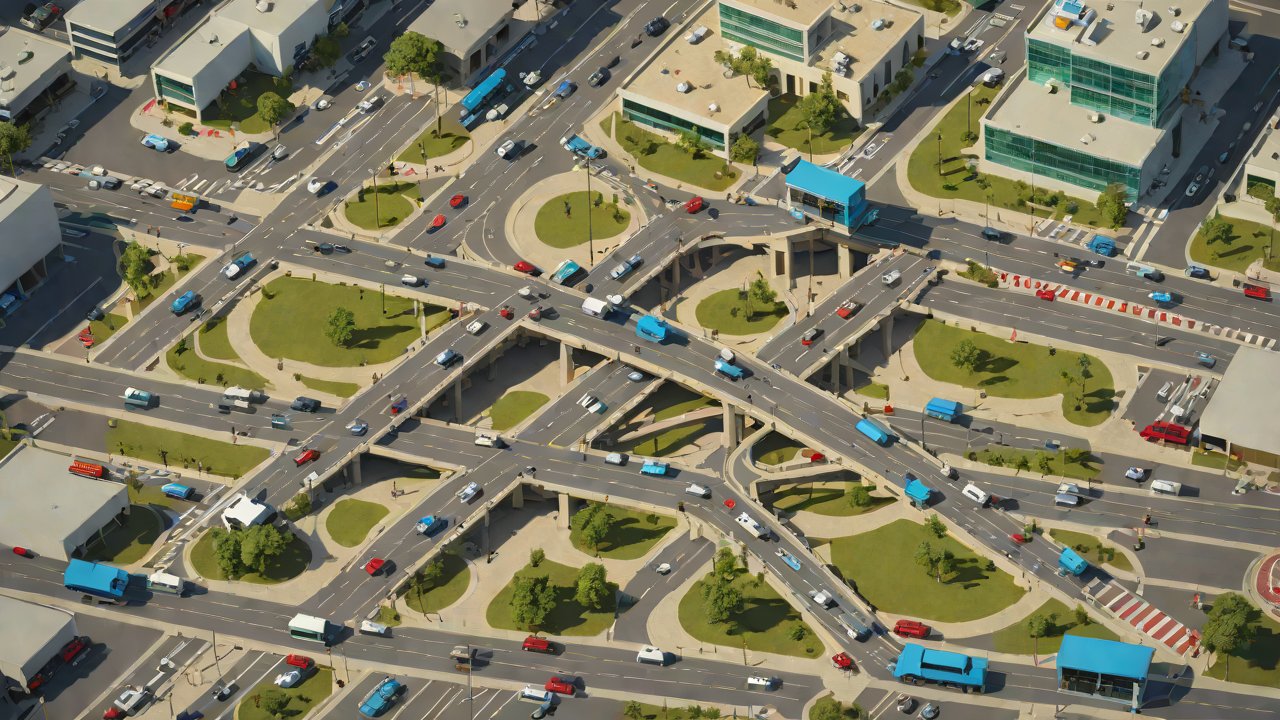
Several approaches can be employed to determine the priority of AGVs at intersections:
1. Fixed Priorities
Assigning fixed priorities based on AGV identifiers, such as serial numbers or designations, is one method. This approach ensures predictability but may not account for dynamic changes in traffic flow.
| Method | Description |
|---|---|
| Sequential Priority | Assigns priority based on the order of arrival at the intersection. |
| Randomized Priority | Uses random number generators to determine priority, reducing predictability. |
2. Dynamic Priorities
Dynamic methods consider real-time traffic conditions and adapt priorities accordingly:
| Method | Description |
|---|---|
| Traffic Volume-Based Priority | Assigns higher priority to AGVs carrying more critical or time-sensitive cargo. |
| Collision Risk Assessment | Analyzes potential collision risks based on speed, direction, and proximity of approaching AGVs. |
3. Technical Perspectives
AIGC (Artificial Intelligence in Goods Cognition) plays a crucial role in determining AGV priorities:
AIGC in Priority Determination
AGV manufacturers are incorporating AIGC capabilities to enhance navigation and traffic management:
| Feature | Description |
|---|---|
| Predictive Analytics | Uses machine learning algorithms to forecast potential collisions and adjust priorities accordingly. |
| Real-Time Sensor Data | Integrates sensor data from cameras, lidars, and radar to create a dynamic picture of the intersection environment. |
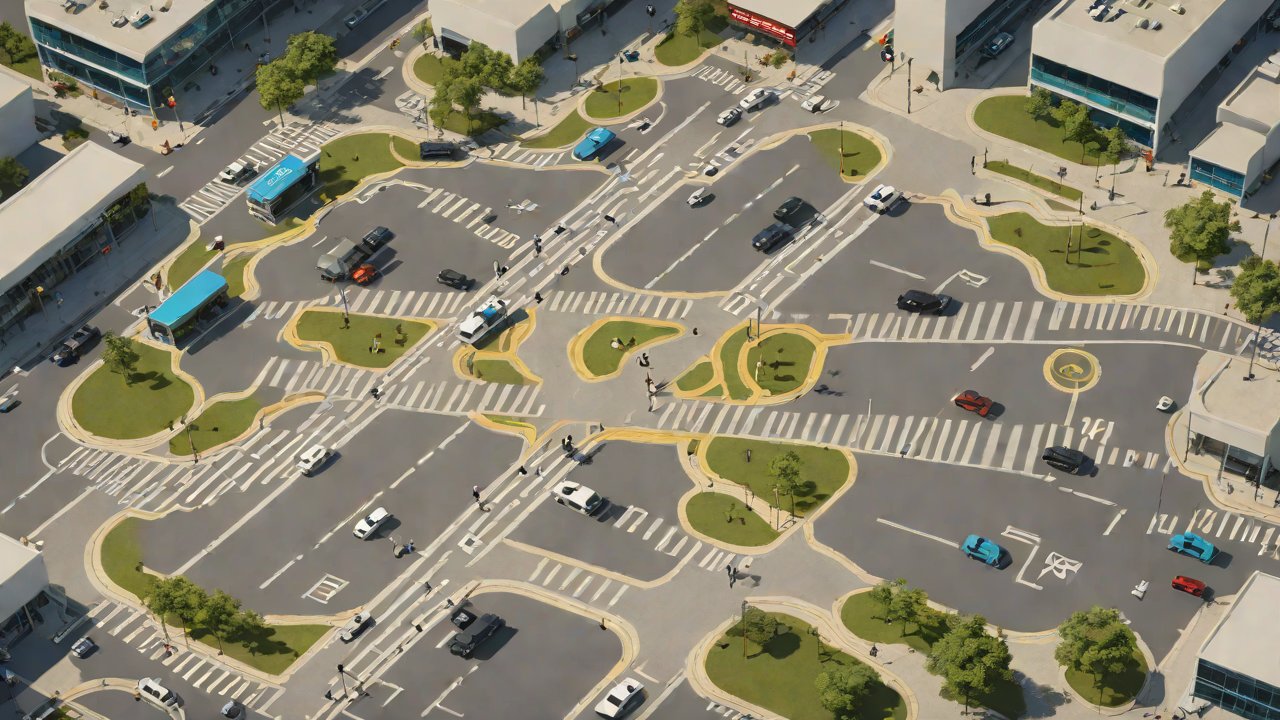
4. Market Analysis
The market for AGVs is expected to grow significantly in the coming years, driven by increasing demand for automation and efficiency:
Market Drivers
Key drivers behind this growth include:
| Driver | Description |
|---|---|
| Cost Savings | Reduced labor costs and increased productivity. |
| Increased Efficiency | Improved logistics and streamlined workflows. |
5. Conclusion
Determining the highest priority AGV at an intersection is a complex task that requires a combination of technical expertise, market understanding, and AIGC insights. By examining various methods for determining priority and incorporating AIGC perspectives, it becomes clear that no single approach will suffice in all situations.
Incorporating dynamic and adaptive methods, leveraging real-time sensor data, and employing predictive analytics can help mitigate potential collisions and optimize traffic flow. As the AGV market continues to evolve, so too must our understanding of how these vehicles interact at critical junctures like intersections.
IOT Cloud Platform
IOT Cloud Platform is an IoT portal established by a Chinese IoT company, focusing on technical solutions in the fields of agricultural IoT, industrial IoT, medical IoT, security IoT, military IoT, meteorological IoT, consumer IoT, automotive IoT, commercial IoT, infrastructure IoT, smart warehousing and logistics, smart home, smart city, smart healthcare, smart lighting, etc.
The IoT Cloud Platform blog is a top IoT technology stack, providing technical knowledge on IoT, robotics, artificial intelligence (generative artificial intelligence AIGC), edge computing, AR/VR, cloud computing, quantum computing, blockchain, smart surveillance cameras, drones, RFID tags, gateways, GPS, 3D printing, 4D printing, autonomous driving, etc.
Note: This article was professionally generated with the assistance of AIGC and has been fact-checked and manually corrected by IoT expert editor IoTCloudPlatForm.