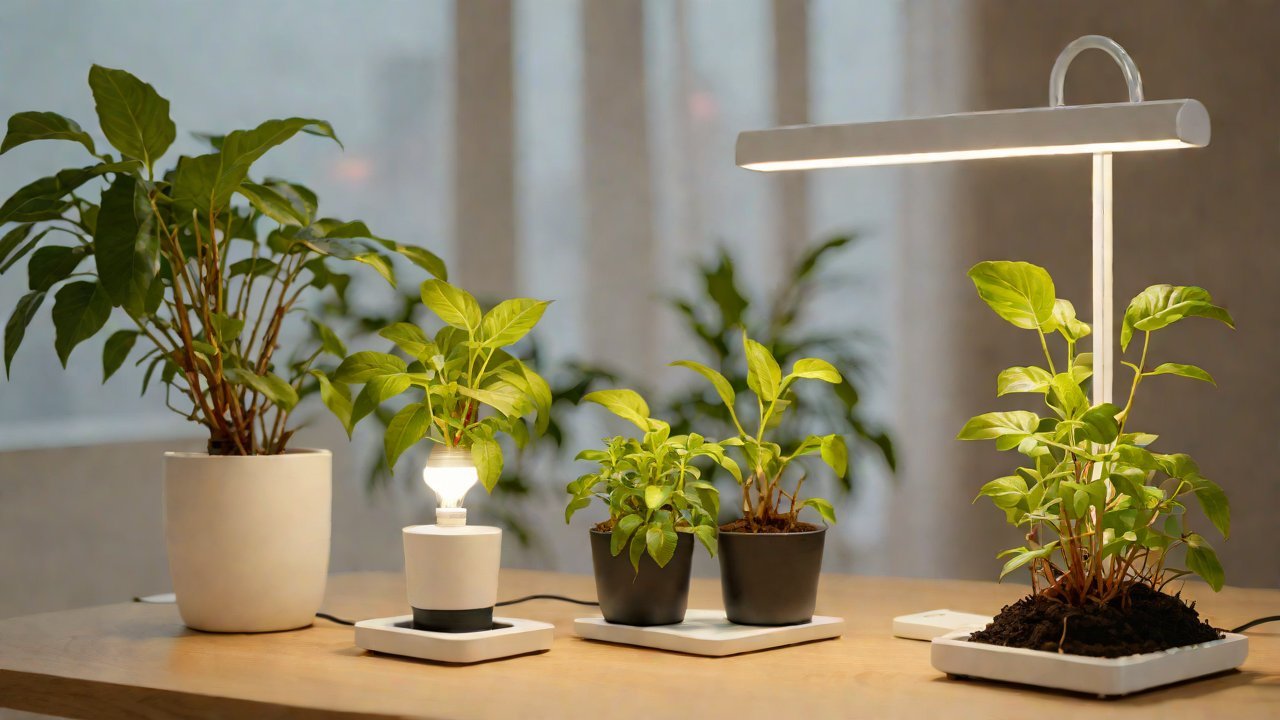
One-click deployment: Can IoT soil moisture monitoring devices be plug-and-play like light bulbs?
As we navigate the intricate landscape of Internet of Things (IoT) technology, one concept stands out as a beacon of simplicity and ease of use: one-click deployment. Inspired by the humble light bulb, which can be effortlessly plugged into any socket without requiring extensive technical expertise, the notion of plug-and-play IoT devices has captured the imagination of industry stakeholders and enthusiasts alike.
One-click deployment promises to revolutionize the way we interact with IoT devices by eliminating the need for complex setup procedures, tedious configuration files, and frustrating troubleshooting sessions. This vision is particularly relevant in the context of soil moisture monitoring devices, which are increasingly being deployed to optimize agricultural productivity, reduce water waste, and promote sustainable farming practices.
However, can these devices truly be plug-and-play like light bulbs? Or are there fundamental limitations that preclude them from achieving this level of simplicity?
1. The Current State of IoT Soil Moisture Monitoring Devices
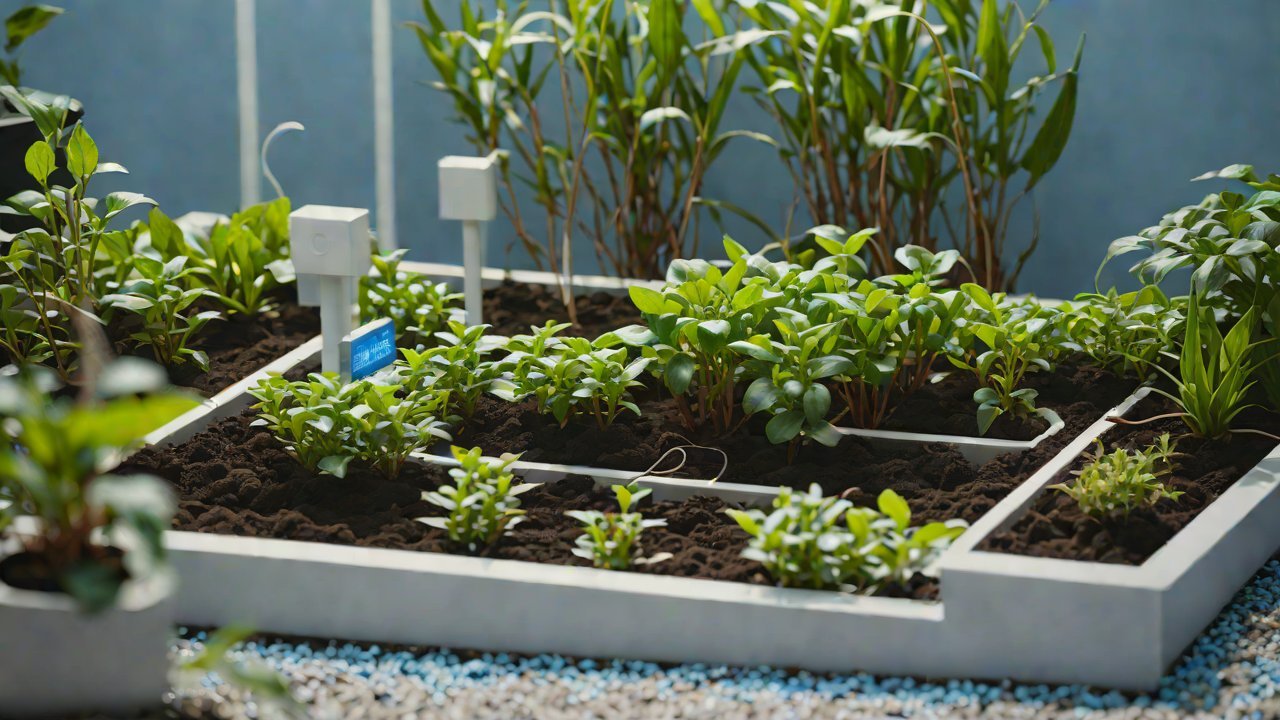
IoT soil moisture monitoring devices have gained significant traction in recent years due to their ability to provide real-time data on soil moisture levels, temperature, and other relevant parameters. These devices typically consist of a sensor module, a communication module (e.g., Wi-Fi or cellular), and a power source.
While some devices offer relatively straightforward setup procedures, many others require extensive technical expertise to configure and deploy. This is often due to the need for:
- Complex network configurations
- Manual IP address assignment
- Customized firmware updates
- Integration with third-party platforms
The following table highlights the current state of IoT soil moisture monitoring devices in terms of their ease of use and deployment complexity.
| Device | Ease of Use (1-5) | Deployment Complexity |
|---|---|---|
| Davis Vantage Pro2 | 4 | Moderate (network configuration required) |
| Skydrop Smart Garden Sensor | 3 | Complex (firmware updates and integration with smart home systems) |
| YSI EXO1 Rugged Water Quality Sonde | 5 | Simple (plug-and-play, but requires calibration) |

2. Challenges to One-Click Deployment

Several factors contribute to the challenges associated with achieving one-click deployment for IoT soil moisture monitoring devices:
- Network infrastructure: The need for a stable and reliable network connection, which may not always be available in remote or rural areas.
- Device heterogeneity: The diversity of devices and protocols used in IoT deployments can lead to integration complexities and interoperability issues.
- Power supply: Devices often require external power sources, which can add complexity to the deployment process.
- Sensor calibration: Soil moisture sensors typically require calibration to ensure accurate readings, which can be a time-consuming and labor-intensive process.
3. Emerging Trends and Technologies
Several emerging trends and technologies hold promise for simplifying the deployment of IoT soil moisture monitoring devices:
- Low-power wide-area networks (LPWANs): LPWANs offer extended battery life and reduced power consumption, making them an attractive option for IoT devices.
- Edge computing: Edge computing enables data processing and analysis closer to the device, reducing the need for complex network configurations and improving real-time decision-making.
- Cloud-based platforms: Cloud-based platforms provide simplified deployment and management options, as well as advanced analytics and visualization capabilities.
The following table highlights some of the key players in the IoT soil moisture monitoring market and their respective approaches to one-click deployment:
| Company | Approach |
|---|---|
| FarmWise | Cloud-based platform with plug-and-play device integration |
| GreenIQ | Edge computing-enabled devices with simplified setup procedures |
| Hydrofarm | LPWAN-enabled devices with automatic network configuration |
4. Conclusion
While the concept of one-click deployment is alluring, its adoption in IoT soil moisture monitoring devices faces significant challenges related to network infrastructure, device heterogeneity, power supply, and sensor calibration.
However, emerging trends and technologies offer promising solutions for simplifying the deployment process. By leveraging LPWANs, edge computing, and cloud-based platforms, manufacturers can create plug-and-play devices that meet the needs of farmers, researchers, and other stakeholders in the agricultural sector.
Ultimately, achieving one-click deployment will require a concerted effort from industry stakeholders to develop standardized protocols, simplify device configurations, and provide users with intuitive interfaces for setup and management.
IOT Cloud Platform
IOT Cloud Platform is an IoT portal established by a Chinese IoT company, focusing on technical solutions in the fields of agricultural IoT, industrial IoT, medical IoT, security IoT, military IoT, meteorological IoT, consumer IoT, automotive IoT, commercial IoT, infrastructure IoT, smart warehousing and logistics, smart home, smart city, smart healthcare, smart lighting, etc.
The IoT Cloud Platform blog is a top IoT technology stack, providing technical knowledge on IoT, robotics, artificial intelligence (generative artificial intelligence AIGC), edge computing, AR/VR, cloud computing, quantum computing, blockchain, smart surveillance cameras, drones, RFID tags, gateways, GPS, 3D printing, 4D printing, autonomous driving, etc.



