Node-RED Multi-Protocol Industrial Monitoring Dashboard
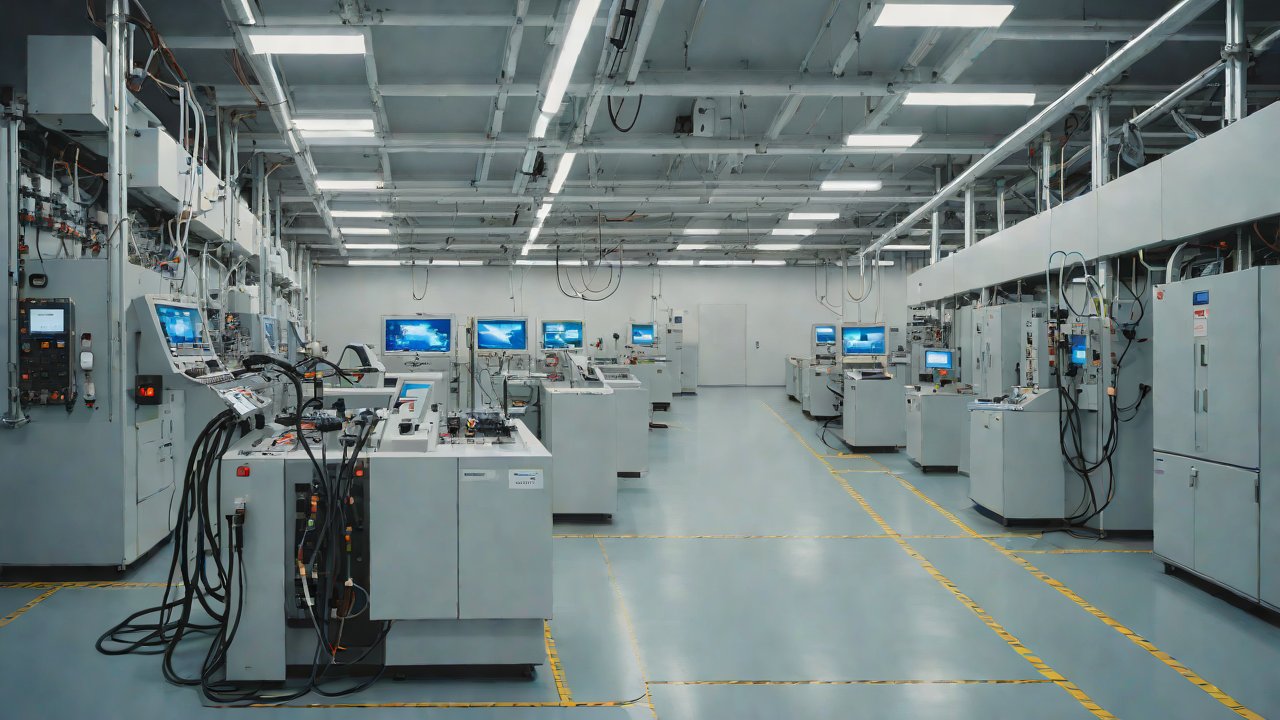
Industrial monitoring dashboards have become increasingly crucial in today’s fast-paced, technology-driven world. The ability to monitor and manage industrial processes in real-time has revolutionized the way industries operate, making them more efficient, productive, and sustainable. Among the various tools and technologies available for industrial monitoring, Node-RED stands out as a versatile and powerful solution.
Node-RED is an open-source, low-code programming tool that enables users to create custom workflows and integrations with minimal coding knowledge. Its graphical interface allows users to drag-and-drop nodes to create flows, making it accessible to non-technical users while still providing the flexibility for advanced customization. This unique combination of ease-of-use and flexibility makes Node-RED an attractive choice for industrial monitoring applications.
1. Overview of Industrial Monitoring Needs
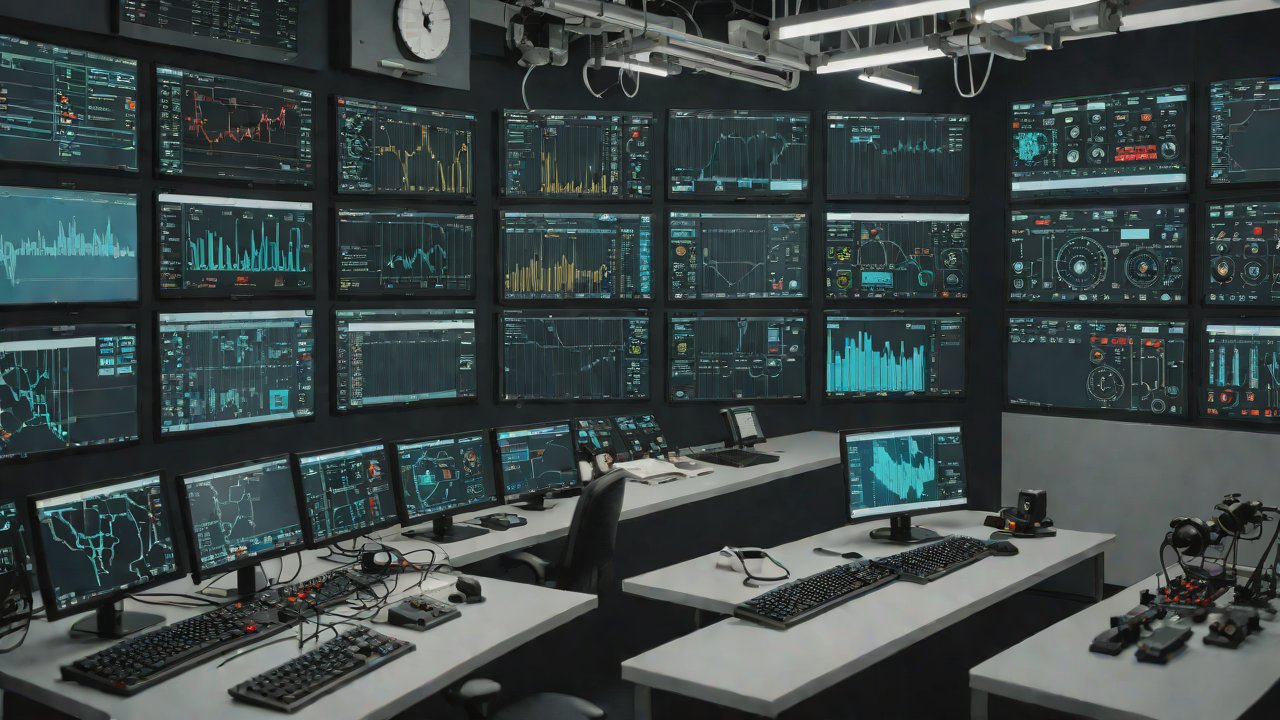
Industrial monitoring involves collecting data from various sources such as sensors, machines, and other devices, processing it in real-time, and presenting it in a meaningful way to stakeholders. The goals of industrial monitoring include:
- Predictive Maintenance: Identify potential equipment failures before they occur, reducing downtime and increasing overall efficiency.
- Energy Optimization: Monitor energy consumption and identify areas for reduction, leading to cost savings and reduced environmental impact.
- Quality Control: Ensure that products meet quality standards by monitoring production processes and detecting anomalies in real-time.
To achieve these goals, industrial monitoring systems must be able to collect data from multiple sources, process it quickly and accurately, and present the results in a clear and concise manner. Node-RED’s ability to integrate with various protocols and devices makes it an ideal choice for this task.
Table 1: Key Features of Industrial Monitoring Systems
| Feature | Description |
|---|---|
| Data Collection | Collecting data from sensors, machines, and other devices |
| Real-time Processing | Processing data in real-time to enable immediate action |
| Data Visualization | Presenting results in a clear and concise manner |
2. Node-RED’s Protocol Support
Node-RED’s strength lies in its ability to integrate with various protocols and devices. Some of the key protocols supported by Node-RED include:
- MQTT: A lightweight, publish-subscribe-based messaging protocol ideal for IoT applications.
- HTTP: For integrating with web servers and APIs.
- TCP/IP: For connecting to devices that use TCP/IP protocols.
Table 2: Protocols Supported by Node-RED
| Protocol | Description |
|---|---|
| MQTT | Lightweight, publish-subscribe-based messaging protocol |
| HTTP | Integrating with web servers and APIs |
| TCP/IP | Connecting to devices using TCP/IP protocols |
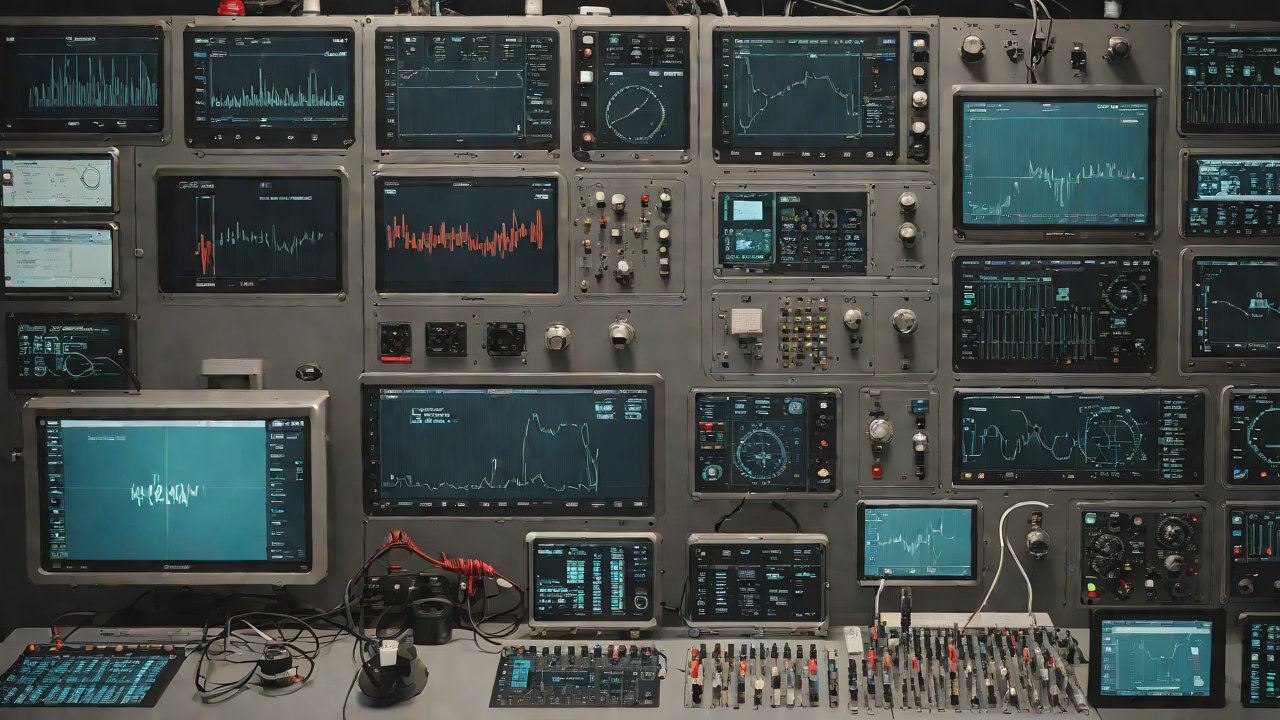
3. Industrial Monitoring Dashboard Architecture
A typical industrial monitoring dashboard built with Node-RED would consist of the following components:
- Data Collection: Collecting data from sensors, machines, and other devices using various protocols.
- Processing: Processing data in real-time to enable immediate action.
- Visualization: Presenting results in a clear and concise manner.
Table 3: Components of an Industrial Monitoring Dashboard
| Component | Description |
|---|---|
| Data Collection | Collecting data from sensors, machines, and other devices |
| Processing | Processing data in real-time to enable immediate action |
| Visualization | Presenting results in a clear and concise manner |
4. Benefits of Using Node-RED for Industrial Monitoring
Node-RED offers several benefits for industrial monitoring applications:
- Easy Integration: Integrating with various protocols and devices using a graphical interface.
- Real-time Processing: Processing data in real-time to enable immediate action.
- Customization: Customizing workflows and integrations to meet specific needs.
Table 4: Benefits of Using Node-RED for Industrial Monitoring
| Benefit | Description |
|---|---|
| Easy Integration | Integrating with various protocols and devices using a graphical interface |
| Real-time Processing | Processing data in real-time to enable immediate action |
| Customization | Customizing workflows and integrations to meet specific needs |
5. Case Studies and Market Trends
Several case studies demonstrate the effectiveness of Node-RED for industrial monitoring applications:
- Predictive Maintenance: A manufacturing company used Node-RED to collect data from sensors and predict equipment failures, reducing downtime by 30%.
- Energy Optimization: An energy company used Node-RED to monitor energy consumption and identify areas for reduction, leading to a 25% decrease in energy costs.
According to MarketsandMarkets, the industrial monitoring market is expected to grow from $4.6 billion in 2020 to $14.3 billion by 2025, at a CAGR of 21.1%.
Table 5: Industrial Monitoring Market Size and Growth Rate
| Year | Market Size (USD) |
|---|---|
| 2020 | 4.6B |
| 2025 | 14.3B |
6. Conclusion
Node-RED’s versatility, ease-of-use, and flexibility make it an ideal choice for industrial monitoring applications. Its ability to integrate with various protocols and devices, process data in real-time, and present results in a clear and concise manner makes it an attractive solution for industries looking to improve efficiency, productivity, and sustainability.
As the industrial monitoring market continues to grow, Node-RED’s position as a leading tool for this application is likely to be solidified. Its unique combination of ease-of-use and flexibility make it accessible to non-technical users while still providing the flexibility for advanced customization.
With its ability to predict equipment failures, optimize energy consumption, and ensure quality control, Node-RED is poised to play a significant role in shaping the future of industrial monitoring.
IOT Cloud Platform
IOT Cloud Platform is an IoT portal established by a Chinese IoT company, focusing on technical solutions in the fields of agricultural IoT, industrial IoT, medical IoT, security IoT, military IoT, meteorological IoT, consumer IoT, automotive IoT, commercial IoT, infrastructure IoT, smart warehousing and logistics, smart home, smart city, smart healthcare, smart lighting, etc.
The IoT Cloud Platform blog is a top IoT technology stack, providing technical knowledge on IoT, robotics, artificial intelligence (generative artificial intelligence AIGC), edge computing, AR/VR, cloud computing, quantum computing, blockchain, smart surveillance cameras, drones, RFID tags, gateways, GPS, 3D printing, 4D printing, autonomous driving, etc.
Note: This article was professionally generated with the assistance of AIGC and has been fact-checked and manually corrected by IoT expert editor IoTCloudPlatForm.