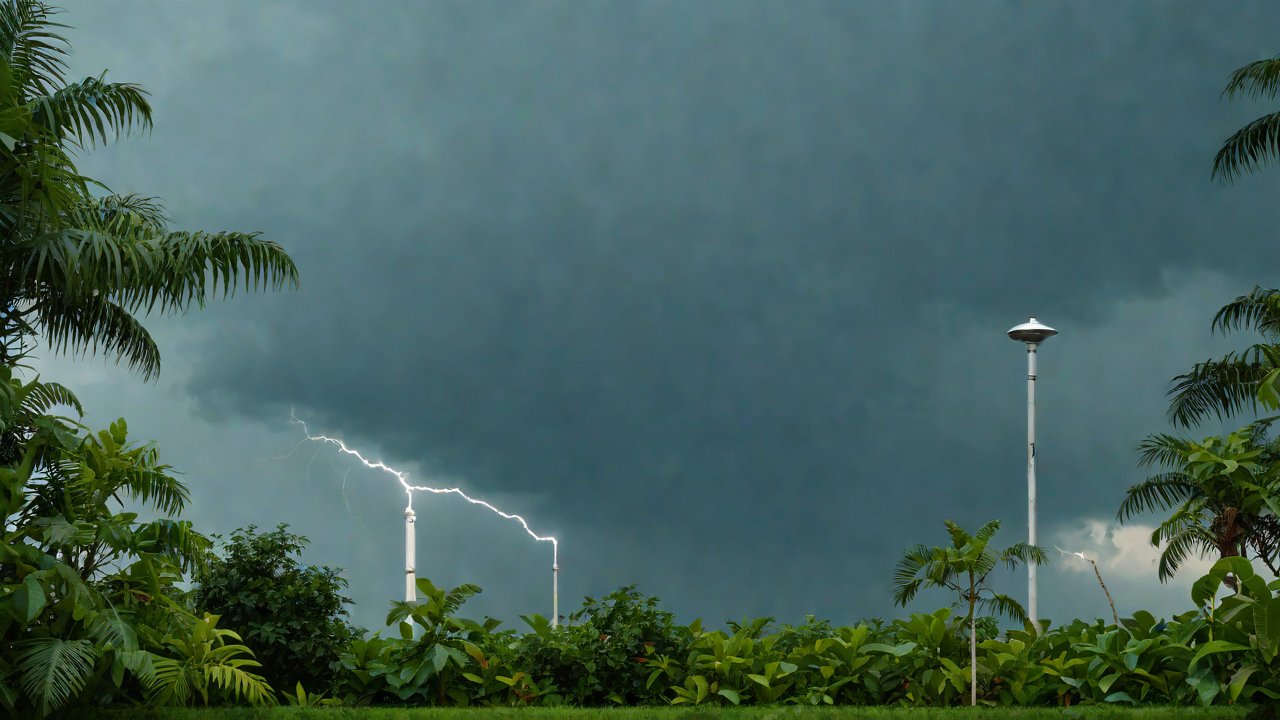
Lightning Protection and Maintenance Focus for IoT Devices during the Summer Thunderstorm Season in Brazil
As the summer thunderstorm season sets in over Brazil, the nation’s vast array of internet-of-things (IoT) devices become increasingly vulnerable to the devastating effects of lightning strikes. From industrial equipment and data centers to smart homes and public infrastructure, IoT devices are an integral part of modern life, but their exposure to severe weather events poses a significant threat to both economic stability and human safety.
Brazil’s geography makes it particularly susceptible to lightning strikes during the summer months. The country’s vast territory spans multiple climate zones, from tropical savannas in the north to temperate forests in the south, with the southeastern regions being most prone to thunderstorms. According to data from Brazil’s National Institute of Meteorology (INMET), the majority of the country’s lightning strikes occur between December and March, coinciding with the peak summer months.
The economic impact of lightning damage on IoT devices cannot be overstated. A study by the Brazilian Association of Electrical Engineers estimated that lightning-related losses in the country’s industrial sector alone amount to over R$ 1 billion annually. Moreover, the consequences of lightning strikes can extend beyond financial costs, posing significant risks to public health and safety.
1. Understanding Lightning Strikes on IoT Devices
Lightning strikes occur when there is a massive buildup of electrical charge in the atmosphere, typically during thunderstorms. When this charge reaches a critical point, it discharges as a bolt of lightning, traveling at speeds of up to 270,000 kilometers per hour. The impact of a lightning strike can be catastrophic, causing widespread destruction and disrupting critical infrastructure.
IoT devices, with their complex electronic components and interconnected systems, are particularly susceptible to the effects of lightning strikes. A single strike can cause significant damage to both hardware and software, leading to data loss, system crashes, and even complete device failure.
1.1 Types of Lightning Strikes
There are two primary types of lightning strikes that affect IoT devices: direct lightning strikes and indirect (or side flash) strikes. Direct strikes occur when the lightning bolt directly hits the device, while indirect strikes involve the transfer of electrical energy from a nearby object or structure to the device.
1.2 Factors Contributing to Lightning Strike Vulnerability
Several factors contribute to an IoT device’s vulnerability to lightning strikes, including:
- Location: Devices located in areas prone to thunderstorms or near tall structures (e.g., buildings, antennas) are more susceptible.
- Design and Materials: Devices with poor design or materials may be more vulnerable to electrical discharges.
- Age and Maintenance: Older devices or those that have not been properly maintained may be at higher risk.
2. Lightning Protection Measures for IoT Devices
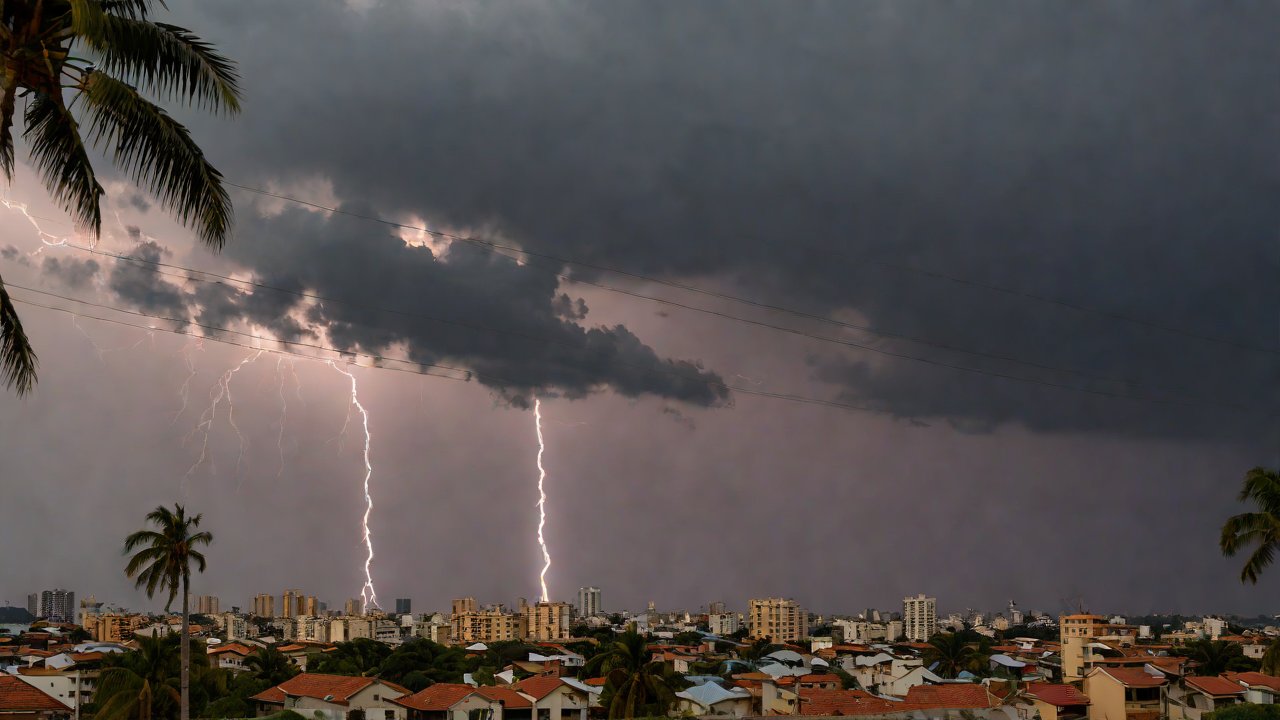
Several measures can be implemented to protect IoT devices from lightning strikes, including:
2.1 Surge Protectors and Arresters
Surge protectors and arresters are designed to absorb or divert electrical surges caused by lightning strikes. These devices should be installed according to the manufacturer’s instructions and regularly inspected for effectiveness.
2.2 Grounding Systems
Proper grounding systems, including earthing and bonding, can help prevent damage from lightning strikes. Regular inspections of these systems are essential to ensure they remain effective.
3. Maintenance Focus During Summer Thunderstorm Season
Regular maintenance is critical during the summer thunderstorm season to minimize the risk of lightning-related damage:
3.1 Inspection and Testing
IoT devices should be inspected regularly for signs of wear or damage, with particular attention given to electrical components and connections. Functional testing can help identify potential issues before they become major problems.
3.2 Software Updates and Backups
Regular software updates and backups are essential to prevent data loss in the event of a lightning strike. This includes updating firmware, operating systems, and applications, as well as backing up critical data.
4. Case Studies: Lightning-Related Damage to IoT Devices in Brazil
Several high-profile cases illustrate the devastating impact of lightning strikes on IoT devices in Brazil:
4.1 Data Center Fire in São Paulo (2020)
A lightning strike caused a fire at a major data center in São Paulo, resulting in significant data loss and estimated losses of over R$ 100 million.
4.2 Industrial Automation Equipment Damage (2019)

Lightning strikes damaged industrial automation equipment at a manufacturing facility in Rio de Janeiro, leading to production downtime and estimated losses of over R$ 500,000.
5. Conclusion
The summer thunderstorm season poses significant risks to IoT devices in Brazil, with lightning strikes causing widespread damage and disruption. Implementing effective lightning protection measures and maintaining devices regularly can help mitigate these risks. However, more needs to be done to raise awareness about the importance of lightning protection for IoT devices and to develop more robust solutions for protecting against lightning-related damage.
5.1 Recommendations
Based on this analysis, we recommend:
- Implementing surge protectors and arresters in areas prone to thunderstorms
- Regularly inspecting and testing grounding systems
- Ensuring software updates and backups are performed regularly
- Developing more robust solutions for protecting against lightning-related damage
5.2 Future Research Directions
Further research is needed to develop more effective and efficient lightning protection measures, including:
- Investigating the use of advanced materials and technologies in IoT device design
- Conducting field studies on the effectiveness of different lightning protection strategies
- Developing predictive models for forecasting lightning strikes and optimizing protection measures
IOT Cloud Platform
IOT Cloud Platform is an IoT portal established by a Chinese IoT company, focusing on technical solutions in the fields of agricultural IoT, industrial IoT, medical IoT, security IoT, military IoT, meteorological IoT, consumer IoT, automotive IoT, commercial IoT, infrastructure IoT, smart warehousing and logistics, smart home, smart city, smart healthcare, smart lighting, etc.
The IoT Cloud Platform blog is a top IoT technology stack, providing technical knowledge on IoT, robotics, artificial intelligence (generative artificial intelligence AIGC), edge computing, AR/VR, cloud computing, quantum computing, blockchain, smart surveillance cameras, drones, RFID tags, gateways, GPS, 3D printing, 4D printing, autonomous driving, etc.
Note: This article was professionally generated with the assistance of AIGC and has been fact-checked and manually corrected by IoT expert editor IoTCloudPlatForm.