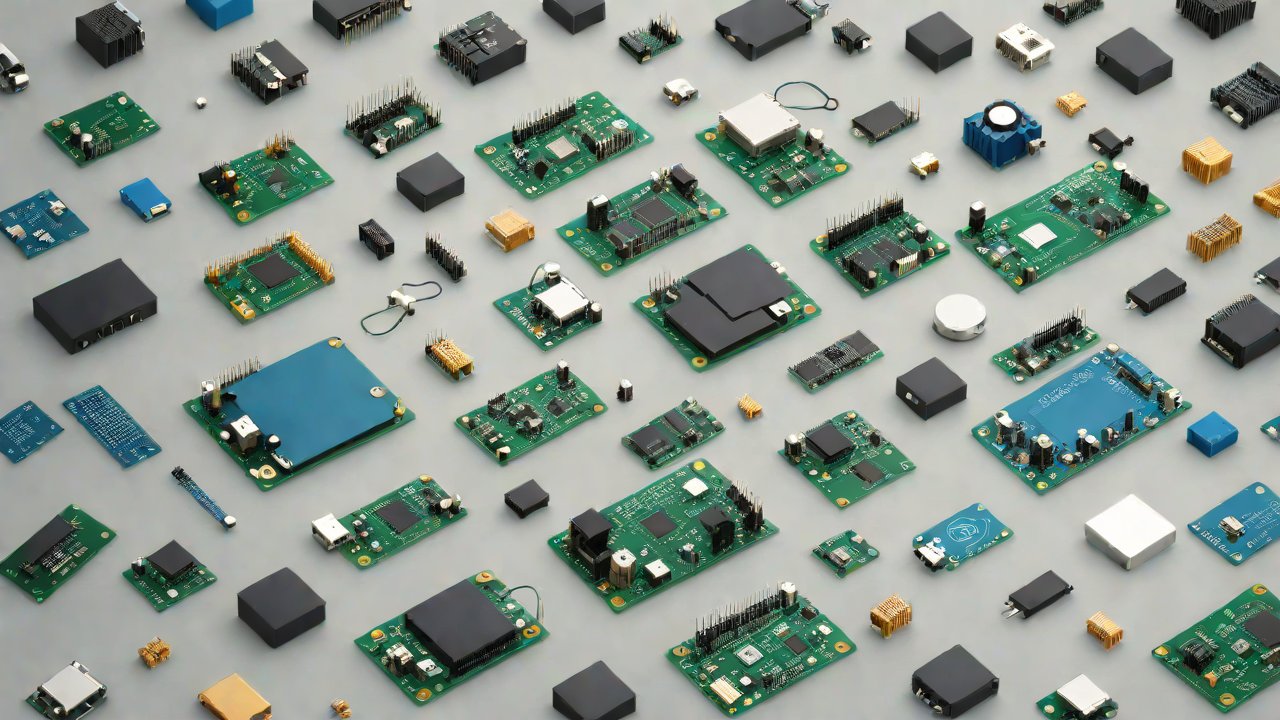
How to Establish a Full Lifecycle Management Process for IoT Devices in Brazil
Brazil’s burgeoning Internet of Things (IoT) market presents both opportunities and challenges for businesses seeking to establish themselves as leaders in the industry. As the demand for connected devices continues to grow, companies must develop a comprehensive lifecycle management process to ensure the efficient deployment, operation, and maintenance of IoT devices across various sectors.
The Brazilian government has implemented initiatives aimed at promoting the development and adoption of IoT technologies. For instance, the National Telecommunications Agency (ANATEL) has established guidelines for the certification of IoT devices in Brazil. Similarly, the Ministry of Science, Technology, Innovation, and Communications (MCTIC) has launched programs to support research and innovation in IoT.
However, despite these efforts, many organizations still struggle to establish a robust lifecycle management process for their IoT devices. This report aims to provide insights and recommendations on how businesses can develop an effective full-lifecycle management process for IoT devices in Brazil.
1. Understanding the Challenges of IoT Lifecycle Management
Managing IoT devices throughout their entire lifecycle presents several challenges, including:
- Ensuring seamless integration with existing infrastructure and systems
- Providing real-time monitoring and analytics capabilities to optimize device performance
- Implementing robust security measures to prevent data breaches and cyber threats
- Developing strategies for efficient energy consumption and minimizing environmental impact
- Managing complex supply chains and logistics operations
According to a report by ResearchAndMarkets.com, the Brazilian IoT market is expected to grow at a CAGR of 23.3% from 2020 to 2027. This rapid growth underscores the need for businesses to develop effective lifecycle management processes to support their IoT initiatives.
2. Defining the Scope of Lifecycle Management
A comprehensive lifecycle management process should encompass the following stages:
- Design and Development: Collaborating with stakeholders, designers, and developers to ensure that devices meet performance, security, and sustainability requirements.
- Deployment and Installation: Implementing efficient deployment strategies to minimize downtime and optimize device performance.
- Monitoring and Maintenance: Providing real-time monitoring capabilities and developing proactive maintenance strategies to prevent equipment failure.
- Data Analytics and Insights: Leveraging IoT data to inform business decisions, improve operations, and enhance customer experiences.
- Disposal and Recycling: Developing environmentally responsible practices for disposing of end-of-life devices.
By adopting this holistic approach, businesses can ensure that their IoT devices operate efficiently throughout their entire lifecycle.
3. Key Components of a Full Lifecycle Management Process
A successful full-lifecycle management process should include the following key components:
3.1 Device Design and Development
- Collaborate with stakeholders to define device requirements
- Develop performance, security, and sustainability standards
- Implement design for manufacturability (DFM) and assembly (DFA) principles
- Conduct thorough testing and validation procedures
| Component | Description |
|---|---|
| Device Requirements | Define functional and non-functional requirements |
| Performance Standards | Establish metrics for device performance |
| Security Standards | Develop guidelines for secure data transmission and storage |
| Sustainability Standards | Implement eco-friendly design principles |
3.2 Deployment and Installation
- Develop efficient deployment strategies
- Implement remote monitoring and management capabilities
- Provide comprehensive training for end-users
- Establish incident response procedures
| Component | Description |
|---|---|
| Deployment Strategy | Plan for efficient device placement and configuration |
| Remote Monitoring | Implement real-time monitoring and analytics capabilities |
| Training Program | Develop user manuals, tutorials, and online support resources |
| Incident Response Plan | Establish procedures for addressing technical issues |

3.3 Monitoring and Maintenance
- Develop proactive maintenance strategies
- Implement predictive analytics and AI-powered monitoring tools
- Provide regular software updates and patches
- Offer on-site and remote technical support services
| Component | Description |
|---|---|
| Proactive Maintenance | Schedule regular device checks and maintenance |
| Predictive Analytics | Leverage machine learning algorithms for real-time insights |
| Software Updates | Regularly update devices with latest security patches and features |
| Technical Support | Provide on-site and remote assistance for technical issues |
3.4 Data Analytics and Insights
- Develop data analytics capabilities to inform business decisions
- Implement IoT data platforms for real-time insights
- Provide actionable recommendations for device optimization
- Establish data governance policies and procedures
| Component | Description |
|---|---|
| Data Analytics Platform | Leverage IoT data to drive business decisions |
| Real-Time Insights | Provide immediate feedback on device performance |
| Actionable Recommendations | Develop strategies for optimizing device performance |
| Data Governance Policy | Establish guidelines for data collection, storage, and usage |
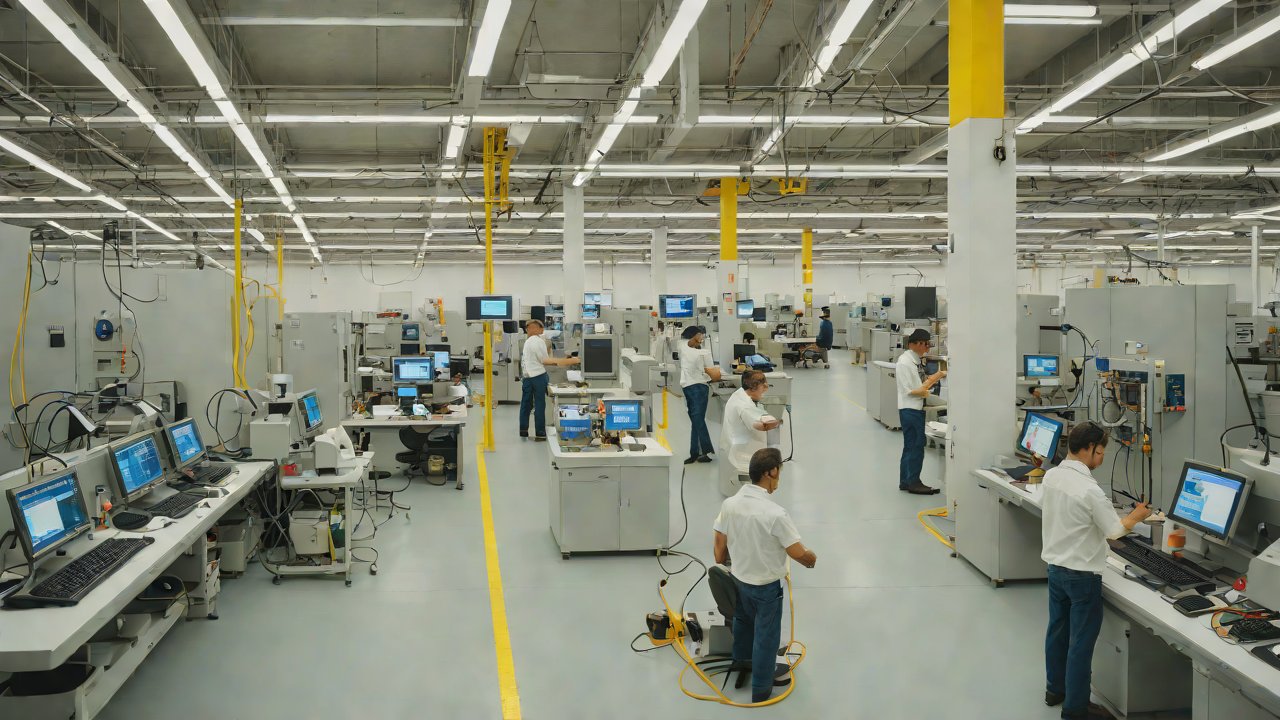
3.5 Disposal and Recycling
- Develop environmentally responsible practices for disposing of end-of-life devices
- Implement recycling programs for electronic waste (e-waste)
- Collaborate with suppliers to ensure sustainable supply chain practices
- Conduct regular audits and assessments to ensure compliance with regulations
| Component | Description |
|---|---|
| E-Waste Recycling Program | Develop strategies for responsible e-waste disposal |
| Sustainable Supply Chain Practices | Collaborate with suppliers to promote eco-friendly practices |
| Compliance Audits | Regularly assess and report on regulatory compliance |
By incorporating these key components, businesses can develop a comprehensive lifecycle management process that ensures the efficient deployment, operation, and maintenance of IoT devices throughout their entire lifecycle.
4. Implementation Roadmap
Developing a full-lifecycle management process requires a strategic implementation roadmap. The following steps outline a possible approach:
- Conduct a thorough needs assessment to identify business requirements
- Develop a comprehensive project plan, including timelines and milestones
- Establish a cross-functional team to oversee the implementation process
- Conduct training and awareness programs for employees and stakeholders
- Monitor and evaluate progress, making adjustments as necessary
By following this roadmap, businesses can ensure a smooth transition to a full-lifecycle management process that supports their IoT initiatives.
5. Conclusion
Establishing a full-lifecycle management process is essential for businesses seeking to maximize the benefits of IoT technologies in Brazil. By understanding the challenges and defining the scope of lifecycle management, organizations can develop effective strategies for device design, deployment, monitoring, maintenance, data analytics, and disposal.
By incorporating key components such as device design and development, deployment and installation, monitoring and maintenance, data analytics and insights, and disposal and recycling into their lifecycle management process, businesses can ensure that their IoT devices operate efficiently throughout their entire lifecycle. A thorough implementation roadmap is also necessary to guide the transition to a comprehensive lifecycle management process.
Ultimately, by adopting this holistic approach, businesses can unlock the full potential of IoT technologies in Brazil, driving innovation, growth, and sustainability across various sectors.
IOT Cloud Platform
IOT Cloud Platform is an IoT portal established by a Chinese IoT company, focusing on technical solutions in the fields of agricultural IoT, industrial IoT, medical IoT, security IoT, military IoT, meteorological IoT, consumer IoT, automotive IoT, commercial IoT, infrastructure IoT, smart warehousing and logistics, smart home, smart city, smart healthcare, smart lighting, etc.
The IoT Cloud Platform blog is a top IoT technology stack, providing technical knowledge on IoT, robotics, artificial intelligence (generative artificial intelligence AIGC), edge computing, AR/VR, cloud computing, quantum computing, blockchain, smart surveillance cameras, drones, RFID tags, gateways, GPS, 3D printing, 4D printing, autonomous driving, etc.
Note: This article was professionally generated with the assistance of AIGC and has been fact-checked and manually corrected by IoT expert editor IoTCloudPlatForm.