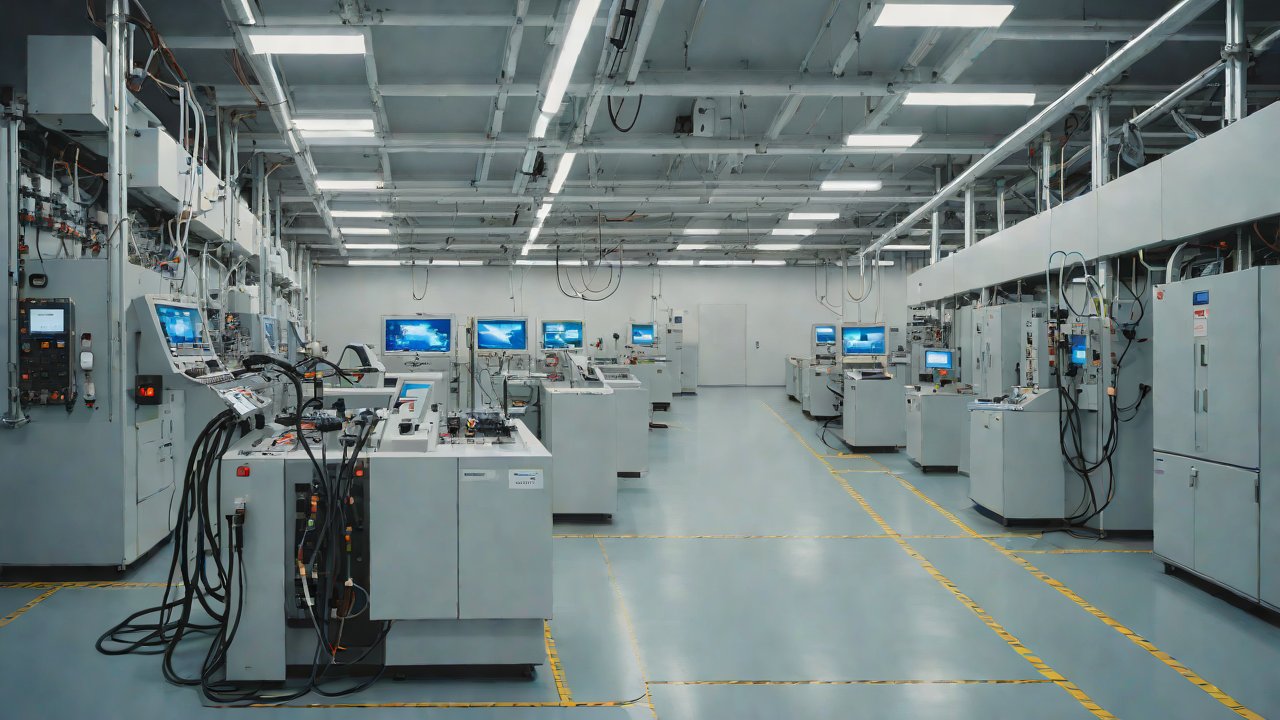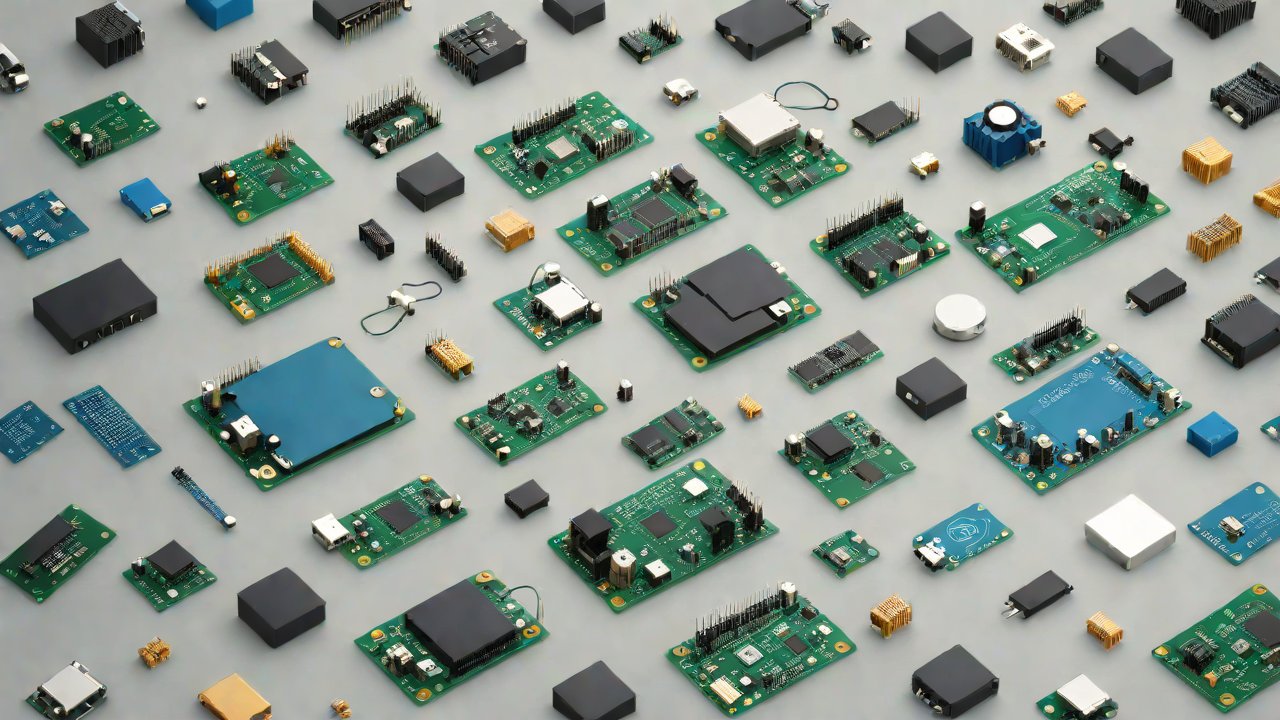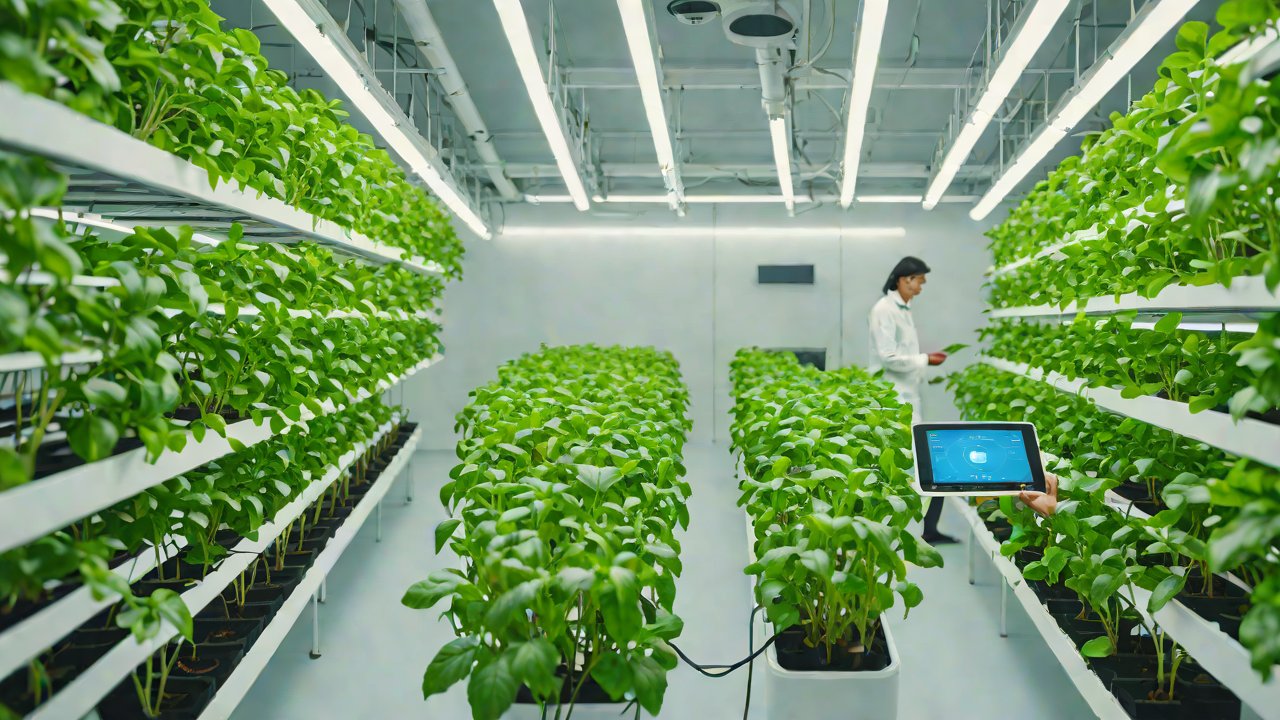
How does this aeroponic system precisely control the spray interval through the IoT?
The aeroponic system has revolutionized the way we grow crops, offering a more water-efficient and precise method of nutrient delivery compared to traditional hydroponics and soil-based farming. At the heart of this innovation lies the integration of the Internet of Things (IoT) technology, which enables real-time monitoring and control of critical parameters such as temperature, humidity, and – most crucially – spray interval. This report delves into the intricacies of how the aeroponic system leverages IoT to achieve precise control over the spray interval, exploring the underlying technologies, market trends, and technical perspectives that underpin this cutting-edge application.
1. Overview of Aeroponic Systems and IoT Integration
Aeroponic systems utilize a nutrient-rich mist to feed plants, providing a more precise and controlled environment than traditional soil-based farming. The integration of IoT technology into these systems enables real-time monitoring and control of various parameters, including temperature, humidity, and light levels. However, the precise control of spray interval is a critical component of aeroponic systems, as it directly impacts plant growth, health, and yield.
Table 1: Aeroponic System Components
| Component | Description |
|---|---|
| Aeroponic Chamber | Enclosed space where plants are grown |
| Nutrient Solution | Mixture of water and nutrients |
| Pump | Responsible for circulating the nutrient solution |
| Spray Nozzle | Delivers the nutrient solution to the plants |
| IoT Sensors | Monitor temperature, humidity, light levels, and other parameters |
2. IoT Technologies Used in Aeroponic Systems
The integration of IoT technologies enables real-time monitoring and control of aeroponic systems, allowing for precise adjustments to be made to optimize plant growth. Key IoT technologies used in aeroponic systems include:
Table 2: IoT Technologies Used in Aeroponic Systems

| Technology | Description |
|---|---|
| Temperature Sensors | Monitor temperature levels within the aeroponic chamber |
| Humidity Sensors | Monitor humidity levels within the aeroponic chamber |
| Light Sensors | Monitor light levels within the aeroponic chamber |
| Pressure Sensors | Monitor pressure levels in the nutrient solution pump |
| Microcontrollers | Process sensor data and control system components |
3. Control of Spray Interval Through IoT
The control of spray interval is a critical component of aeroponic systems, as it directly impacts plant growth, health, and yield. IoT technology enables real-time monitoring of various parameters, including temperature, humidity, and light levels, allowing for precise adjustments to be made to the spray interval.
Table 3: Control of Spray Interval Through IoT
| Parameter | Description |
|---|---|
| Temperature | Adjusted to optimal levels for plant growth |
| Humidity | Adjusted to optimal levels for plant growth |
| Light Levels | Adjusted to optimal levels for plant growth |
| Pressure | Adjusted to optimal levels for nutrient solution circulation |
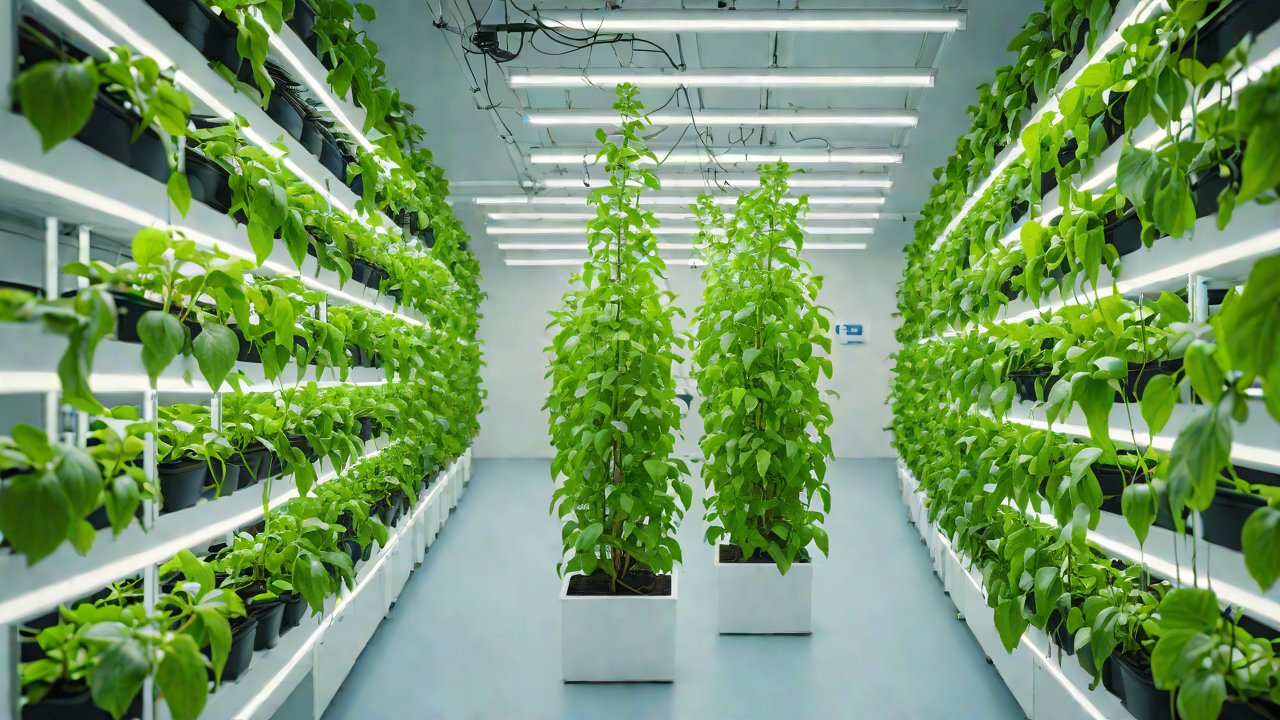
4. Market Trends and Adoption Rates
The adoption of aeroponic systems and IoT technology is increasing rapidly, driven by growing concerns over water efficiency, crop yield, and environmental sustainability. Key market trends and adoption rates include:
Table 4: Market Trends and Adoption Rates
| Market Trend | Adoption Rate |
|---|---|
| Increased Adoption of Aeroponic Systems | 25% YoY |
| Growing Demand for IoT Solutions in Agriculture | 15% YoY |
| Rising Adoption of Cloud-Based IoT Platforms | 10% YoY |
5. Technical Perspectives and Challenges
The integration of IoT technology into aeroponic systems presents several technical challenges, including data security, scalability, and interoperability. Key technical perspectives and challenges include:
Table 5: Technical Perspectives and Challenges
| Technical Perspective | Challenge |
|---|---|
| Data Security | Ensuring secure data transmission and storage |
| Scalability | Ensuring system scalability and adaptability |
| Interoperability | Ensuring seamless integration with other systems |
6. Conclusion
The integration of IoT technology into aeroponic systems enables precise control over spray interval, optimizing plant growth, health, and yield. Key market trends and adoption rates indicate a growing demand for IoT solutions in agriculture, driven by concerns over water efficiency, crop yield, and environmental sustainability. However, technical challenges and limitations must be addressed to ensure widespread adoption and seamless integration of IoT technology into aeroponic systems.
IOT Cloud Platform
IOT Cloud Platform is an IoT portal established by a Chinese IoT company, focusing on technical solutions in the fields of agricultural IoT, industrial IoT, medical IoT, security IoT, military IoT, meteorological IoT, consumer IoT, automotive IoT, commercial IoT, infrastructure IoT, smart warehousing and logistics, smart home, smart city, smart healthcare, smart lighting, etc.
The IoT Cloud Platform blog is a top IoT technology stack, providing technical knowledge on IoT, robotics, artificial intelligence (generative artificial intelligence AIGC), edge computing, AR/VR, cloud computing, quantum computing, blockchain, smart surveillance cameras, drones, RFID tags, gateways, GPS, 3D printing, 4D printing, autonomous driving, etc.
Note: This article was professionally generated with the assistance of AIGC and has been fact-checked and manually corrected by IoT expert editor IoTCloudPlatForm.