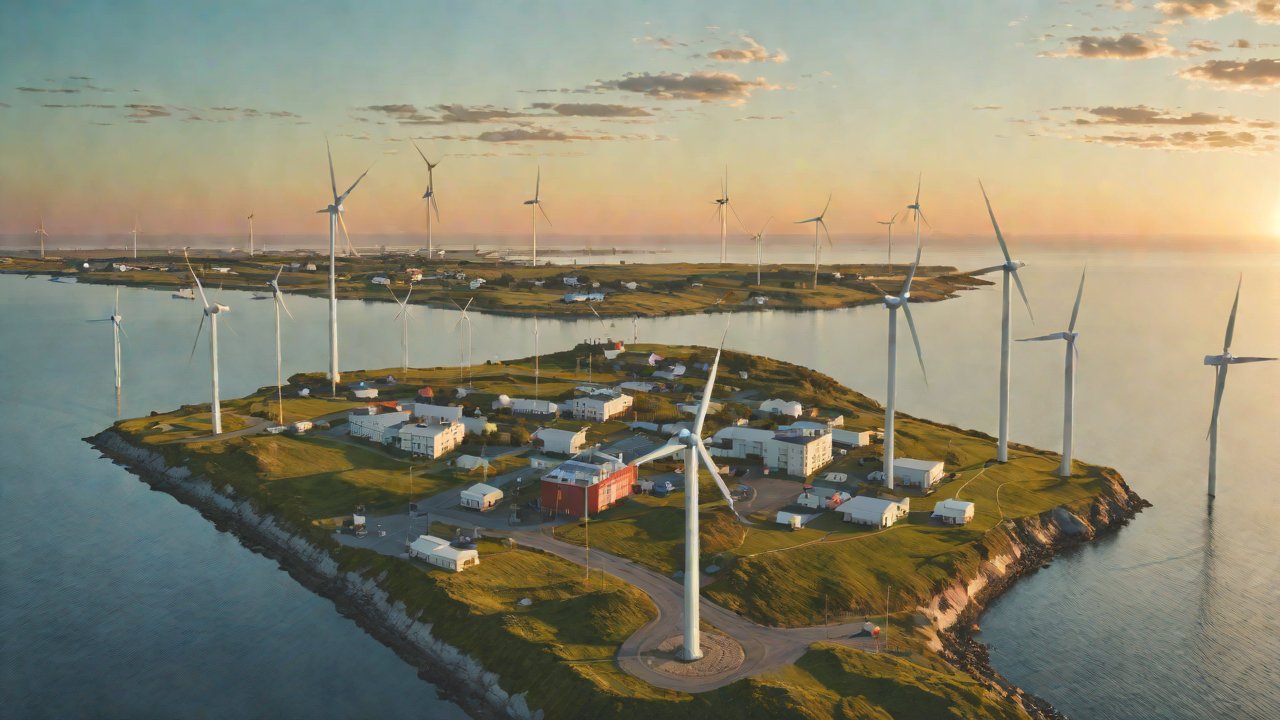
How can policy dividends for the low-altitude economy be translated into actual benefits for farmers?
The low-altitude economy, comprising regions below 1,000 meters above sea level, is home to over 20% of the world’s population and generates a significant portion of global agricultural output. However, its economic potential is often hindered by geographical constraints, limited infrastructure, and inadequate policy support. To unlock the true potential of this economy, policy dividends must be translated into tangible benefits for farmers, who are the backbone of the agricultural sector. This report delves into the complexities of implementing policy dividends for the low-altitude economy, with a focus on the needs and challenges of farmers in these regions.
1. Understanding the Low-Altitude Economy
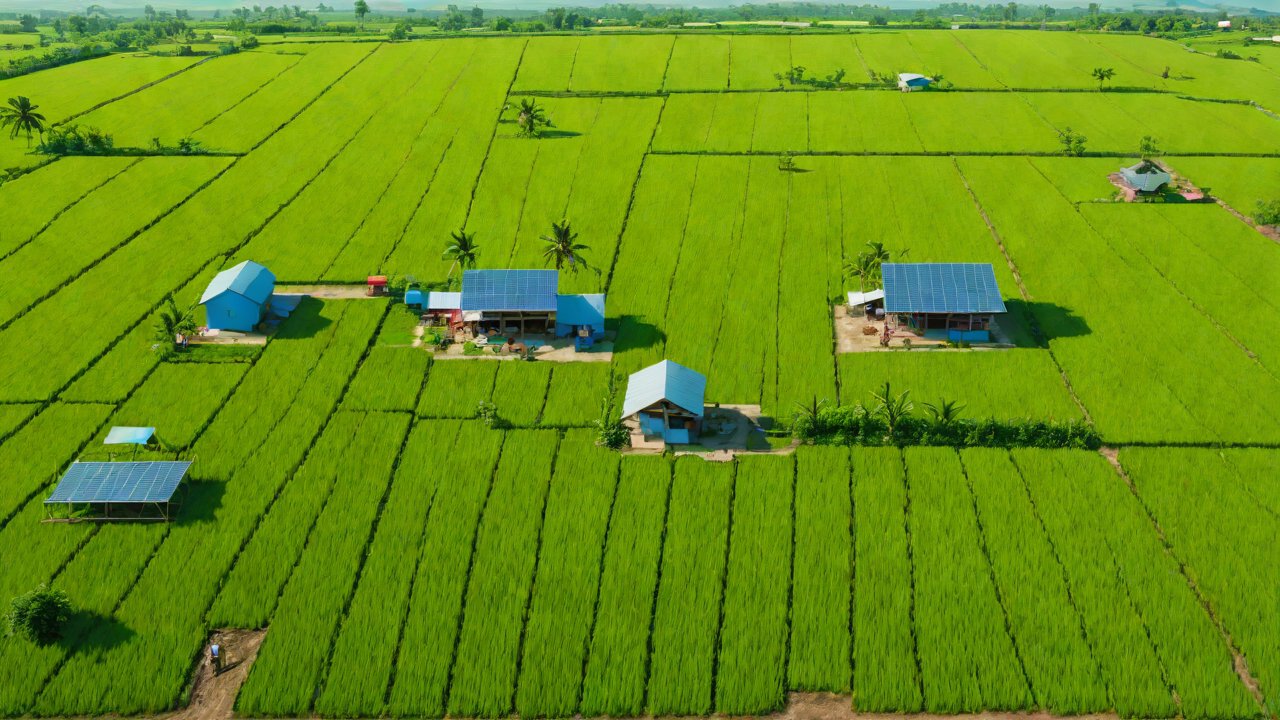
The low-altitude economy is characterized by its diverse geography, climate, and demographics. From the arid deserts of North Africa to the lush rice paddies of Southeast Asia, this economy encompasses a wide range of agricultural products, from staple crops like maize and wheat to high-value commodities like coffee and tea. However, the challenges faced by farmers in these regions are often more pressing than in other areas.
Key Statistics:
| Region | Population (in millions) | Agricultural Output (in billions USD) |
|---|---|---|
| Sub-Saharan Africa | 1,100 | 70 |
| South Asia | 1,800 | 150 |
| Southeast Asia | 600 | 100 |
| Latin America | 400 | 50 |
2. Policy Dividends for the Low-Altitude Economy
Policy dividends refer to the economic benefits that accrue to farmers and rural communities as a result of government policies and investments. These benefits can take many forms, including subsidies, credit facilities, infrastructure development, and research and development initiatives. However, the effectiveness of policy dividends in translating into actual benefits for farmers is often hindered by poor implementation, limited reach, and inadequate targeting.
Examples of Policy Dividends:
| Policy | Description | Benefits |
|---|---|---|
| Subsidies | Direct financial support to farmers for inputs like fertilizers and seeds | Reduced production costs, increased yields |
| Credit Facilities | Loans and other financial instruments to support farmers’ investments | Improved access to credit, increased productivity |
| Infrastructure Development | Investments in irrigation systems, roads, and storage facilities | Reduced transportation costs, increased market access |
| Research and Development | Initiatives to improve crop yields, disease resistance, and climate resilience | Increased productivity, improved livelihoods |

3. Challenges in Implementing Policy Dividends
Despite the potential benefits of policy dividends, several challenges hinder their effective implementation in the low-altitude economy. These include:
Barriers to Implementation:
| Challenge | Description | Impact |
|---|---|---|
| Limited Capacity | Insufficient institutional capacity to design, implement, and monitor policies | Inefficient use of resources, reduced effectiveness |
| Corruption | Widespread corruption and rent-seeking behavior among policymakers and implementers | Reduced transparency, increased costs, and decreased benefits |
| Limited Reach | Inadequate targeting and outreach to farmers, resulting in limited access to benefits | Reduced coverage, increased inequality |
| Inadequate Funding | Insufficient budgetary allocation to support policy initiatives | Reduced impact, decreased effectiveness |
4. Strategies for Effective Implementation
To overcome the challenges in implementing policy dividends, several strategies can be employed:
Strategies for Effective Implementation:
| Strategy | Description | Benefits |
|---|---|---|
| Strengthening Institutional Capacity | Investing in capacity-building programs for policymakers and implementers | Improved design, implementation, and monitoring of policies |
| Increasing Transparency and Accountability | Implementing anti-corruption measures and promoting transparency in policy implementation | Reduced corruption, increased trust, and improved effectiveness |
| Improving Targeting and Outreach | Enhancing data collection and analysis to better target benefits to farmers | Increased coverage, reduced inequality, and improved impact |
| Increasing Funding | Allocating sufficient budgetary resources to support policy initiatives | Improved effectiveness, increased impact, and reduced costs |
5. Conclusion
The low-altitude economy has significant potential for growth and development, but its economic potential is often hindered by geographical constraints, limited infrastructure, and inadequate policy support. To unlock this potential, policy dividends must be translated into tangible benefits for farmers. However, several challenges hinder the effective implementation of policy dividends, including limited capacity, corruption, limited reach, and inadequate funding. To overcome these challenges, several strategies can be employed, including strengthening institutional capacity, increasing transparency and accountability, improving targeting and outreach, and increasing funding. By implementing these strategies, policymakers and implementers can ensure that policy dividends are translated into actual benefits for farmers, unlocking the true potential of the low-altitude economy.
6. Recommendations
Based on the analysis and recommendations presented in this report, the following policy and programmatic interventions are recommended:
Policy and Programmatic Interventions:
| Intervention | Description | Benefits |
|---|---|---|
| Strengthening Institutional Capacity | Investing in capacity-building programs for policymakers and implementers | Improved design, implementation, and monitoring of policies |
| Increasing Transparency and Accountability | Implementing anti-corruption measures and promoting transparency in policy implementation | Reduced corruption, increased trust, and improved effectiveness |
| Improving Targeting and Outreach | Enhancing data collection and analysis to better target benefits to farmers | Increased coverage, reduced inequality, and improved impact |
| Increasing Funding | Allocating sufficient budgetary resources to support policy initiatives | Improved effectiveness, increased impact, and reduced costs |
These interventions are critical to unlocking the potential of the low-altitude economy and translating policy dividends into actual benefits for farmers.
IOT Cloud Platform
IOT Cloud Platform is an IoT portal established by a Chinese IoT company, focusing on technical solutions in the fields of agricultural IoT, industrial IoT, medical IoT, security IoT, military IoT, meteorological IoT, consumer IoT, automotive IoT, commercial IoT, infrastructure IoT, smart warehousing and logistics, smart home, smart city, smart healthcare, smart lighting, etc.
The IoT Cloud Platform blog is a top IoT technology stack, providing technical knowledge on IoT, robotics, artificial intelligence (generative artificial intelligence AIGC), edge computing, AR/VR, cloud computing, quantum computing, blockchain, smart surveillance cameras, drones, RFID tags, gateways, GPS, 3D printing, 4D printing, autonomous driving, etc.
Note: This article was professionally generated with the assistance of AIGC and has been fact-checked and manually corrected by IoT expert editor IoTCloudPlatForm.