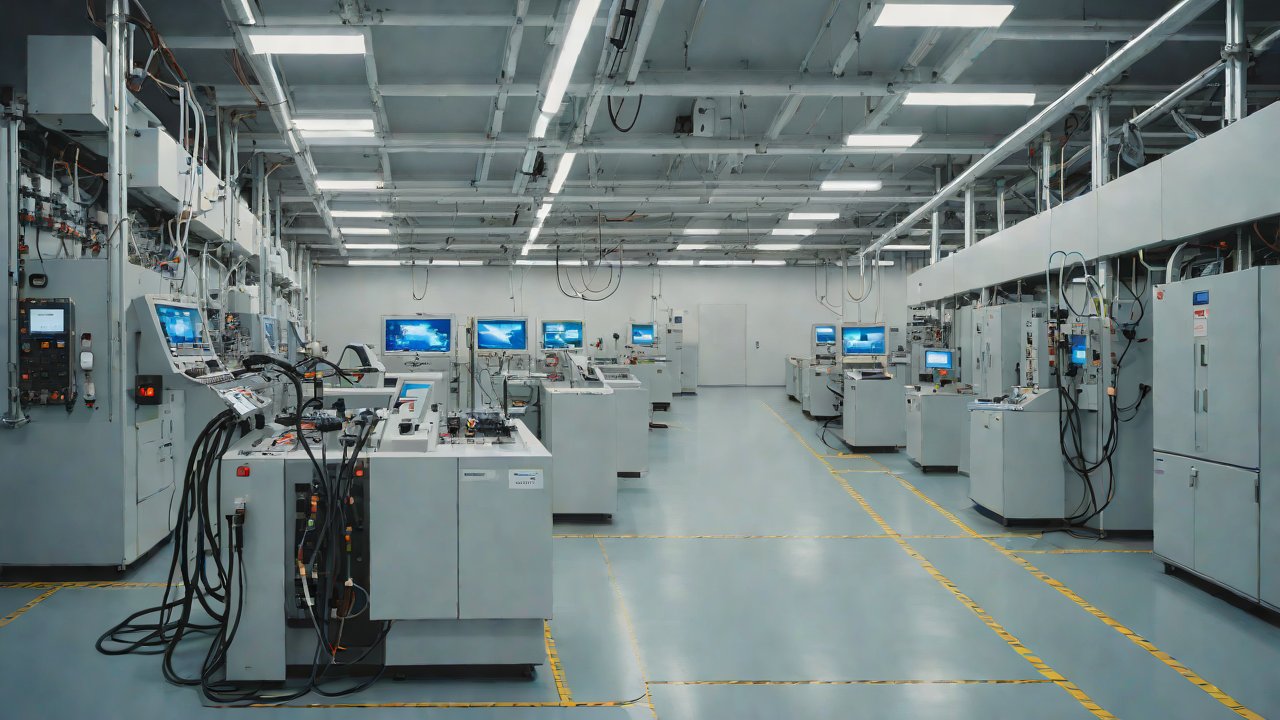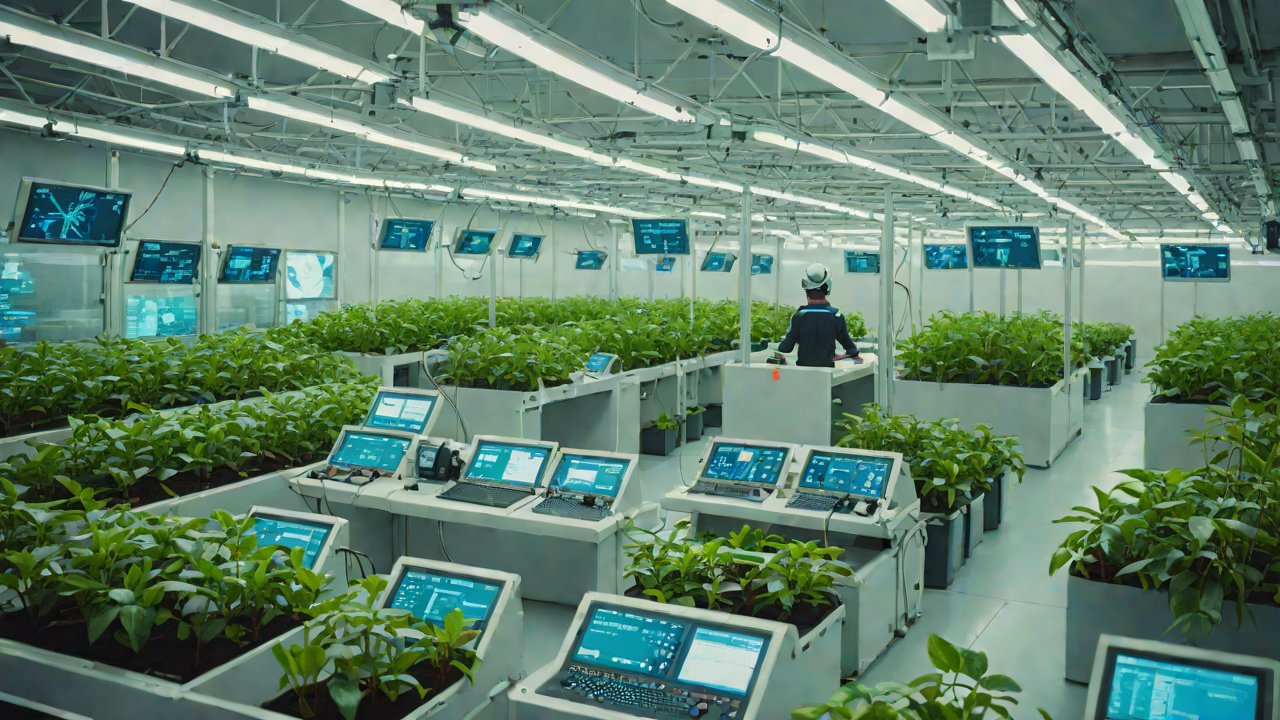
How are these intelligent harvesting robots synchronized and scheduled with the environmental control system?
The integration of intelligent harvesting robots with environmental control systems has revolutionized the way crops are cultivated and harvested. These robots, equipped with advanced sensors and artificial intelligence (AI), can optimize crop yields while minimizing waste and environmental impact. However, for these robots to operate efficiently, they must be synchronized and scheduled with the environmental control system. This synchronization is crucial to ensure that the robots are deployed in optimal conditions, minimizing downtime and maximizing crop quality.
1. System Architecture
The integration of intelligent harvesting robots with environmental control systems is a complex task that requires a deep understanding of both robotics and environmental control systems. The system architecture is typically composed of several key components:
| Component | Description |
|---|---|
| Environmental Control System (ECS) | Responsible for controlling temperature, humidity, and other environmental factors |
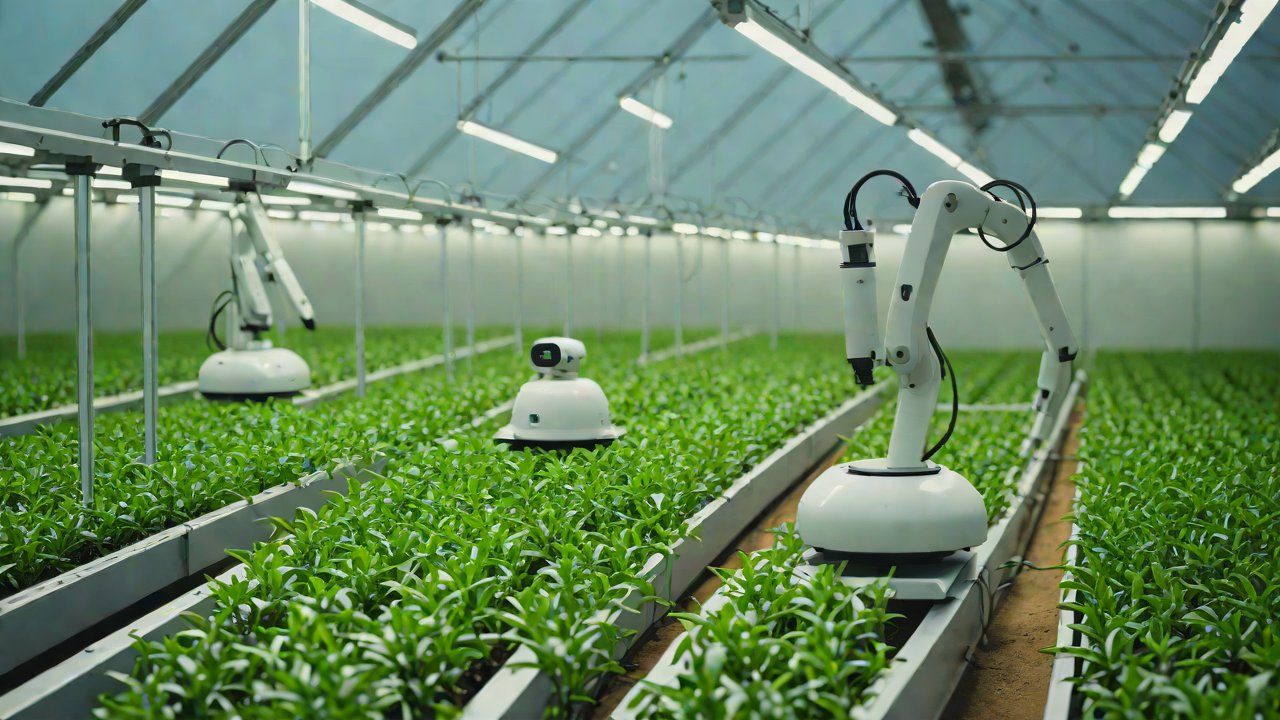
| Intelligent Harvesting Robot (IHR) | Equipped with advanced sensors and AI, responsible for harvesting crops |
| Communication Network | Facilitates communication between ECS and IHR |
| Data Analytics Platform | Analyzes data from ECS and IHR to optimize system performance |
2. Synchronization Mechanisms
Synchronization between the ECS and IHR is achieved through a combination of hardware and software mechanisms. These mechanisms include:
| Mechanism | Description |
|---|---|
| Time-Synchronization Protocols | Ensure that both ECS and IHR have the same clock time |
| Data-Synchronization Protocols | Ensure that data is exchanged between ECS and IHR in real-time |
| Feedback Loops | Allow ECS to adjust environmental conditions based on IHR’s real-time feedback |
3. Scheduling Algorithms
Scheduling algorithms play a crucial role in optimizing the deployment of IHRs. These algorithms take into account various factors such as:
| Factor | Description |
|---|---|
| Crop Type | Different crops have different requirements for temperature, humidity, and light |
| Weather Conditions | Weather conditions such as rain, wind, and sunlight can impact IHR performance |
| ECS Capacity | ECS capacity determines the number of IHRs that can be deployed at any given time |
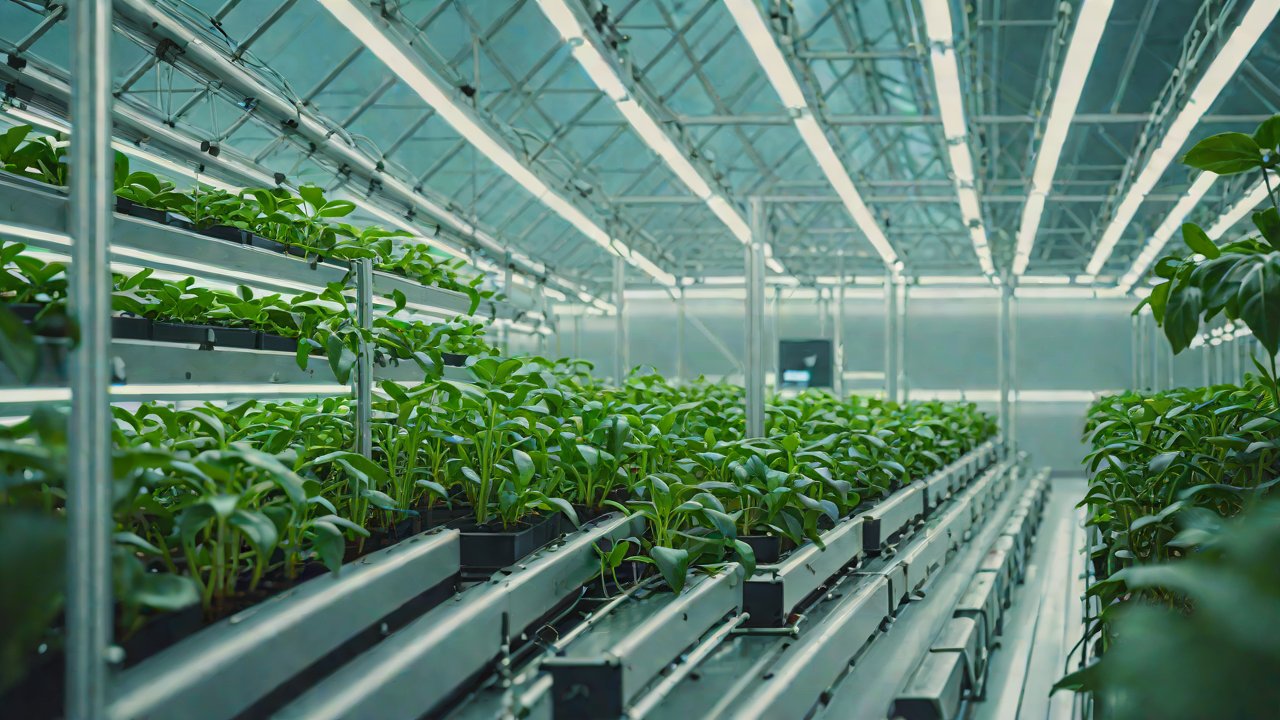
Some popular scheduling algorithms used in this context include:
| Algorithm | Description |
|---|---|
| First-Come-First-Served (FCFS) | IHRs are deployed in the order they are requested |
| Earliest Deadline First (EDF) | IHRs are deployed based on their deadline for completing the harvesting task |
| Rate Monotonic Scheduling (RMS) | IHRs are deployed based on their priority, which is determined by their deadline |
4. AIGC Technical Perspectives
AIGC (Artificial Intelligence and General Computing) has revolutionized the field of robotics and environmental control systems. Some key AIGC technical perspectives in this context include:
| Perspective | Description |
|---|---|
| Predictive Maintenance | AI-powered predictive maintenance can detect potential issues before they occur |
| Real-Time Analytics | AI-powered real-time analytics can optimize system performance in real-time |
| Autonomous Decision-Making | AI-powered autonomous decision-making can enable ECS to adjust environmental conditions based on real-time feedback from IHR |

5. Market Data
The market for intelligent harvesting robots and environmental control systems is growing rapidly. According to a report by MarketsandMarkets, the global market for agricultural robots is expected to reach $2.4 billion by 2025, growing at a CAGR of 18.4%. Similarly, the global market for environmental control systems is expected to reach $14.3 billion by 2025, growing at a CAGR of 10.3%.
| Market | Size (2020) | CAGR (2020-2025) |
|---|---|---|
| Agricultural Robots | $1.2 billion | 18.4% |
| Environmental Control Systems | $12.3 billion | 10.3% |
6. Conclusion
The integration of intelligent harvesting robots with environmental control systems is a complex task that requires a deep understanding of both robotics and environmental control systems. Synchronization and scheduling of these robots is crucial to ensure optimal system performance. The use of AIGC has revolutionized this field, enabling predictive maintenance, real-time analytics, and autonomous decision-making. As the market for agricultural robots and environmental control systems continues to grow, it is essential to develop more efficient synchronization and scheduling mechanisms to meet the increasing demand for these technologies.
IOT Cloud Platform
IOT Cloud Platform is an IoT portal established by a Chinese IoT company, focusing on technical solutions in the fields of agricultural IoT, industrial IoT, medical IoT, security IoT, military IoT, meteorological IoT, consumer IoT, automotive IoT, commercial IoT, infrastructure IoT, smart warehousing and logistics, smart home, smart city, smart healthcare, smart lighting, etc.
The IoT Cloud Platform blog is a top IoT technology stack, providing technical knowledge on IoT, robotics, artificial intelligence (generative artificial intelligence AIGC), edge computing, AR/VR, cloud computing, quantum computing, blockchain, smart surveillance cameras, drones, RFID tags, gateways, GPS, 3D printing, 4D printing, autonomous driving, etc.
Note: This article was professionally generated with the assistance of AIGC and has been fact-checked and manually corrected by IoT expert editor IoTCloudPlatForm.