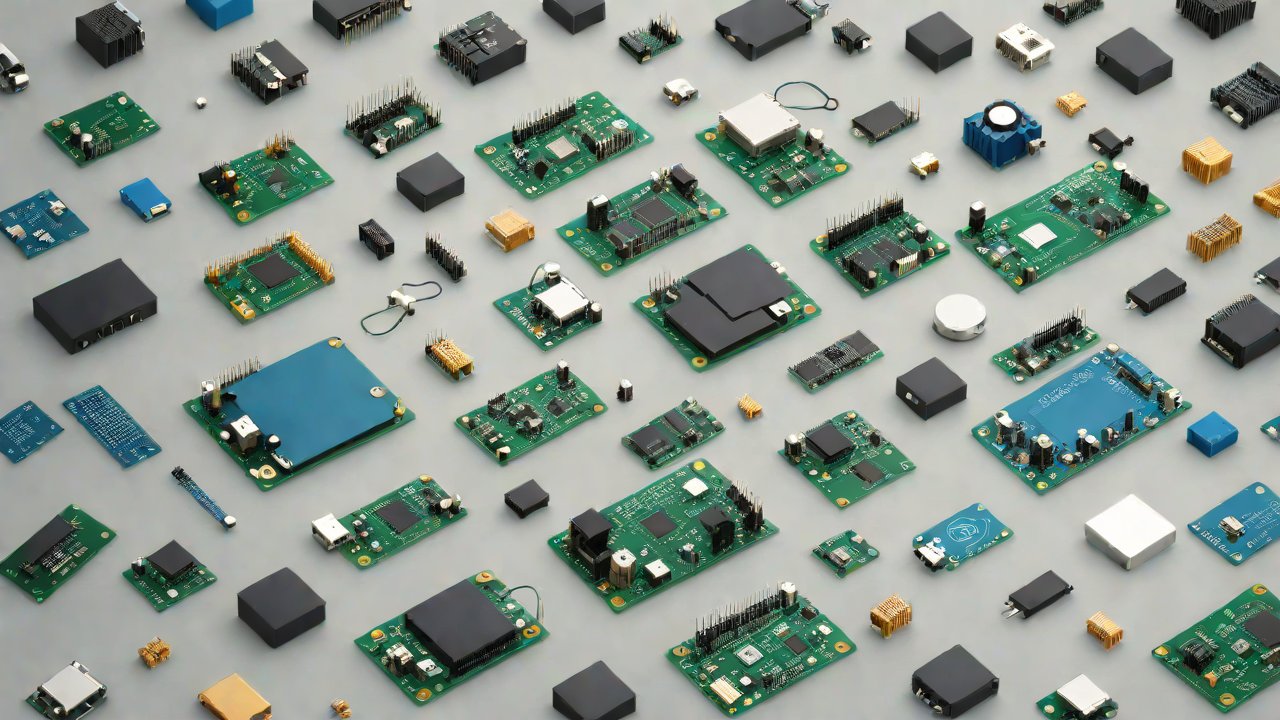
ESP32 Gateway & Passive RFID Equipment Management System
The ESP32 gateway is an increasingly popular choice for IoT applications due to its low power consumption, high-speed Wi-Fi capabilities, and built-in Bluetooth functionality. When combined with passive RFID technology, it enables a robust equipment management system that can track assets in real-time, reducing inventory errors and improving operational efficiency.
Passive RFID technology uses electromagnetic fields to identify and track objects without the need for a power source on the tag itself. This feature makes it ideal for applications where battery replacement or recharging is impractical or impossible. By leveraging this technology with an ESP32 gateway, organizations can create a comprehensive equipment management system that streamlines inventory tracking, maintenance schedules, and asset utilization.
1. Architecture Overview
The proposed ESP32 gateway & passive RFID equipment management system consists of several key components:
- ESP32 Gateway: This is the central hub for connecting to the internet via Wi-Fi or Ethernet and enables communication with other devices on the network.
- Passive RFID Tags: These are attached to each piece of equipment, providing a unique identifier that can be read by the ESP32 gateway using passive RFID technology.
- Database Management System (DBMS): This is where all data collected from the RFID tags is stored and managed. It’s crucial for data analytics and reporting.
2. Technical Implementation
-
Hardware Setup:
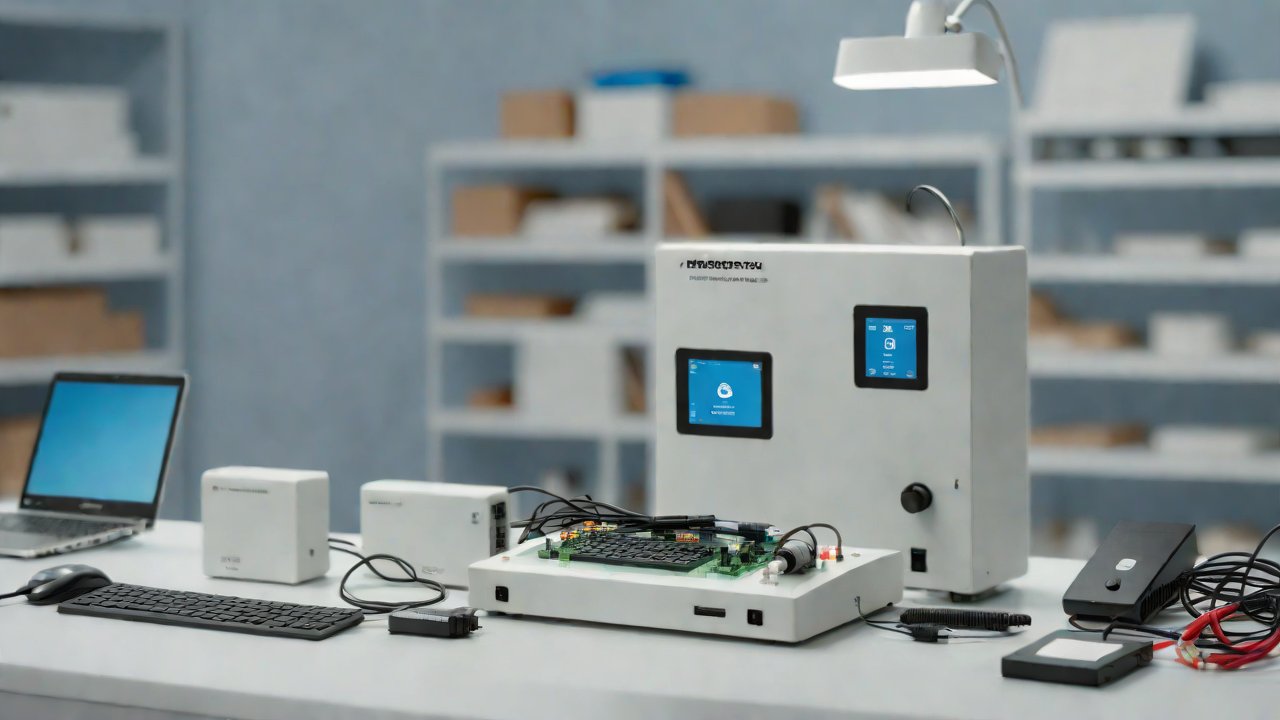
- The ESP32 module will act as a gateway to connect with the internet.
- Passive RFID readers are connected to the ESP32 module for reading the RFID tags attached to equipment.
- The system also includes an LCD display or a web interface for user interaction.
-
Software Setup:
- The ESP32 is programmed using the Arduino IDE for simplicity and ease of development.
- A custom-built database (using MySQL) stores data on each piece of equipment, including its location, maintenance history, and usage patterns.
- Python scripts are used to interact with the database and send notifications when certain conditions are met.
3. Market Analysis

The market for IoT-based asset tracking solutions is rapidly expanding due to increasing demand from industries such as manufacturing, healthcare, and logistics. According to a report by MarketsandMarkets, the global RFID market size is expected to grow from $12.6 billion in 2020 to $32.4 billion by 2025.
4. Cost-Benefit Analysis
-
Initial Investment:
- The cost of the ESP32 modules and passive RFID readers.
- Database management system setup costs (server, software, etc.).
-
Ongoing Expenses:
- Electricity consumption for powering devices.
- Potential maintenance or upgrade requirements.
-
Benefits:
- Real-time tracking and monitoring capabilities.
- Reduced inventory errors and improved operational efficiency.
- Enhanced decision-making through data analytics.
5. Security Considerations
Given the connectivity of this system to the internet, security is a top priority:
6. Future Development Directions
-
Integration with Other Technologies:
- Integrating with other IoT devices and sensors for more comprehensive monitoring.
- Incorporating AI for predictive maintenance.
-
Cloud Integration:
- Cloud-based storage for scalability and accessibility.
- Real-time data analytics in the cloud for enhanced decision-making capabilities.
-
User Interface Improvements:
- Developing a user-friendly mobile app for easier interaction with the system.
- Incorporating voice commands or other interfaces for increased convenience.
-
Data Analytics Enhancements:
- Implementing machine learning algorithms for predictive maintenance and asset utilization forecasting.
- Providing real-time alerts for equipment anomalies or potential issues.
The ESP32 gateway & passive RFID equipment management system offers a robust, efficient solution for tracking assets in various industries. Its integration with database management systems, along with the use of AI and machine learning for data analysis, makes it an ideal choice for organizations seeking to optimize their operations through real-time monitoring and predictive maintenance.
IOT Cloud Platform
IOT Cloud Platform is an IoT portal established by a Chinese IoT company, focusing on technical solutions in the fields of agricultural IoT, industrial IoT, medical IoT, security IoT, military IoT, meteorological IoT, consumer IoT, automotive IoT, commercial IoT, infrastructure IoT, smart warehousing and logistics, smart home, smart city, smart healthcare, smart lighting, etc.
The IoT Cloud Platform blog is a top IoT technology stack, providing technical knowledge on IoT, robotics, artificial intelligence (generative artificial intelligence AIGC), edge computing, AR/VR, cloud computing, quantum computing, blockchain, smart surveillance cameras, drones, RFID tags, gateways, GPS, 3D printing, 4D printing, autonomous driving, etc.
Note: This article was professionally generated with the assistance of AIGC and has been fact-checked and manually corrected by IoT expert editor IoTCloudPlatForm.