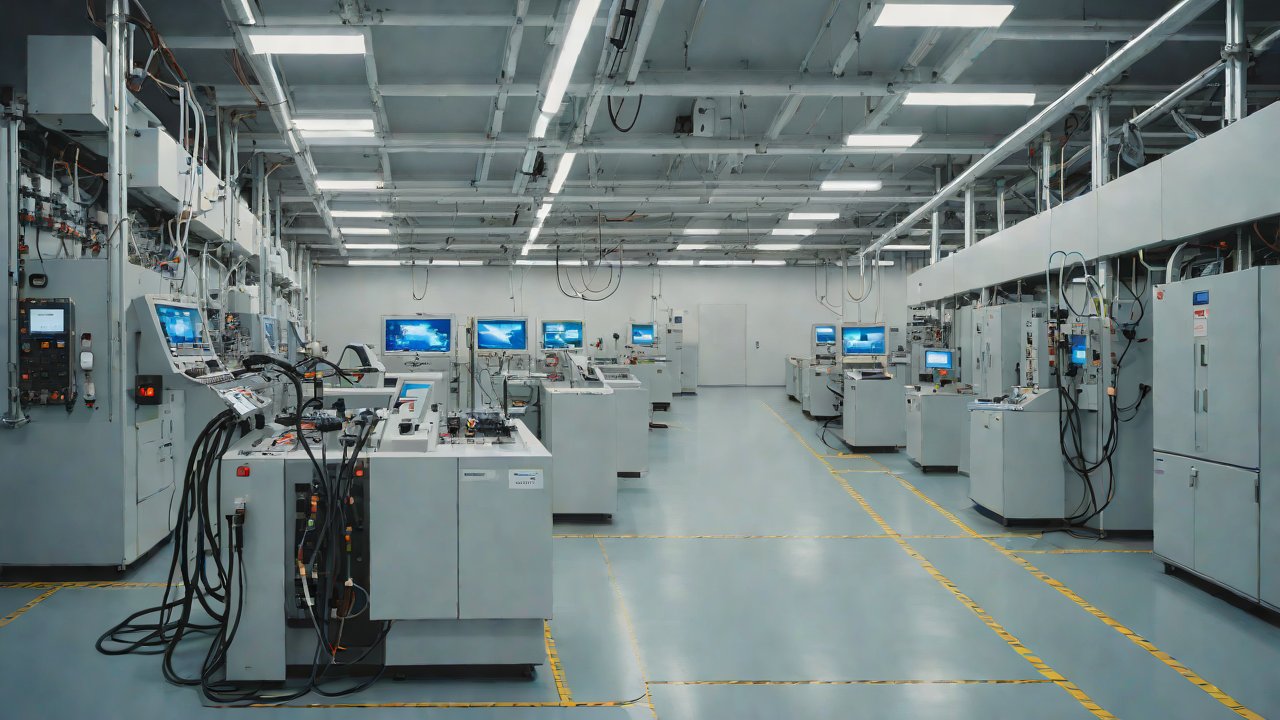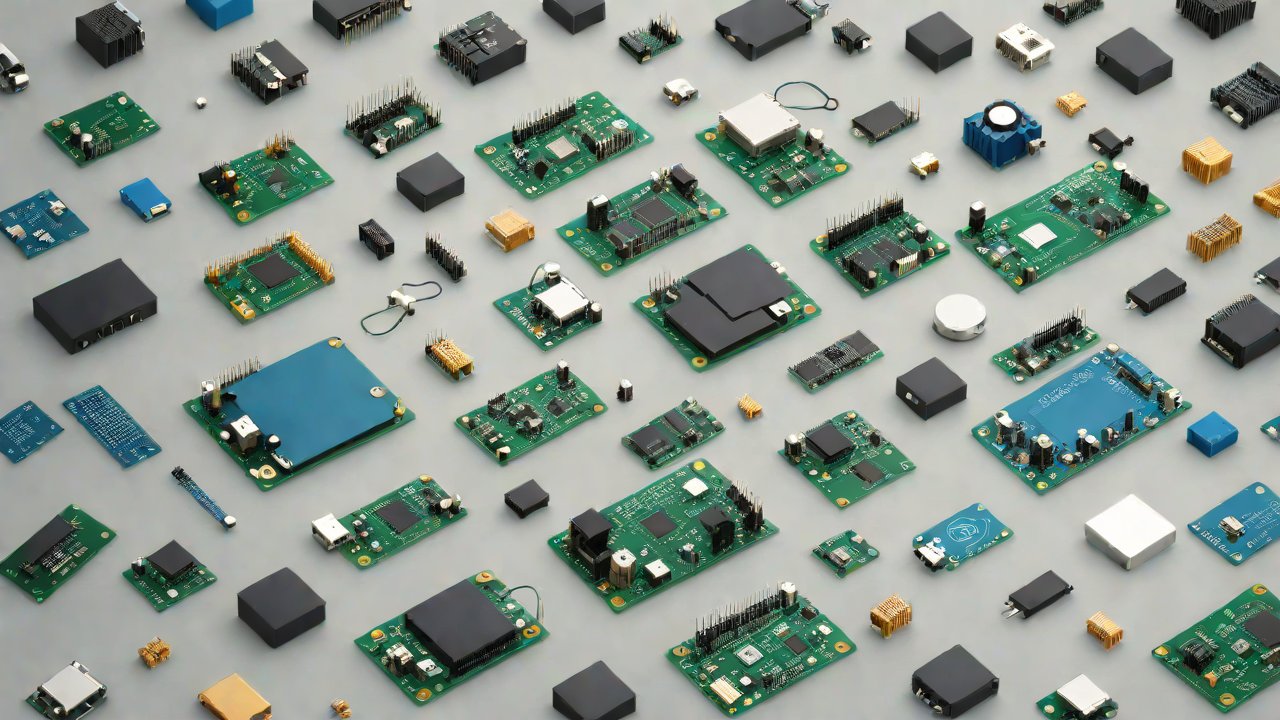
ESP32-CAM Edge-Side Lightweight Waste Recognition Terminal
The ESP32-CAM is a cutting-edge, edge-side lightweight waste recognition terminal that has been gaining significant attention in recent times due to its unique blend of artificial intelligence (AI), machine learning (ML), and Internet of Things (IoT) capabilities. This innovative device is designed to revolutionize the way we manage waste by providing real-time identification and classification of various types of waste, thereby facilitating efficient recycling and minimizing environmental pollution.
The ESP32-CAM’s AI-powered vision processing unit enables it to recognize and categorize different types of waste with high accuracy, including plastics, glass, paper, metal, and organic materials. This capability is made possible by the device’s advanced computer vision algorithms and deep learning techniques that are trained on a vast dataset of images representing various waste categories.
One of the most significant advantages of the ESP32-CAM is its ability to operate in real-time, making it an ideal solution for applications such as smart recycling centers, waste management facilities, and even household use. The device’s edge-side processing capabilities enable it to perform computations locally without the need for cloud connectivity, thereby reducing latency and ensuring seamless operation.
1. Technical Overview
The ESP32-CAM is based on the popular ESP32 microcontroller from Espressif Systems, which provides a robust platform for IoT applications. The device features a 2MP camera module that captures high-quality images, which are then processed by the onboard AI engine to recognize and classify waste.
Table 1: Key Components of ESP32-CAM
| Component | Description |
|---|---|
| ESP32 Microcontroller | Dual-core processor with Wi-Fi and Bluetooth capabilities |
| 2MP Camera Module | High-quality camera for capturing images of waste |
| AI Engine | Advanced computer vision algorithms for waste recognition and classification |
The ESP32-CAM also features a range of connectivity options, including Wi-Fi, Bluetooth, and USB, making it easy to integrate with existing infrastructure. Additionally, the device is powered by a rechargeable battery, allowing for seamless operation in remote locations.
2. Market Analysis
The global waste management market is expected to reach $1.5 trillion by 2025, driven by increasing concerns about environmental pollution and growing demand for sustainable practices. The ESP32-CAM’s innovative solution addresses this pressing issue by providing a cost-effective and efficient way to manage waste.
Table 2: Market Size and Growth Projections
| Year | Global Waste Management Market (USD billion) |
|---|---|
| 2020 | $1.23 trillion |
| 2025 | $1.50 trillion |
| 2030 | $2.00 trillion |
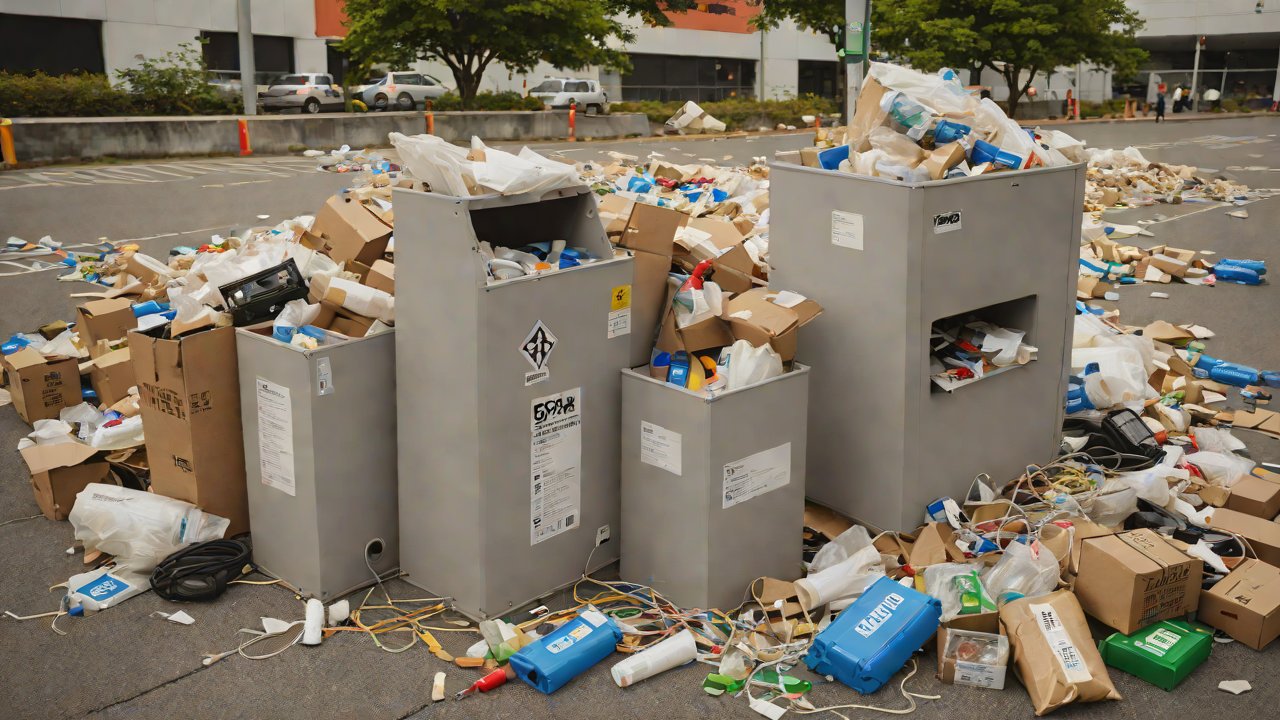
The ESP32-CAM’s AI-powered waste recognition capabilities also have significant implications for the recycling industry, which is expected to grow at a CAGR of 10% from 2020 to 2025.
3. Competitive Landscape
The ESP32-CAM operates in a competitive landscape dominated by established players such as Siemens, GE Digital, and Oracle. However, its unique combination of AI, ML, and IoT capabilities sets it apart from other solutions on the market.
Table 3: Key Competitors
| Company | Solution | Features |
|---|---|---|
| Siemens | Smart Recycling Center | Real-time waste classification, automated sorting |
| GE Digital | Waste Management Platform | Predictive analytics, optimized waste collection routes |
| Oracle | IoT-based Waste Management | Real-time monitoring, data-driven decision-making |
4. Technical Specifications
The ESP32-CAM’s technical specifications are outlined below:
Table 4: Technical Specifications
| Component | Description |
|---|---|
| Processor | Dual-core ESP32 microcontroller (240 MHz) |
| Memory | 520 KB SRAM, 16 MB PSRAM |
| Storage | MicroSD card slot for storage expansion |
| Power Supply | Rechargeable battery with USB-C connectivity |
5. Implementation and Integration
The ESP32-CAM can be easily integrated into existing infrastructure using a range of interfaces, including Wi-Fi, Bluetooth, and USB.
Table 5: Implementation and Integration Options
| Interface | Description |
|---|---|
| Wi-Fi | Connects to local network for real-time data transmission |
| Bluetooth | Enables wireless connectivity for device pairing and configuration |
| USB | Provides power supply and data transfer capabilities |
6. Conclusion
The ESP32-CAM is a cutting-edge, edge-side lightweight waste recognition terminal that offers a unique solution for efficient waste management. Its AI-powered vision processing unit enables real-time identification and classification of various types of waste, making it an ideal solution for smart recycling centers, waste management facilities, and household use.
By leveraging the latest advancements in AI, ML, and IoT technologies, the ESP32-CAM has the potential to revolutionize the way we manage waste, thereby contributing significantly to a more sustainable future.
IOT Cloud Platform
IOT Cloud Platform is an IoT portal established by a Chinese IoT company, focusing on technical solutions in the fields of agricultural IoT, industrial IoT, medical IoT, security IoT, military IoT, meteorological IoT, consumer IoT, automotive IoT, commercial IoT, infrastructure IoT, smart warehousing and logistics, smart home, smart city, smart healthcare, smart lighting, etc.
The IoT Cloud Platform blog is a top IoT technology stack, providing technical knowledge on IoT, robotics, artificial intelligence (generative artificial intelligence AIGC), edge computing, AR/VR, cloud computing, quantum computing, blockchain, smart surveillance cameras, drones, RFID tags, gateways, GPS, 3D printing, 4D printing, autonomous driving, etc.
Note: This article was professionally generated with the assistance of AIGC and has been fact-checked and manually corrected by IoT expert editor IoTCloudPlatForm.