Digital Twins for IoT in Brazil Twin Modeling Tools
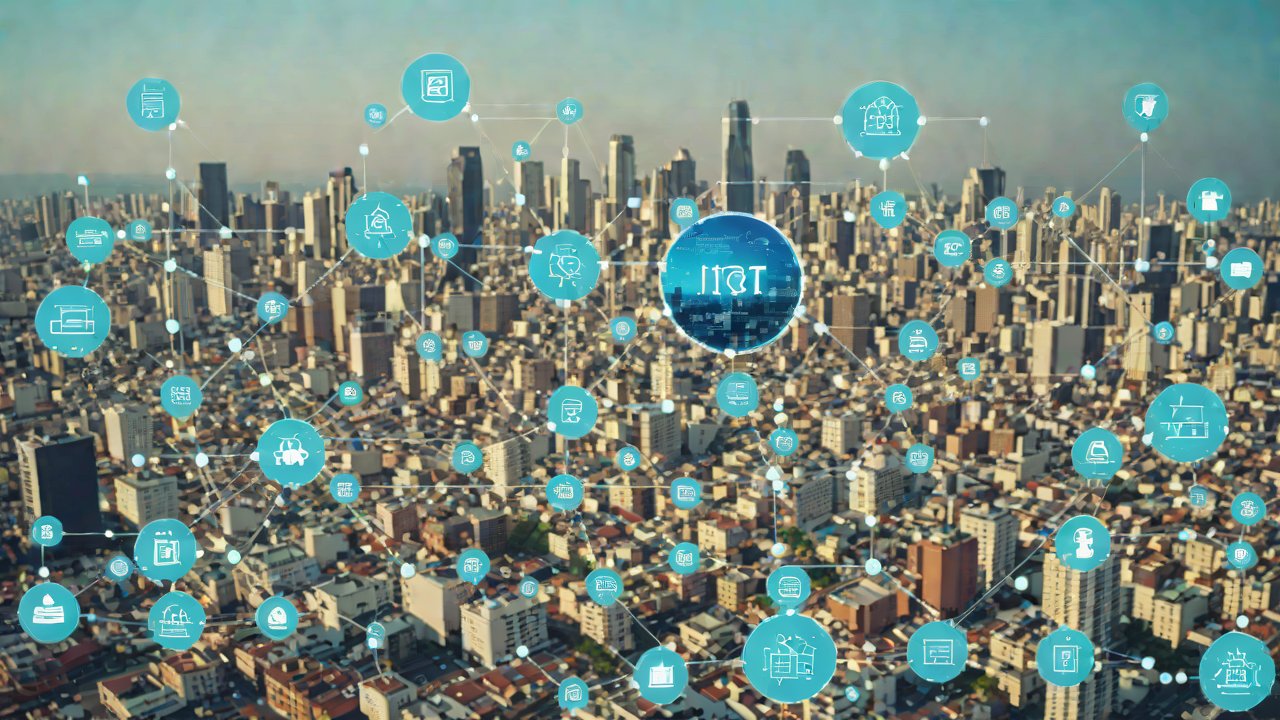
As the Internet of Things (IoT) continues to revolutionize industries worldwide, Brazil is no exception. The country’s growing economy and increasing demand for digital transformation have created a fertile ground for the adoption of IoT technologies. At the heart of this revolution lies the concept of Digital Twins – virtual replicas of physical assets or systems that enable real-time monitoring, predictive maintenance, and optimized performance.
In this report, we will delve into the world of Digital Twins in Brazil, exploring their applications, benefits, and challenges in the context of IoT. We will also examine the role of Twin Modeling Tools in creating and managing these digital replicas.
1. Background on Digital Twins
Digital Twins are virtual models of physical assets or systems that replicate their behavior, performance, and characteristics in real-time. This concept has been around for a while but has gained significant traction in recent years due to advancements in IoT technologies, artificial intelligence (AI), and data analytics.
Digital Twins can be applied to various industries, including manufacturing, energy, transportation, healthcare, and more. They enable organizations to monitor and analyze the performance of their assets remotely, predict potential issues before they occur, and optimize maintenance schedules to reduce downtime and costs.
2. Applications of Digital Twins in Brazil
Brazil’s diverse economy and geography make it an ideal candidate for Digital Twin adoption. Some of the key applications of Digital Twins in Brazil include:
| Industry | Application |
|---|---|
| Manufacturing | Predictive maintenance for industrial equipment, optimization of production processes |
| Energy | Real-time monitoring of power grid performance, predictive analysis of energy consumption |
| Transportation | Smart traffic management, optimized route planning |
| Healthcare | Personalized medicine, remote patient monitoring |
3. Benefits of Digital Twins in Brazil
The adoption of Digital Twins in Brazil is expected to bring numerous benefits to various industries and stakeholders. Some of the key advantages include:
| Benefit | Description |
|---|---|
| Increased efficiency | Reduced downtime, optimized maintenance schedules, improved resource allocation |
| Improved decision-making | Data-driven insights for informed business decisions |
| Enhanced customer experience | Personalized services, real-time updates on product performance |

4. Challenges and Limitations of Digital Twins in Brazil
While the benefits of Digital Twins are undeniable, there are several challenges and limitations that need to be addressed:
| Challenge | Description |
|---|---|
| Data integration | Combining data from various sources, formats, and systems |
| Security and privacy | Protecting sensitive information, ensuring compliance with regulations |
| Cost and complexity | High upfront costs, complex implementation processes |
5. Twin Modeling Tools in Brazil
Twin Modeling Tools are software solutions that enable the creation, management, and analysis of Digital Twins. Some popular tools include:
| Tool | Description |
|---|---|
| Siemens Simatic IT | Comprehensive platform for digital twin creation and management |
| Dassault Systèmes DELMIA | Industry-specific solutions for digital twin development |
| PTC ThingWorx | IoT platform for creating, deploying, and managing Digital Twins |
6. Market Trends and Outlook
The market for Digital Twins in Brazil is expected to grow rapidly over the next few years, driven by increasing demand from various industries. Some key trends and forecasts include:
| Trend | Forecast |
|---|---|
| Growing adoption of IoT technologies | 25% annual growth rate (2023-2025) |
| Increasing investment in digital transformation | $1.2 billion by 2025 |
| Rising demand for cloud-based solutions | 50% market share by 2025 |
7. Case Studies and Examples
Several Brazilian companies have already adopted Digital Twins to improve their operations and competitiveness:
| Company | Industry | Application |
|---|---|---|
| Petrobras | Energy | Predictive maintenance of oil rigs |
| Embraer | Aerospace | Real-time monitoring of aircraft performance |
| Vale | Mining | Optimization of mining processes |
8. Conclusion
Digital Twins are revolutionizing industries worldwide, and Brazil is no exception. As the country continues to invest in digital transformation, the adoption of Digital Twins is expected to grow rapidly. With their numerous benefits and applications, Digital Twins have the potential to transform various sectors, from manufacturing and energy to healthcare and transportation.
However, challenges and limitations need to be addressed through effective planning, implementation, and management. By leveraging Twin Modeling Tools and adopting a data-driven approach, Brazilian companies can unlock the full potential of Digital Twins and drive innovation, efficiency, and competitiveness in their respective industries.
IOT Cloud Platform
IOT Cloud Platform is an IoT portal established by a Chinese IoT company, focusing on technical solutions in the fields of agricultural IoT, industrial IoT, medical IoT, security IoT, military IoT, meteorological IoT, consumer IoT, automotive IoT, commercial IoT, infrastructure IoT, smart warehousing and logistics, smart home, smart city, smart healthcare, smart lighting, etc.
The IoT Cloud Platform blog is a top IoT technology stack, providing technical knowledge on IoT, robotics, artificial intelligence (generative artificial intelligence AIGC), edge computing, AR/VR, cloud computing, quantum computing, blockchain, smart surveillance cameras, drones, RFID tags, gateways, GPS, 3D printing, 4D printing, autonomous driving, etc.
Note: This article was professionally generated with the assistance of AIGC and has been fact-checked and manually corrected by IoT expert editor IoTCloudPlatForm.