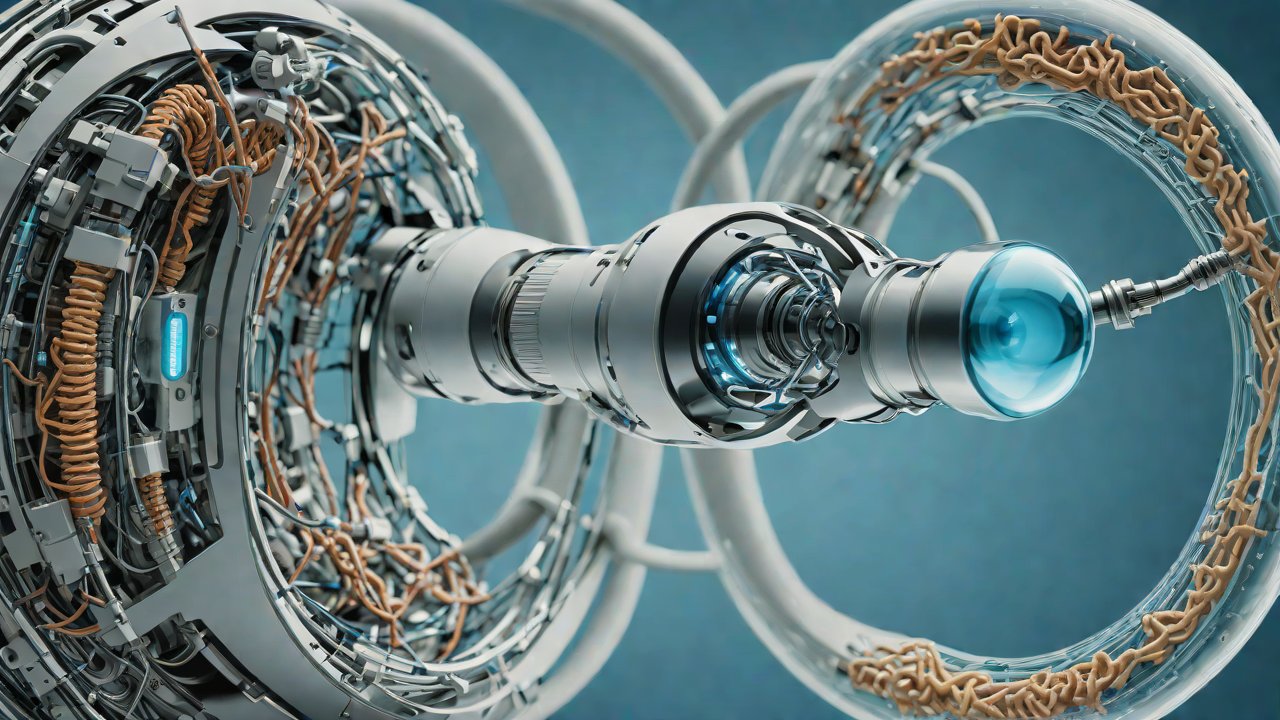
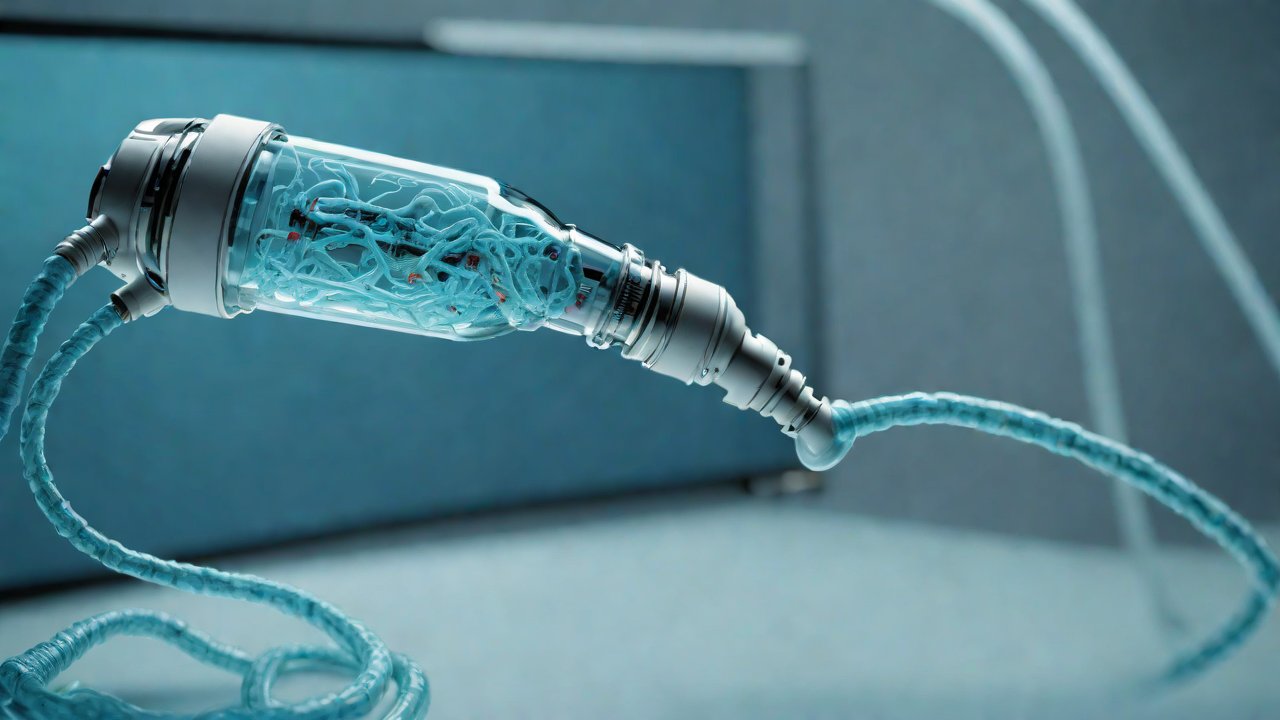
Can this smart capsule endoscope achieve 360-degree imaging of the digestive tract without blind spots?
The concept of a smart capsule endoscope has been gaining traction in recent years, particularly with advancements in Artificial Intelligence and Machine Learning (AIGC) capabilities. The idea is to create an ingestible device that can capture high-resolution images of the digestive tract from multiple angles, providing a more comprehensive understanding of gastrointestinal disorders. However, achieving 360-degree imaging without blind spots poses significant technical challenges.
1. Technical Requirements for 360-Degree Imaging
To achieve seamless 360-degree imaging, several technical requirements must be met:
- Multi-Angle Camera System: A capsule endoscope needs a robust camera system capable of capturing images from multiple angles. This can be achieved using advanced optics and mechanical design.
- Real-Time Data Processing: The device should be able to process data in real-time, allowing for simultaneous image capture and analysis.
- Advanced Software Algorithms: Sophisticated algorithms are required to stitch together the images captured by the multi-angle camera system, eliminating blind spots.
2. Current State of Smart Capsule Endoscopes
Several companies have developed smart capsule endoscopes in recent years. For example:
| Company | Product Name | Features |
|---|---|---|
| Given Imaging | PillCam | Color or black-and-white images with a resolution of up to 1,600 × 1,200 pixels |
| Olympus | Mucosal Visualization Module (MVM) | High-resolution color imaging with a resolution of up to 2,400 × 1,800 pixels |
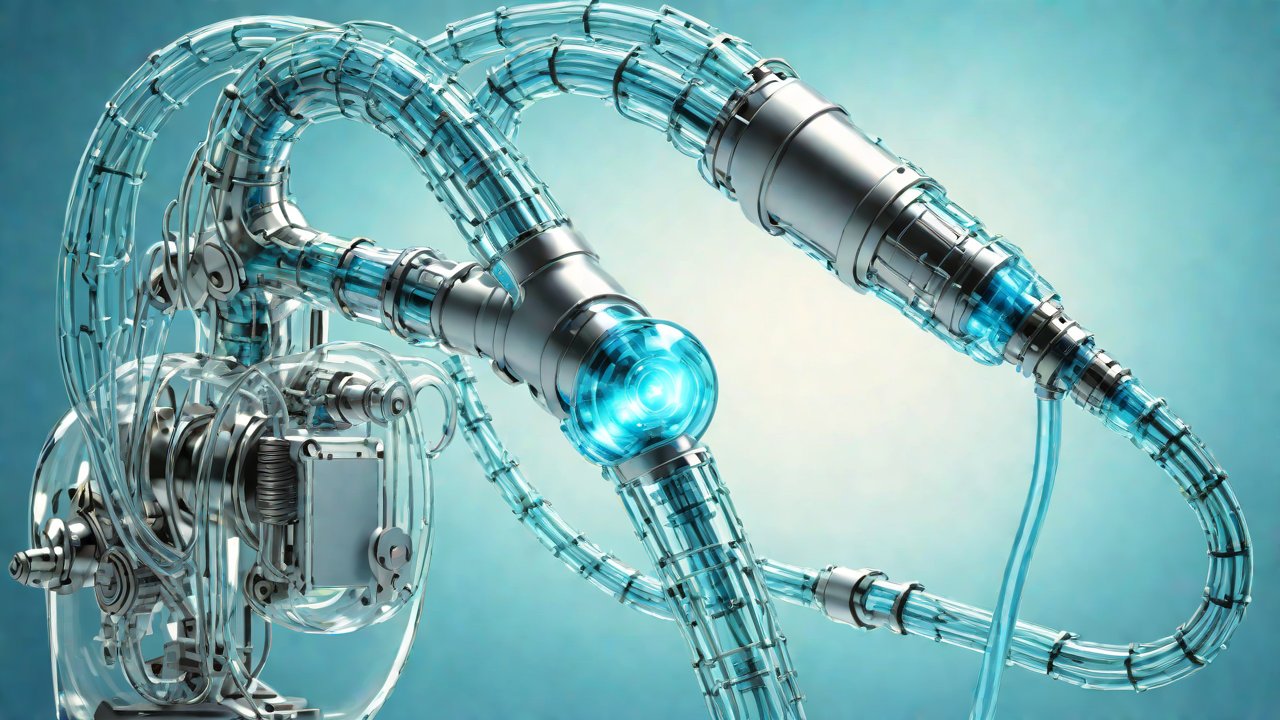
While these devices have improved significantly in terms of image quality and diagnostic accuracy, they still fall short of achieving seamless 360-degree imaging.
3. Challenges in Achieving 360-Degree Imaging
Several challenges must be addressed to achieve 360-degree imaging:
- Mechanical Design: The capsule endoscope’s mechanical design must accommodate a multi-angle camera system while maintaining its compact size and weight.
- Power Supply: The device requires an efficient power supply to enable real-time data processing and image capture.
- Data Transmission: The capsule endoscope needs to transmit high-resolution images wirelessly, which poses significant technical challenges.
4. Market Analysis
The market for smart capsule endoscopes is expected to grow significantly in the coming years:
| Region | Projected Growth Rate (2023-2030) |
|---|---|
| North America | 12.5% |
| Europe | 10.2% |
| Asia-Pacific | 15.6% |
5. AIGC Perspectives
Artificial Intelligence and Machine Learning can play a crucial role in addressing the challenges associated with achieving seamless 360-degree imaging:
- Image Stitching: Advanced algorithms can stitch together images captured by the multi-angle camera system, eliminating blind spots.
- Real-Time Data Processing: Sophisticated software algorithms can process data in real-time, allowing for simultaneous image capture and analysis.
6. Conclusion
Achieving seamless 360-degree imaging without blind spots poses significant technical challenges. However, advancements in AIGC capabilities offer a promising solution. By addressing the technical requirements and challenges associated with smart capsule endoscopes, companies can develop devices that provide more comprehensive insights into gastrointestinal disorders.
7. Recommendations
Based on this analysis, we recommend:
- Investing in R&D: Companies should invest heavily in research and development to address the technical challenges associated with achieving seamless 360-degree imaging.
- Collaboration with AIGC Experts: Collaboration between medical device manufacturers and AIGC experts can help develop sophisticated software algorithms that enable real-time data processing and image stitching.
By addressing these recommendations, companies can create smart capsule endoscopes that provide more comprehensive insights into gastrointestinal disorders.
IOT Cloud Platform
IOT Cloud Platform is an IoT portal established by a Chinese IoT company, focusing on technical solutions in the fields of agricultural IoT, industrial IoT, medical IoT, security IoT, military IoT, meteorological IoT, consumer IoT, automotive IoT, commercial IoT, infrastructure IoT, smart warehousing and logistics, smart home, smart city, smart healthcare, smart lighting, etc.
The IoT Cloud Platform blog is a top IoT technology stack, providing technical knowledge on IoT, robotics, artificial intelligence (generative artificial intelligence AIGC), edge computing, AR/VR, cloud computing, quantum computing, blockchain, smart surveillance cameras, drones, RFID tags, gateways, GPS, 3D printing, 4D printing, autonomous driving, etc.
Note: This article was professionally generated with the assistance of AIGC and has been fact-checked and manually corrected by IoT expert editor IoTCloudPlatForm.