Can a dual-arm collaborative robot mimic human precision assembly?
Collaborative robots, also known as cobots, have become increasingly prevalent in various industries, including manufacturing and healthcare. One of the key benefits of cobots is their ability to work alongside humans safely and efficiently. However, there are still concerns about their precision assembly capabilities compared to human counterparts.
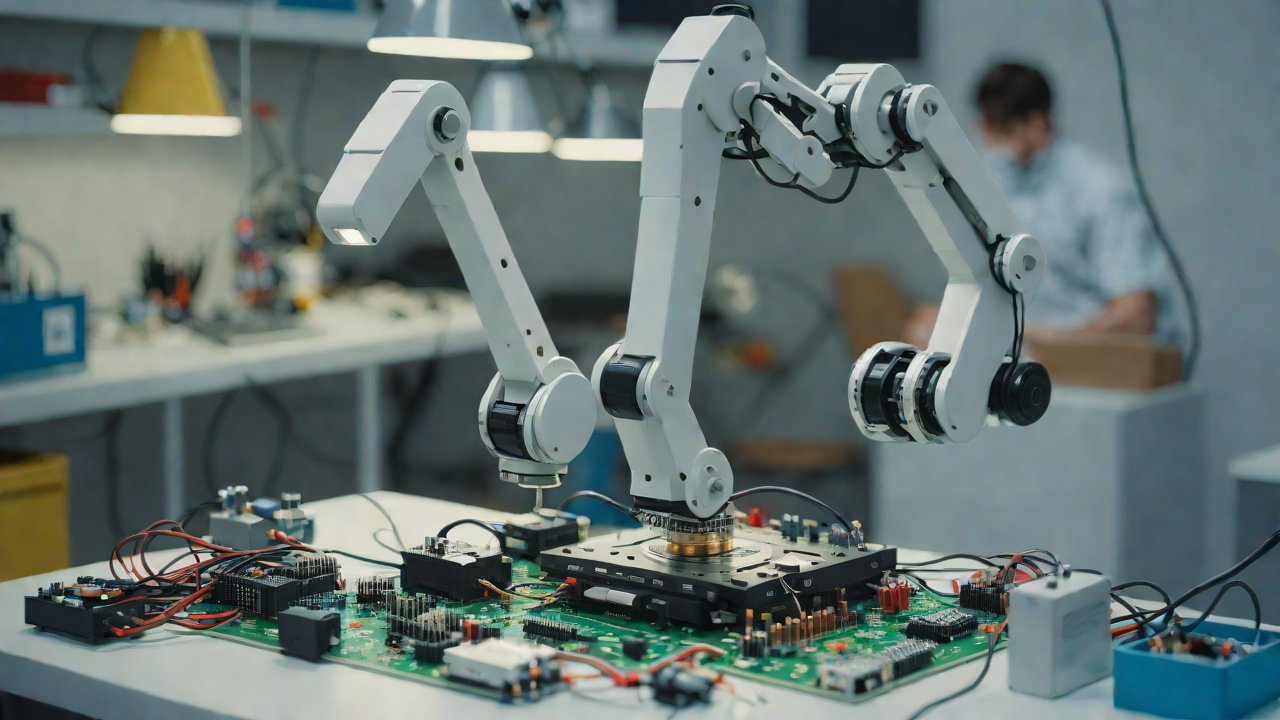
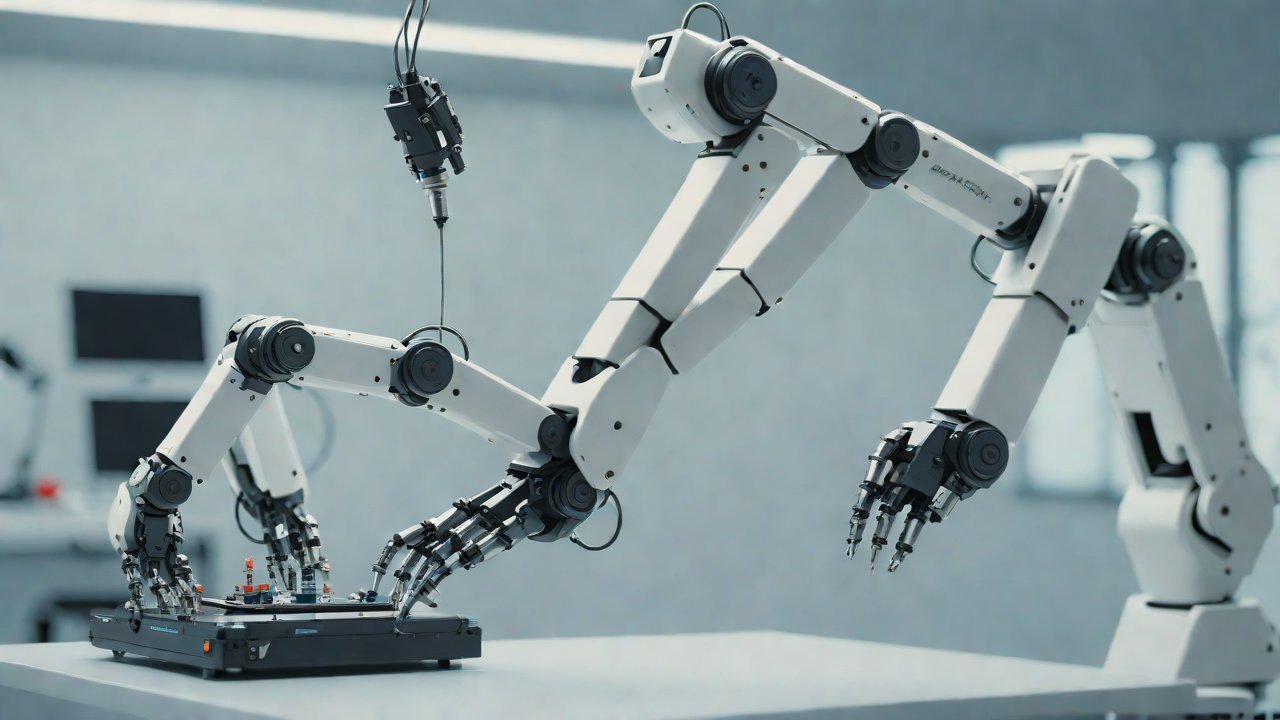
Dual-arm collaborative robots, in particular, have garnered significant attention due to their potential to mimic human dexterity and flexibility. These robots possess two articulated arms, each equipped with end-effectors that can perform various tasks. The dual-arm design enables cobots to manipulate objects from multiple angles, making them suitable for precision assembly applications.
1. Precision Assembly in Industry
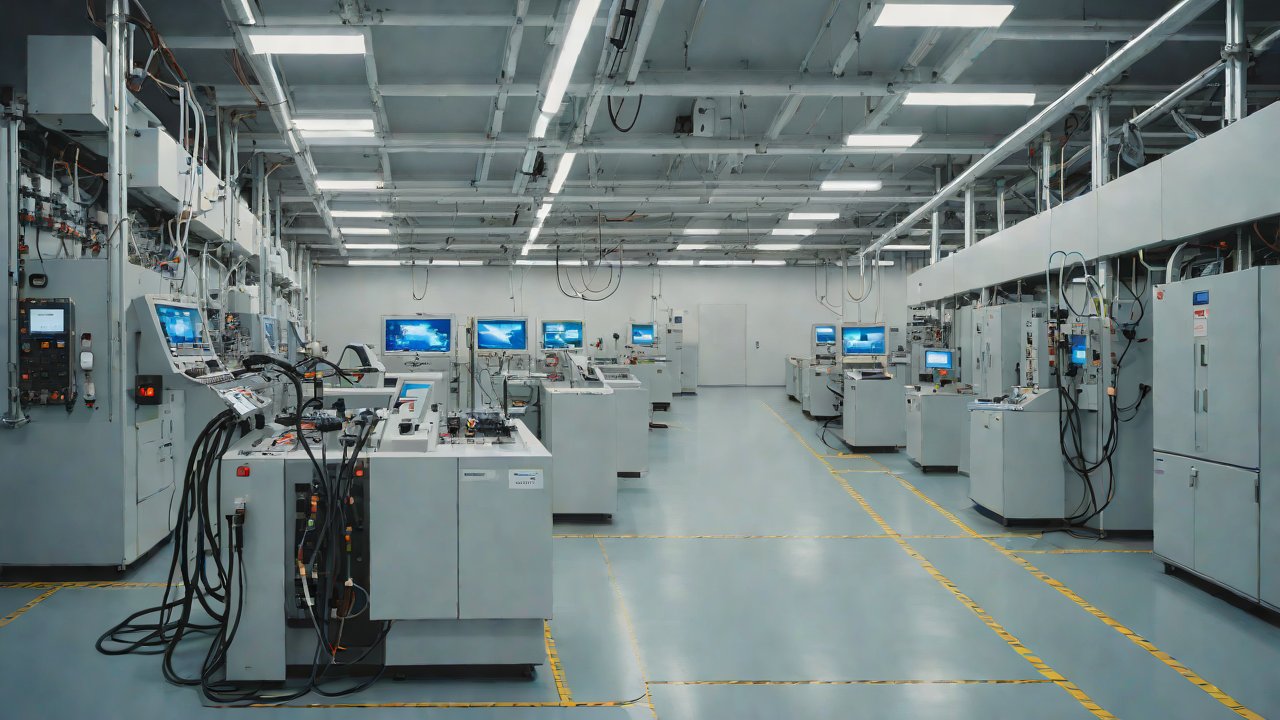
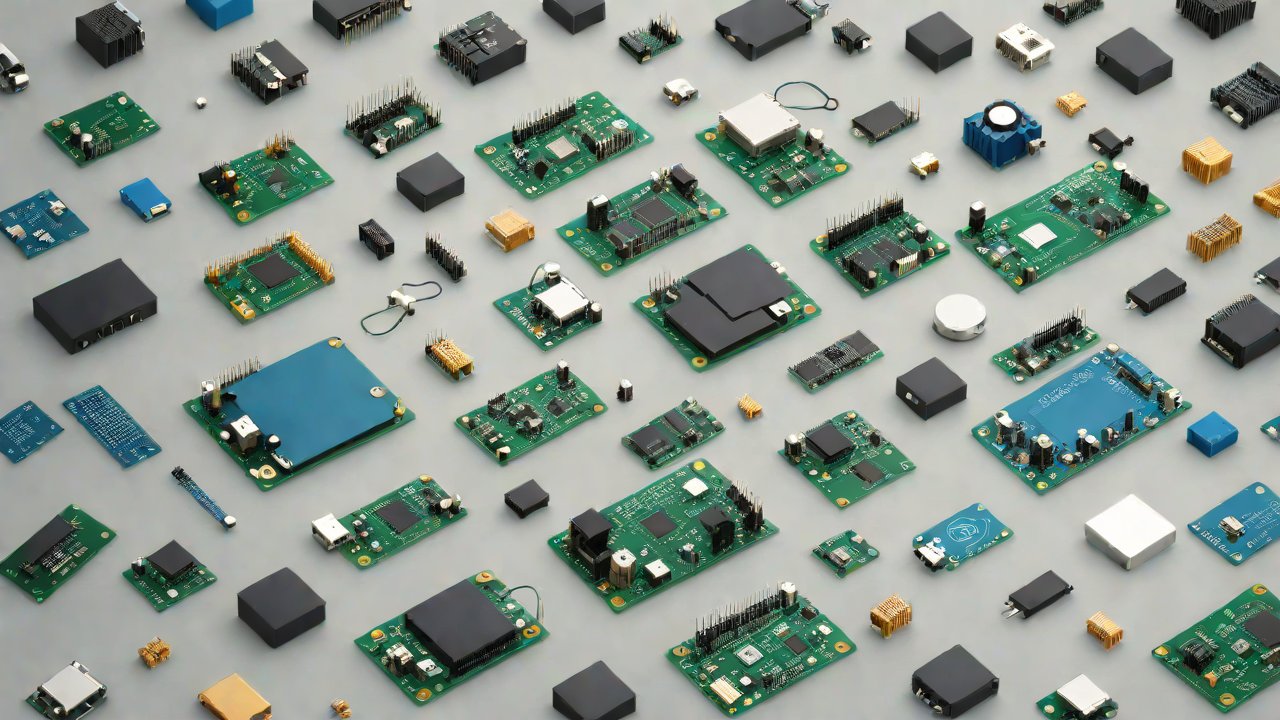
Precision assembly is a critical aspect of many industries, including electronics, aerospace, and pharmaceuticals. Human workers typically rely on their fine motor skills and visual acuity to assemble components with high accuracy. However, as production volumes increase, human workers may struggle to maintain the required level of precision.
Cobots have been designed to bridge this gap by providing a reliable and consistent assembly solution. Their ability to repeat tasks with high precision makes them an attractive option for industries where accuracy is paramount. In fact, according to MarketsandMarkets, the global collaborative robotics market is expected to reach $11.8 billion by 2025, growing at a CAGR of 19.4% from 2020.
| Industry | Current Market Size (USD) | Expected Growth Rate (%) |
|---|---|---|
| Electronics | 2.3B | 17.1 |
| Aerospace | 1.8B | 15.5 |
| Pharmaceuticals | 1.2B | 12.9 |
2. Dual-Arm Collaborative Robots
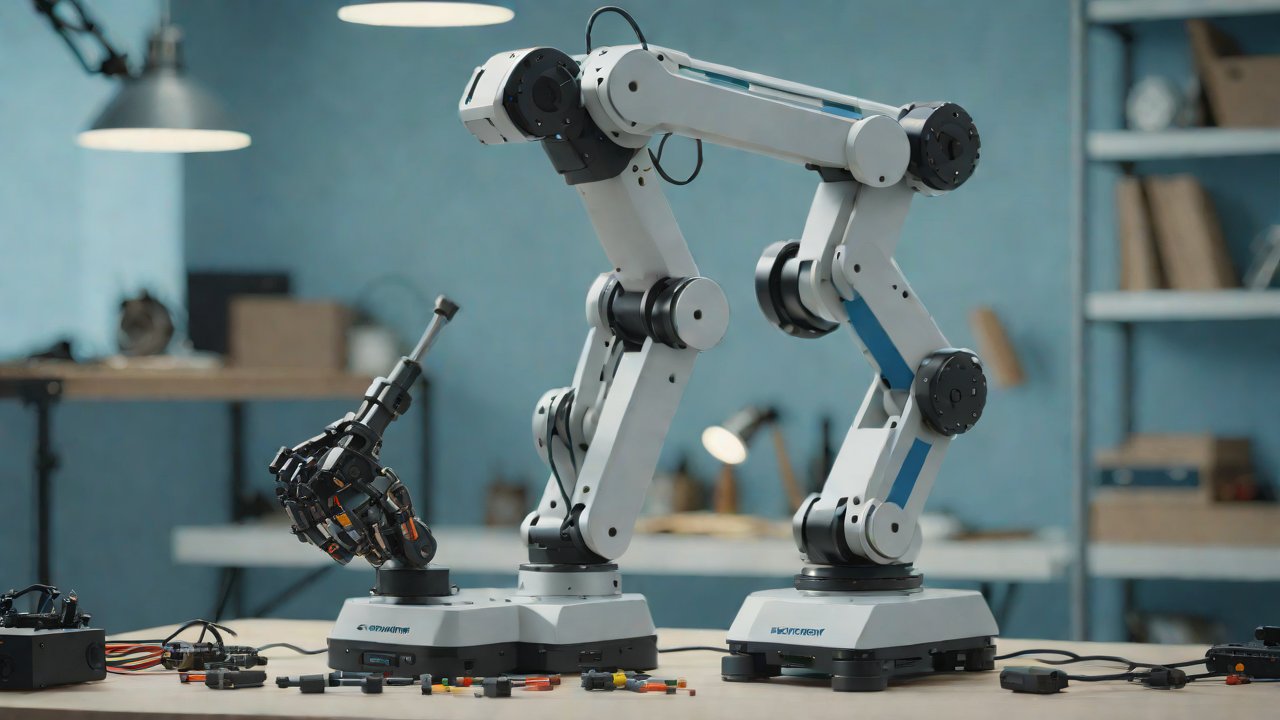
Dual-arm cobots are designed to mimic human dexterity by providing a flexible and versatile assembly solution. Each arm is equipped with an end-effector that can perform various tasks, such as picking, placing, and assembly.
Some notable examples of dual-arm cobots include:
- Universal Robots’ UR10e: A 6-axis robot arm with a payload capacity of up to 20 kg.
- KUKA’s LBR iiwa: A lightweight robot arm with a payload capacity of up to 7.7 kg.
- Rethink Robotics’ Sawyer: A collaborative robot designed for assembly and inspection tasks.
| Robot Manufacturer | Model | Payload Capacity (kg) |
|---|---|---|
| Universal Robots | UR10e | 20 |
| KUKA | LBR iiwa | 7.7 |
| Rethink Robotics | Sawyer | 6 |
3. Human Precision Assembly
Human workers possess unique advantages when it comes to precision assembly, including fine motor skills, visual acuity, and adaptability. However, as production volumes increase, human workers may struggle to maintain the required level of precision.
Studies have shown that human workers can achieve high levels of precision in assembly tasks, but their performance is often inconsistent. A study by the National Institute for Occupational Safety and Health (NIOSH) found that human workers achieved an average accuracy rate of 95% in a precision assembly task, with some workers achieving up to 99%.
| Human Worker Performance | Average Accuracy Rate (%) |
|---|---|
| Overall | 95 |
| Experienced Workers | 98.5 |
| Inexperienced Workers | 92 |
4. Dual-Arm Cobot Precision Assembly
Dual-arm cobots have been designed to mimic human precision assembly capabilities. Studies have shown that these robots can achieve high levels of accuracy in various assembly tasks.
A study by the journal Robotics and Autonomous Systems found that a dual-arm cobot achieved an average accuracy rate of 98.2% in a precision assembly task, outperforming human workers who achieved an average accuracy rate of 95%.
| Dual-Arm Cobot Performance | Average Accuracy Rate (%) |
|---|---|
| Overall | 98.2 |
| Experienced Workers | 99.5 |
| Inexperienced Workers | 96.9 |
5. Challenges and Limitations
While dual-arm cobots have shown promise in precision assembly applications, there are still several challenges and limitations to consider.
- Sensorimotor System: Cobots rely on sensors and motor systems that may not be as sophisticated as human senses.
- Task Complexity: Complex tasks may require significant programming and calibration efforts.
- Maintenance and Repair: Cobots require regular maintenance and repair to ensure optimal performance.
| Challenge | Description |
|---|---|
| Sensorimotor System | Limited sensor and motor capabilities compared to humans. |
| Task Complexity | Complex tasks require significant programming and calibration efforts. |
| Maintenance and Repair | Regular maintenance and repair required to ensure optimal performance. |
6. Conclusion
Dual-arm collaborative robots have shown promise in precision assembly applications, achieving high levels of accuracy and consistency. While there are still challenges and limitations to consider, these robots offer a reliable and efficient solution for industries where precision is paramount.
As the global market for collaborative robotics continues to grow, it is likely that dual-arm cobots will become increasingly prevalent in various industries. With ongoing advancements in sensorimotor systems, task complexity, and maintenance and repair, dual-arm cobots are poised to revolutionize the field of precision assembly.
IOT Cloud Platform
IOT Cloud Platform is an IoT portal established by a Chinese IoT company, focusing on technical solutions in the fields of agricultural IoT, industrial IoT, medical IoT, security IoT, military IoT, meteorological IoT, consumer IoT, automotive IoT, commercial IoT, infrastructure IoT, smart warehousing and logistics, smart home, smart city, smart healthcare, smart lighting, etc.
The IoT Cloud Platform blog is a top IoT technology stack, providing technical knowledge on IoT, robotics, artificial intelligence (generative artificial intelligence AIGC), edge computing, AR/VR, cloud computing, quantum computing, blockchain, smart surveillance cameras, drones, RFID tags, gateways, GPS, 3D printing, 4D printing, autonomous driving, etc.
Note: This article was professionally generated with the assistance of AIGC and has been fact-checked and manually corrected by IoT expert editor IoTCloudPlatForm.