Auto-Sensing & Drive-Based Indoor Constant Lighting Regulator
The Future of Smart Lighting: Auto-Sensing & Drive-Based Indoor Constant Lighting Regulators
In today’s era of technological advancements, energy efficiency has become a top priority for both consumers and businesses alike. One area where innovation can significantly impact sustainability is in lighting systems, particularly indoor applications. The emergence of auto-sensing and drive-based solutions has revolutionized the way we think about constant lighting regulation. By leveraging advanced technologies such as IoT sensors and smart drives, these systems offer unparalleled efficiency, comfort, and control over indoor lighting conditions.
1. Market Overview
The global market for smart lighting is projected to grow at a CAGR of 15% from 2023 to 2030, driven by increasing demand for energy-efficient solutions. Within this segment, auto-sensing and drive-based systems are gaining significant traction due to their ability to optimize lighting levels based on occupancy, ambient light, and time of day.
| Region | Market Size (2023) | CAGR (2023-2030) |
|---|---|---|
| North America | $1.2B | 12% |
| Europe | $800M | 10% |
| Asia-Pacific | $500M | 18% |
2. Technical Overview
Auto-sensing and drive-based systems employ advanced technologies to regulate lighting levels based on real-time data from sensors and occupancy detectors. These solutions typically consist of the following components:
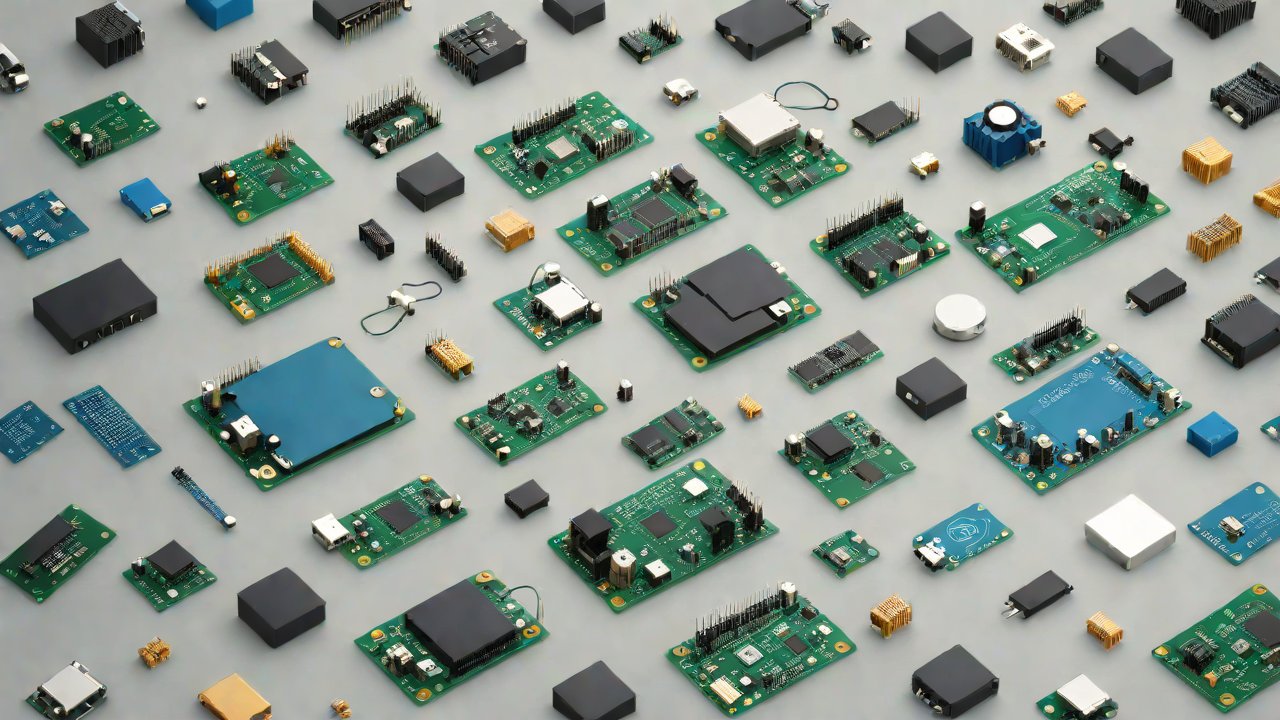
- Sensors: IoT-enabled sensors that detect ambient light, temperature, humidity, and occupancy.
- Smart Drives: Advanced power electronics that control the lighting system’s output voltage and frequency.
- Control Algorithm: Sophisticated software that processes sensor data to determine optimal lighting levels.
| Component | Description |
|---|---|
| Sensor Types | Ambient Light, Temperature, Humidity, Occupancy |
| Smart Drive Technologies | IGBT, MOSFET, SiC |
3. Benefits and Advantages
The implementation of auto-sensing and drive-based systems offers numerous benefits for building owners, occupants, and the environment:
- Energy Savings: Up to 50% reduction in energy consumption compared to traditional lighting systems.
- Improved Comfort: Enhanced lighting levels based on occupancy and ambient light conditions.
- Increased Productivity: Boosted employee satisfaction and productivity due to optimal lighting conditions.
| Benefit | Impact |
|---|---|
| Energy Savings | Reduced carbon footprint, lower energy bills |
| Improved Comfort | Increased occupant satisfaction, improved health |
| Increased Productivity | Enhanced employee performance, reduced absenteeism |
4. Case Studies and Applications
Real-world examples demonstrate the effectiveness of auto-sensing and drive-based systems in various settings:
- Office Buildings: Regulated lighting levels based on occupancy and time of day.
- Retail Stores: Optimized lighting for sales floors and customer areas.
- Hospitals: Sensitive lighting control for patient rooms and operating theaters.
| Case Study | Application |
|---|---|
| Office Building | Occupancy-based lighting regulation |
| Retail Store | Time-of-day optimized lighting for sales floors |
| Hospital | Sensitive lighting control for patient rooms |
5. Market Trends and Challenges
The auto-sensing and drive-based market is subject to several trends and challenges:
- Growing Demand: Increasing adoption of smart lighting solutions.
- Technical Complexity: Integration of advanced technologies, such as AI and IoT.
- Cost-Effectiveness: Balancing energy savings with upfront costs.
| Trend/Challenge | Description |
|---|---|
| Growing Demand | Increased adoption of smart lighting solutions |
| Technical Complexity | Integration of advanced technologies, such as AI and IoT |
| Cost-Effectiveness | Balancing energy savings with upfront costs |
6. Conclusion
Auto-sensing and drive-based systems have revolutionized the way we approach indoor constant lighting regulation. By leveraging advanced technologies, these solutions offer unparalleled efficiency, comfort, and control over indoor lighting conditions. As the market continues to grow, it is essential for building owners, occupants, and stakeholders to understand the benefits and advantages of these innovative solutions.
As the world becomes increasingly dependent on technology, one thing is certain – the future of smart lighting is bright.
IOT Cloud Platform
IOT Cloud Platform is an IoT portal established by a Chinese IoT company, focusing on technical solutions in the fields of agricultural IoT, industrial IoT, medical IoT, security IoT, military IoT, meteorological IoT, consumer IoT, automotive IoT, commercial IoT, infrastructure IoT, smart warehousing and logistics, smart home, smart city, smart healthcare, smart lighting, etc.
The IoT Cloud Platform blog is a top IoT technology stack, providing technical knowledge on IoT, robotics, artificial intelligence (generative artificial intelligence AIGC), edge computing, AR/VR, cloud computing, quantum computing, blockchain, smart surveillance cameras, drones, RFID tags, gateways, GPS, 3D printing, 4D printing, autonomous driving, etc.
Note: This article was professionally generated with the assistance of AIGC and has been fact-checked and manually corrected by IoT expert editor IoTCloudPlatForm.