What Technologies Should You Learn in an IoT Major?
The world of Internet of Things (IoT) is rapidly evolving, with new technologies and innovations emerging every day. As a major in IoT, it’s essential to acquire a strong foundation in various technical disciplines to stay ahead in this exciting field. In this report, we’ll explore the key technologies that you should learn as an IoT major.
The IoT Ecosystem
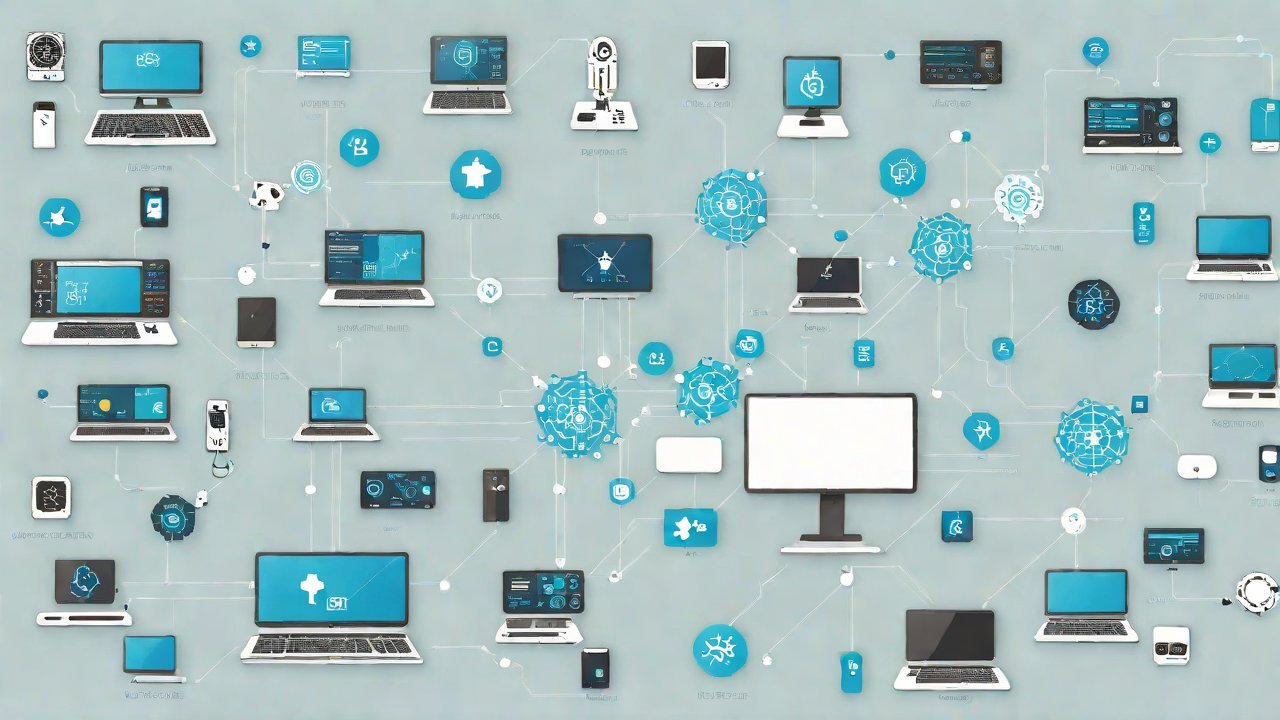
The IoT ecosystem comprises of several layers, including sensing devices, communication networks, data processing and storage systems, and application services. To build a comprehensive understanding of IoT, it’s crucial to have knowledge in each of these areas.
Sensing Devices
Sensing devices are the building blocks of IoT, responsible for collecting data from various sources such as temperature sensors, cameras, microphones, GPS modules, and more. Familiarity with popular sensing technologies like:
| Technology | Description |
|---|---|
| Wi-Fi | Wireless communication protocol |
| Bluetooth Low Energy (BLE) | Short-range wireless communication protocol |
| Zigbee | Low-power wireless communication protocol for IoT devices |
Communication Networks
The next layer in the IoT ecosystem is communication networks, which enable data exchange between sensing devices and other components. Knowledge of networking protocols like:
| Protocol | Description |
|---|---|
| MQTT (Message Queuing Telemetry Transport) | Lightweight messaging protocol for IoT applications |
| CoAP (Constrained Application Protocol) | RESTful protocol for resource-constrained devices |
| LoRaWAN (Long Range Wide Area Network) | Low-power wide-area networking technology |

Data Processing and Storage
With the vast amount of data generated by sensing devices, it’s essential to have a solid understanding of data processing and storage systems. Familiarity with:
| Technology | Description |
|---|---|
| Cloud Computing (AWS IoT, Google Cloud IoT Core, Microsoft Azure IoT Hub) | Cloud-based services for IoT device management and analytics |
| Edge Computing (e.g., Raspberry Pi, Intel NUC) | Real-time processing of data at the edge of the network |
| NoSQL Databases (e.g., MongoDB, Cassandra) | Distributed databases optimized for handling large amounts of unstructured data |
Application Services
The final layer in the IoT ecosystem is application services, which provide a user interface to interact with sensing devices and their collected data. Knowledge of:
| Technology | Description |
|---|---|
| Node.js (JavaScript runtime environment) | Popular choice for building IoT applications |
| Python (e.g., PySpark, scikit-learn) | General-purpose programming language with extensive libraries for machine learning and data analysis |
Programming Languages
As an IoT major, it’s crucial to have proficiency in various programming languages that can be used for developing IoT applications. Some essential languages include:
1. Python
Python is a popular choice for IoT development due to its simplicity, flexibility, and extensive libraries like PySpark and scikit-learn.
2. Java
Java is another widely-used language in the IoT industry, particularly for building enterprise-level IoT solutions.
3. C/C++
C and C++ are low-level languages that provide direct access to hardware resources, making them suitable for developing firmware and embedded systems.
Operating Systems
Familiarity with various operating systems is also essential for an IoT major. Some popular choices include:
1. Linux
Linux is a widely-used open-source operating system in the IoT industry, particularly for building embedded systems and edge devices.
2. Windows 10 IoT
Windows 10 IoT is a compact operating system designed specifically for IoT devices, providing a user-friendly interface and robust security features.
Cybersecurity
As IoT devices become increasingly connected to the internet, cybersecurity threats pose significant risks. Knowledge of:
| Technology | Description |
|---|---|
| SSL/TLS (Secure Sockets Layer/Transport Layer Security) | Encryption protocols for secure data transfer |
| Authentication Protocols (e.g., OAuth, JWT) | Secure authentication mechanisms for IoT devices |

Machine Learning and Artificial Intelligence
Machine learning and artificial intelligence are rapidly gaining traction in the IoT industry. Familiarity with:
1. TensorFlow
TensorFlow is a popular open-source machine learning framework developed by Google.
2. PyTorch
PyTorch is another widely-used deep learning framework, particularly for building neural networks.
Data Analytics and Visualization
Data analytics and visualization are critical components of IoT development, enabling insights into device performance and user behavior. Knowledge of:
| Technology | Description |
|---|---|
| Tableau (Data visualization software) | Popular choice for data visualization and business intelligence |
| Power BI (Business Intelligence platform) | Microsoft’s cloud-based business analytics service |
Emerging Technologies
Several emerging technologies are poised to revolutionize the IoT industry, including:
1. Blockchain
Blockchain technology is gaining traction in IoT, enabling secure device authentication and data sharing.
2. Edge Computing
Edge computing is a growing trend in IoT, allowing for real-time processing of data at the edge of the network.
Conclusion
The IoT ecosystem encompasses various technologies that require knowledge and expertise to develop innovative solutions. As an IoT major, it’s essential to have a strong foundation in programming languages, operating systems, cybersecurity, machine learning, and emerging technologies like blockchain and edge computing. By mastering these skills, you’ll be well-equipped to tackle the challenges of the rapidly evolving IoT industry.
Recommendations
Based on this comprehensive report, we recommend that IoT majors:
- Develop proficiency in Python, Java, C/C++, and other programming languages.
- Familiarize themselves with various operating systems like Linux, Windows 10 IoT, and others.
- Learn about cybersecurity threats and countermeasures, including SSL/TLS, authentication protocols, and secure coding practices.
- Explore machine learning frameworks like TensorFlow and PyTorch for building intelligent IoT applications.
- Develop data analytics and visualization skills using Tableau or Power BI.
By following these recommendations, you’ll be well-prepared to succeed in the exciting world of Internet of Things.
IOT Cloud Platform
IOT Cloud Platform is an IoT portal established by a Chinese IoT company, focusing on technical solutions in the fields of agricultural IoT, industrial IoT, medical IoT, security IoT, military IoT, meteorological IoT, consumer IoT, automotive IoT, commercial IoT, infrastructure IoT, smart warehousing and logistics, smart home, smart city, smart healthcare, smart lighting, etc.
The IoT Cloud Platform blog is a top IoT technology stack, providing technical knowledge on IoT, robotics, artificial intelligence (generative artificial intelligence AIGC), edge computing, AR/VR, cloud computing, quantum computing, blockchain, smart surveillance cameras, drones, RFID tags, gateways, GPS, 3D printing, 4D printing, autonomous driving, etc.