What is the Role of Edge Computing Units?
Edge computing units have emerged as a critical component in modern infrastructure, bridging the gap between traditional centralized data processing and real-time, decentralized operations. These units enable efficient data processing at or near the source of generation, thereby reducing latency and enhancing overall system performance.
1. Overview of Edge Computing Units
Edge computing refers to a distributed computing paradigm where data is processed in real-time at the edge of a network, closer to the source of data generation. This approach contrasts with traditional centralized cloud computing models, which often involve significant latency due to data transmission over long distances. Edge computing units are designed to facilitate efficient processing and analysis of large amounts of data without relying heavily on bandwidth-intensive communication with central servers.
2. Key Applications of Edge Computing Units
Edge computing finds its applications in a wide range of industries, including:
| Industry | Use Case |
|---|---|
| Smart Cities | Real-time traffic management, surveillance systems |
| Industrial Automation | Predictive maintenance, process optimization |
| Healthcare | Remote patient monitoring, medical imaging analysis |
| Retail | Personalized marketing, inventory management |
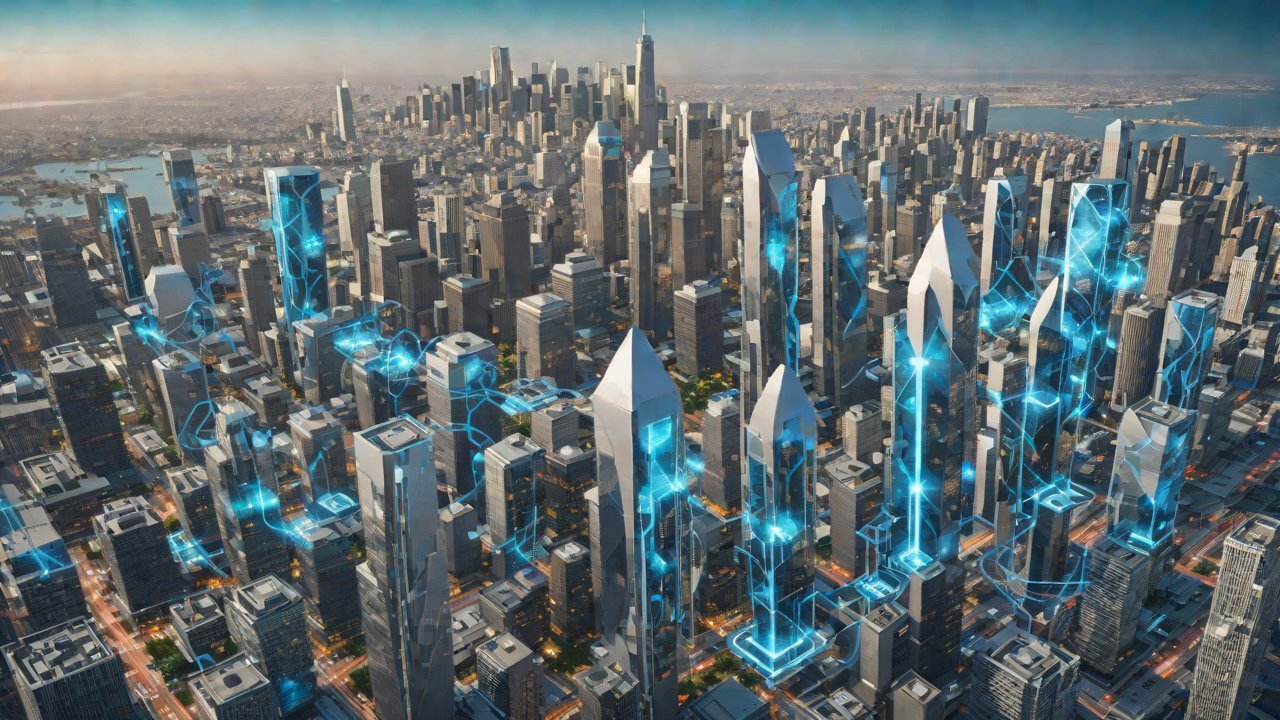
Edge computing units are particularly beneficial in scenarios where low latency is critical, such as in industrial control systems or real-time analytics applications.
3. Benefits of Edge Computing Units
The deployment of edge computing units offers several advantages over traditional centralized data processing models:
- Reduced Latency: By processing data closer to its source, edge computing reduces the time it takes for data to travel between nodes.
- Improved Security: The decentralized nature of edge computing makes it more difficult for hackers to intercept sensitive information during transmission.
- Enhanced Efficiency: Edge computing enables real-time analysis and decision-making, leading to increased operational efficiency and reduced costs.
4. Technical Architecture of Edge Computing Units
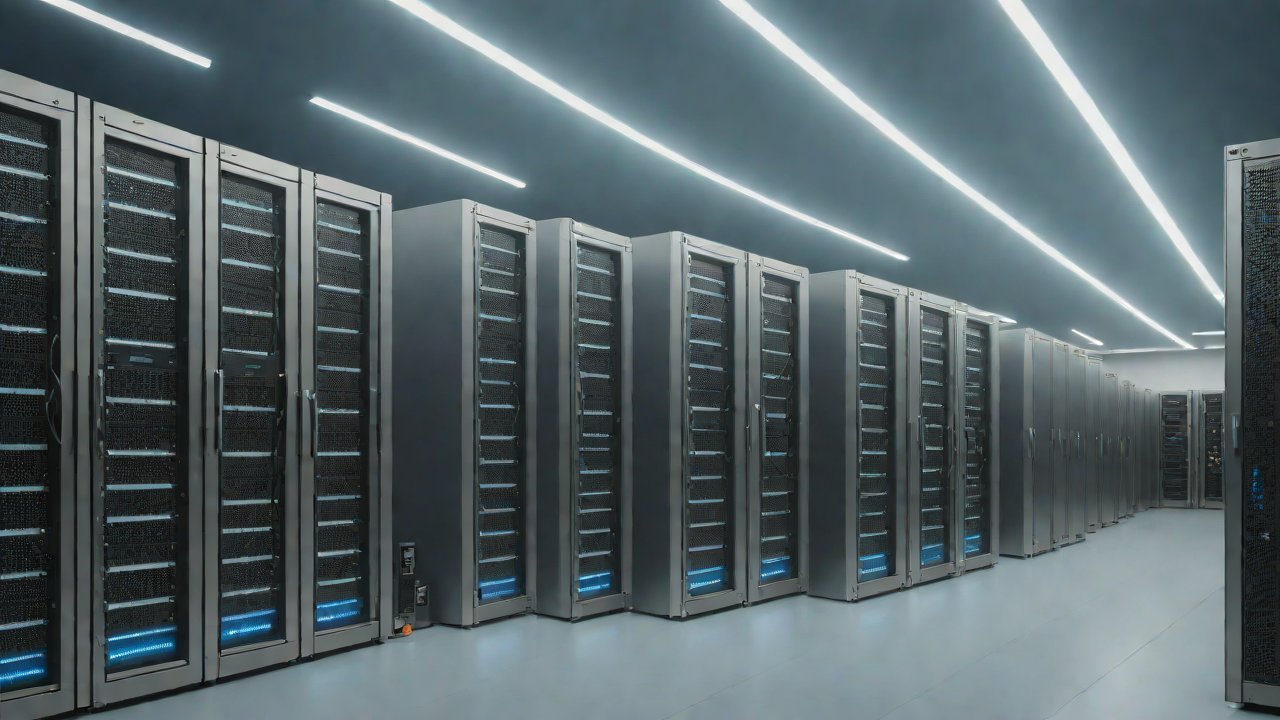
The technical architecture of an edge computing unit typically consists of the following components:
| Component | Functionality |
|---|---|
| Sensors/Devices | Data generation at the source |
| Edge Gateway | Data collection, filtering, and forwarding to processing units |
| Processing Unit | Real-time data processing and analysis |
| Storage Unit | Temporary storage of processed data |
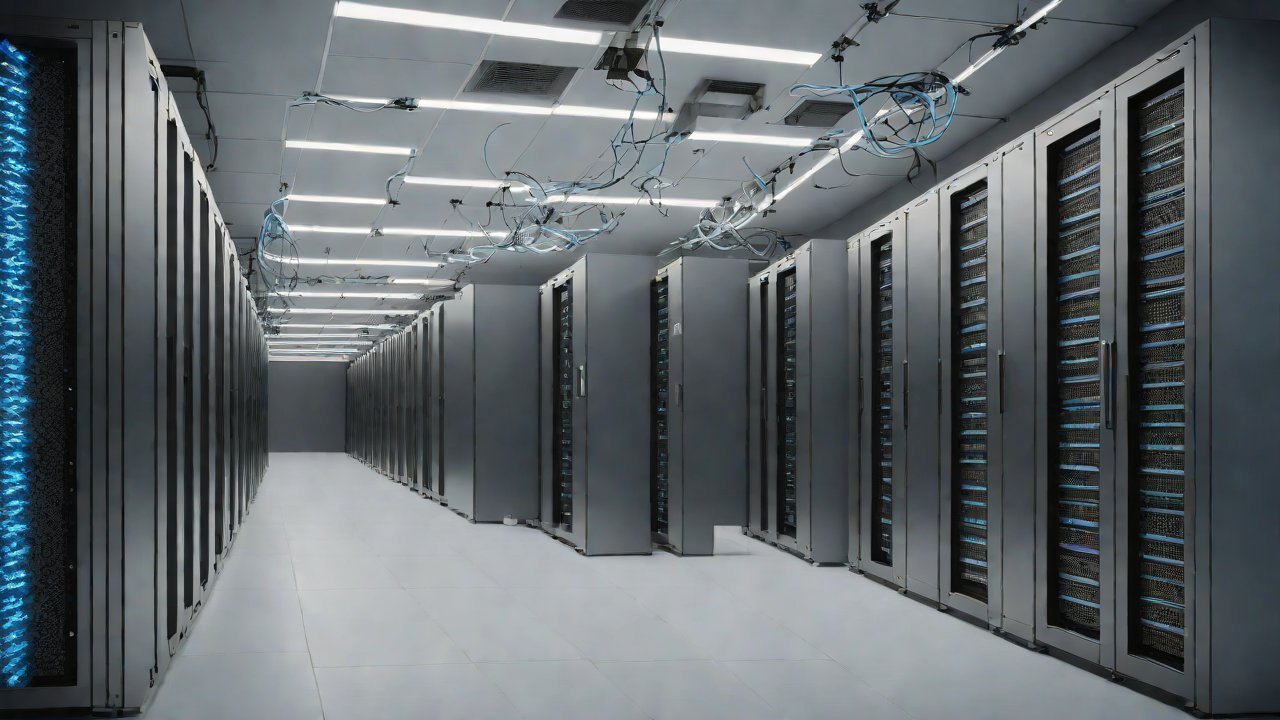
The choice of hardware and software components depends on the specific requirements of the application.
5. Market Analysis
According to a report by MarketsandMarkets, the global edge computing market is expected to grow from $3.4 billion in 2020 to $8.4 billion by 2026, at a Compound Annual Growth Rate (CAGR) of 25.2%. The increasing demand for IoT devices and the need for real-time data processing are driving this growth.
6. Future Directions
As the edge computing landscape continues to evolve, we can expect to see advancements in several areas:
- AI-Powered Edge Computing: Integration of artificial intelligence (AI) and machine learning (ML) algorithms into edge computing units will enable more sophisticated real-time analysis and decision-making.
- Quantum Computing at the Edge: The potential integration of quantum computing with edge computing could lead to breakthroughs in areas such as cryptography, optimization problems, and simulations.
7. Conclusion
Edge computing units have become a vital component in modern infrastructure, enabling efficient data processing and analysis in real-time. As technology continues to advance, we can expect to see even more innovative applications of edge computing in various industries.
IOT Cloud Platform
IOT Cloud Platform is an IoT portal established by a Chinese IoT company, focusing on technical solutions in the fields of agricultural IoT, industrial IoT, medical IoT, security IoT, military IoT, meteorological IoT, consumer IoT, automotive IoT, commercial IoT, infrastructure IoT, smart warehousing and logistics, smart home, smart city, smart healthcare, smart lighting, etc.
The IoT Cloud Platform blog is a top IoT technology stack, providing technical knowledge on IoT, robotics, artificial intelligence (generative artificial intelligence AIGC), edge computing, AR/VR, cloud computing, quantum computing, blockchain, smart surveillance cameras, drones, RFID tags, gateways, GPS, 3D printing, 4D printing, autonomous driving, etc.