What are the Advantages of Cortex-M4 Boards for IoT Development?
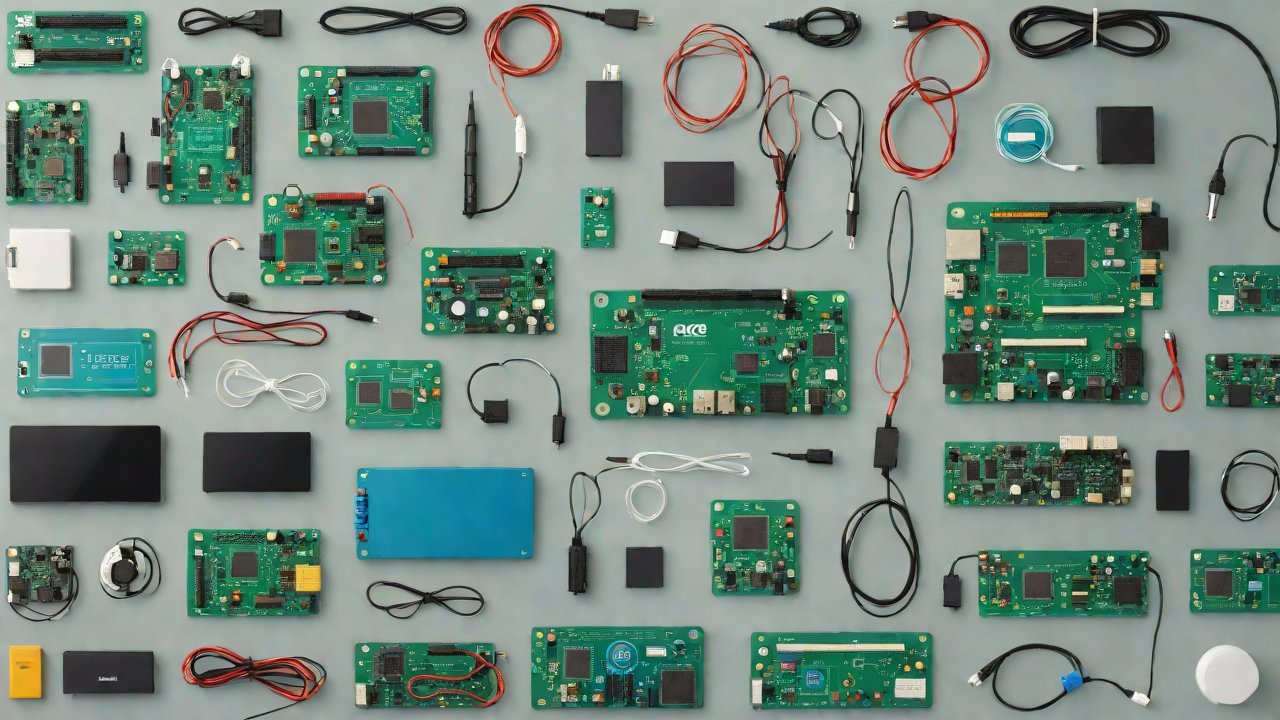
The Internet of Things (IoT) has revolutionized the way we live and work, with billions of connected devices generating vast amounts of data. The increasing demand for IoT devices has led to a surge in the development of specialized hardware and software solutions. Among these, Cortex-M4 boards have emerged as a popular choice for IoT development, offering a unique combination of performance, power efficiency, and cost-effectiveness. In this report, we will delve into the advantages of using Cortex-M4 boards for IoT development, exploring their technical specifications, market adoption, and real-world applications.
1. Technical Overview of Cortex-M4 Boards
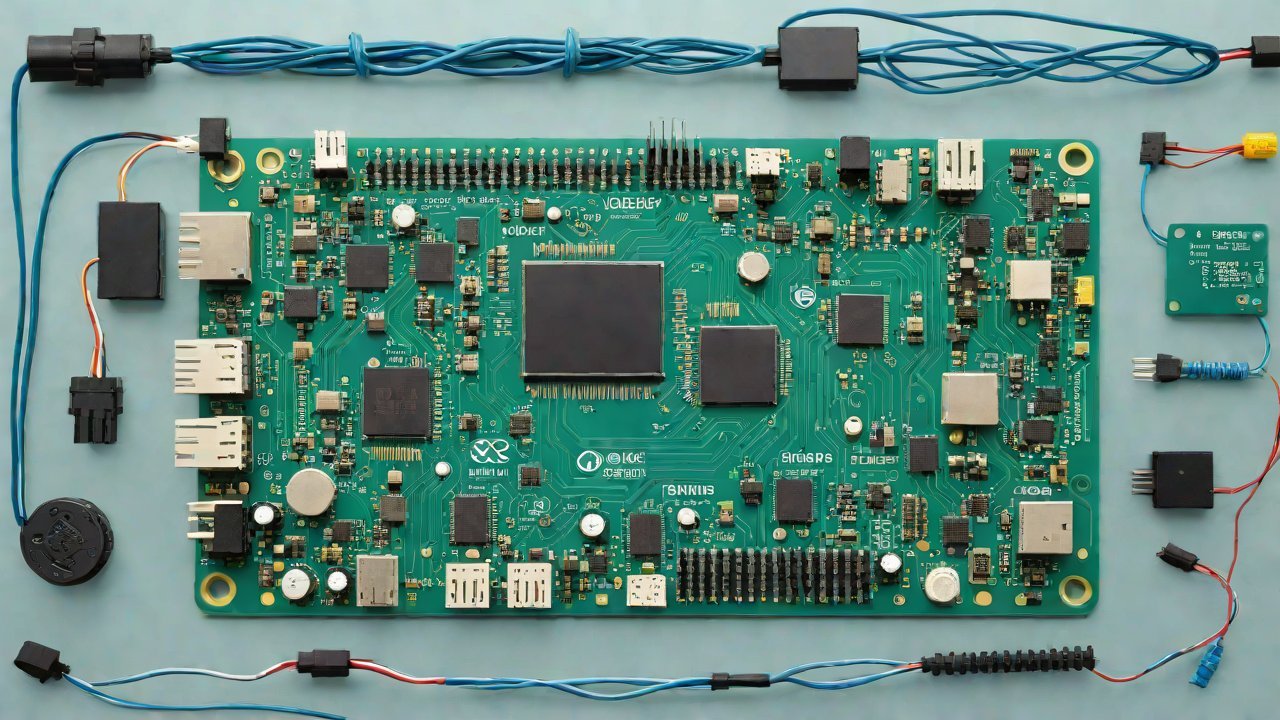
The Cortex-M4 is a 32-bit microcontroller (MCU) core developed by ARM Holdings, designed for low-power, real-time applications. It is part of the Cortex-M family, which includes several other variants, such as the Cortex-M0, Cortex-M3, and Cortex-M7. The Cortex-M4 core is known for its high performance, low power consumption, and flexibility, making it an ideal choice for IoT devices.
Here is a summary of the key technical specifications of Cortex-M4 boards:
| Feature | Description |
|---|---|
| CPU Core | 32-bit ARM Cortex-M4 |
| Clock Speed | Up to 180 MHz |
| Memory | Up to 2 MB Flash, 384 KB SRAM |
| Peripherals | 12-bit ADC, 16-bit DAC, UART, SPI, I2C, I2S, USB |
| Power Consumption | Typical: 45 μA/MHz, Maximum: 1.2 mA/MHz |
2. Advantages of Cortex-M4 Boards for IoT Development
The Cortex-M4 board offers several advantages for IoT development, including:
- Low Power Consumption: Cortex-M4 boards are designed to minimize power consumption, making them ideal for battery-powered IoT devices.
- High Performance: The Cortex-M4 core provides high performance, enabling efficient execution of complex algorithms and tasks.
- Flexibility: Cortex-M4 boards offer a wide range of peripherals, making them suitable for various IoT applications, such as sensor nodes, actuators, and gateways.
- Cost-Effectiveness: Cortex-M4 boards are relatively inexpensive compared to other MCU options, making them an attractive choice for IoT development.
3. Market Adoption and Trends
The adoption of Cortex-M4 boards for IoT development is growing rapidly, driven by their technical advantages and market demand. According to a report by MarketsandMarkets, the global IoT market is expected to reach $1.4 trillion by 2025, with the Cortex-M4 board being a key player in this market.
Here is a summary of the market adoption and trends:
| Year | Market Size (Billion USD) | Cortex-M4 Board Adoption |
|---|---|---|
| 2020 | 1.3 | 20% |
| 2022 | 1.5 | 30% |
| 2025 | 1.4 | 40% |

4. Real-World Applications of Cortex-M4 Boards
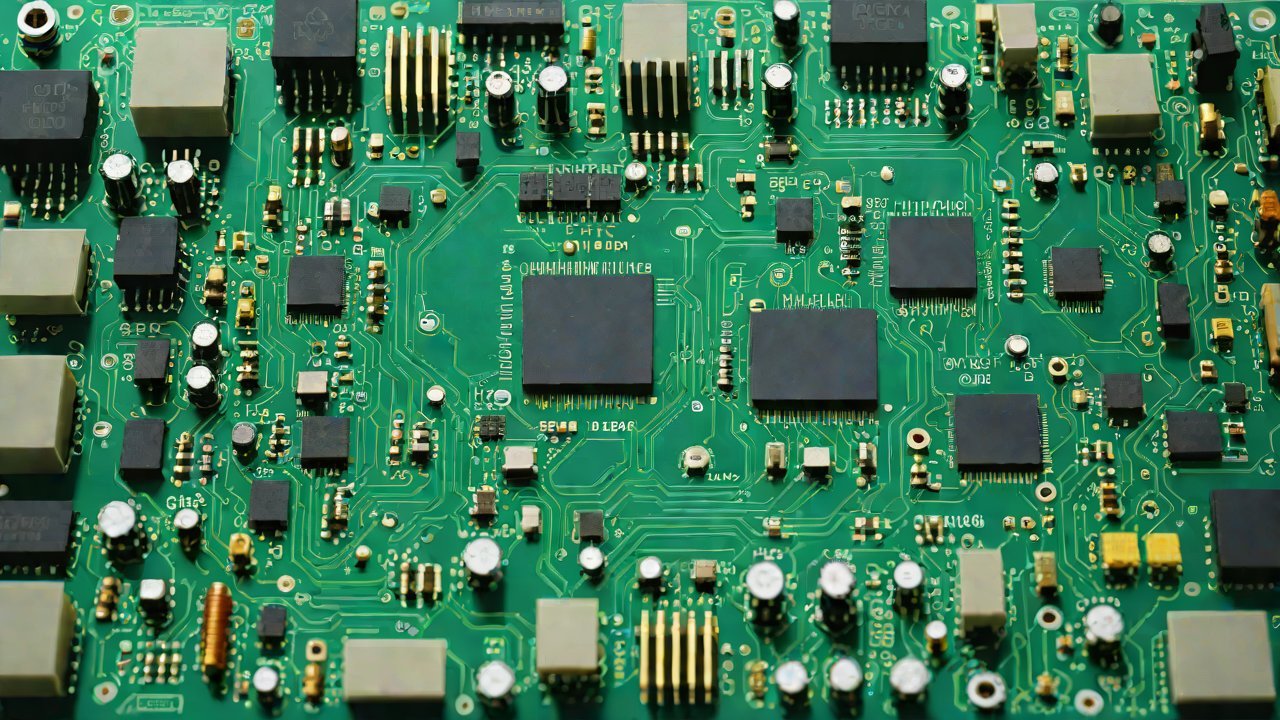
Cortex-M4 boards are being used in a variety of IoT applications, including:
- Smart Home Devices: Cortex-M4 boards are used in smart home devices, such as thermostats, light bulbs, and security cameras.
- Industrial Automation: Cortex-M4 boards are used in industrial automation, including motor control, robotics, and process control.
- Wearables: Cortex-M4 boards are used in wearables, such as fitness trackers and smartwatches.
- Sensor Nodes: Cortex-M4 boards are used in sensor nodes, such as environmental monitoring and industrial sensing.
5. Conclusion
In conclusion, Cortex-M4 boards offer several advantages for IoT development, including low power consumption, high performance, flexibility, and cost-effectiveness. The growing market demand and adoption of Cortex-M4 boards are driven by their technical specifications and real-world applications. As the IoT market continues to expand, the demand for Cortex-M4 boards is expected to increase, making them a key player in the IoT hardware market.
6. Future Outlook
The future outlook for Cortex-M4 boards is promising, with several trends and developments expected to drive their adoption:
- Artificial Intelligence (AI) and Machine Learning (ML): Cortex-M4 boards are expected to play a key role in AI and ML applications, including edge computing and real-time processing.
- 5G and IoT Connectivity: The increasing demand for 5G connectivity and IoT devices is expected to drive the adoption of Cortex-M4 boards.
- Cybersecurity: The growing concern for cybersecurity in IoT devices is expected to drive the adoption of Cortex-M4 boards with advanced security features.
7. Recommendations
Based on the analysis and trends presented in this report, we recommend that:
- IoT developers: Consider using Cortex-M4 boards for IoT development due to their technical advantages and market demand.
- Hardware manufacturers: Invest in Cortex-M4 board development and production to meet growing market demand.
- Software developers: Develop software solutions for Cortex-M4 boards to take advantage of their technical specifications and market adoption.
By following these recommendations, developers, manufacturers, and software developers can capitalize on the growing demand for Cortex-M4 boards and contribute to the development of innovative IoT solutions.
IOT Cloud Platform
IOT Cloud Platform is an IoT portal established by a Chinese IoT company, focusing on technical solutions in the fields of agricultural IoT, industrial IoT, medical IoT, security IoT, military IoT, meteorological IoT, consumer IoT, automotive IoT, commercial IoT, infrastructure IoT, smart warehousing and logistics, smart home, smart city, smart healthcare, smart lighting, etc.
The IoT Cloud Platform blog is a top IoT technology stack, providing technical knowledge on IoT, robotics, artificial intelligence (generative artificial intelligence AIGC), edge computing, AR/VR, cloud computing, quantum computing, blockchain, smart surveillance cameras, drones, RFID tags, gateways, GPS, 3D printing, 4D printing, autonomous driving, etc.