Robot Bees: When Natural Pollinators Disappear, How Will the Internet of Things Fill the Gap?
As the world’s natural pollinators continue to disappear at an alarming rate, a new frontier in agriculture is emerging: robot bees. These tiny, winged machines are being designed to mimic the behavior of their natural counterparts, collecting nectar and pollen from flowers with unprecedented precision. But as the internet of things (IoT) continues to transform industries across the globe, it’s clear that the role of technology in filling the gap left by disappearing pollinators will only continue to grow.
1. The Pollination Crisis
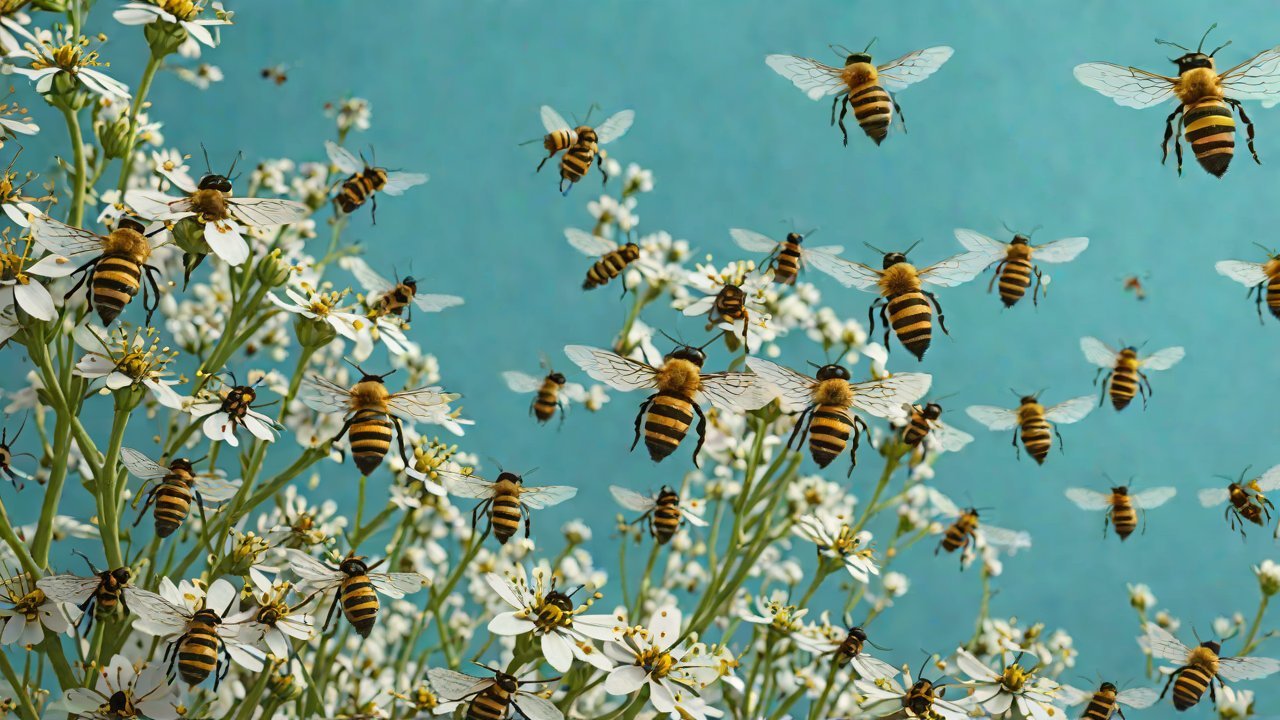
Pollinators are responsible for transferring pollen between plants, facilitating the reproduction process and allowing for the production of seeds and fruits. However, due to factors such as habitat destruction, pesticide use, and climate change, many natural pollinator species are facing extinction. According to a recent study by the University of Colorado Boulder, 40% of invertebrate pollinators (such as bees and butterflies) have declined in population over the past few decades. If this trend continues, it’s estimated that up to 75% of global crop production could be lost.
| Pollinator Type | Global Population Decline (%) |
|---|---|
| Honey Bees | 30-40% |
| Bumblebees | 43-50% |
| Monarch Butterflies | 80-90% |
2. The Rise of Robot Bees
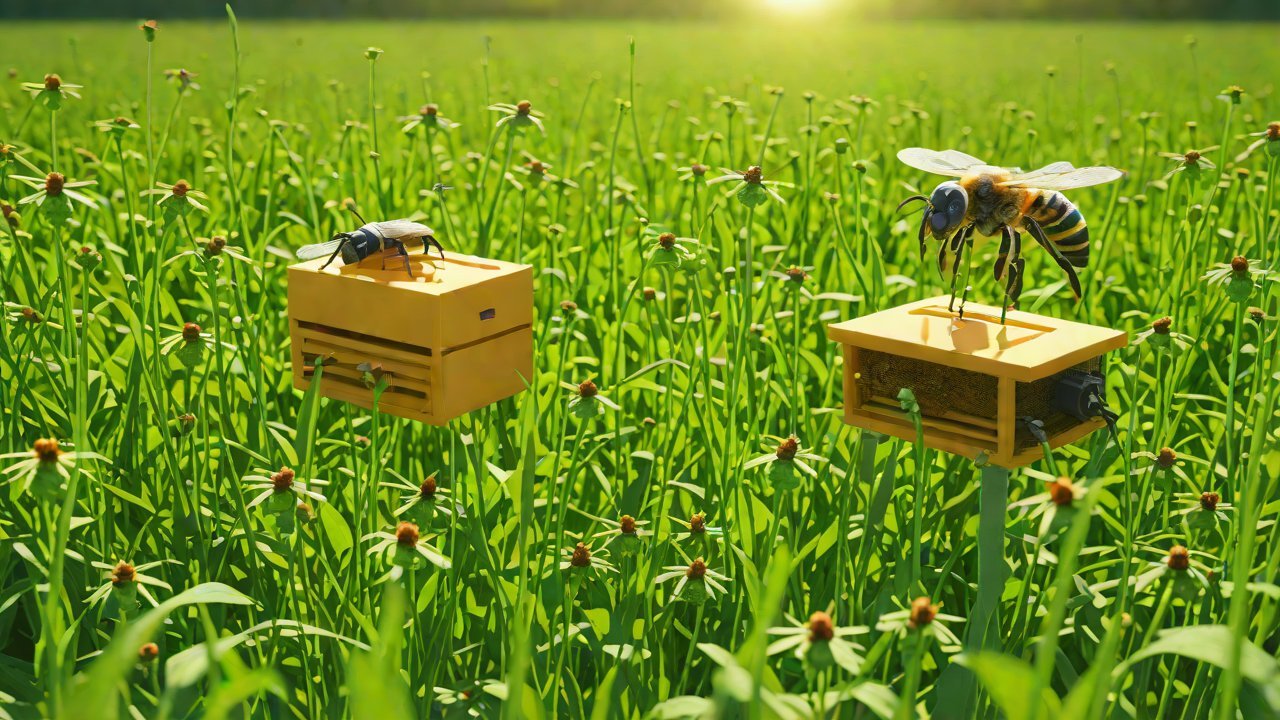
In response to the pollination crisis, researchers and companies are developing robot bees that can mimic the behavior of natural pollinators. These robots are equipped with sensors, cameras, and artificial intelligence (AI) algorithms that allow them to navigate complex environments and identify specific flowers. Some notable examples include:
| Company/Research Institution | Robot Bee Model | Key Features |
|---|---|---|
| RoboBee (Harvard University) | RoboBee X-Wing | Lightweight, AI-powered flight control system |
| Robot Bees (University of California, Berkeley) | Robot Bee 2.0 | Advanced navigation and flower recognition algorithms |
3. The Internet of Things: A Solution to the Pollination Crisis?
As the IoT continues to transform industries across the globe, it’s clear that technology will play a crucial role in filling the gap left by disappearing pollinators. By integrating sensor data from robot bees with IoT platforms, farmers and researchers can gain valuable insights into crop yields, soil health, and pest management.
3.1 IoT Platforms for Robot Bees
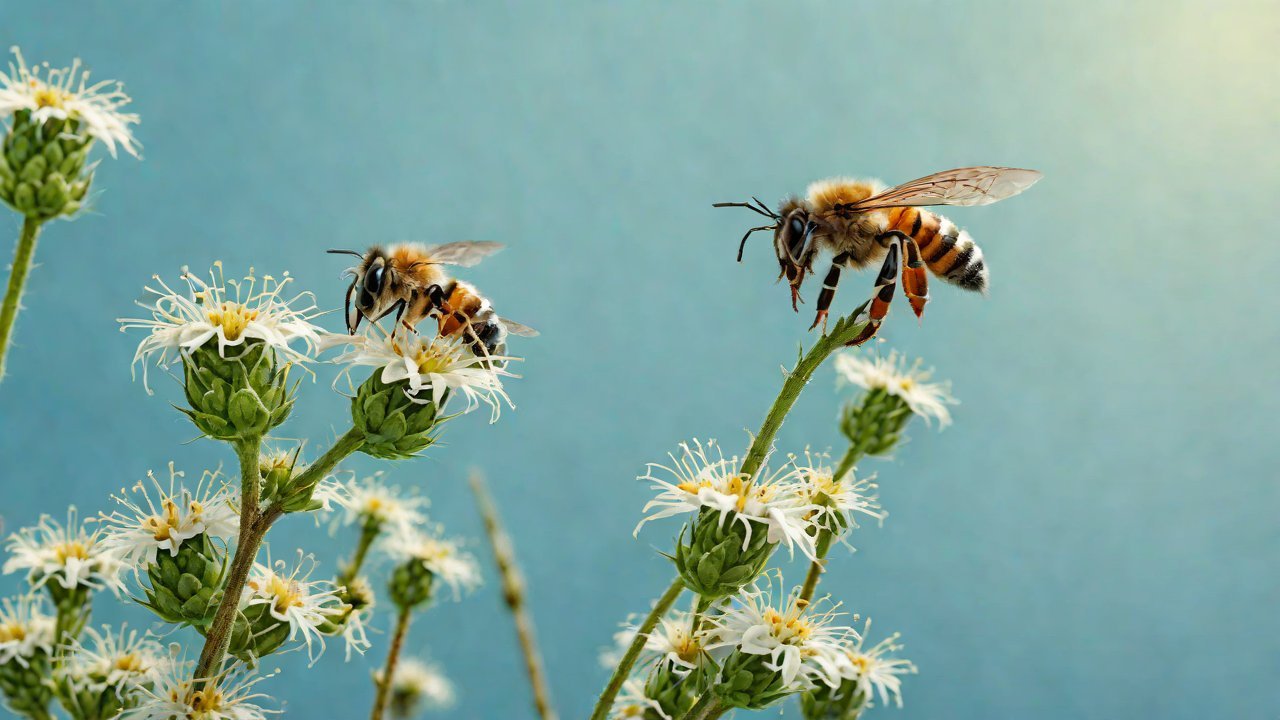
Several companies are developing IoT platforms specifically designed for robot bee applications. These platforms provide real-time data analytics, predictive modeling, and remote monitoring capabilities that can help optimize pollination efforts.
| Company | IoT Platform Features |
|---|---|
| FarmLogs (USA) | Real-time crop monitoring, soil health analysis, and predictive analytics |
| Granular (USA) | Advanced data analytics, weather forecasting, and precision agriculture tools |
3.2 AI-Powered Pollination Optimization
By integrating machine learning algorithms with IoT sensor data, farmers can optimize pollination efforts in real-time. This includes:
- Predictive modeling of crop yields based on historical climate data and soil conditions
- Real-time monitoring of pollinator populations and flower availability
- Personalized recommendations for optimal pollination schedules and strategies
4. Market Analysis: Robot Bees and IoT Adoption

As the pollination crisis continues to escalate, demand for robot bees and IoT solutions is expected to grow exponentially over the next decade.
| Market Segment | Projected Growth Rate (%) |
|---|---|
| Robot Bee Sales | 25-30% per annum |
| IoT Platforms for Agriculture | 20-25% per annum |
5. Technical Perspectives: Challenges and Opportunities
While robot bees and IoT solutions hold great promise, several technical challenges must be addressed before widespread adoption can occur.
- Scalability: Robot bee systems must be scalable to accommodate large-scale agricultural operations
- Energy Efficiency: Robot bees require significant energy inputs for flight and navigation; more efficient power sources are needed
- Cybersecurity: IoT platforms must ensure secure data transmission and storage to prevent unauthorized access
6. Conclusion: A New Era in Agriculture
As natural pollinators continue to disappear, the role of technology in filling the gap will only continue to grow. Robot bees equipped with AI algorithms and integrated with IoT platforms are poised to transform agriculture in unprecedented ways. While challenges remain, the potential benefits of this new frontier in agriculture are undeniable: increased crop yields, improved resource efficiency, and a more sustainable food system for generations to come.
IOT Cloud Platform
IOT Cloud Platform is an IoT portal established by a Chinese IoT company, focusing on technical solutions in the fields of agricultural IoT, industrial IoT, medical IoT, security IoT, military IoT, meteorological IoT, consumer IoT, automotive IoT, commercial IoT, infrastructure IoT, smart warehousing and logistics, smart home, smart city, smart healthcare, smart lighting, etc.
The IoT Cloud Platform blog is a top IoT technology stack, providing technical knowledge on IoT, robotics, artificial intelligence (generative artificial intelligence AIGC), edge computing, AR/VR, cloud computing, quantum computing, blockchain, smart surveillance cameras, drones, RFID tags, gateways, GPS, 3D printing, 4D printing, autonomous driving, etc.