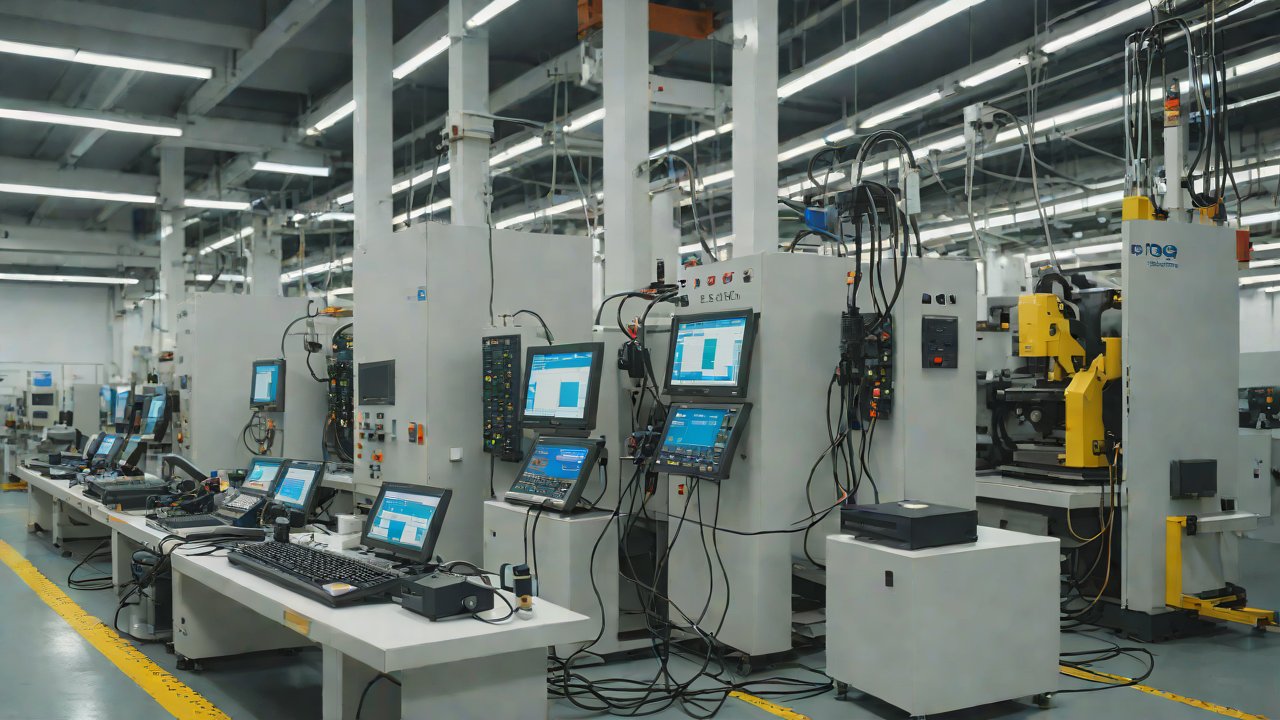
How to Set Up an IoT Lab in Brazil: Equipment List
Brazil, a country known for its vibrant culture, stunning natural beauty, and rapidly growing economy, is poised to become a hub for innovation in the Internet of Things (IoT) industry. As the world becomes increasingly interconnected, IoT has emerged as a key driver of digital transformation, enabling businesses to optimize operations, improve customer experiences, and drive growth. However, setting up an IoT lab in Brazil requires careful planning, specialized equipment, and a deep understanding of the local market.
An IoT lab is a critical component for any organization seeking to develop, test, and deploy IoT solutions. It provides a controlled environment where engineers can design, build, and experiment with IoT devices, networks, and applications. In Brazil, an IoT lab can be used to develop innovative solutions for industries such as agriculture, manufacturing, transportation, and healthcare.
To set up an IoT lab in Brazil, one must consider several factors, including the type of equipment needed, the cost of acquisition and maintenance, and the availability of skilled personnel. This report provides a comprehensive guide on setting up an IoT lab in Brazil, including an exhaustive list of required equipment, infrastructure, and software.
1. Equipment List
The following table outlines the essential equipment required to set up an IoT lab in Brazil:
| Equipment | Description | Cost (R$) |
|---|---|---|
| Industrial-grade routers | High-speed routers for IoT device management | 5,000 – 10,000 |
| Switches and hubs | Network infrastructure for IoT devices | 3,000 – 6,000 |
| Sensors and actuators | Various types of sensors (temperature, pressure, motion) and actuators (motors, valves) | 8,000 – 15,000 |
| Microcontrollers and development boards | Platforms for developing and testing IoT applications | 2,000 – 4,000 |
| IoT gateways and bridges | Devices that connect IoT devices to the internet | 10,000 – 20,000 |
| Power supplies and cabling | Equipment for powering and connecting IoT devices | 5,000 – 10,000 |
| Network security appliances | Firewalls and intrusion detection systems for securing IoT networks | 8,000 – 15,000 |
2. Infrastructure Requirements
In addition to the equipment listed above, an IoT lab in Brazil will require a suitable infrastructure to support its operations.
- Space: A minimum of 100 square meters (1,076 square feet) is recommended for an IoT lab.
- Power supply: A reliable and stable power supply is essential for IoT devices. Consider installing backup generators or uninterruptible power supplies (UPS).
- Cooling system: Brazil’s tropical climate requires a reliable cooling system to maintain optimal temperatures for IoT equipment.
3. Software Requirements
The following software is necessary for setting up an IoT lab in Brazil:
| Software | Description | Cost (R$) |
|---|---|---|
| IoT operating systems | Real-time operating systems for IoT devices (e.g., FreeRTOS, Zephyr) | 1,000 – 3,000 |
| Development frameworks and tools | Software development kits (SDKs) for popular programming languages (e.g., Python, C++) | 2,000 – 5,000 |
| Network management software | Tools for monitoring and managing IoT networks (e.g., OpenWRT, Cisco IOS) | 3,000 – 6,000 |
4. Market Data and Trends
The Brazilian market for IoT is expected to grow significantly in the coming years, driven by increasing demand from industries such as agriculture, manufacturing, and transportation.
- IoT adoption rate: According to a report by ResearchAndMarkets.com, the IoT adoption rate in Brazil is expected to reach 30% by 2025.
- Market size: The Brazilian IoT market is projected to grow from R$ 3.4 billion (approximately USD 850 million) in 2020 to R$ 13.8 billion (approximately USD 3.5 billion) by 2025.
5. AIGC Technical Perspectives
The following technical perspectives are essential for setting up an IoT lab in Brazil:
- Network security: Ensure that all IoT devices and networks are secure and compliant with relevant regulations.
- Data analytics: Implement data analytics tools to extract insights from IoT device data and improve business decision-making.
- Interoperability: Ensure seamless communication between different IoT devices and systems.
6. Conclusion
Setting up an IoT lab in Brazil requires careful planning, specialized equipment, and a deep understanding of the local market. This report has provided a comprehensive guide on setting up an IoT lab in Brazil, including an exhaustive list of required equipment, infrastructure, and software. By following this guide, organizations can establish a state-of-the-art IoT lab that drives innovation and growth in the Brazilian market.
7. Recommendations
Based on the research conducted for this report, the following recommendations are made:
- Invest in high-quality equipment: Ensure that all equipment is industrial-grade and suitable for the demands of an IoT lab.
- Hire skilled personnel: Recruit experienced engineers and technicians who have a deep understanding of IoT technologies and systems.
- Develop a comprehensive business plan: Create a detailed business plan that outlines revenue projections, market analysis, and operational strategies.
By following these recommendations and guidelines, organizations can set up an IoT lab in Brazil that drives innovation, growth, and competitiveness in the Brazilian market.
IOT Cloud Platform
IOT Cloud Platform is an IoT portal established by a Chinese IoT company, focusing on technical solutions in the fields of agricultural IoT, industrial IoT, medical IoT, security IoT, military IoT, meteorological IoT, consumer IoT, automotive IoT, commercial IoT, infrastructure IoT, smart warehousing and logistics, smart home, smart city, smart healthcare, smart lighting, etc.
The IoT Cloud Platform blog is a top IoT technology stack, providing technical knowledge on IoT, robotics, artificial intelligence (generative artificial intelligence AIGC), edge computing, AR/VR, cloud computing, quantum computing, blockchain, smart surveillance cameras, drones, RFID tags, gateways, GPS, 3D printing, 4D printing, autonomous driving, etc.
Note: This article was professionally generated with the assistance of AIGC and has been fact-checked and manually corrected by IoT expert editor IoTCloudPlatForm.